This post is also available in:


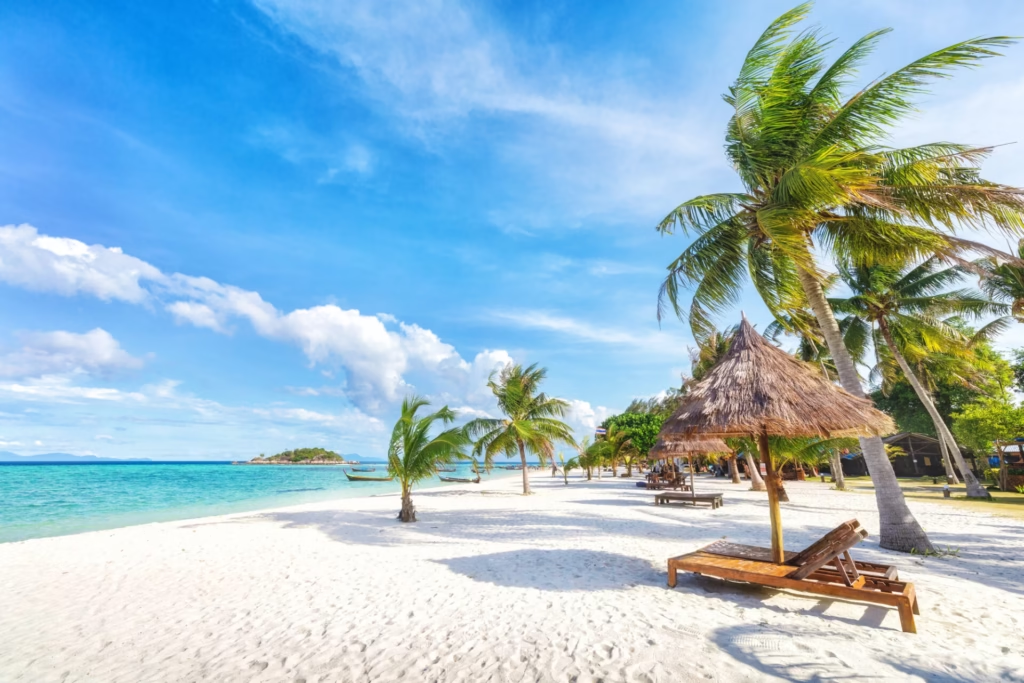
Thailand is one of those destinations that can fulfil almost every kind of travel dream. The best beaches Thailand has to offer — think white coral sand and turquoise water — sit alongside dense tropical jungle, vast mountain ranges, buzzing modern cities, ancient temples and ethnic hill-tribe villages.
Add outstanding food, friendly people and prices that let you travel comfortably on a modest budget, and it’s easy to see why travellers keep coming back.
Looking for recommendations on where to go in Thailand for your first visit? Or maybe you’ve already been and want to explore new corners? I’ve got tips on the most beautiful beaches and plenty more destinations to discover.

That variety can actually make planning a challenge. Thailand is significantly larger than it looks on a map. From north to south it stretches over 1,600 km as the crow flies — further than from London to Athens.
That’s why it’s so important to choose wisely where you want to go and what you want to experience.
I’ve spent nearly two years in Thailand in total and I know that the country rewards those who explore it slowly — and who keep returning.
This article will help you figure out which part of Thailand might be the right fit for you — and what you shouldn’t miss once you get there.
This article is part of a multi-part series. Check out the other guides built from many trips across Thailand.
For general practical tips covering all of Thailand, head to the first instalment:
For practical tips on Northern Thailand specifically:
For tips on individual cities, destinations and points of interest, see the dedicated guides:
- Krabi and Ao Nang
- Phuket
- Ko Samui
- Bangkok
- Ayutthaya
- Chiang Mai and surroundings
- Chiang Rai and surroundings
- Pai
- Mae Hong Son
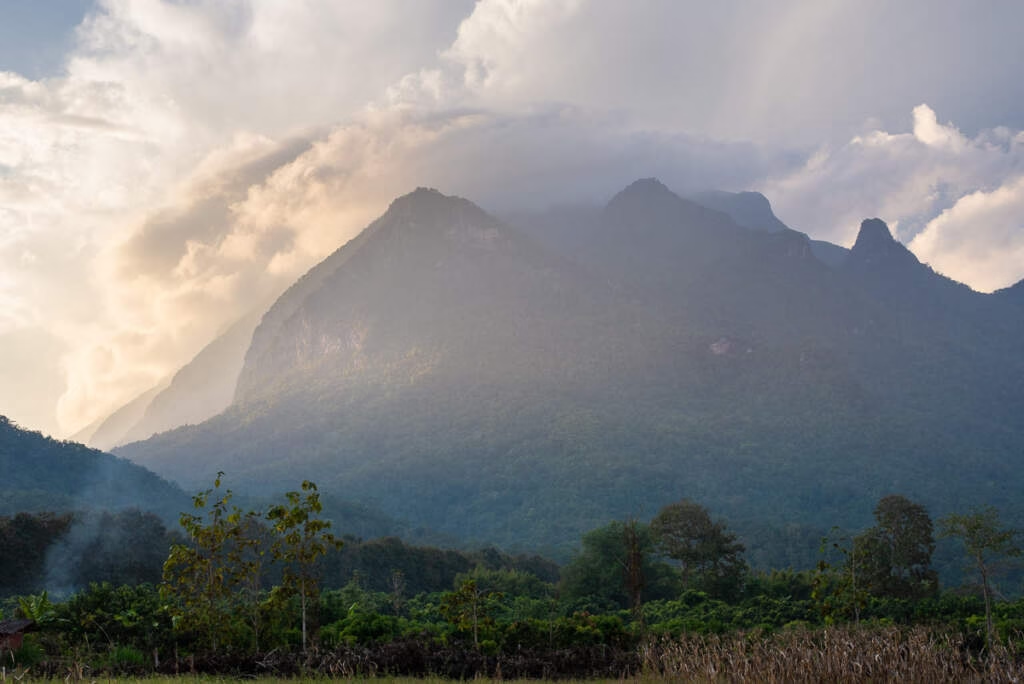
Bangkok — More Than Just a Stopover
I meet plenty of people who say they don’t like Bangkok — yet they’ve never really experienced it. Touristy Khao San Road has about as much in common with Bangkok as a theme park has with the city it sits in.
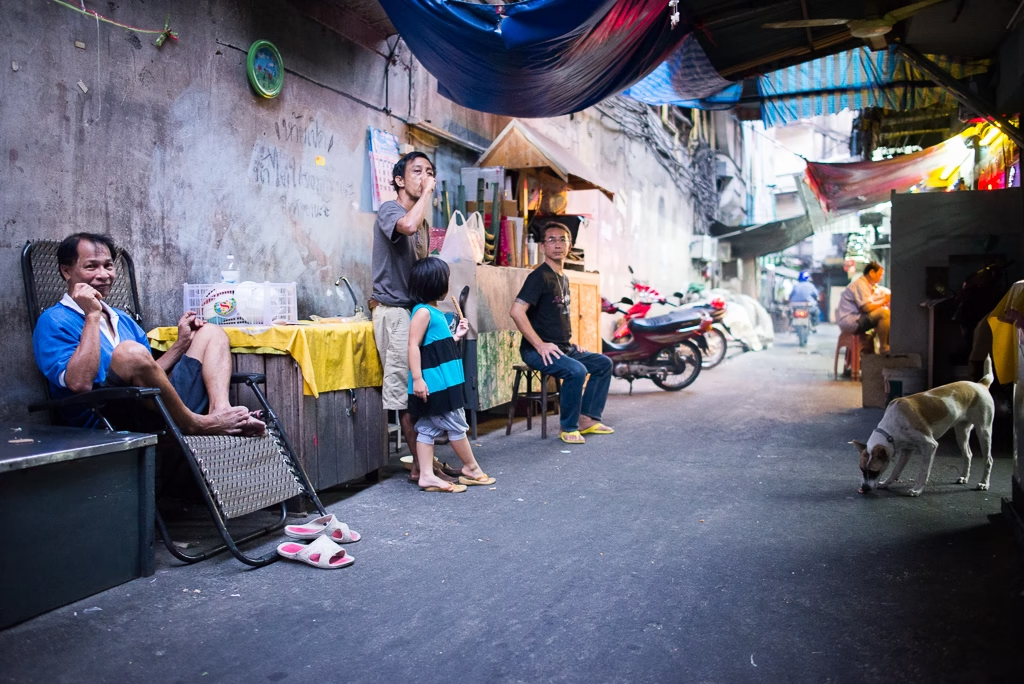
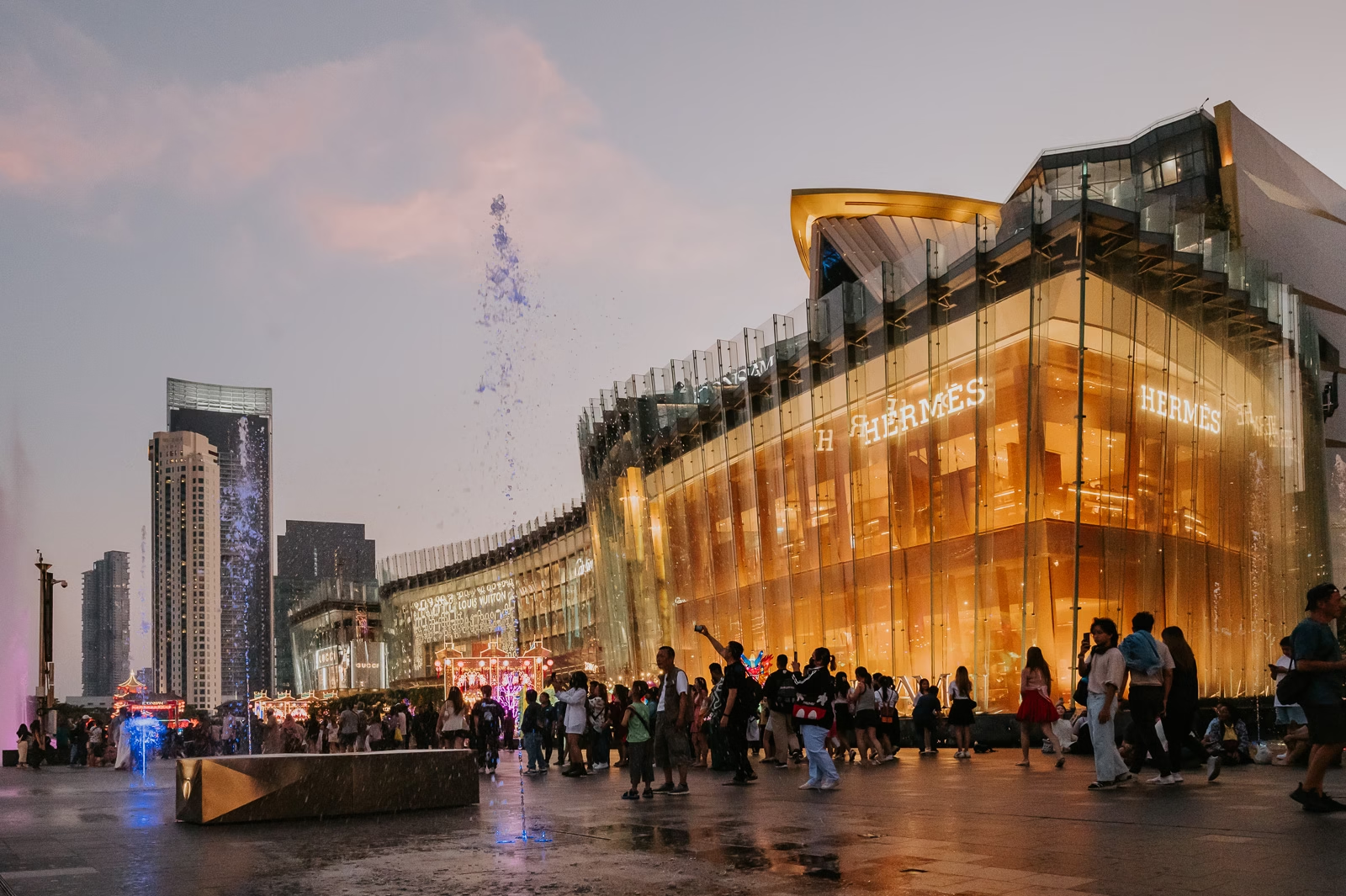
It’s worth spending at least three to four days here — soaking up the atmosphere, eating until you can’t move, over-caffeinating on world-class coffee and maybe even seeing a few sights along the way.
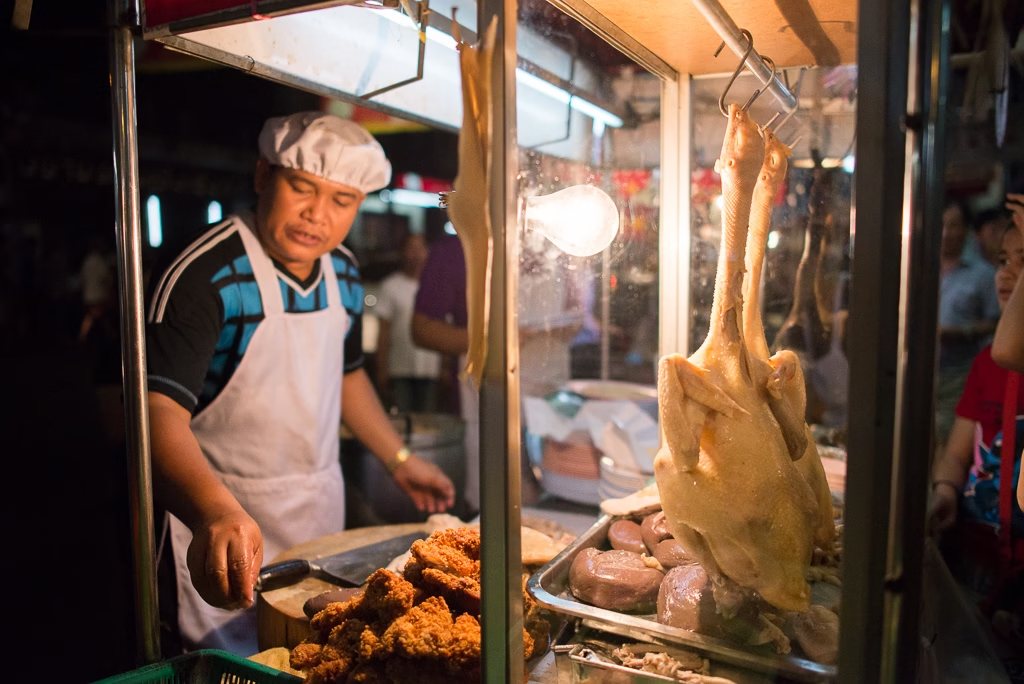
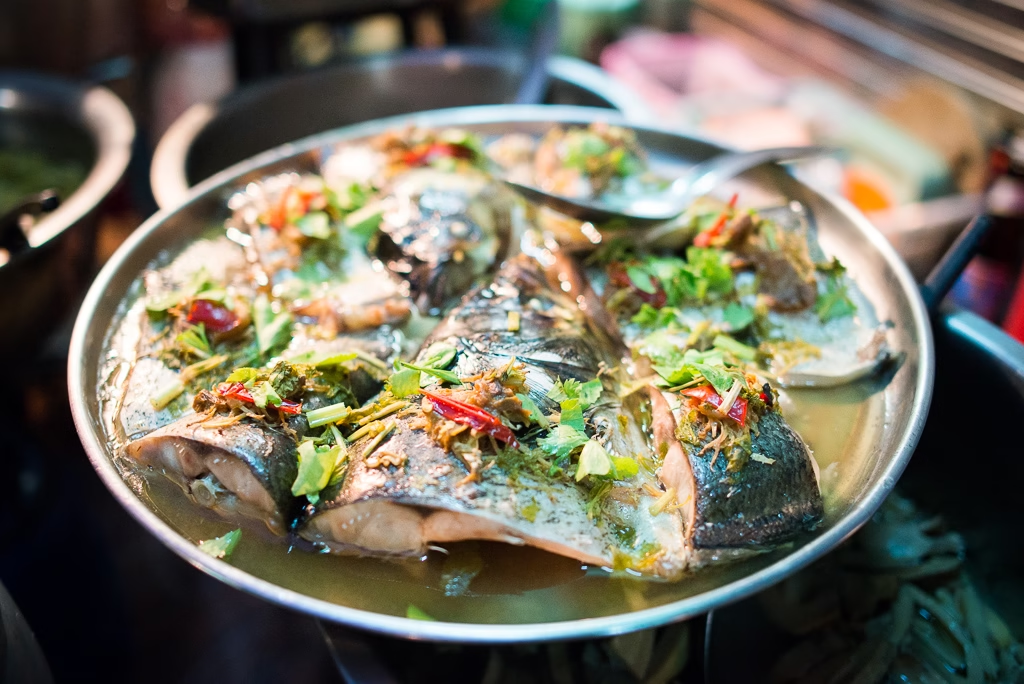
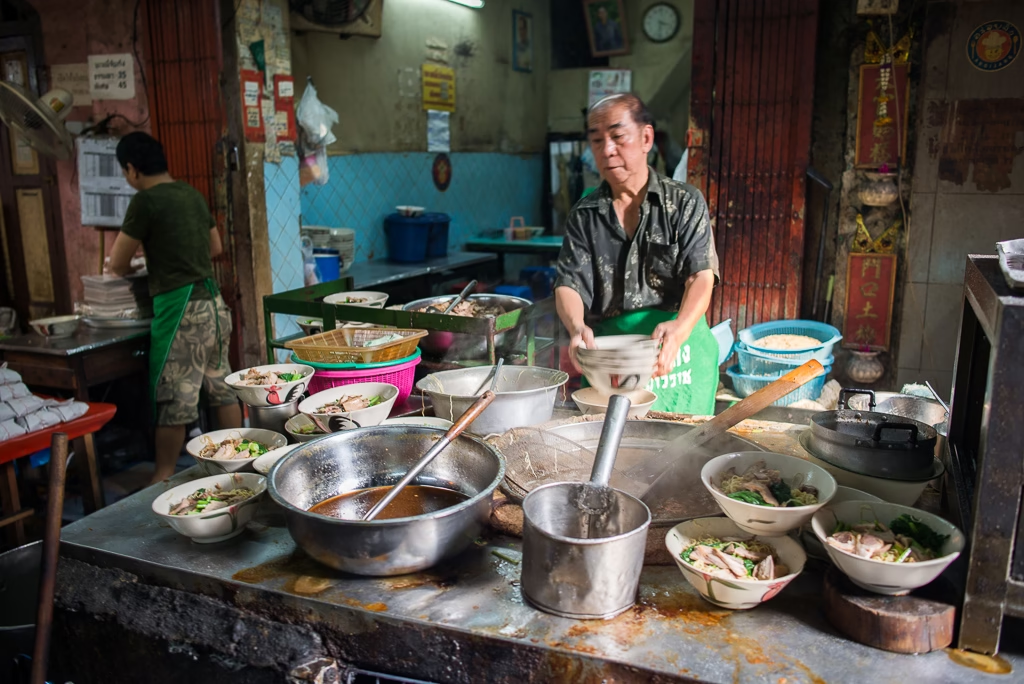
Bangkok isn’t really about sights. It’s about people, contrasts and unexpected details. Ride the Chao Phraya river on a local ferry between wooden houses and skyscrapers. Get wonderfully lost in the lanes of Chinatown.
Head to Wat Saket Ratchawora Mahawihan — the “Golden Mount” — for sunset, then grab a few drinks at a rooftop bar with panoramic views of the city.
In between, eat everything — from street stalls to excellent sushi and legendary Korean BBQ all the way up to Michelin-starred restaurants.
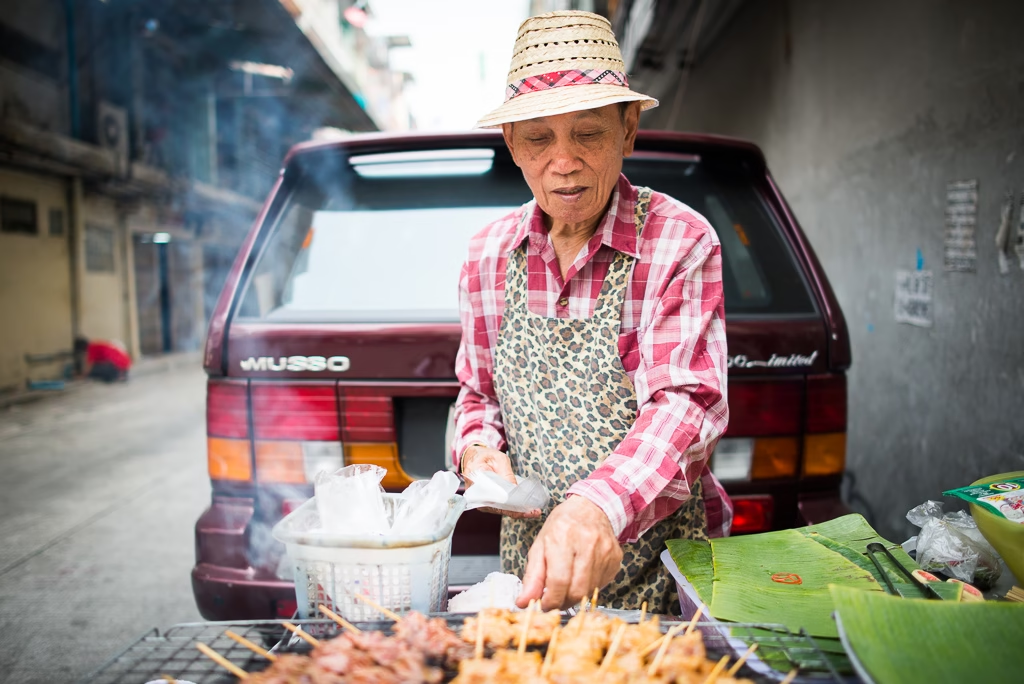
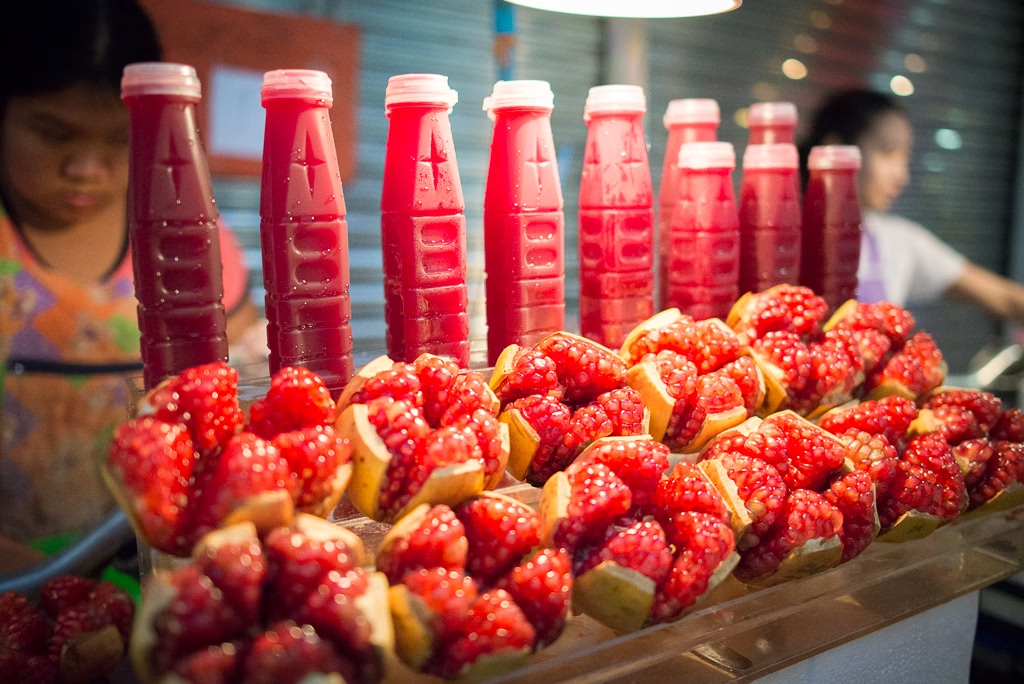
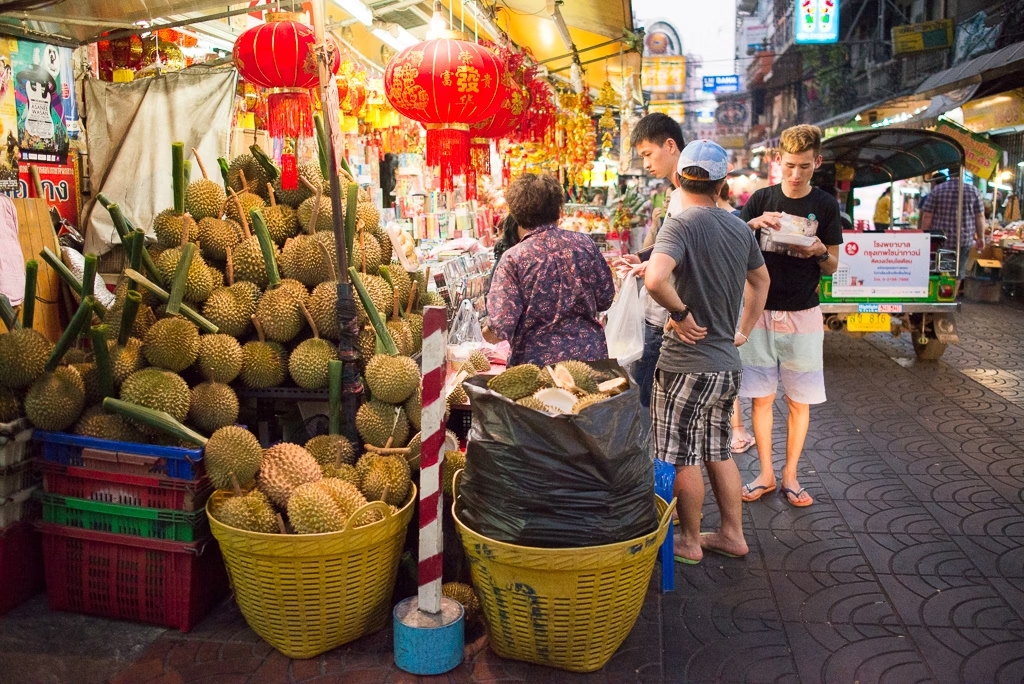
Wat Pho with its reclining Buddha, or the Grand Palace, are obviously worth seeing. But equally fascinating is a walk through the Thonburi neighbourhood on the opposite bank, where life moves at its own pace, or a visit to one of the dozens of outstanding coffee shops scattered across the city.
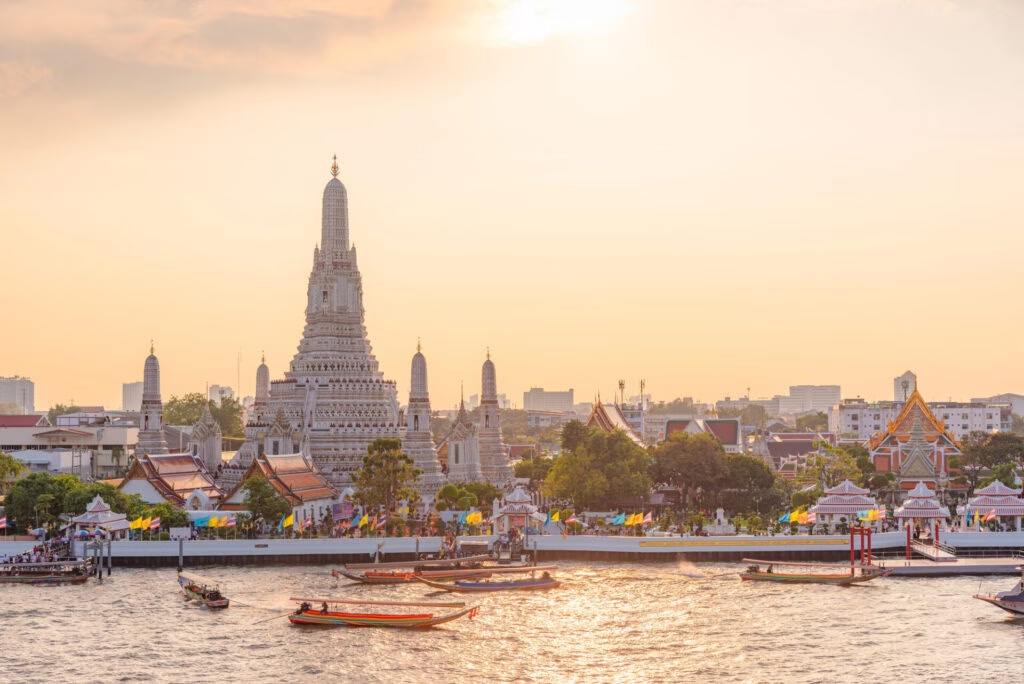
Bangkok rewards those who slow down. Don’t race between attractions — let the rhythm of the city carry you. Above all, tune into a culture that’s wonderfully unlike anything back home.
Related guide: Bangkok Guide: 60+ tips on what to see, do and eat + practical advice
Where to Stay in Bangkok
- I especially recommend apartments in modern neighbourhoods — ideally somewhere up high with city views.
- You can find plenty of apartments with gym and pool access for under €50/night.
- Above €80 a night you’re looking at very nice accommodation with a rooftop pool. I’d recommend Somerset Maison Asoke in one of the city’s great residential neighbourhoods.
Southern Thailand and the Islands — Best Beaches and How to Dodge the Crowds
The beaches are one of Thailand’s main draws — and no wonder. Turquoise water, white sand, palm trees and sunsets that look like postcards. You can still find plenty of stunning spots where you can enjoy your holiday at your own pace.

Phuket — The Easiest Start, But Expect Crowds
Phuket is Thailand’s largest island and its most accessible beach destination. An international airport with direct or single-connection flights from Europe, hundreds of hotels across all price brackets and well-developed infrastructure make it an ideal choice for a first visit to Thailand or a family holiday.

That said — it’s important to set your expectations accordingly — Phuket is very touristy.
The main beaches like Patong, Kata and Karon are packed with people, street vendors, jet-skis and hotel complexes. If you’re looking for peace and quiet or an authentic local feel, you won’t find much of it here.
On the other hand, Phuket delivers everything you’d want from a beach holiday. Great restaurants, quality accommodation, easy day trips to smaller islands (Phi Phi, the Similan Islands) and plenty of activities. You just have to work a little harder to find a deserted, romantic stretch of sand.

Best Beaches
Nai Harn Beach — The Island’s Most Beautiful Beach
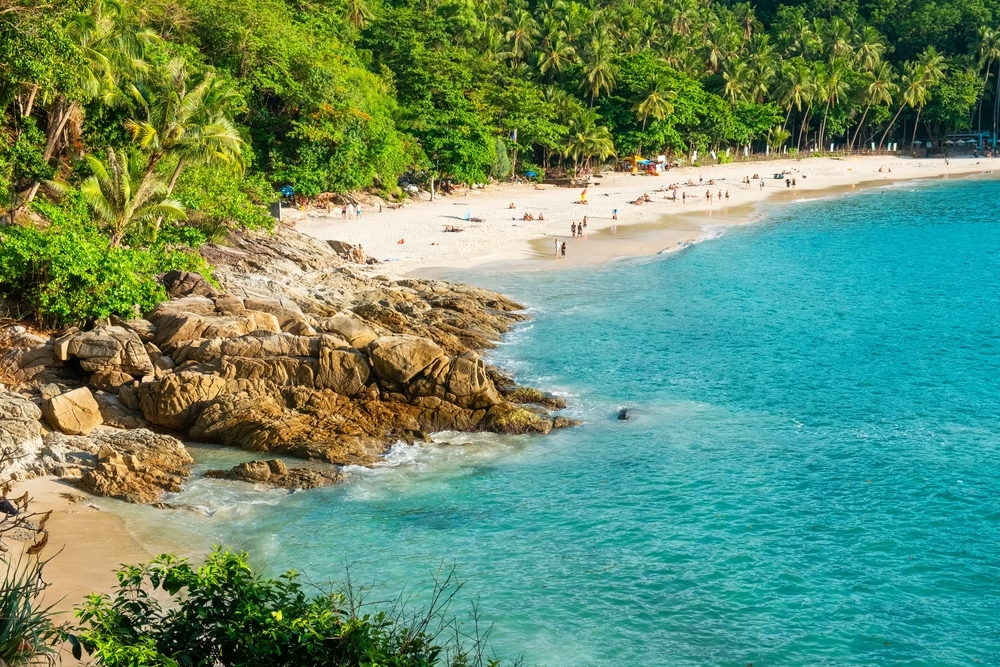
If I had to pick just one beach on Phuket, it would be Nai Harn. It sits on the island’s southern tip in a bay ringed by forested hills. White sand, turquoise water, palm trees and a backdrop of green cliffs create a picture-perfect tropical paradise.
Unlike the northern beaches, there are no rows of sun loungers or pushy vendors — the vibe is closer to the beaches you’d find on the quieter southern end of Ko Lanta.

Kata Beach — Best for Families
Kata is a wide, easily accessible beach split into two separate bays — Kata Yai (big) and Kata Noi (small). Both offer fine sand, clear water and a good range of services. Kata Yai is livelier, with sun-lounger rentals, restaurants and bars along the promenade. The water is shallower and calmer than on more exposed beaches, which families with children will appreciate.
Kata Noi is smaller and more relaxed. There are fewer people and a nicer atmosphere, though you still won’t have it to yourself.
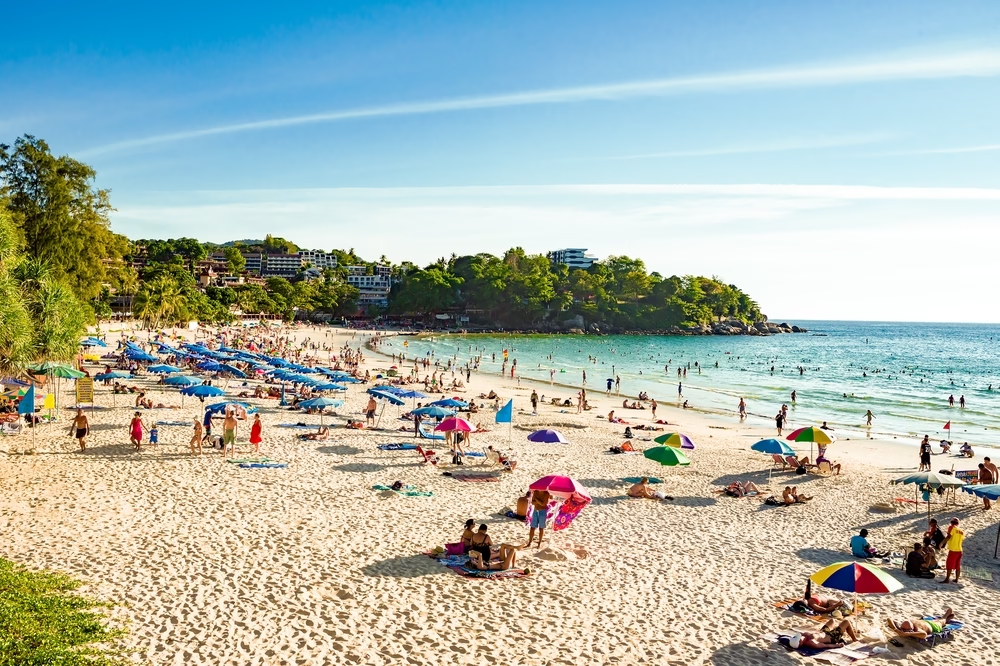
Kamala Beach — The Happy Middle Ground
Kamala sits between busy Patong and the quieter north. It’s a long beach with a good balance between available services and a relaxed atmosphere. You’ll find sun loungers, restaurants, massages and water-sports rentals, but without Patong’s aggressive noise levels.
The northern end of the beach is calmer, the southern end livelier. The village of Kamala itself has a pleasant feel, with local restaurants, minimarkets and several excellent bars.
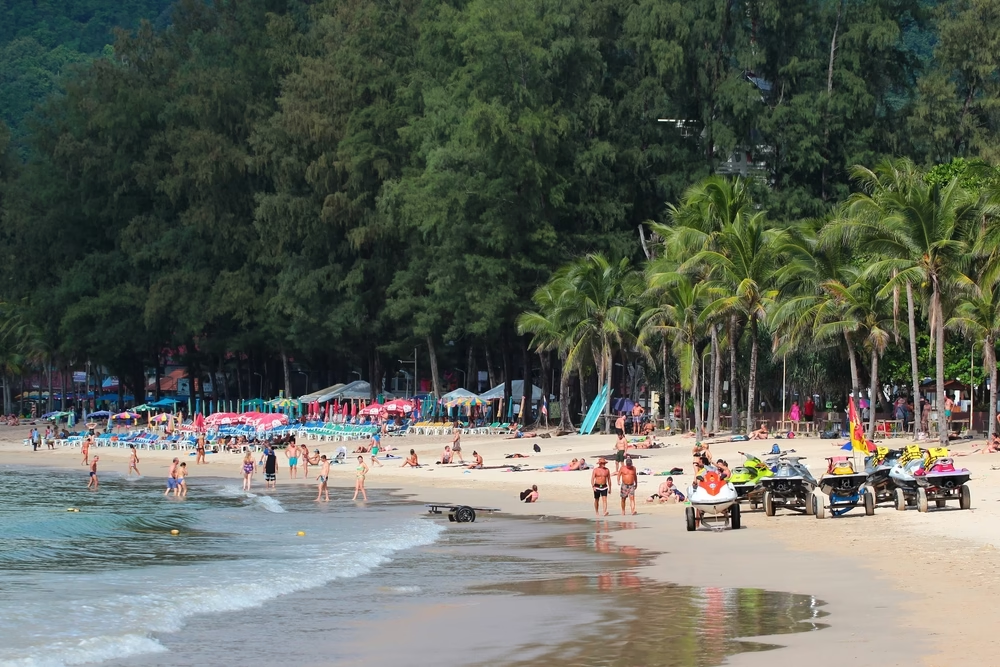
Nai Thon Beach — For Total Peace and Quiet
Nai Thon, on the island’s northwest coast, is one of Phuket’s least developed beaches. There isn’t much in the way of restaurants or accommodation, which puts off most tourists.
But that’s exactly its charm. A long stretch of sand, a handful of palm trees, a few local food stalls and small restaurants — and almost no one around. If you’re looking for a spot to spend a few days with a book and decompress from everything, Nai Thon is ideal.

Freedom Beach — A Hidden Gem Accessible Only by Boat
Freedom Beach lies between Patong and Karon, right in the island’s busiest area, yet you can only reach it by boat (from Patong Beach, around 200 THB return) or via a jungle trail.
That isolation protects it from mass tourism. It’s a small cove with gorgeous sand, crystal-clear water and a few tiny restaurants. Perfect for a half-day trip when the busier beaches start to wear you down.
Where to Stay on Phuket:
- Mandarava Resort and Spa (Karon Beach) — A tropical paradise with pools, a spa and spacious family-friendly villas. The resort is a short distance from Karon Beach.
- The Z Nite Hostel (Phuket Town) — A clean, modern hostel right in the heart of historic Phuket Town. Rooms are spacious and fitted with bunk beds.
- Sugar Ohana Poshtel (Kata Beach) — Affordable, stylish accommodation with family rooms, just a short walk from Kata Beach.
- The Surin Phuket (Pansea Beach) — A resort offering elegant cottage-style accommodation, an outdoor pool, a luxury spa and a restaurant serving Thai specialities and international cuisine.
For more details, see the guide Phuket: 15+ tips on what to see and do on the Thai island.
Krabi — Breathtaking Scenery and True Beach Treasures
Krabi province offers more dramatic landscapes than Phuket, equally iconic beaches and a slightly calmer pace. Expect limestone cliffs rising straight out of the sea, hidden lagoons, vast mangrove forests and beaches with views of famous islets like Ko Phi Phi.
There are also countless spots for great snorkelling and diving. Krabi is easy to fly into — direct international long-haul flights to its airport have been increasing in recent years.

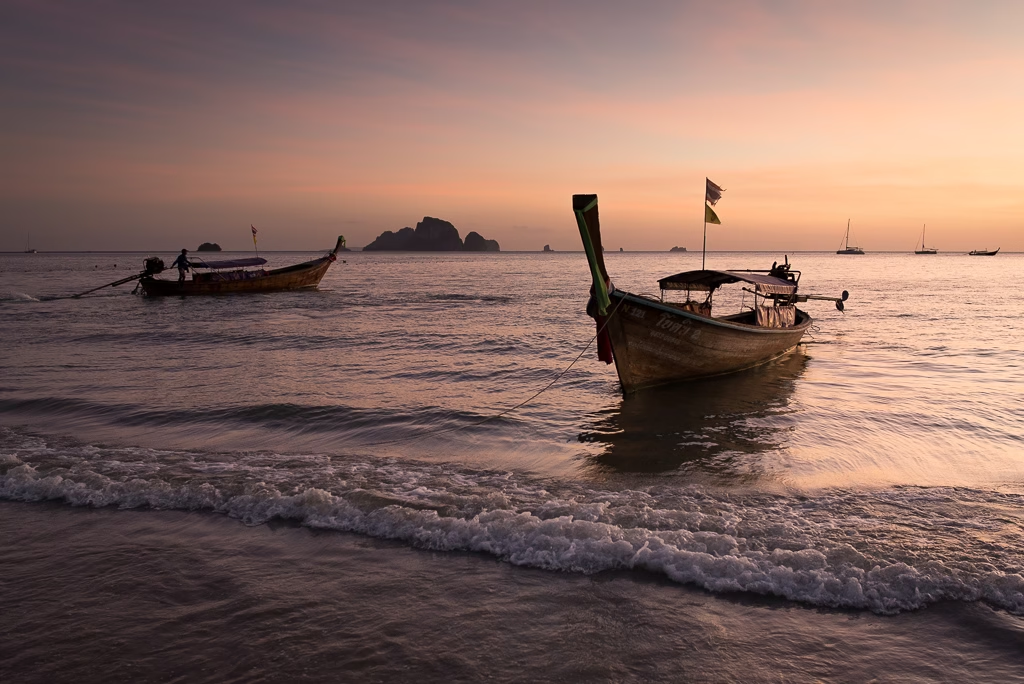
Railay Beach is accessible only by boat and ranks among the most beautiful beaches in Thailand. Four connected beaches surrounded by sheer rock faces attract not only tourists but rock climbers from around the world. In the evening you can sit on the sand, watch the sun go down and feel like you’ve genuinely found paradise.
The main base is the town of Ao Nang, from which you can easily reach further beaches and islands by boat. Ao Nang’s own beach isn’t the most spectacular, but it’s perfectly fine for an afternoon swim.
Find detailed tips in the Krabi and Ao Nang guide
Where to stay:
- On Railay Beach itself, right by the water in bungalows or mid-size hotels
- In Ao Nang for a wider choice of restaurants and services
- On one of the small offshore islands if you want to truly cut yourself off from the world
- In Krabi Town if you want to experience real Thai life away from the tourist resorts
Ko Lanta — A Relaxed Alternative to the Busier Islands
Ko Lanta is, for me, the ideal Thai island. Large enough to offer all the services and enough activities to keep you from getting restless after a few days — yet still calm enough to fully unwind into a tropical rhythm of life.
The further south you go on the island, the quieter the beaches get. Like Ao Nang, Ko Lanta is also a fantastic base for diving and snorkelling.

Recommended accommodation on Ko Lanta:
- Noble House Beach Resort right in the heart of the action
- Still very good value at Green Chilli Bungalows, right beside one of the quieter beaches
- Lanta Palace Beach Resort & Spa – Adult Only — a great resort with a beautiful beach, adults only
Gulf of Thailand Islands: Ko Samui, Ko Phangan and Ko Tao
On the other side of the country, in the Gulf of Thailand, a trio of islands offers a somewhat different holiday experience and beach vibe from the Andaman Sea. This is most true of Ko Samui, which generally targets a wealthier clientele and families with children.
You also have an almost year-round chance of good weather here — I’d only avoid the autumn monsoon season.
Ko Samui
The largest of the three, and in my view one of the best destinations for families, with plenty of beaches to choose from. Direct flights connect it with Bangkok, Phuket and Chiang Mai, making the journey straightforward — if a little pricier.
For more details, see the guide Ko Samui: beaches, day trips, food and practical tips — a detailed independent travel guide
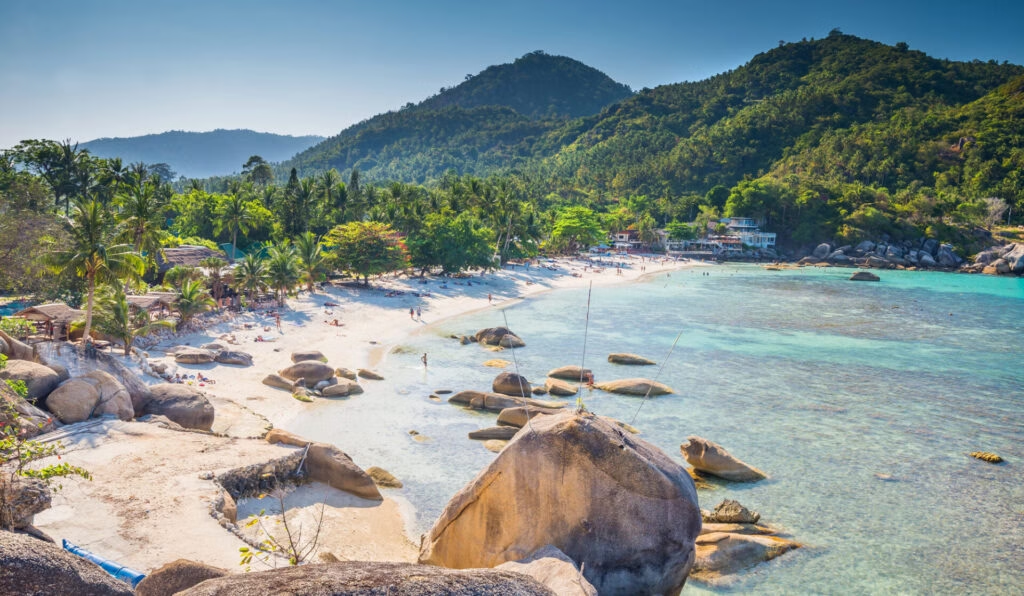
A well-maintained ring road circles the whole island — we hired a car and got everywhere we wanted to go, even with a baby in tow.
Just be prepared for higher prices, especially for accommodation. On the plus side, the quality matches what you pay.

Ko Phangan
Best known for the Full Moon Party — a dance marathon on Haad Rin beach. Outside these events, the island is surprisingly calm and offers great beaches, waterfalls and jungle. Bottle Beach and Haad Salad are among the prettier and quieter spots.

Ko Tao
A diver’s paradise. A small island with dozens of dive schools, crystal-clear water and rich marine life. If you’ve never dived before, this is an ideal place to start — an Open Water course starts at around 10,000 THB and the teaching quality is high.

Ko Chang and the Lesser-Known Islands of the East Coast
If you want to escape the crowds, look to the islands along the east coast near the Cambodian border. Ko Chang is Thailand’s fourth-largest island and combines beach relaxation with jungle.
The smaller islands of Ko Kut and Ko Mak are still almost untouched by tourism. The infrastructure isn’t as developed as in the south — but that’s precisely their appeal.

Hua Hin — Laid-Back Seaside City
Hua Hin sits on the western shore of the Gulf of Thailand, roughly three hours south of Bangkok by road. It’s the country’s oldest seaside resort and has served as the Thai royal family’s summer residence since the 1920s.
Unlike the southern islands, you won’t find turquoise water or dramatic cliffs here. But that’s exactly what makes Hua Hin different — calmer, less touristy and with an atmosphere that feels more like a spa town than a backpacker hub. People come here for golf, other sports and great food too.
Hua Hin is a great choice for those who want a few days by the sea without flying to the south. Its excellent infrastructure and gentle beach also make it well suited to families with young children.

Deserted Beaches and Islets in Ranong Province
Ranong is one of Thailand’s least-visited coastal provinces. It runs along a narrow strip of land on the Myanmar border, where you’ll often find yourself gazing at Burmese islands or distant mountains.
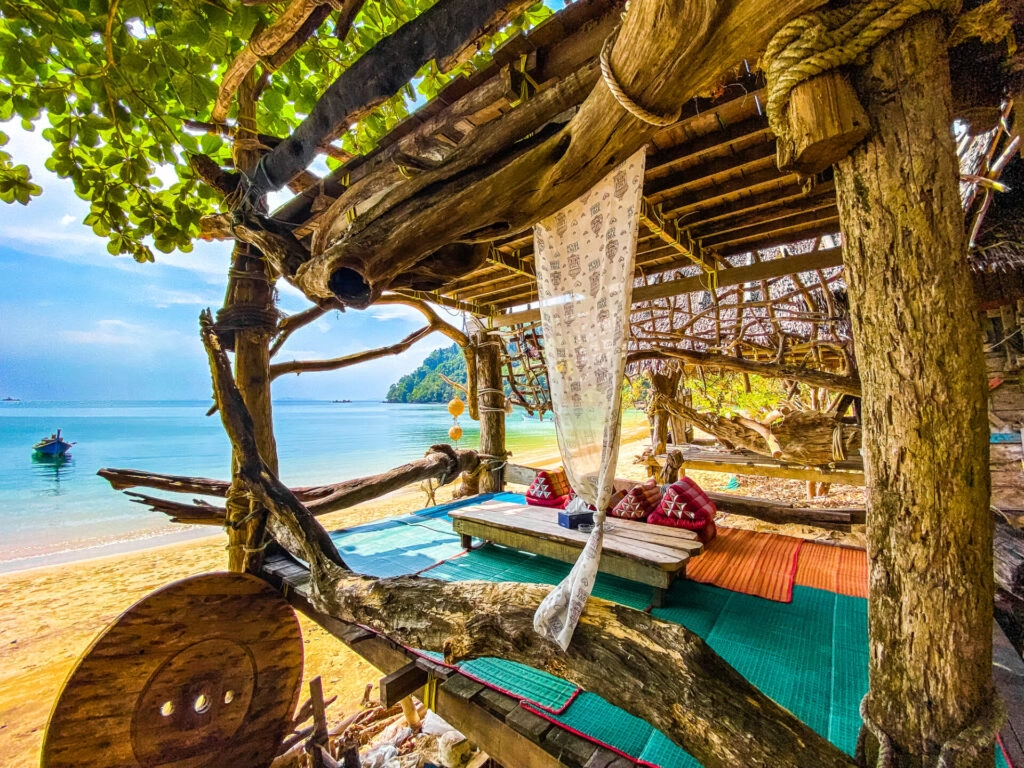
On the islands of Ko Chang (not to be confused with the one near Cambodia) and Ko Phayam, time seems to have stopped somewhere in the laid-back 1990s.
Regular tourists almost never make it here — and that’s exactly why Ranong might interest you.
Northern Thailand — Mountains, Villages and a Completely Different World
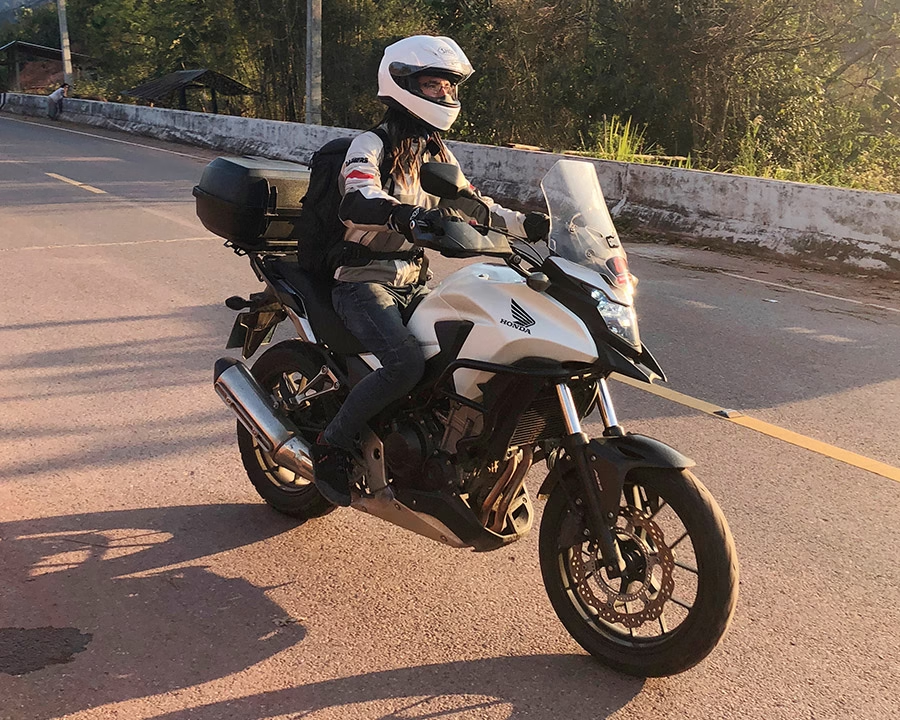
Personally, I consider northern Thailand the most beautiful and most diverse part of the country. I spent over a year and a half there, rode a motorbike through most of it and still can’t get enough.
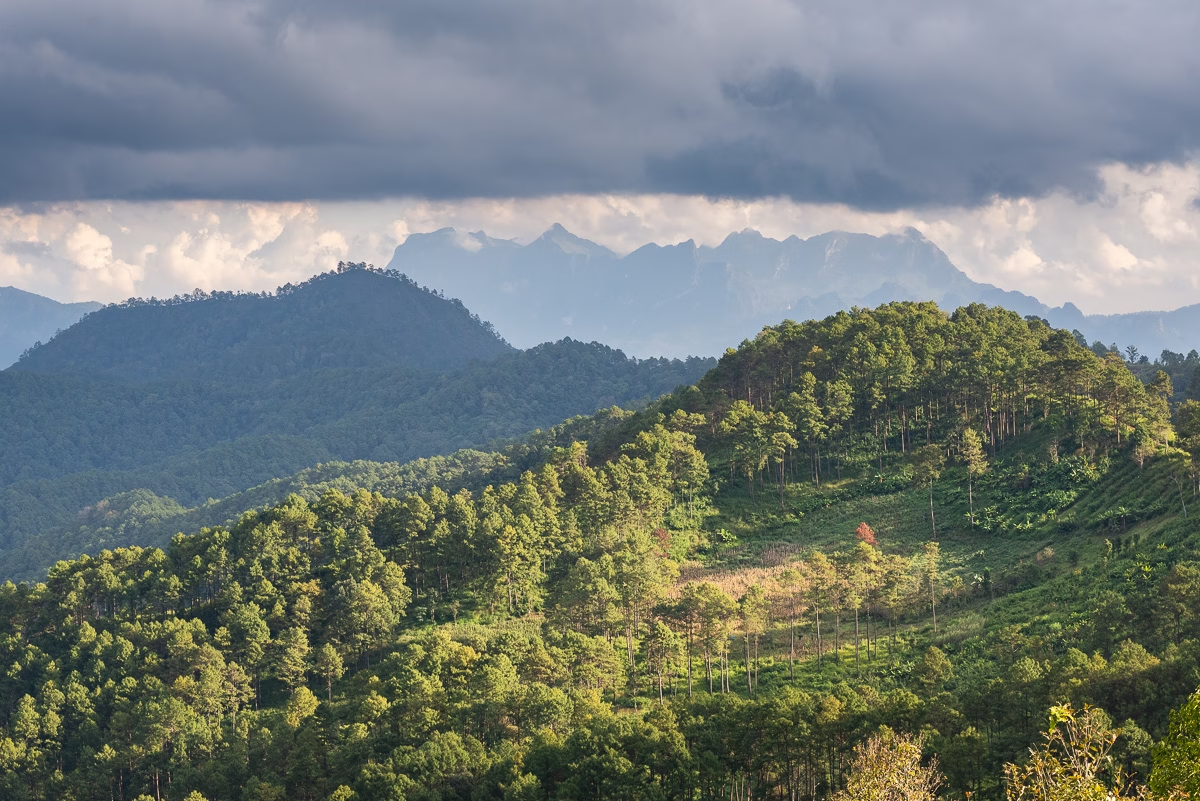
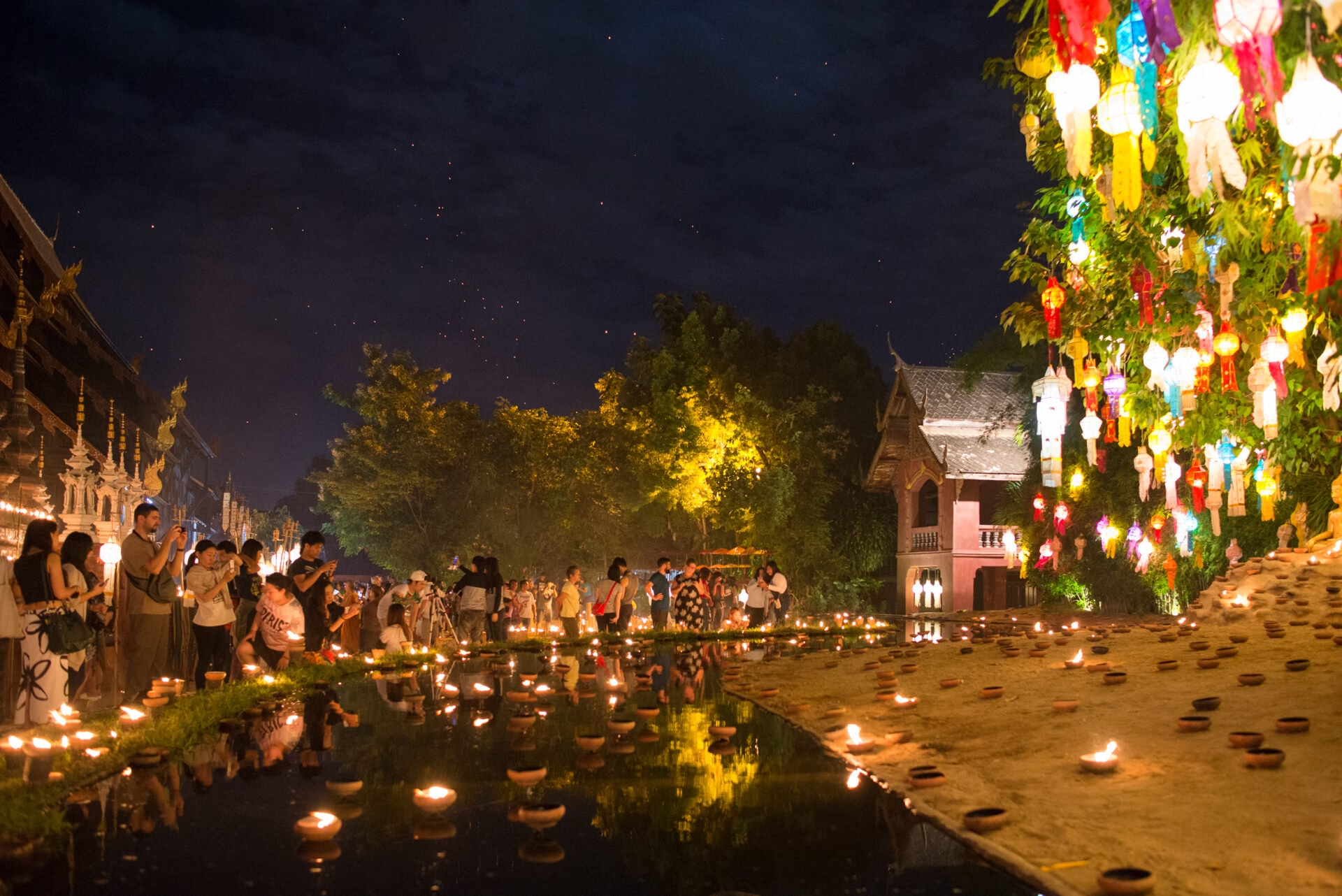
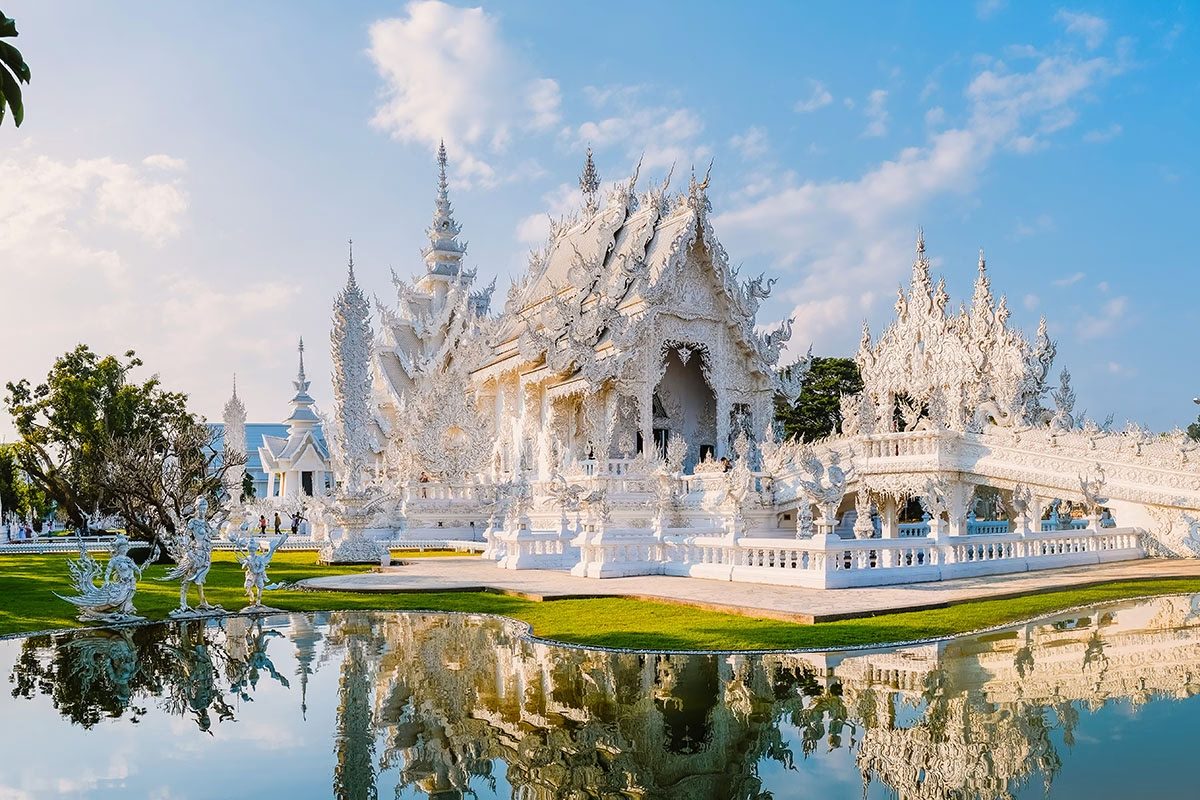
The mountains, the people, the remote ethnic villages and the food have something you simply won’t find anywhere else in Thailand. As a digital nomad, I also have a soft spot for my winter home — the city of Chiang Mai.
Find loads of tips in the practical guide to travelling in northern Thailand
Chiang Mai — The Northern Capital, Full of Life
Chiang Mai is Thailand’s second-largest city, but in atmosphere it feels more like an oversized village. The old city is encircled by a moat and the remains of ancient walls, dotted with dozens of temples, night markets, a coffee shop on every corner and surrounding mountains visible from any taller building.
The city itself has plenty to explore — from the hilltop temple Wat Phra That Doi Suthep above the city to the Sunday Night Walking Street market and outstanding coffee in dozens of modern cafés.
But Chiang Mai is above all an excellent base for day trips into the surrounding area, including to Thailand’s highest peak, Doi Inthanon.

Related guide: 27 places and tips: what to see and do in Chiang Mai and surroundings
Chiang Rai and the Golden Triangle
Chiang Rai lies even further north than Chiang Mai and offers a different, more laid-back perspective on the north. It’s a smaller city with a slower pace and fantastic food — this is where I had what was probably the best street food of my entire time in Thailand.

Most importantly, it’s the main jumping-off point for trips into the mountains on the borders of Laos and Myanmar, and to the famous Golden Triangle.
Related guide: Chiang Rai: White Temple, ethnic villages, mountains and the Golden Triangle
Pai — Hippies, Motorbikes and Mountain Scenery
Pai is a small mountain town between Chiang Mai and Mae Hong Son. Once a quiet village, it’s now a popular stop on the backpacker trail — yet it still retains a relaxed, slightly sleepy atmosphere that draws travellers from all over the world.
Ride a scooter to the waterfalls, watch the sunset from the Pai Canyon viewpoint, sample the local barbecue and sweets at the night market, or stop in at the hot springs.
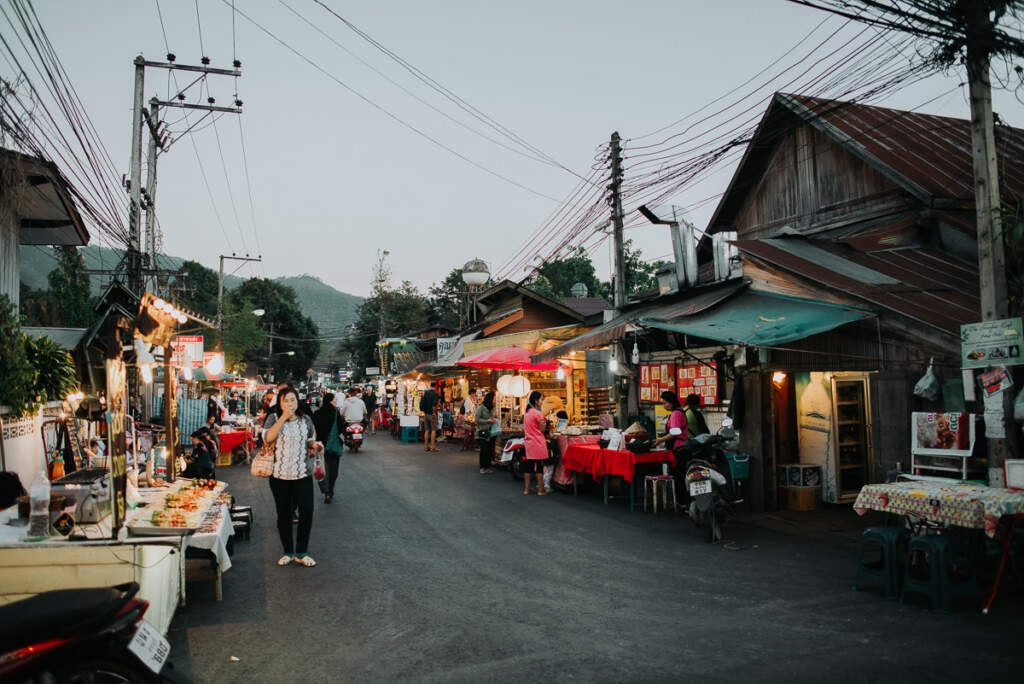
Related guide: Pai — what to see, do and how to get there
Mae Hong Son Loop — One of the World’s Best Motorbike Routes?
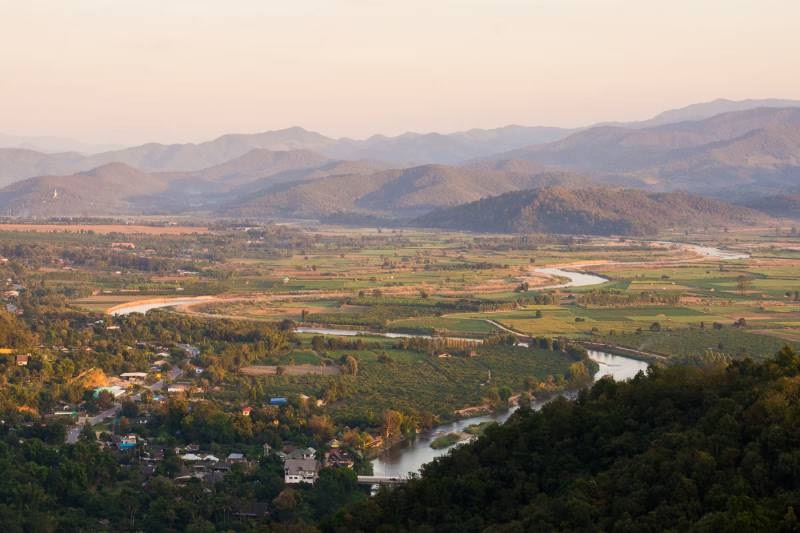
For those who want to get to know northern Thailand properly, the Mae Hong Son Loop is the ideal place to start. The circuit covers roughly 600 kilometres, winding from Chiang Mai through Pai to Mae Hong Son and back via Mae Sariang, with a stop at Thailand’s highest mountain, Doi Inthanon. The road threads through mountains, passes villages of ethnic minorities, rice terraces and places most tourists never reach.
Ideally, allow 3–6 days and do it on a hired scooter or, better yet, a proper motorbike. Just be warned — it’s a fairly demanding route and I wouldn’t recommend it as your first outing if you’ve never ridden a scooter before.
Read more about motorbike travel in the dedicated article — because once you try it in Thailand, you won’t want to stop: Best scenic roads for motorbikes in northern Thailand — tips for riding a two-wheeled paradise.

If you’d like to explore the Thai mountains without riding a motorbike, you can still get to the town of Mae Hong Son by public transport — it makes a brilliant base for further exploration.
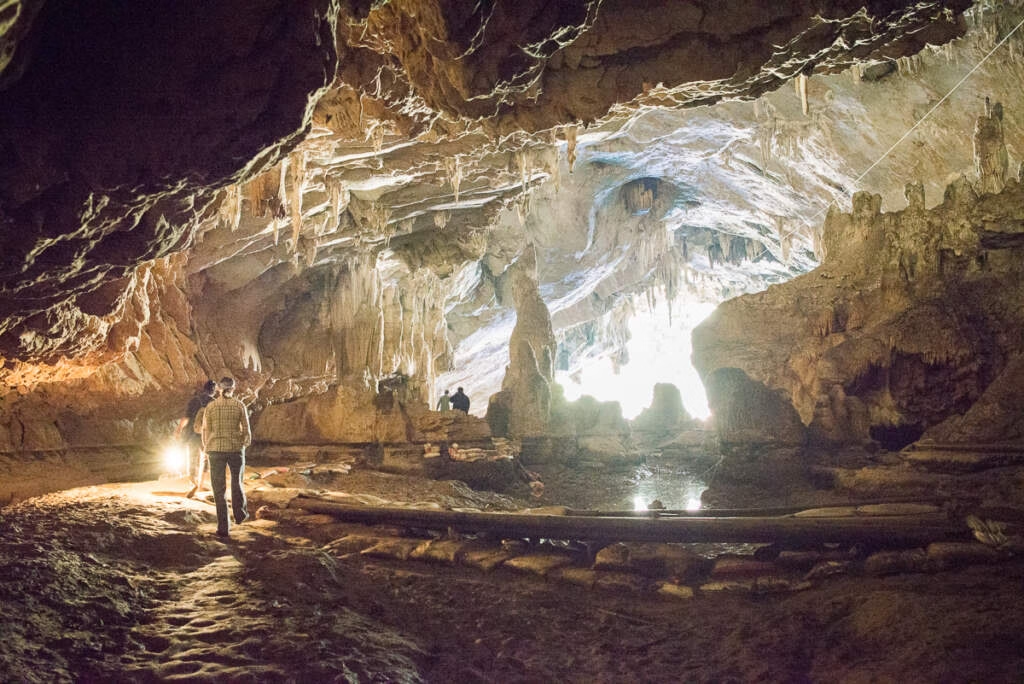
From there, make sure to visit the vast Nam Lod stalactite cave complex. After that, most other caves you’ve seen will feel rather small and uneventful by comparison.
How to Plan Your Thailand Trip — Practical Advice
Thailand can be travelled in a thousand different ways. Some people spend a whole month on a single island; others cover half the country in two weeks. Both approaches can work — it all depends on what you want from the trip.
If you have a week to ten days, stick to one region. Factor in jet lag, which can knock you flat for the first couple of days. Definitely don’t combine the north and the south on a trip this short.
With two weeks you can start mixing regions — a week in the north and a week at the beach, for example, or ten days on the islands and a weekend in Bangkok.
With a month or more, you have the space to really get to know Thailand. You can afford to slow down, stay longer in each place and discover the less obvious corners.
Getting Between Regions
Thailand has a dense network of domestic flights that dramatically cut travel times. Flights between Bangkok and Chiang Mai, Phuket or Krabi frequently cost between 800–2,000 THB one way and take around an hour. That’s far better than eight to twelve hours on a bus.
A slower but cheaper and less stressful option is the overnight train, particularly on the Bangkok–Chiang Mai route.
Don’t be put off by long-distance buses either — their quality is generally very good. Overnight VIP buses have comfortable reclining seats and plenty of legroom. Just remember how large Thailand is when you’re planning your itinerary.
Everything about getting around Thailand is covered in great detail in our practical guide.
When to Visit Thailand
- November to February is the best time to visit the whole country. Expect sunshine, pleasant temperatures and minimal rainfall.
- March to May is hot in Thailand — sometimes uncomfortably so. At the beach, though, it may not matter.
- June to October is monsoon season. In summer you can head to the Gulf of Thailand islands or the north, where it rains but mainly in short tropical afternoon showers. The landscape is stunningly green and the country is nearly tourist-free.
Related Articles:
- THAILAND: a detailed practical guide for independent travel
- Practical guide to Northern Thailand
- Phuket guide
- Chiang Mai and surroundings guide
- Chiang Rai and surroundings guide
- Pai guide
- Mae Hong Son guide
- Ayutthaya guide
Discover More of Thailand
Planning more of your Thailand trip? Browse our other in-depth guides:
Overview & Planning
Northern Thailand
- Northern Thailand Travel Guide
- Chiang Mai: Things to Do
- Chiang Rai Travel Guide
- Pai, Thailand Guide
- Mae Hong Son Travel Guide
- Mae Salong Guide
- Scenic Motorcycle Routes in Northern Thailand