This post is also available in:


The most famous mountain town in northern Thailand, long a haven for hippies and a favourite stop on the backpacker trail. These days it’s lost most of that free-spirited charm — most people roll through for just a night or two, often mainly to party. Personally, I think Mae Hong Son, further into the mountains, has a much better atmosphere.
That said, I wouldn’t skip Pai — especially for what surrounds it. It makes a brilliant base for day trips, and if you’re travelling solo, it’s one of those places where you’ll easily meet like-minded people to explore with.
This article is part of a multi-part series. For general practical tips, check out the first two instalments:
- THAILAND: a detailed practical guide to independent travel
- Practical guide to NORTHERN THAILAND – transport, accommodation, food and more
For tips on individual towns, destinations and highlights, check out the dedicated guides:
Why Visit Pai
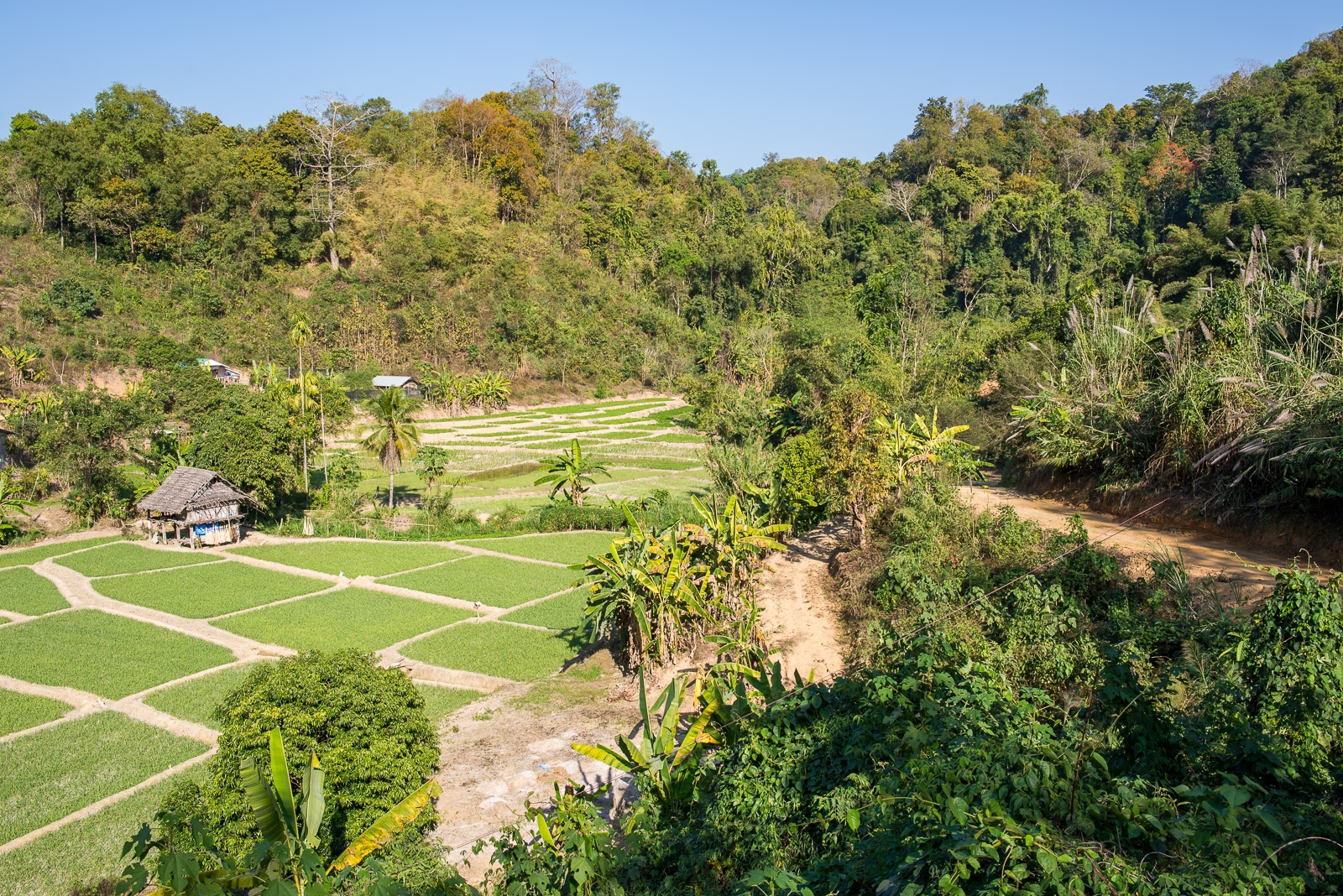
Pai is wrapped in gorgeous hills, rice paddies and forest. There’s no shortage of options for easy trekking, mountain temples, traditional villages, hot springs and all kinds of adrenaline activities. Think of it as a concentrated hit of northern Thailand.
If you’re after a proper party, the centre of Pai delivers — though we’re talking about peak season here, roughly December through February.
How to Get from Chiang Mai to Pai
I deliberately don’t list Pai as a day trip from Chiang Mai. The journey by minivan takes around three hours, and while the road itself is in good shape, it winds relentlessly up into the mountains. There are over 700 curves — so if you’re prone to motion sickness, book the front seat.
Public minivans depart roughly every hour from Chiang Mai Arcade 2 bus terminal. Alternatively, ask at your hotel reception, a travel agency, or book online via 12Go.asia for a pick-up van that’ll collect you directly from your accommodation at an agreed time.
A great option, of course, is to rent a motorbike or scooter in Chiang Mai and make your own way. For one leg of the journey, take the back road along Route 1349 from the town of Samoeng.
It looks a little tricky to find on the map, but in practice you can hardly go wrong. You’ll be rewarded with near-zero traffic and stunning views.
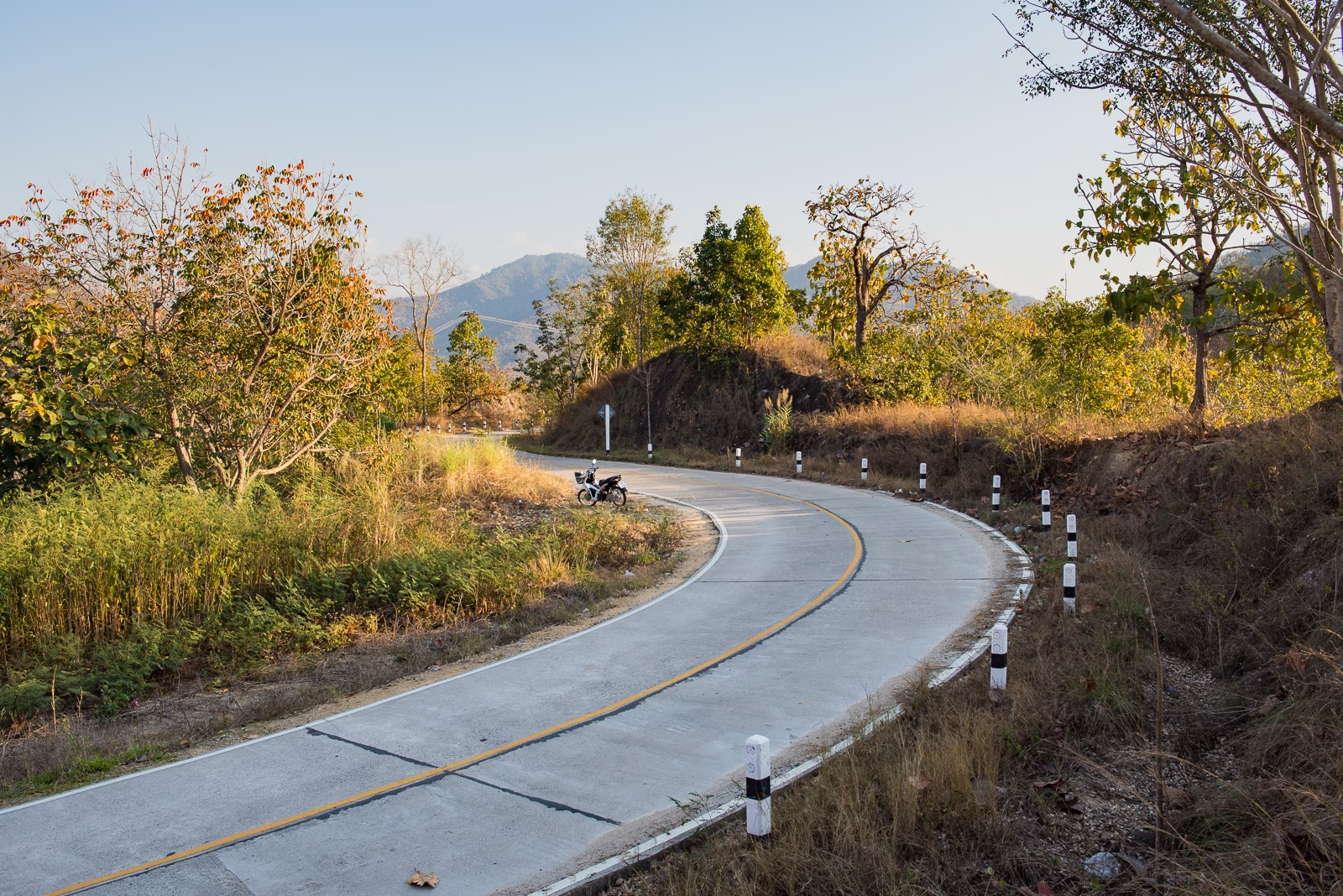
WARNING — if you’re not an experienced rider, both routes can be seriously exhausting. Think carefully before attempting it, and if you do go: ride carefully, ideally with someone else, with proper gear, and make sure you stay hydrated.
More information on riding through the region can be found in my very detailed motorbike guide to northern Thailand.
Unfortunately there are currently (2026) no flights to Pai. The regular service from Chiang Mai stopped some time before COVID, and I’d be surprised if it ever returns.
Where to Stay in Pai
Pai has a wide range of accommodation, from hostels to upmarket resorts. You can also choose from peaceful bungalows or homestays set among the surrounding rice fields and hills.
In the centre, I can personally recommend the lovely bungalows at Villa de Pai, or a little further out the minimalist villas at Monko Villa or Northland Pai, not far from Pai Canyon.
Things to Do in Pai
Rent a bicycle, e-bike or scooter and simply get pleasantly lost in the surrounding countryside. Honestly, none of the individual attractions here would make my “wow” list on their own.
You’ll find bigger waterfalls, higher mountains, deeper canyons, more famous temples and more authentic villages elsewhere in the region.
What Pai does brilliantly is pack everything into an area small enough to cover at a relaxed pace in a single day — even on a regular pushbike. As a base for longer exploration, though, Pai can easily keep you busy for several days.
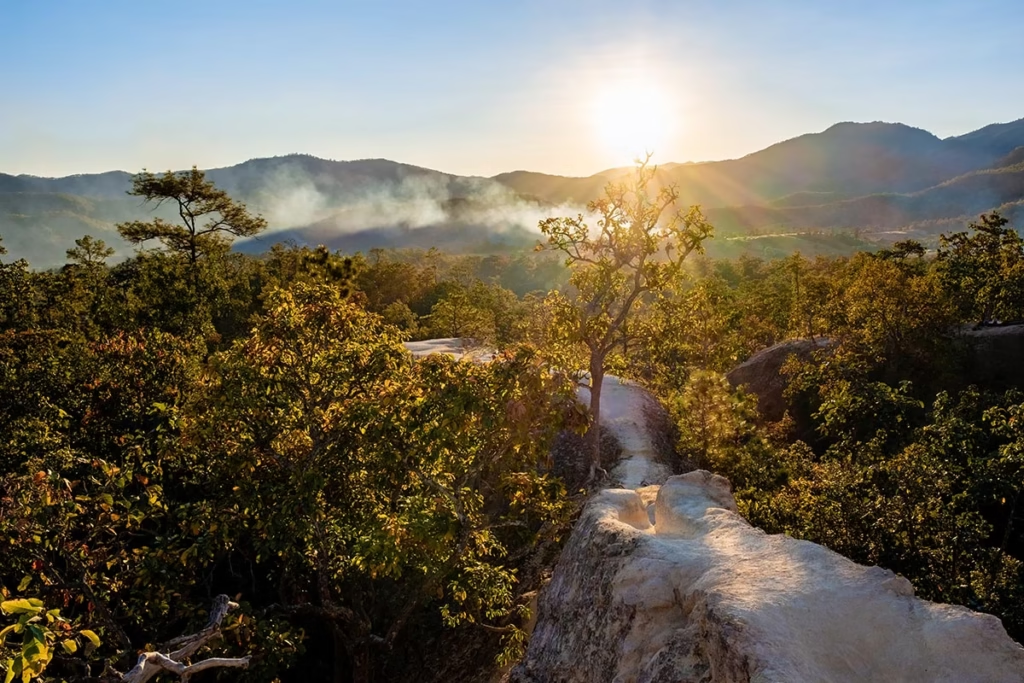
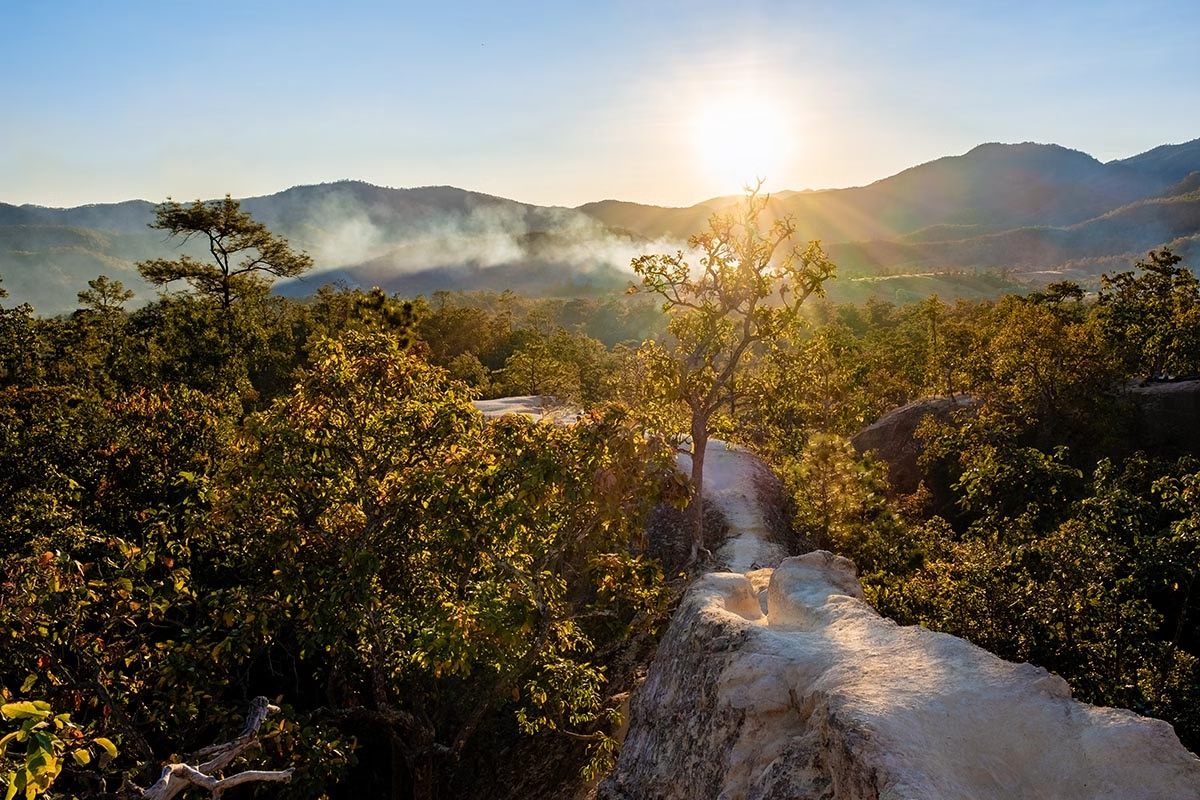
Pai Canyon (Kong Lan)
A perfect spot for a short walk or late-afternoon stroll with beautiful views over the surrounding landscape — especially at sunset.
Take care on the narrow ridgeline paths, both when walking and when posing for photos: the rock crumbles easily, and you really don’t want to slide to the bottom.
Mae Yen Waterfall
A medium-sized waterfall tucked away in the jungle. You have to walk the last stretch on foot, which means you stand a decent chance of having it all to yourself. Wear closed-toe shoes — you’ll be pushing through jungle.
Pam Bok Waterfall
A canyon with a small waterfall and a swimming hole at the end. Just be aware that between January and April it can dry to almost nothing.
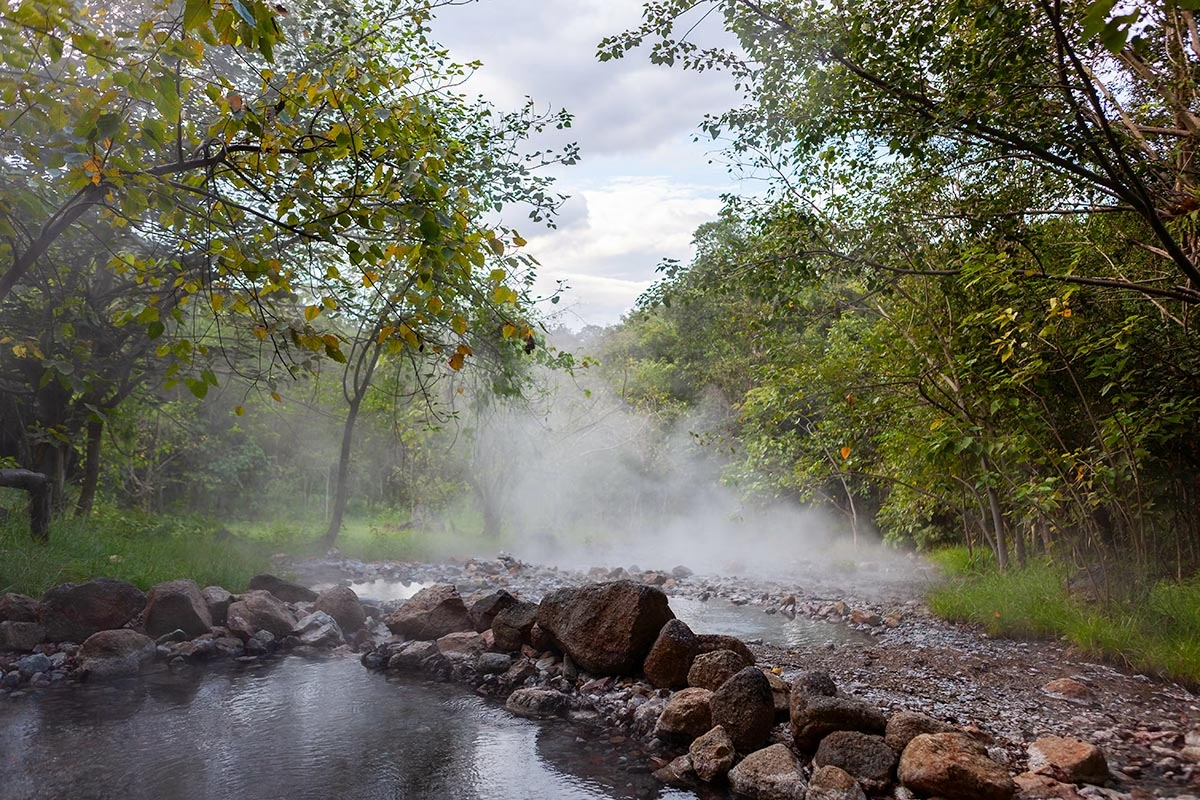
Tha Pai Hot Springs
Natural hot springs where you can bathe in warm water surrounded by beautiful scenery. Locals sell raw eggs nearby so you can hard-boil them right in the spring — a fun little ritual.
A bit further afield are the Sai Ngam Hot Springs, where warm water flows through a small stream with natural cascades that are equally great for a soak.
Santichon Village
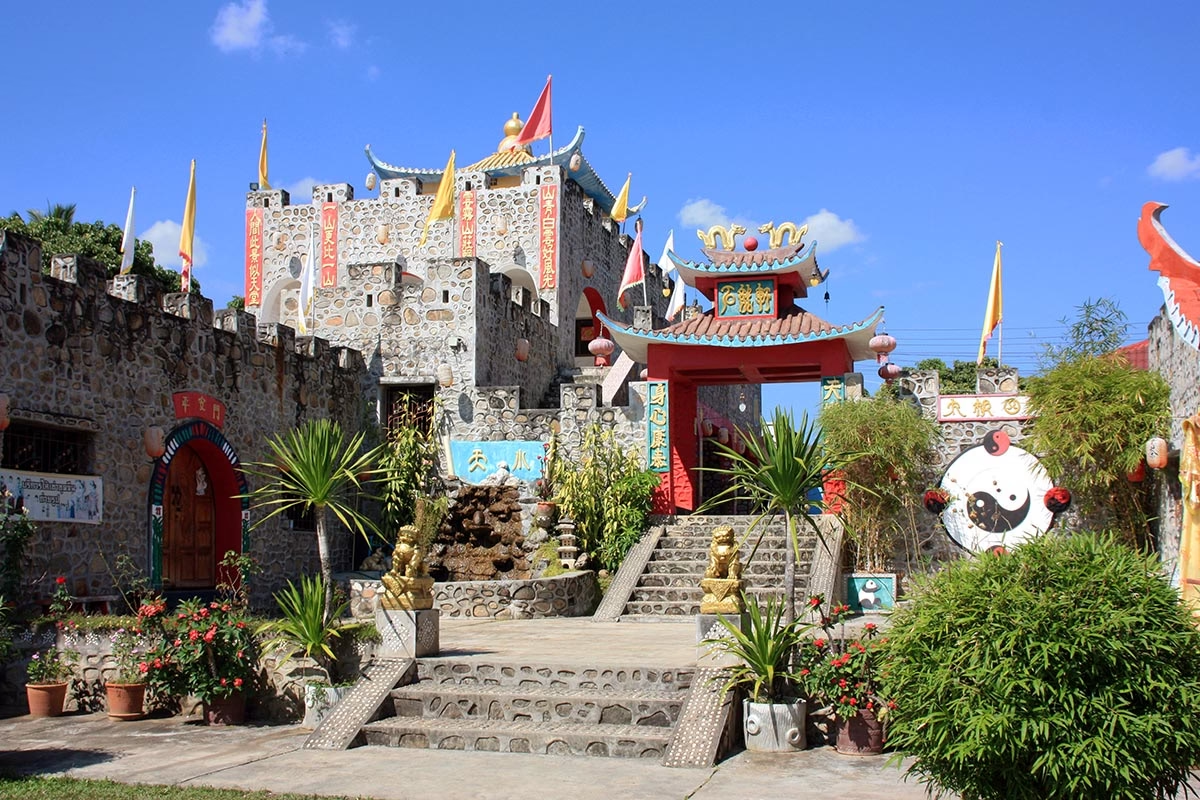
A traditional Chinese village where you can try Chinese food and learn about the history and culture of Chinese ethnic communities in northern Thailand. It’s also, in my opinion, a brilliant example of Asian kitsch at its finest.
Among other things, you can rent a “traditional” costume (of mysterious origin) and have your photo taken in front of a replica stretch of the Great Wall of China — one that the builders clearly weren’t too concerned about making look authentic. I’ll admit I have a soft spot for places like this.
Wat Phra That Mae Yen Temple
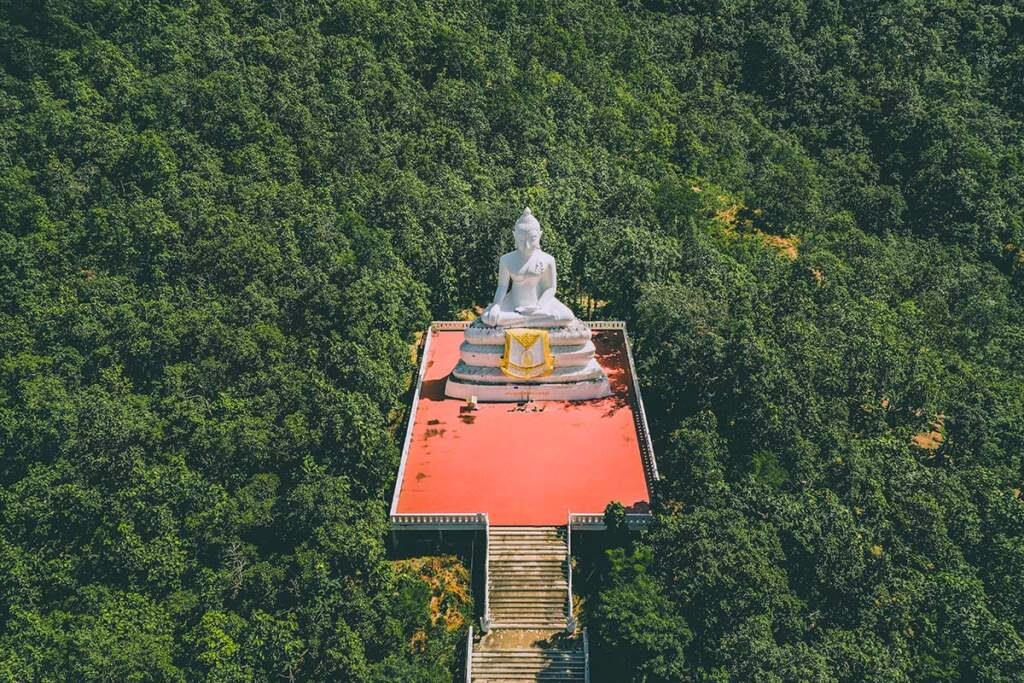
A hilltop temple above town with a large white Buddha and sweeping views over the valley. I’d recommend heading up for sunrise, when the valley below gradually emerges from the mist.
You can walk up from Pai, or do the sensible thing and ride your scooter all the way to the main gate — skipping the stairs entirely.
Kho Ku So Bamboo Bridge
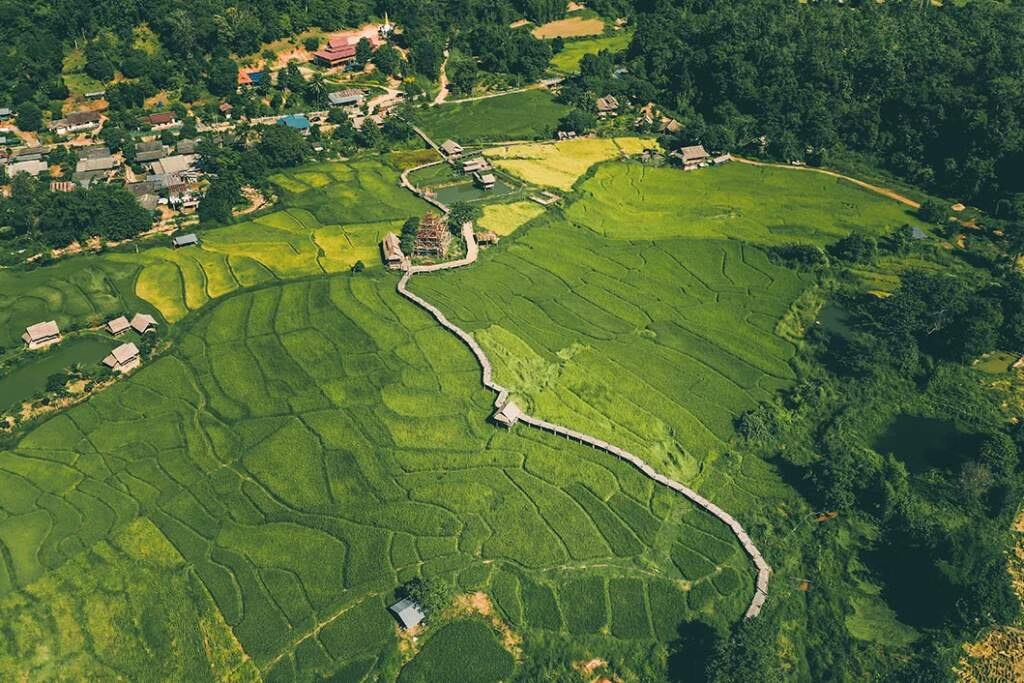
A wonderfully photogenic bamboo footbridge stretching several hundred metres across the rice paddies. Again, go early in the morning — and ideally outside peak season, since in winter the fields are dry and considerably less scenic.
Pai Night Market
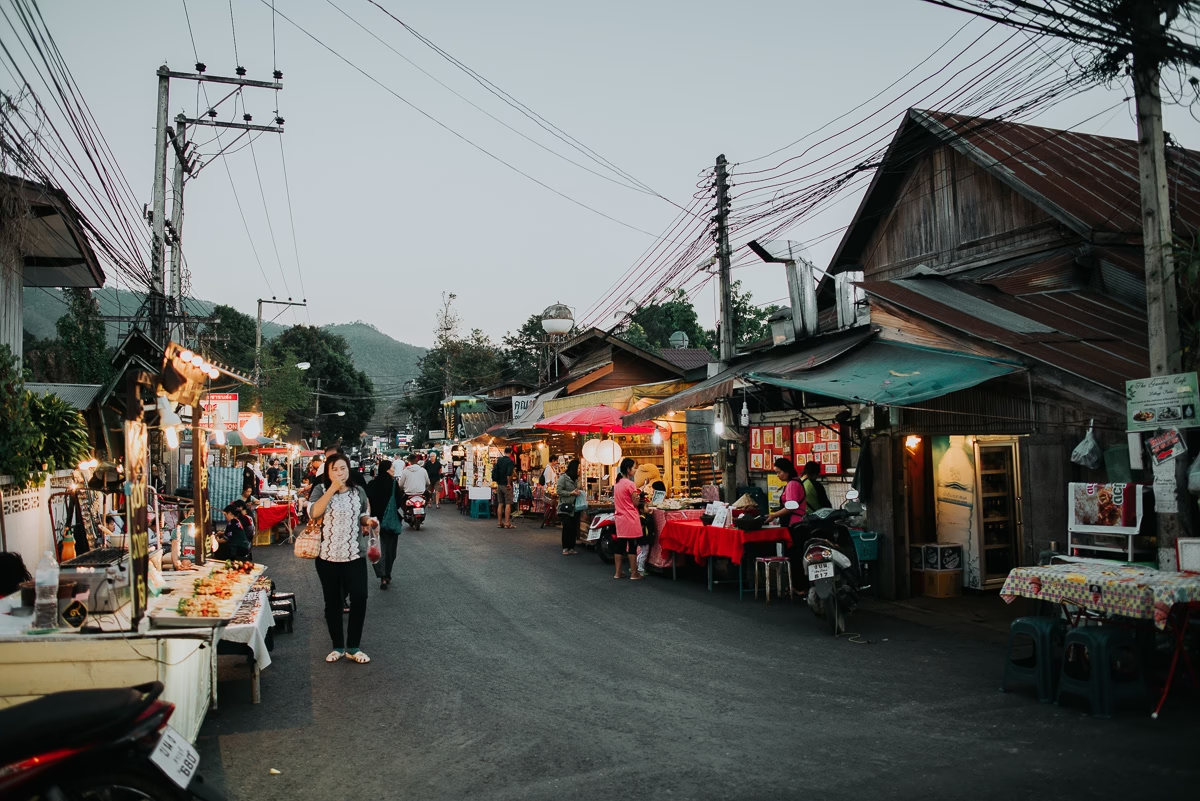
A classic night market packed with street food, local handicrafts and the usual spread of souvenirs. Grab some street barbecue, sticky rice, pick up a beer from a convenience store — and after a long day out, you’ve got yourself a pretty perfect evening.
Rafting
Head out with one of the local agencies on a one-day or multi-day rafting trip through the jungle. These can also be combined with a guided trekking excursion.
Yoga and Wellness
Plenty of people come to Pai specifically for yoga and various wellness and spiritual programmes. You’ll find several dedicated centres offering yoga classes and retreats — ideal if you’re after relaxation or a bit of inner reset. At the very least, one session of morning yoga with mountain views is an experience worth having.
Nam Lod Cave
Probably the most impressive cave I’ve ever visited — if only for the majestic main chamber with its enormous stalactites. It’s a vast karst system with several tour options. The longer route includes a ride on bamboo rafts through an underground lake and river.
Be prepared for thousands of bats and flying foxes that call the cave home. A hat, long sleeves and closed-toe shoes are strongly recommended — unless you fancy scrubbing their droppings from your hair or feet after an unfortunate encounter.
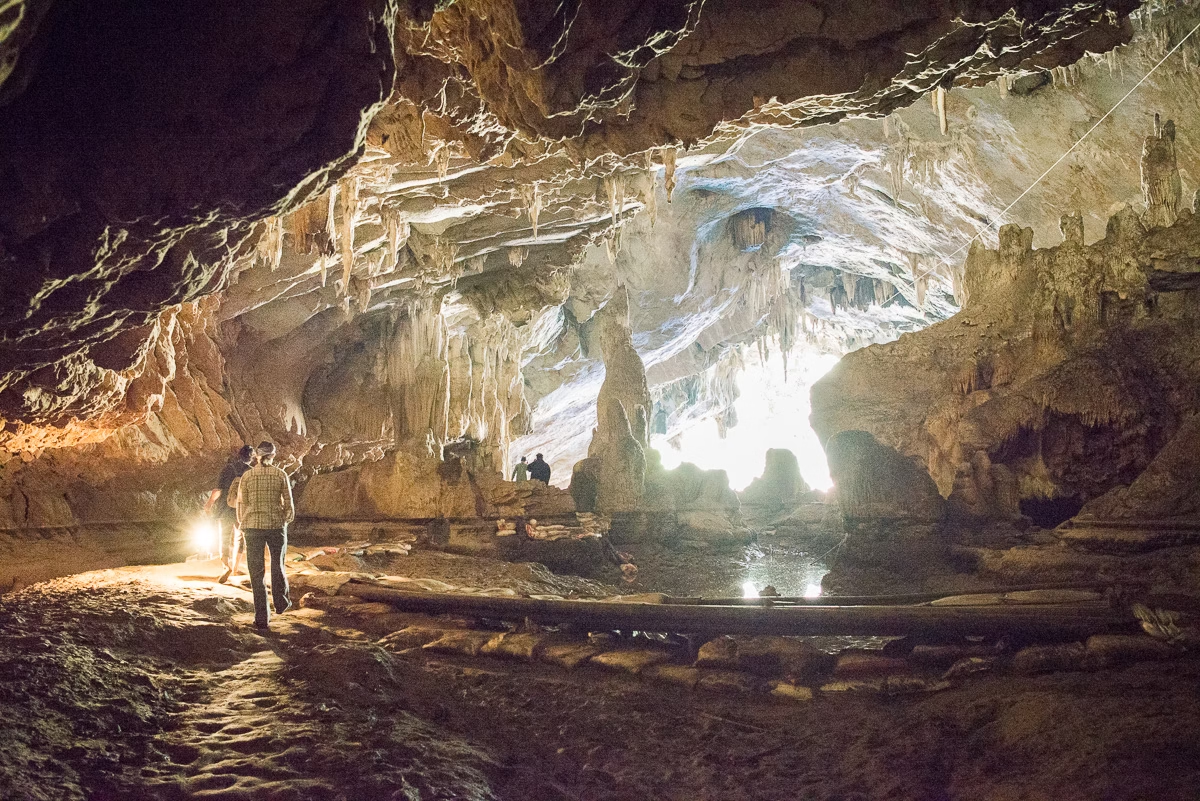
At dusk, the bats and flying foxes pour out of the main entrance by the hundreds — it’s a genuinely otherworldly sight.
The cave is over an hour from Pai, along a road with yet more hundreds of curves. That’s why I haven’t listed it among Pai’s standard attractions. And one more thing: if you’re planning to continue to Mae Hong Son, the cave makes a perfect stop just a short detour off the main road.
Huai Nam Dang National Park
On the road between Chiang Mai and Pai, you can’t miss the turn-off for Huai Nam Dang mountain national park. The Doi Kiew Lom viewpoint alone is worth a stop — ideally in the morning when a temperature inversion fills the valleys with cloud. You can also stay overnight at the well-equipped campsite and set out on a longer hike along one of the dirt tracks through the park.
Where to Go Next in Northern Thailand?
Thinking of spending more time in the region? Great choice.
We’re gradually putting together detailed guides for more destinations across northern Thailand — including some stunning spots that mainstream tourism hasn’t quite discovered yet.
- Chiang Mai and surroundings
- Chiang Rai
- Mae Hong Son
- More day trips in northern Thailand
Looking for more practical travel tips for independent travel in Thailand? Everything you need is covered in these two articles:
- THAILAND: a detailed practical guide to independent travel
- Practical guide to NORTHERN THAILAND – transport, accommodation, food and more
Discover More of Thailand
Planning more of your Thailand trip? Browse our other in-depth guides:
Overview & Planning
Northern Thailand
- Northern Thailand Travel Guide
- Chiang Mai: Things to Do
- Chiang Rai Travel Guide
- Mae Hong Son Travel Guide
- Mae Salong Guide
- Scenic Motorcycle Routes in Northern Thailand