This post is also available in:


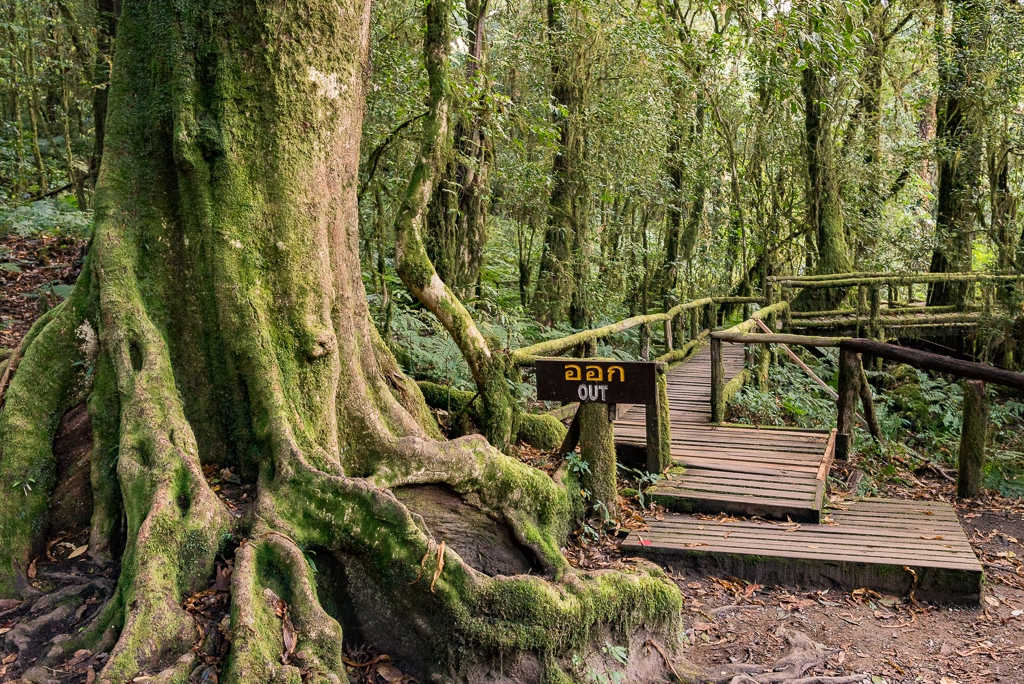
Northern Thailand travel rewards you like few other destinations on earth. While most visitors picture southern beaches, Bangkok, or Chiang Mai, the north delivers something entirely different: vast mountain ranges, ancient temples, steaming jungle, and some of the most exciting street food you’ll ever eat.
I’ve spent more than a year here in total, covering over 20,000 kilometres by motorbike — from highways to muddy jungle tracks — and I’m still not done exploring.
This article is part of a multi-part series. For general practical tips covering all of Thailand, see the first instalment: Thailand: a detailed practical guide to independent travel.
For tips on specific cities, destinations and highlights, head to the dedicated guides:
If you’re travelling Thailand independently, make sure you leave plenty of time for the north of the country. Plenty of time.
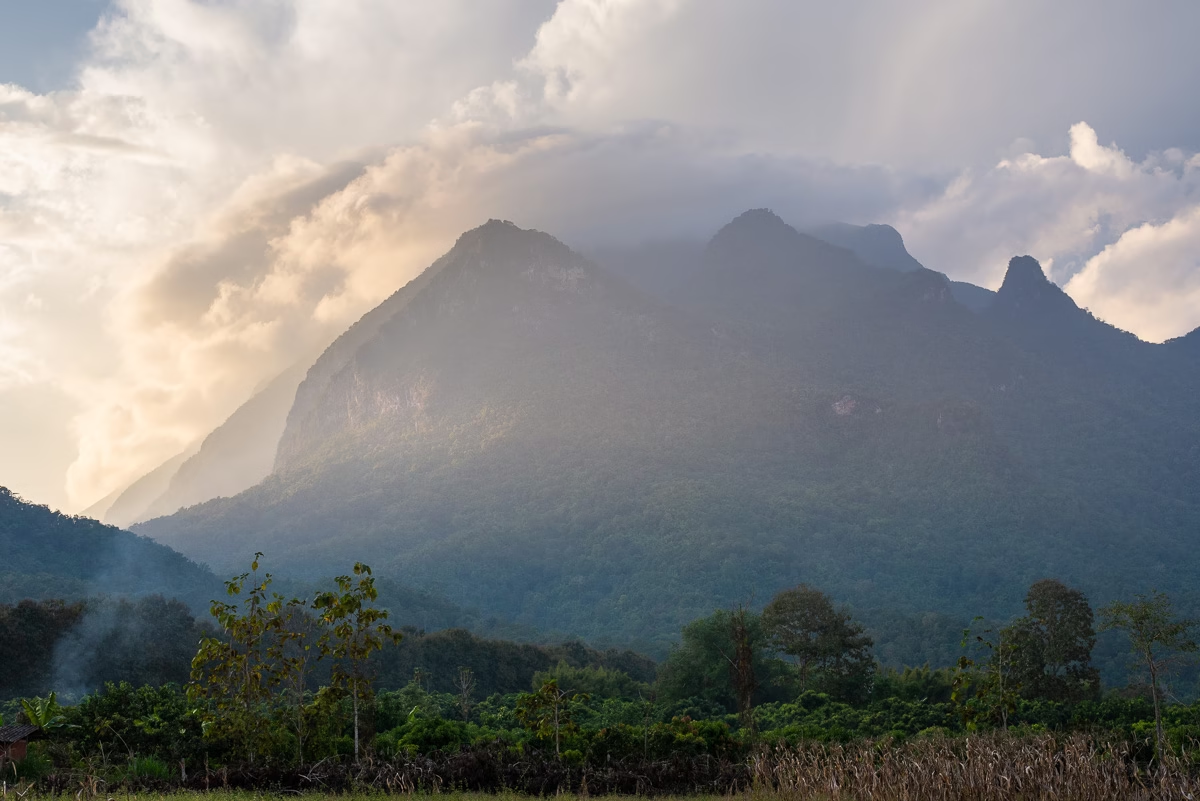
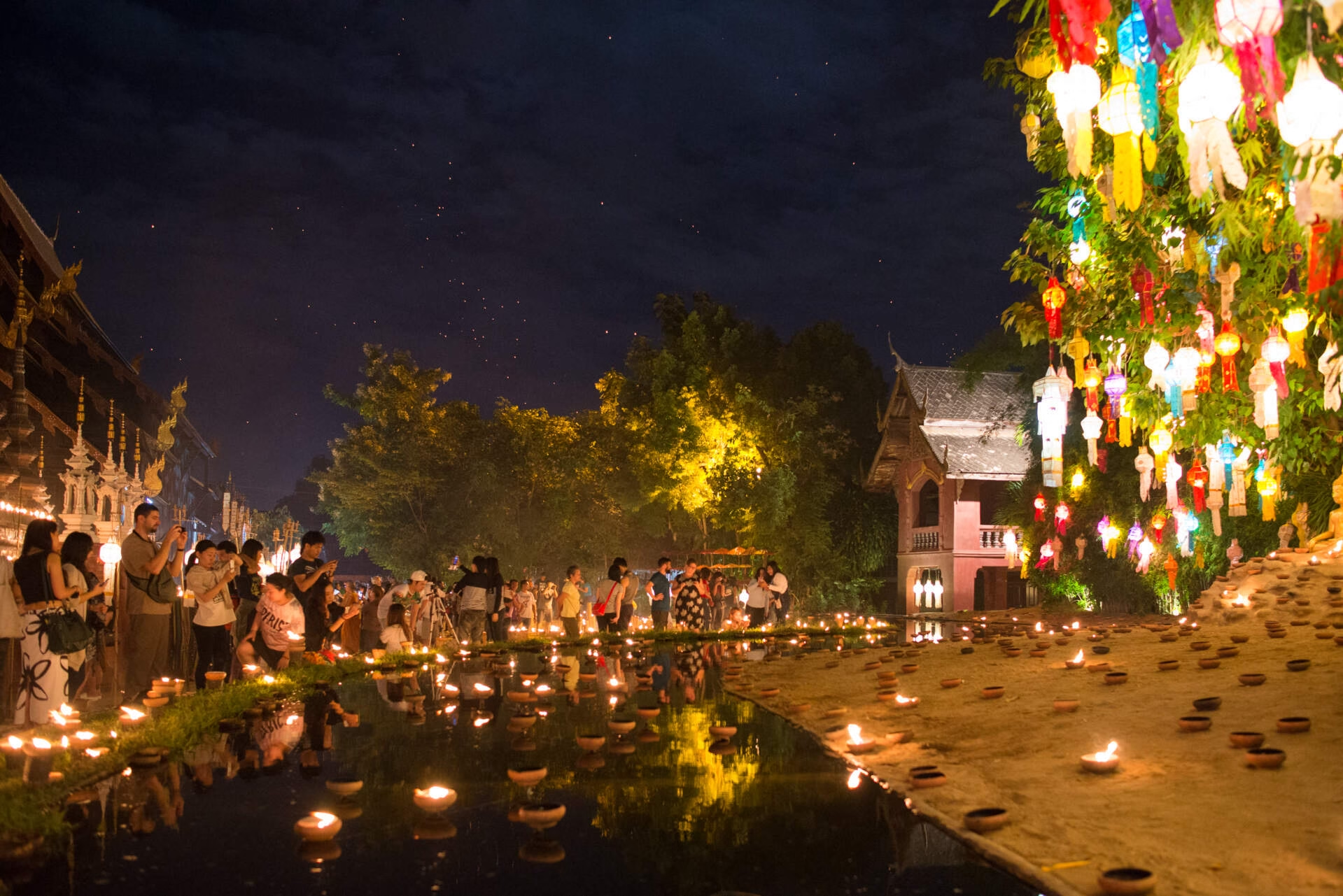
In total I’ve spent more than a year in Thailand, most of it in the north. I’ve ridden over 20,000 kilometres by motorbike — from highways to waterlogged jungle tracks. I’ve watched unforgettable sunsets from mountain summits, explored enormous caves, photographed life in remote ethnic villages, slept in national park campsites, chatted with monks, boiled eggs in hot springs, drunk a lot of very good coffee, and experienced more than a few wild parties with locals.
And I still haven’t seen everything I want to.
In this article you’ll find practical experience and insider tips specifically for northern Thailand. The individual destination guides then go deep on places to visit and experiences not to miss.
Why Visit Northern Thailand
There are countless reasons to head north. Almost everyone finds something to love here — the only thing missing is the sea. Here’s what to look forward to:
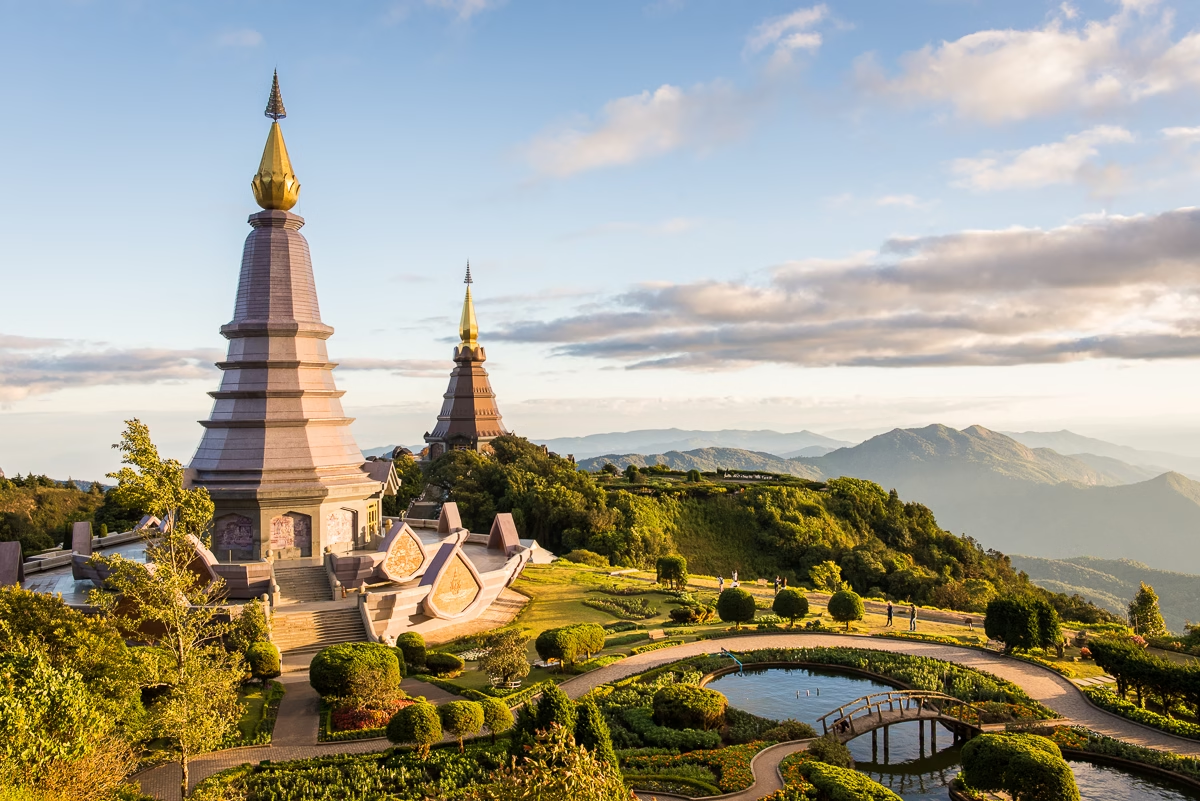
- Sweeping mountain ranges with peaks above 2,500 metres,
- around 60 national parks, mostly tropical jungle or seasonal tropical forest,
- hundreds of waterfalls — the largest cascades down more than 250 metres,
- a unique culture and history, very different from southern Thailand,
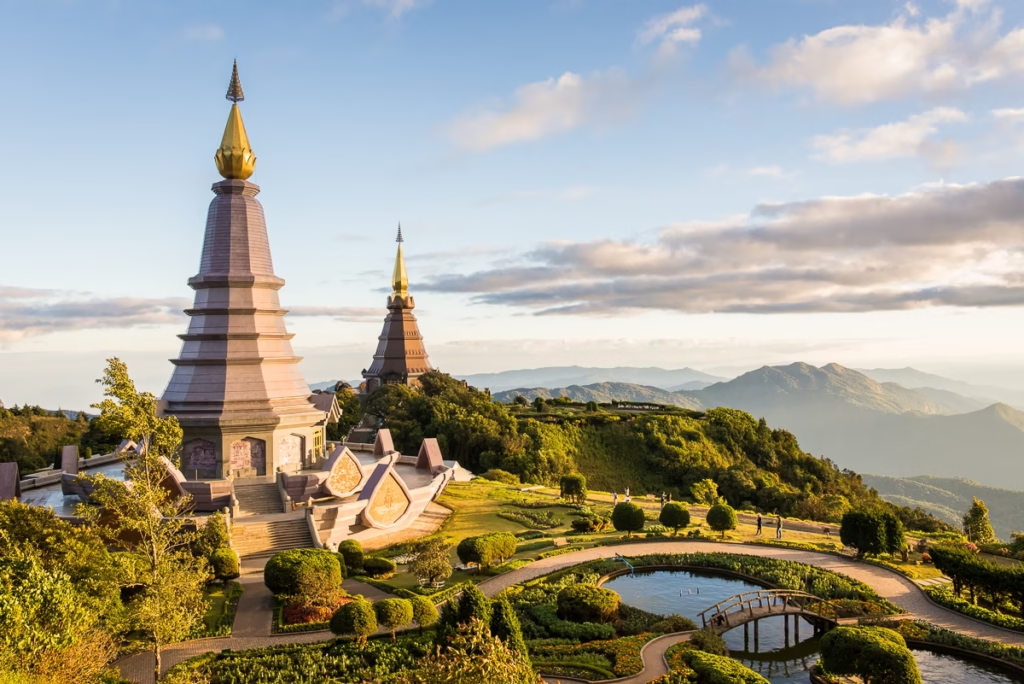
- countless temples, many several hundred years old,
- food you’ll fall in love with,
- exceptionally warm and friendly people,
- hot springs,
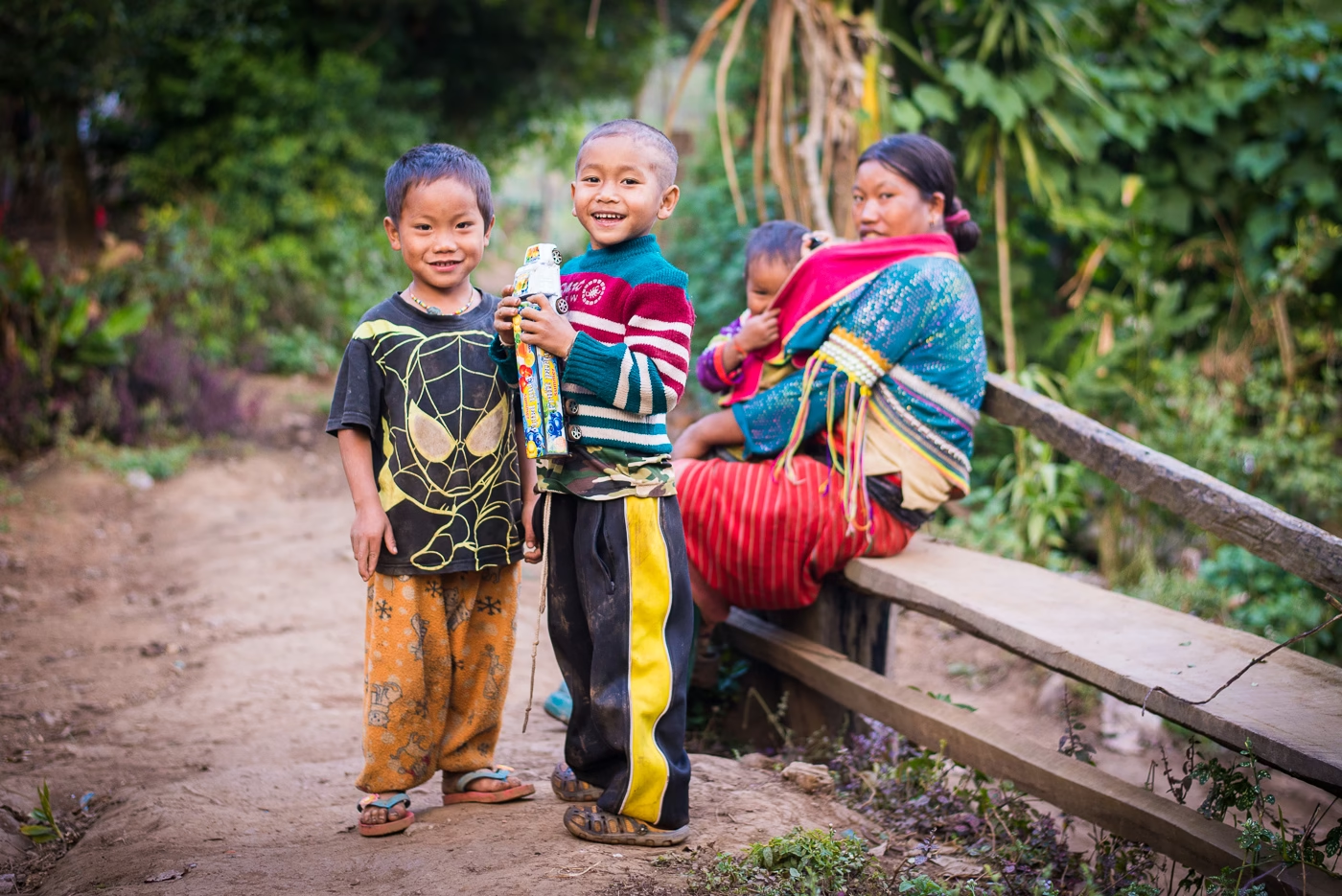
- villages of various ethnic minorities, including Akha, Hmong, Karen and Lisu.
Thailand Travel Tips for the North
Everything you need to know about travelling Thailand independently is covered in the first part of this guide. Here I’m sharing only tips that are specific to the north and to Chiang Mai.
When to Visit Northern Thailand
The best season runs from November through to roughly mid-March. Expect pleasant temperatures of 22–28°C most of the time, with the occasional shower to freshen the air. By February there’s almost no rain at all, though the landscape is at its driest and least green.
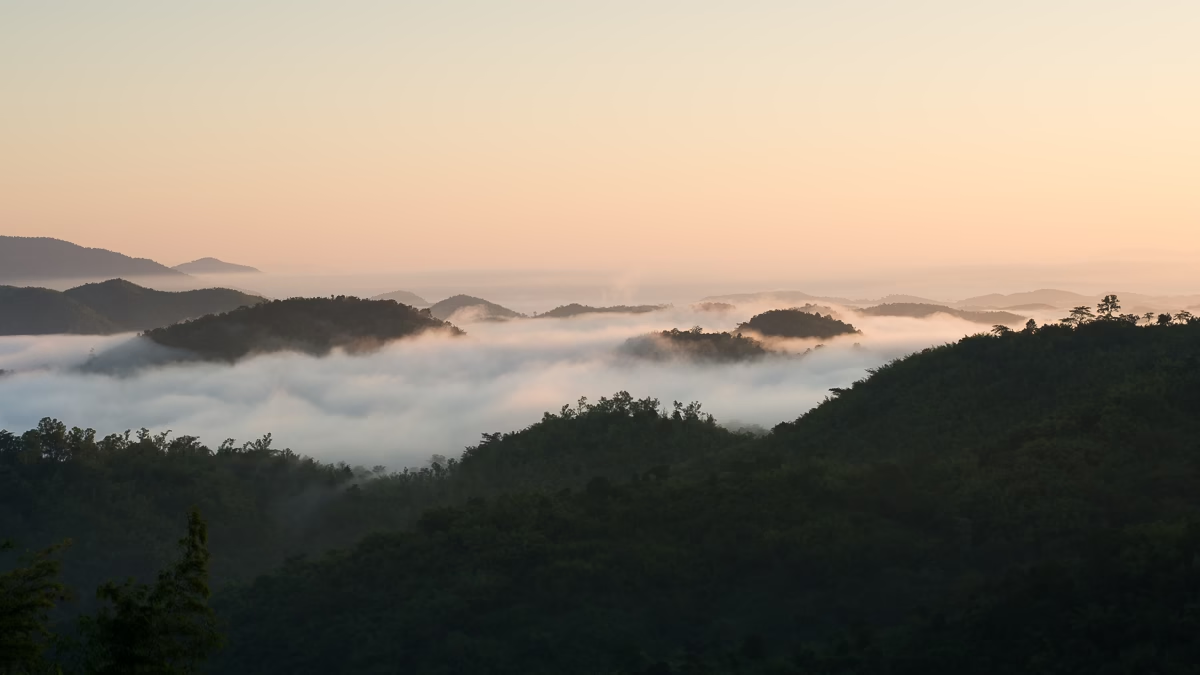
One thing to watch: the weather in Chiang Mai and up in the mountains can differ enormously. Chiang Mai can drop to around ten degrees on a winter night, but I’ve experienced five degrees during the day in the mountains. Pack warm layers.
Somewhere in the first half of March, temperatures start climbing to a less comfortable 30–35°C, and neighbouring Myanmar begins its burning season — farmers setting fields alight. The smoke drifts into Thailand and the air becomes genuinely unpleasant and unhealthy to breathe. Some years are worse than others. Burning season can occasionally start as early as late February.
April and May are extremely hot and I wouldn’t recommend visiting then. Consider Vietnam instead — the weather there is close to ideal at that time of year.
From roughly mid-May the rains return and temperatures ease slightly. August and September see the heaviest rainfall. Expect proper monsoon downpours lasting an hour or several hours a day — which still leaves you plenty of time to explore. The landscape is lushly green, waterfalls are at their most dramatic, and tourist numbers are minimal.
How to Get to Northern Thailand
Chiang Mai is served by a growing number of international flights, so you can fly there directly with just one connection. Options from Europe, Australia, Canada and the US include China Airlines via Taipei, Korean Air via Seoul or Singapore Airlines via Singapore.
You can also book carriers like Emirates, Quantas or Lufthansa on a single ticket that connects through Bangkok all the way to Chiang Mai or Chiang Rai, thanks to codeshare partnerships. This means a guaranteed connection, bags checked through to your final destination, and with some airlines you won’t clear Thai immigration until you land at your end destination.
From Bangkok, the two best ways north are by plane or overnight train. Comfortable long-distance coaches also serve many destinations, though journey times exceed ten hours.
From the south you can use direct domestic flights — for example Phuket to Chiang Mai or Chiang Rai, and Ko Samui or Krabi to Chiang Mai.
Flying from Bangkok to Chiang Mai
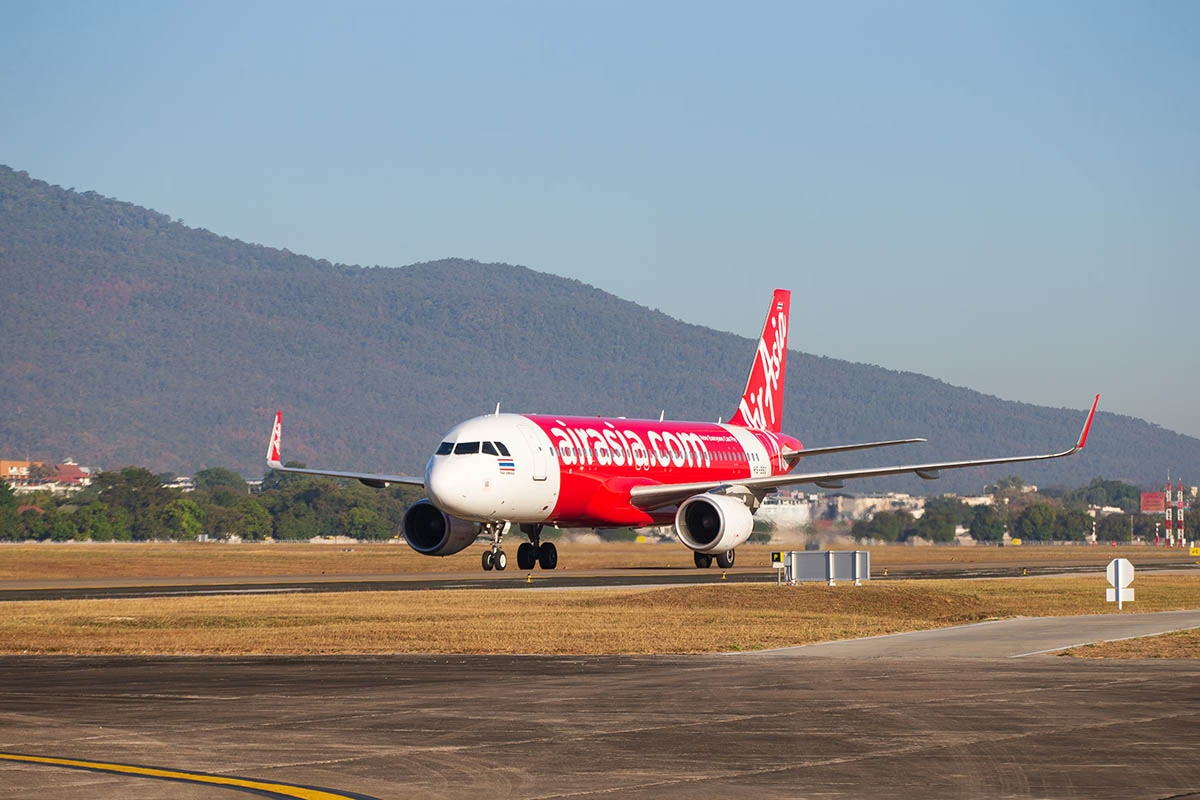
The Bangkok–Chiang Mai route is one of the busiest domestic corridors in the world. Flights operate from both Bangkok airports — Suvarnabhumi and Don Mueang. Outside of Fridays, Sundays and major holidays, finding a reasonably priced seat the day before is rarely a problem.
Several low-cost carriers serve the route. My personal picks for best value are Lion Air and Nok Air. That said, I also enjoy flying Bangkok Airways: even on this short hop you get a hot meal and access to their modest but pleasant lounge at both airports before departure.
Train from Bangkok to Chiang Mai
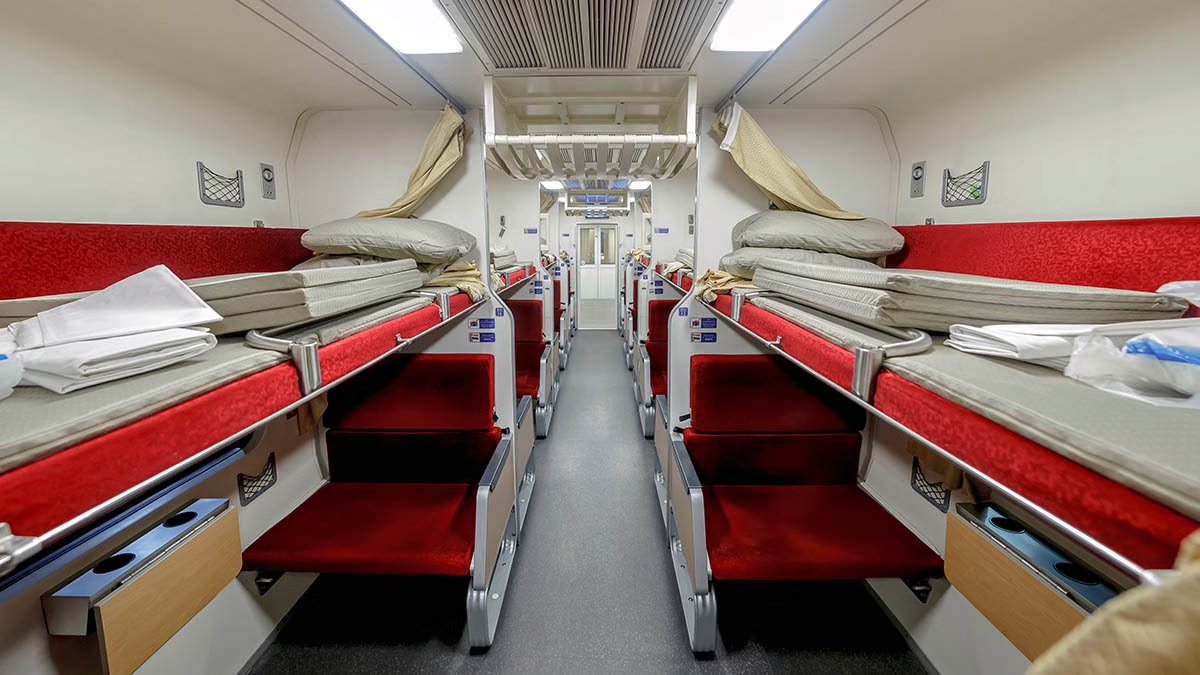
The overnight train from Bangkok to Chiang Mai is a brilliant option for slow travellers. The train is clean, air-conditioned and relatively modern, and a warm dinner is included. You’ll often find cheaper flights, but factor in a night’s accommodation and the sleeper train almost always works out less expensive overall.
The most popular overnight service, Train 9, departs Bangkok at 18:40 and arrives in Chiang Mai at 7:15 the next morning. The slightly later Train 13 departs at 20:05 and arrives at 8:40.
In the other direction, Train 14 departs Chiang Mai at 17:00 and Train 10 at 18:00, arriving in Bangkok at 6:10 and 6:50 respectively. Trains 9 and 10 have the newest carriages.
The alternative is the daytime express, which takes over 10 hours. The stretch between Phitsanulok and Chiang Mai offers beautiful mountain scenery. I personally prefer riding that route by motorbike, but the train has its own charm.
IMPORTANT — long-distance trains in Bangkok now depart from and arrive at the new Krung Thep Aphiwat Central Station.
Chiang Mai station is about a 30-minute brisk walk from the eastern gate of the old city. Unless you specifically want the tuk-tuk experience, use one of the ride-hailing apps to order a taxi. Alternatively, join one of the shared pick-up trucks — fares within the city are fixed.
Book tickets in advance, ideally online. I recommend the 12Go Asia platform. Trains fill up fast around Thai public holidays, Fridays and Sundays.
Be warned: the air-conditioning will almost certainly be running at full blast, so pack a jumper and ideally a scarf.
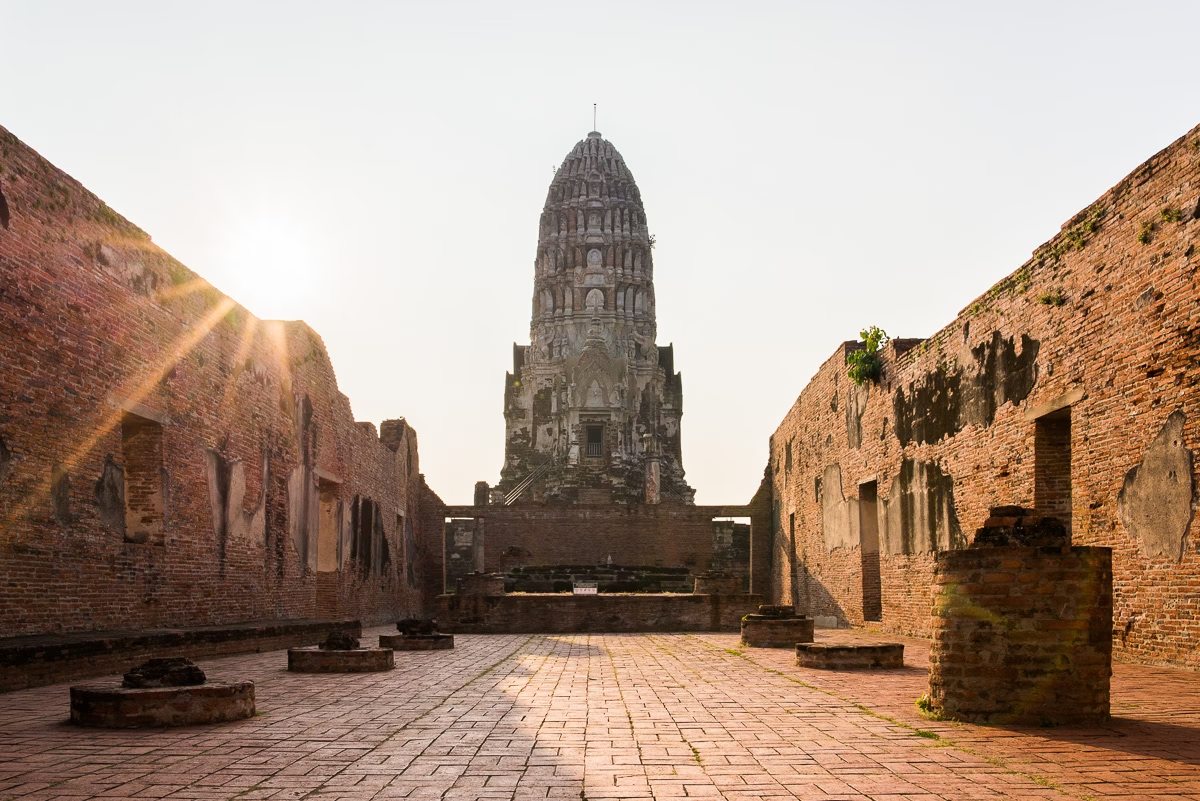
All express trains also stop at the popular historic city of Ayutthaya — about an hour from Bangkok. You can head out from Bangkok in the morning on any local train, spend the day exploring, then board the northbound overnight train in Ayutthaya. Just remember to book your sleeping berth ahead of time.
For more detail on train travel in Thailand, visit Seat 61; for specifics on the Chiang Mai overnight trains, Chiang Mai Traveller is an excellent resource.
How Long to Spend in Northern Thailand
Even a short visit to northern Thailand is worthwhile. Three full days is the absolute minimum I’d suggest, and a week is a much better baseline.
That said, you could easily stay a month — exploring, trekking, eating, and winding through endless mountain curves with stunning views at every turn.
Where to Stay in Northern Thailand
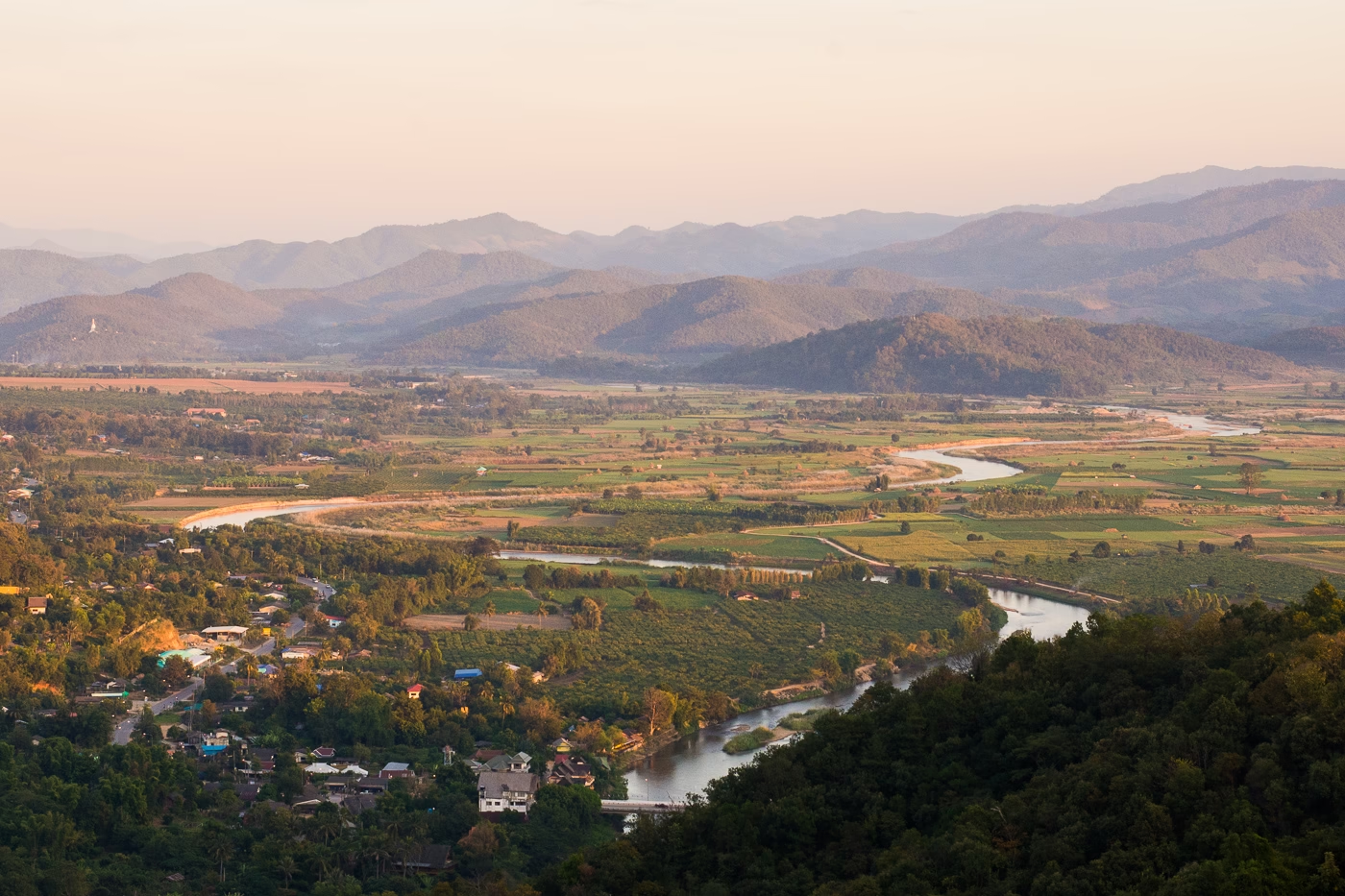
The natural base is Chiang Mai, which gives you at least a week’s worth of day trips on the doorstep, and easily more. I typically rent a room there for one to three months at a time, which brings prices down considerably — and I can always head off for five nights to explore more remote corners of the mountains.
A popular base for mountain excursions is the slightly bohemian Pai, though in recent years it has become overrun with party tourists. For a more peaceful experience I’d much rather recommend the more remote Mae Hong Son.
It’s also worth spending several nights in Chiang Rai, a pleasantly unhurried city close to the Myanmar border. From here you can visit the White Temple and the Golden Triangle, explore ethnic villages in the hills inland, take a boat trip on the Kok River, or head to the beautiful mountains along the Laos border. Chiang Rai and Mae Hong Son both have direct flights from Bangkok.
On multi-day trips I personally love to simply hop on a motorbike and find accommodation on arrival. Outside of Thai public holidays and Chinese New Year, you’ll always find a comfortable guesthouse or small hotel at a very reasonable price. Tourist infrastructure across the entire region is well developed, largely thanks to domestic visitors from Bangkok and other wealthier parts of Thailand.
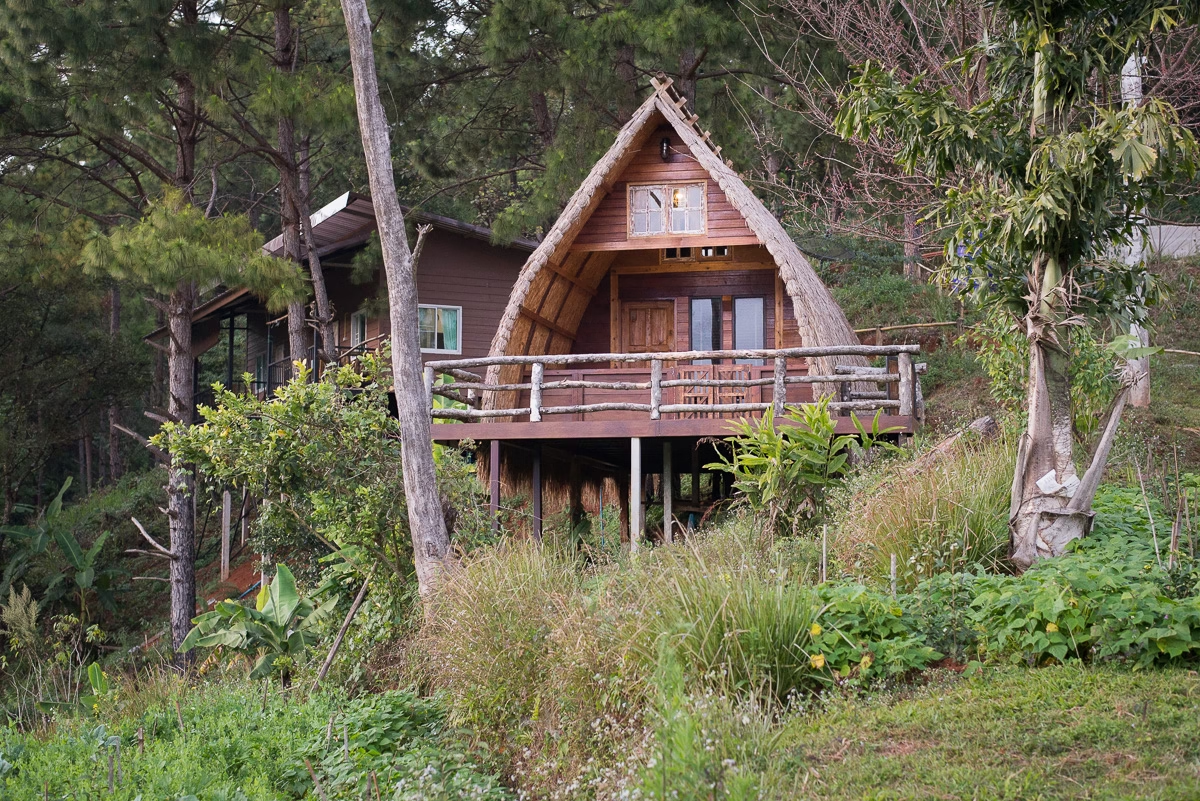
A hidden gem: campsites. You’ll find one in almost every national park. Most rent out pre-pitched tents with a mattress and bedding, so you don’t need to carry any gear. Prices are very affordable. Just search “campsite” or “campground” on Google Maps.
For a tranquil few days in the jungle, I also love farm stays and homestays, especially in ethnic minority villages — a completely different way to experience the country.
Getting Around Northern Thailand
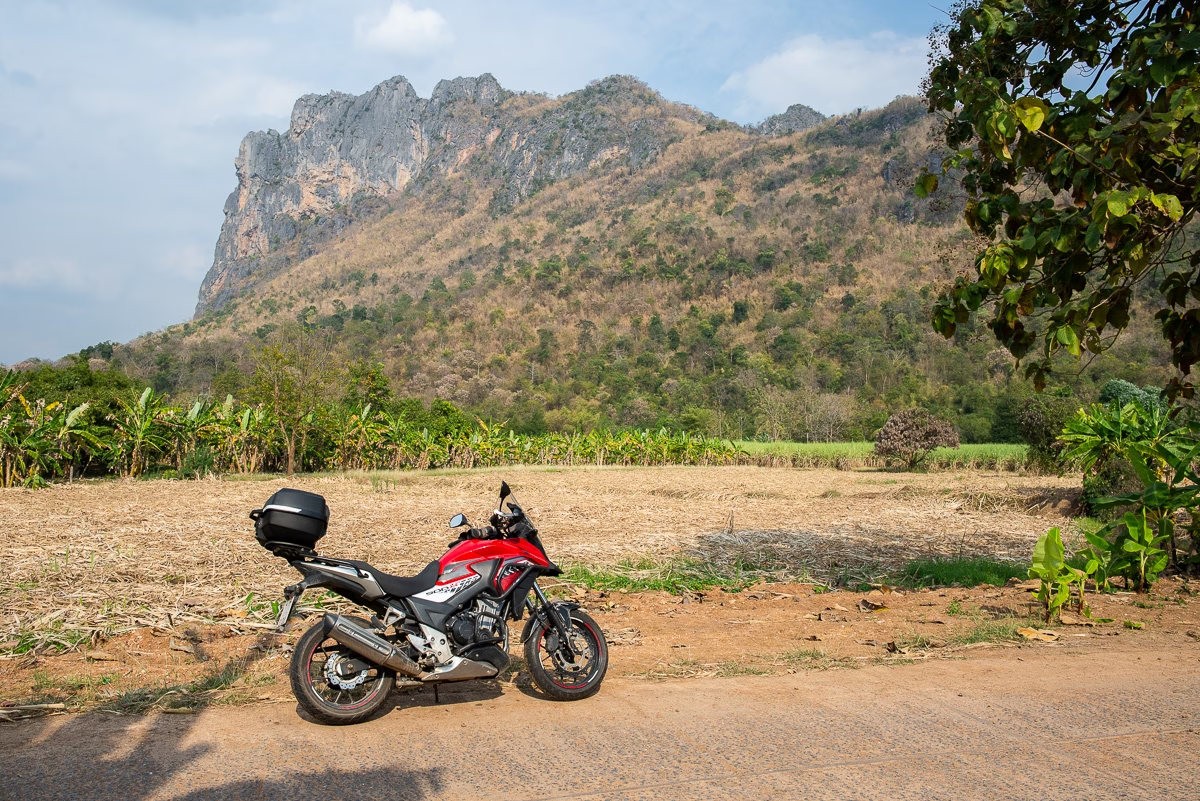
For maximum freedom and the best experiences, nothing beats a motorbike or scooter. The vast majority of places are accessible via decent tarmac roads — serious off-road riding is the exception, not the rule.
Fancy a proper motorbike adventure? Get inspired by our guide to the best scenic roads for motorcycles in northern Thailand — tips for exploring this rider’s paradise.
I’ve covered the full details on renting a motorbike or scooter in the main Thailand independent travel guide. Here’s the quick summary:
- You need an international driving permit with a motorcycle (A) category endorsement. Thai police don’t recognise the European rule that allows scooters under a car licence. Fines are thankfully small and they’ll let you keep riding, but your travel insurance could be a serious problem in the event of an accident. Tip: the staff at the licence office are often open to adding a note such as “up to 125 cc” alongside the A category stamp,
- rent a proper helmet, wear sturdy shoes, and put on long trousers plus a jacket or at least a hoodie. Getting hit by a stone flicked from a truck or an insect at 100 km/h on bare skin is not something you want to find out about. Gloves too,
- don’t ride after dark. Thai drivers, unfortunately, have a well-known tendency to drink and drive.
Travelling between towns is perfectly comfortable by bus. Long-distance coaches — like those between Chiang Mai and Chiang Rai — are clean, air-conditioned and comfortable. Local buses are sometimes none of the above, but they’re a genuinely great Asian experience. Almost all routes go through mountains, which means bends, more bends, and yet more bends. Buses are by far the cheapest option.
Faster — though often harder on the stomach — are minivans. You can book them through your hotel reception or a tourist information office; they’ll pick you up and drop you off right at your accommodation.
You can of course also rent a car. Driving is on the left, but otherwise northern Thailand roads aren’t particularly challenging. The main hazard is rush-hour traffic in Chiang Mai — best avoided in a car. A car is significantly more expensive than hiring a scooter, though.
Hitchhiking works reasonably well too. Thais don’t really have a concept of hitchhiking, but when they see a foreigner standing at the roadside they’ll usually stop, and you can take it from there. Knowing a few words of Thai and the names of towns along your route is genuinely useful.
If you’d rather not travel independently but still want to reach interesting places between destinations, there’s a huge range of guided tours available. Again, your accommodation reception or a local travel agent is the easiest place to book.
Book a Guided Tour
What to Eat: Northern Thailand Food Guide
For me, northern Thailand is one of the most exciting food destinations in the world. You won’t find Bangkok’s sheer variety, but the north more than makes up for it with outstanding street food, evening markets overflowing with dishes, cheap and brilliant canteens, and upmarket restaurants that could hold their own anywhere.
Dishes you absolutely must try:
- Khao Soi (ข้าวซอย)
- the classic northern Thai curry noodle soup, served with two types of noodles — soft braised ones and crispy fried ones. Usually made with chicken, though beef and prawn versions also appear,
- Som Tum (ส้มตำ)
- the iconic Thai green papaya salad, shredded or pounded with lime juice, fish sauce, tomatoes, peanuts and plenty of fresh chilli. It’s fantastic — refreshing and, in its authentic form, seriously spicy,
- Laab (ลาบ)
- a salad typical of northern Thailand and Laos. The base is minced meat — usually chicken or beef — with loads of herbs, lime juice and fish sauce,
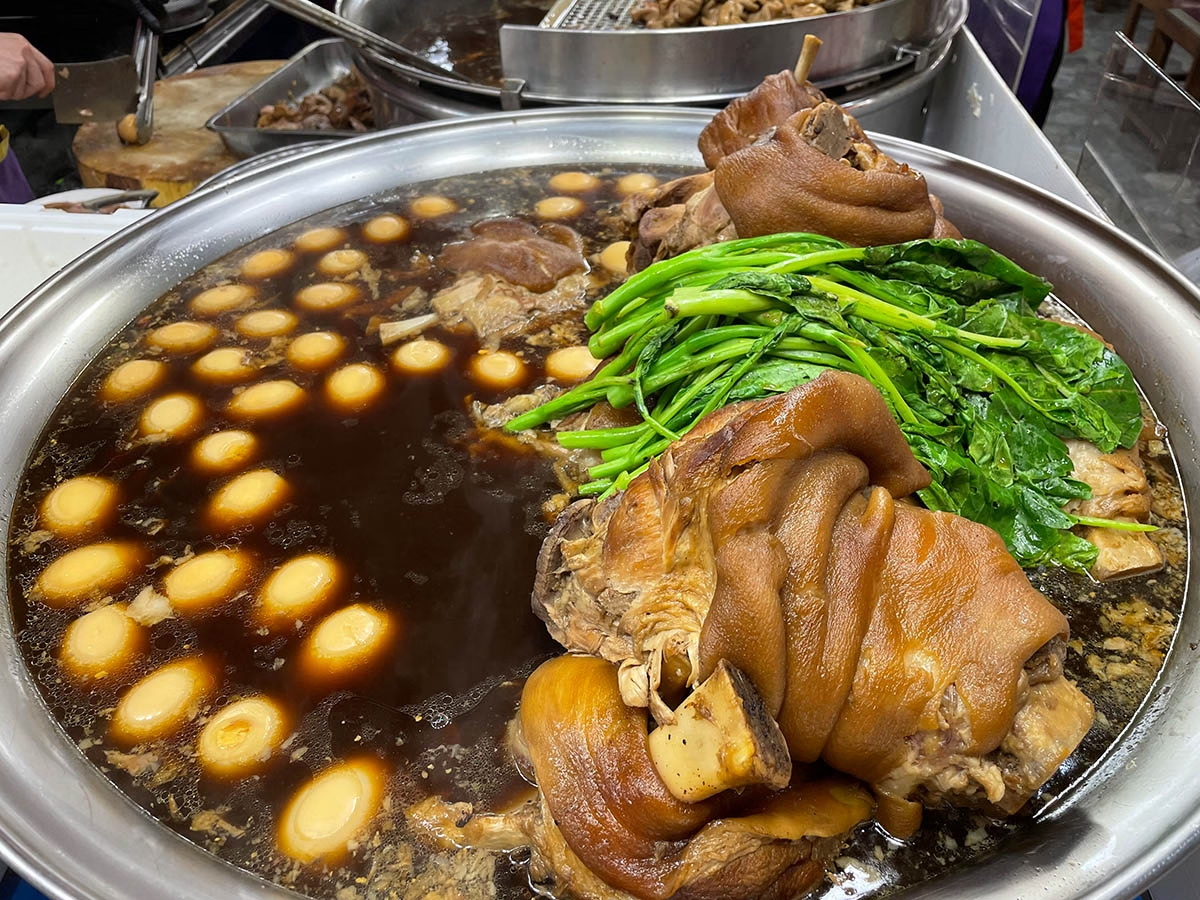
- Khao Kha Moo (ข้าวขาหมู)
- one of my personal favourites on any road trip through the north. A staple at markets and canteens: perfectly seasoned slow-braised pork (often a trotter), served with rice, sauce, a boiled egg and a little fresh or pickled veg,
- Kuaytiaw (ก๋วยเตี๋ยว)
- classic street-stall noodle soup in a rich broth. Either pork (Moo) with pork balls, or chicken (Gai) with bean sprouts and herbs. Some versions include congealed pork blood — if that’s not your thing, just point to the bowl and shake your head,
- Tom Kha Gai (ต้มข่าไก่)
- a fragrant coconut milk soup with chicken and vegetables,
- Khao Niew Mamuang — mango sticky rice (ข้าวเหนียวมะม่วง)
- Thailand’s most famous dessert: glutinous rice with fresh mango, drenched in coconut milk.
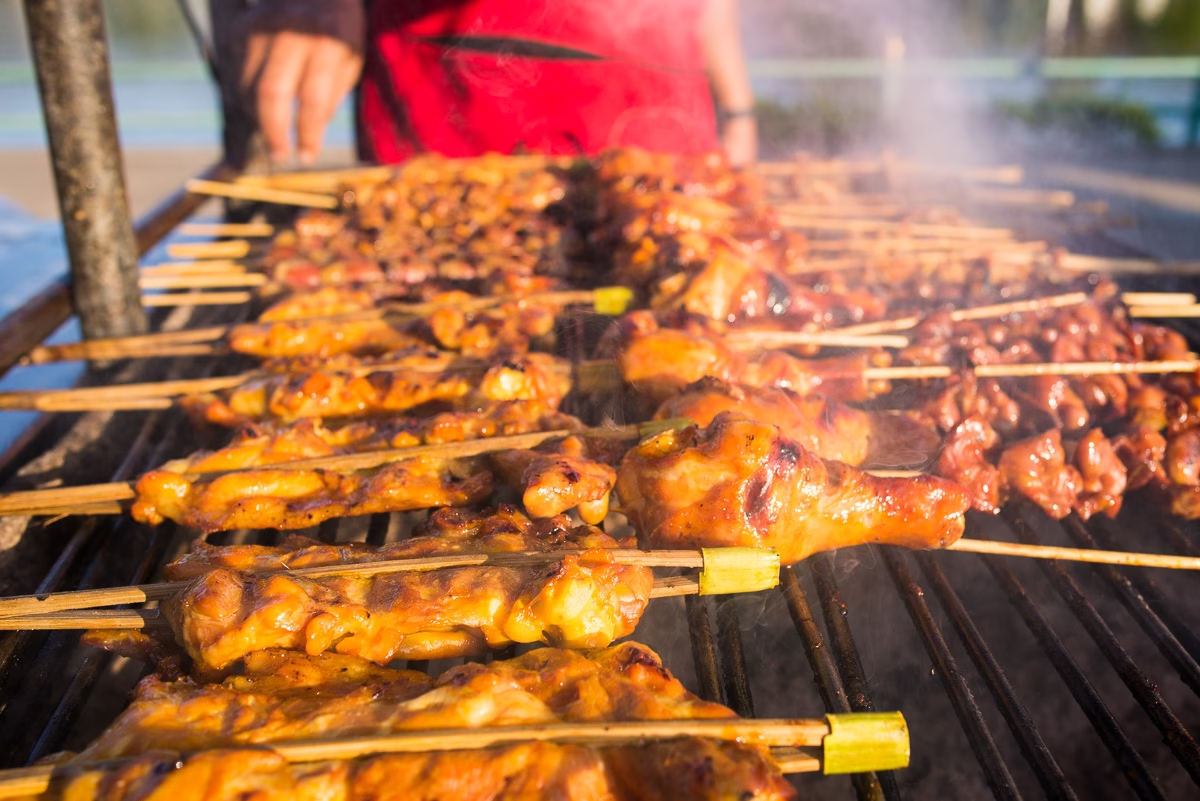
And definitely try as many varieties of street barbecue as you can find. Order a portion of sticky rice, grab a beer, sit on the kerb and soak up the evening atmosphere — wherever you happen to be.
Ready to dive in? Here are the destination guides to explore next:
- Chiang Mai and surroundings
- Pai
- Chiang Rai
- Mae Hong Son
- More day trips in northern Thailand
Looking for more practical Thailand travel tips for independent travellers? We’ve put together a very detailed guide covering everything you need to know about travelling Thailand on your own.
Matouš Vinš
Discover More of Thailand
Planning more of your Thailand trip? Browse our other in-depth guides:
Overview & Planning
Northern Thailand
- Chiang Mai: Things to Do
- Chiang Rai Travel Guide
- Pai, Thailand Guide
- Mae Hong Son Travel Guide
- Mae Salong Guide
- Scenic Motorcycle Routes in Northern Thailand