This post is also available in:


Looking for the perfect winter escape — trading frosty mornings for sun-soaked days packed with adventures or lazy hours by the sea? Head to Phuket, Thailand. In this guide, we’ll show you how to tackle the whole trip independently.
Why Visit Phuket?
Phuket is one of those places where you can build a holiday entirely on your own terms. If you’re a nature lover, you’ll find stunning beaches, crystal-clear water, limestone cliffs and jungle teeming with exotic wildlife.
Phuket is also a perfect base for exploring the surrounding islands — Phi Phi, Ko Lon, Koh Yao Noi and Koh Yao Yai — where conditions are ideal for snorkelling and diving.

But Phuket isn’t just about nature. If Thai culture is your thing, you’ll find beautiful temples like Wat Chalong, traditional festivals and strolls through the historic Phuket Old Town with its iconic architecture. And then there’s Thai cuisine — something it’s almost impossible not to fall in love with.
Phuket is also well known for its vibrant party scene, nightlife, clubs, events for digital nomads and freelancers, quality co-working spaces and a large community of both nomads and long-term expats.
Planning to combine a trip to Phuket with exploring more of Thailand? Check out our Thailand guides for inspiration and travel tips.
Phuket Attractions: What to See & Visit
Phuket Old Town
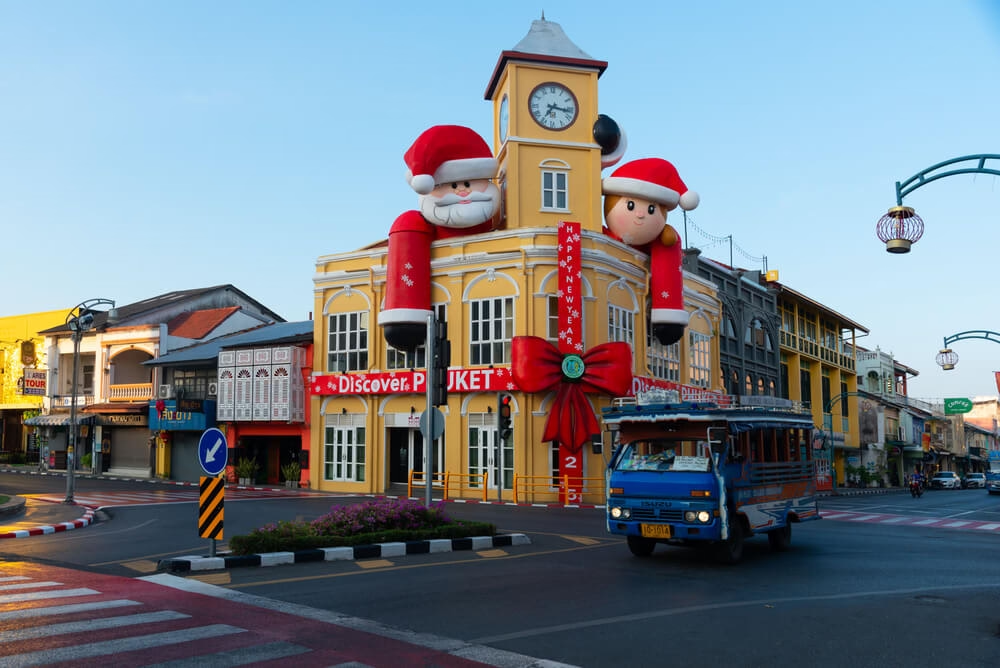
Phuket’s historic centre will charm you with its colourful Sino-Portuguese buildings, narrow streets and excellent local cafés. A walk through the Old Town takes around two hours — but if you stop for a coffee or a traditional dessert, you could easily spend the whole morning here.
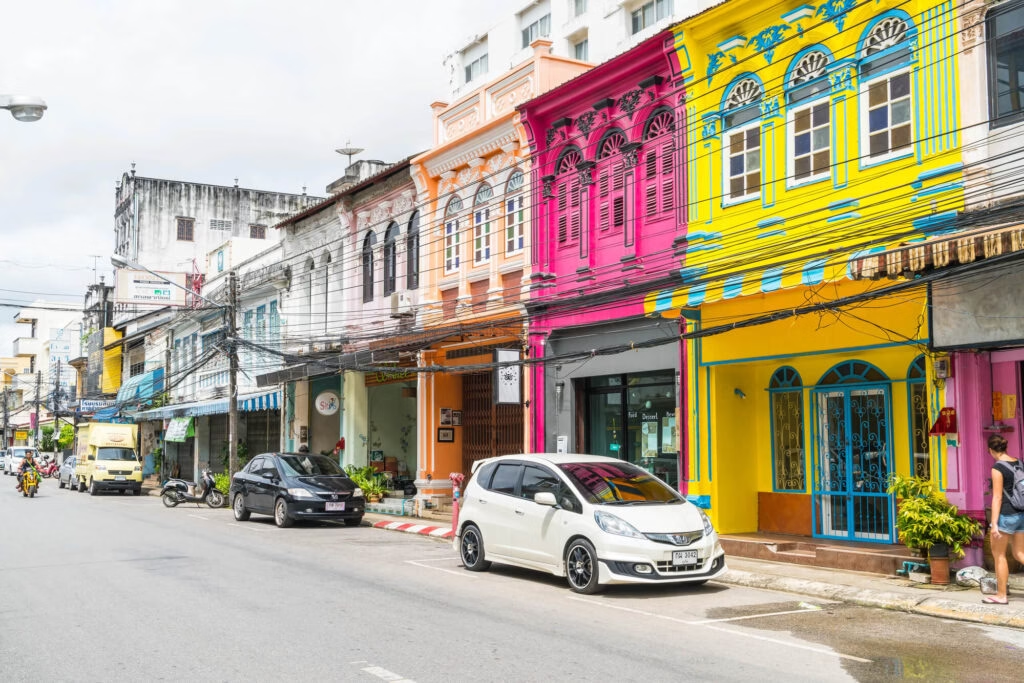
The highlight is Thalang Road, which transforms every Sunday from 4pm to 10pm into a street market known as the Lard Yai Market. I’d recommend arriving hungry, because this is where you’ll find delicious street food of every kind — from satay skewers and mango sticky rice to grilled seafood. Souvenir stalls are plentiful too. Expect crowds, though — this is one of Phuket’s main attractions.
Freedom Beach
Freedom Beach is among the most beautiful beaches in Phuket, and getting there takes a little effort. Fine white sand, crystal-clear water and ideal snorkelling conditions make it well worth it.
You can reach the beach either on foot (be prepared for a fairly steep descent) or by boat from Patong, with prices ranging from 500–1,500 THB (roughly €13–€40) depending on the season. The northern walking entrance costs 100 THB (around €3), while the central route through Lek Sand Beach Bar is free.
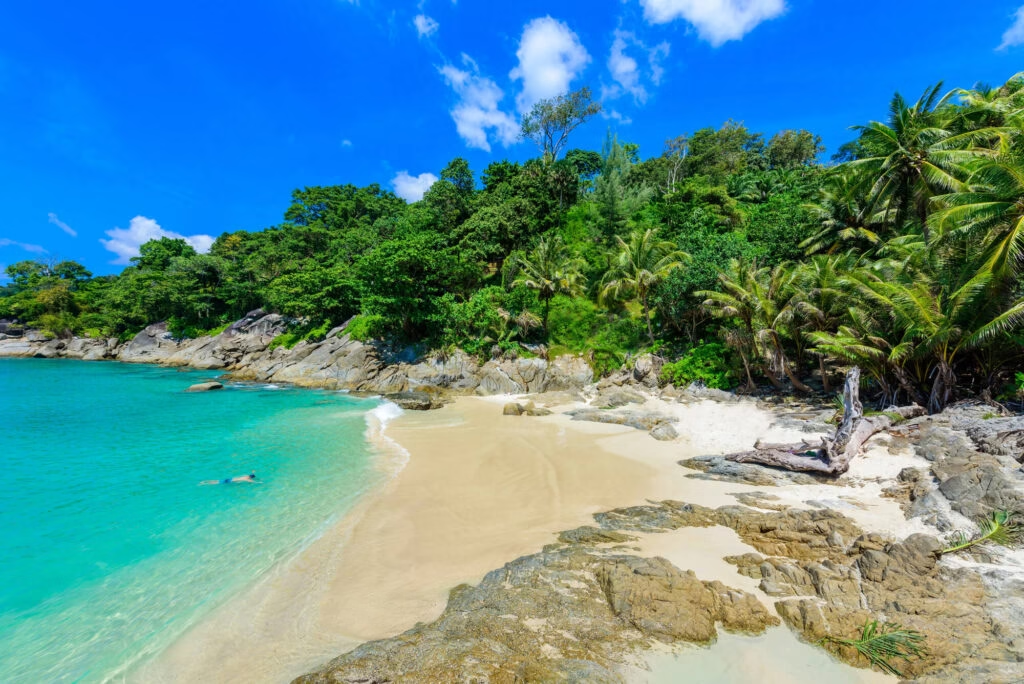
The beach has basic facilities — toilets, showers and small bars selling drinks and snacks. Sun loungers and umbrellas are available for a small fee.
In the past you could practically have this beach to yourself. These days you’re unlikely to be so lucky. During peak season (December to March) it gets very busy with tourists.
Wat Chalong
Wat Chalong is the most important Buddhist temple in Phuket and a popular spot for both tourists and locals. The main landmark is the 60-metre-tall Phra Mahathat Chedi pagoda, which is said to contain a fragment of the Buddha’s bone. The temple complex is decorated with golden ornaments and surrounded by well-kept gardens, with a pleasantly peaceful atmosphere throughout.
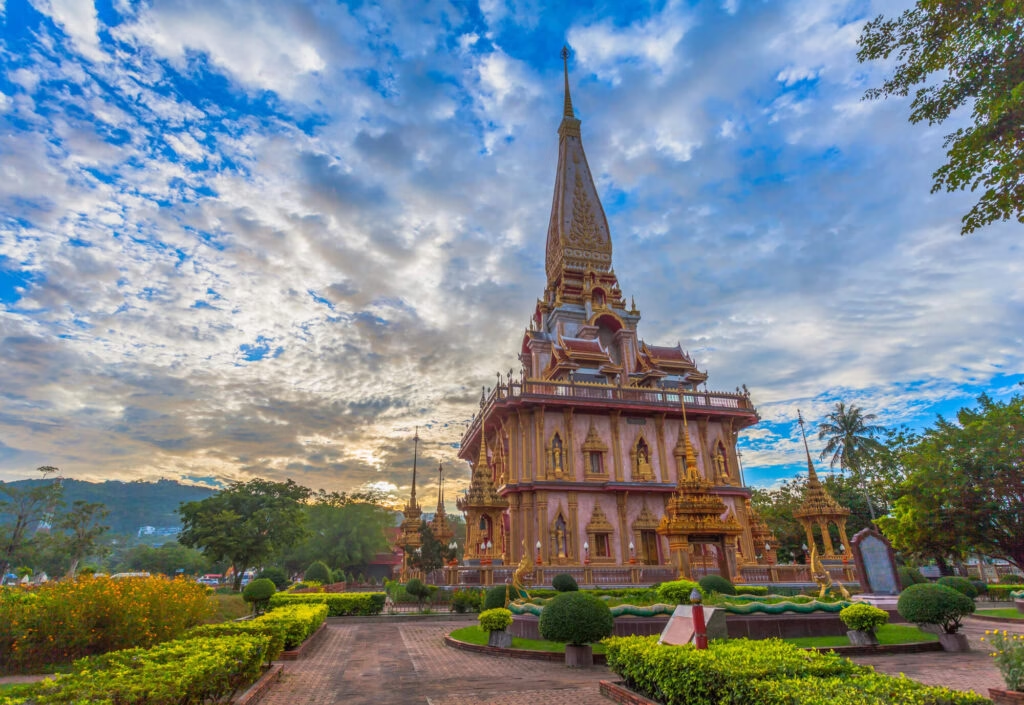
Entry is free, though a small donation is appreciated. Dress modestly — shoulders and knees must be covered — and remove your shoes before entering any of the buildings. Wat Chalong is open daily from 8am to 5pm; the best time to visit is early morning.
Promthep Cape Viewpoint
For the best sunset on the island, head to its southernmost tip — Promthep Cape. Arrive at least an hour before sunset to find a good spot and soak up the atmosphere in peace. At sunset, tourist buses roll in and things get chaotic quickly.
While you’re there, visit the gold-roofed lighthouse, which offers additional views and houses a small museum. You can also walk the short but steep trail from the car park to the very tip of the headland — it’s relatively manageable even for those who aren’t especially fit, covering around 900 metres with a climb of about 120 vertical metres.
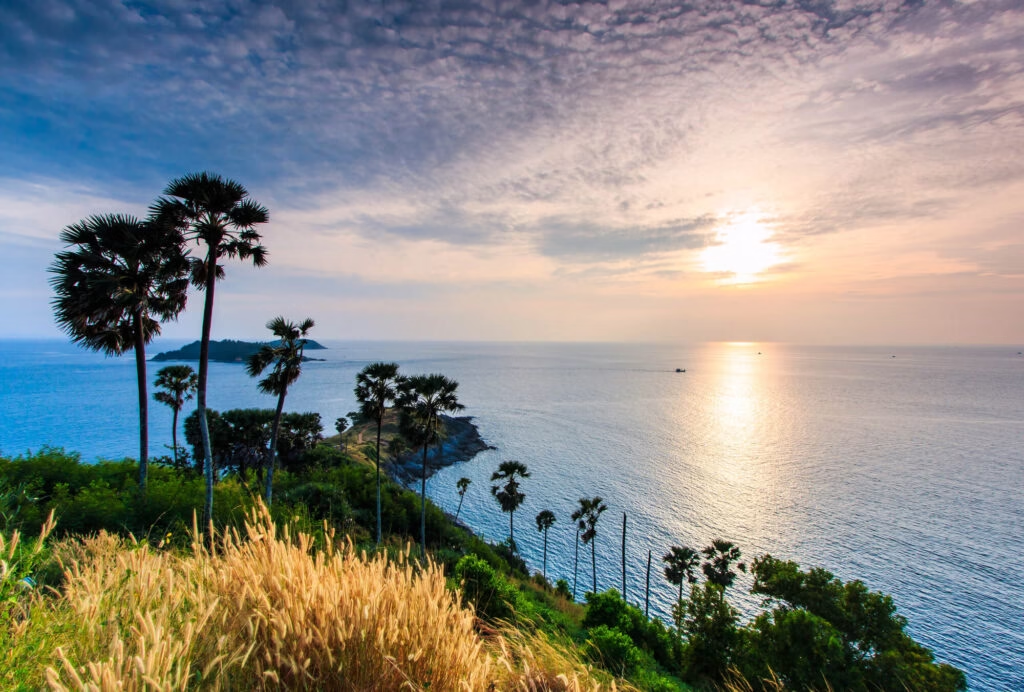
Promthep Cape is easily accessible by car, and parking is free. Alternatively, you can use the Phuket Smart Bus, which stops here several times a day.
Nai Harn Beach
If you’re looking for a quieter beach with a laid-back, family-friendly feel, Nai Harn is an excellent choice. Located on the south of the island, it’s popular with both locals and visitors — yet unlike other beaches, you won’t find overwhelming crowds or noisy bars.

During the season (November–April), the sea is calm and ideal for swimming or family days out. In the off-season, larger waves roll in, making it a favourite spot for surfers — one of the best on the island for that. The beach is lined with trees providing plenty of shade, and you’ll find snack stalls and small restaurants serving fresh seafood nearby.
Big Buddha
One of Phuket’s most iconic landmarks, the Big Buddha, is currently closed to the public due to landslides that affected the island in 2024. Visitors can only access a nearby viewpoint and admire the statue from a distance.

This 45-metre-tall white marble statue sits atop Nakkerd Hill and offers a stunning panoramic view over the southern part of the island.
Even though the main site is closed, the surrounding area still has quiet spots perfect for a moment of reflection. A small museum about the statue’s construction history was previously located here — its reopening is planned for 2025. If the situation changes and the site reopens, remember to dress appropriately: covered shoulders and knees are required. The best time to visit (at least the viewpoint) is in the morning or afternoon when the sun is less intense.
Things to Do in Phuket: Experiences
Night Markets
Phuket is a paradise for food lovers, and its night markets are where you experience local cuisine at its most authentic. Naka Market — also known as the Phuket Weekend Night Market — is located near Phuket Town and offers a wide spread of food: grilled seafood, Thai desserts, exotic fruit and street food classics like satay skewers and Pad Thai. It’s open weekends only, typically from 4pm to 10pm.

Other popular night markets include Chillva Market, which runs several times a week, and Phuket Walking Street in the historic centre, where you’ll find food, souvenirs and live music side by side.
Diving & Snorkelling
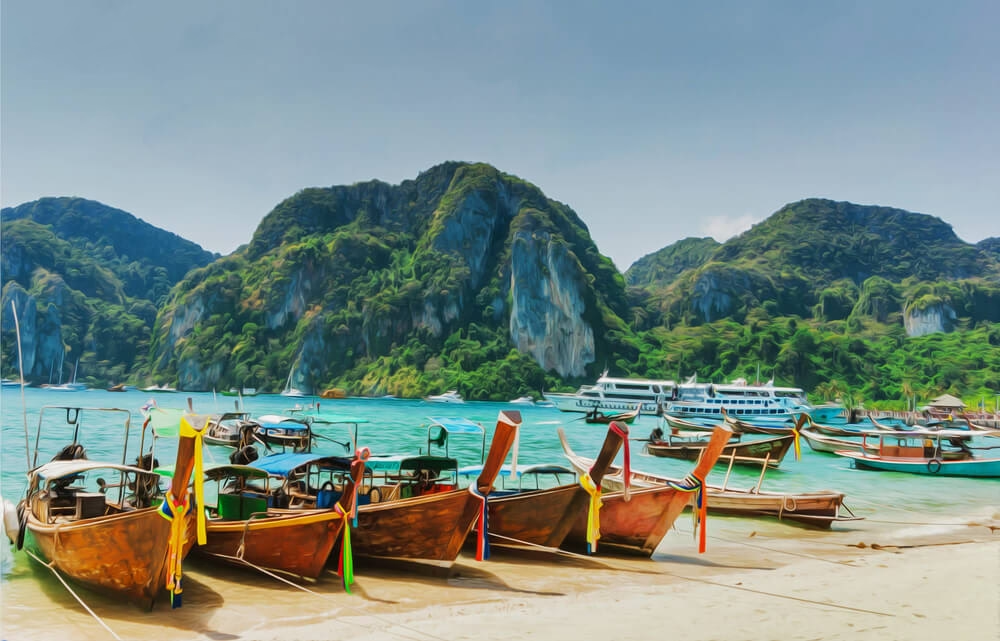
Phuket is the gateway to several world-class dive sites, including the Similan Islands, Koh Racha and Shark Point. Day diving trips start from around €55 and include equipment, transport and lunch. Booking ahead is essential, especially during peak season (November–April). If you prefer snorkelling, most trips include stops at shallow sites with vibrant coral.

If you plan to spend a long time in the water, bring a rash guard — long sleeves if possible — and apply sunscreen generously. Trust me on this one.
Phuket Elephant Sanctuary
At Czech Travellers, we don’t endorse animal attractions that keep animals in poor conditions — often under sedation or through the use of force. With elephants in particular, many visitors don’t realise that elephant riding is not only painful for the animals, but is frequently linked to abuse during training. We always recommend avoiding places that offer elephant riding or direct physical interaction.
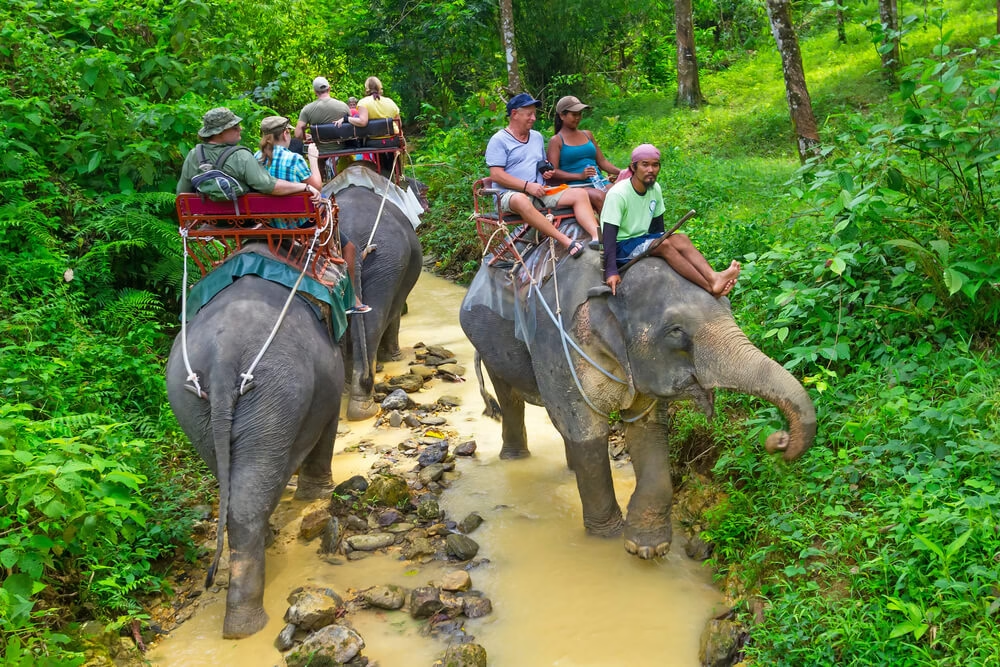
Phuket Elephant Sanctuary is an ethical alternative. This project focuses on rescuing elephants that are elderly, injured or were previously exploited in the tourism industry. The elephants roam freely in a natural environment with plenty of space and proper care. Visitors can observe them going about their daily activities — feeding, bathing, moving around the sanctuary — without disturbing their peace.
Entrance is around 3,000 THB (roughly €80) and includes a guided tour during which you’ll learn about elephant welfare and conservation.
Ao Phang Nga Bay Day Trip
Ao Phang Nga Bay is famous for its limestone cliffs, hidden lagoons and dense mangrove forests. One of the star attractions is the iconic James Bond Island (Khao Phing Kan), made famous by the film The Man with the Golden Gun. Local guides take you to the island and to the nearby rock formation Ko Tapu, which has become the symbol of the whole area.

Most tours also include kayaking through mangrove channels and exploring “hongs” — hidden lagoons that you enter through narrow cave passages. Tours typically include transport, lunch and a guide, with prices ranging from 1,500 to 3,000 THB (€40–€80). You can book on GetYourGuide.
Thai Cooking Class
Under the guidance of experienced local chefs, you’ll learn to prepare dishes like Tom Yum, Pad Thai, Green Curry and Mango Sticky Rice. Classes typically start with a market visit, where you pick up fresh ingredients and get introduced to Thai herbs and spices.
You’ll try traditional cooking techniques throughout the session, then sit down to enjoy everything you’ve made at the end. Printed recipe cards are often included so you can recreate the dishes at home.
Prices are typically around 1,500–2,500 THB (€40–€65), including all ingredients.
Nearby Islands
Koh Racha Yai
Just 30 minutes by boat from Phuket, Koh Racha Yai is known for its white beaches and excellent snorkelling conditions. The marine life here is genuinely worth the trip.
Boat taxis and organised day trips depart from Chalong pier. While most travellers visit on a day trip, you can absolutely stay longer and experience the island properly. I’d recommend resorts like The Racha or Racha Island Resort.
Mu Koh Surin National Park
Mu Koh Surin National Park, around three hours from Phuket by road and boat, is one of the most beautiful spots in the Andaman Sea. This protected marine paradise is famous for its crystal-clear water, rich underwater life and pristine coral reefs. You’d be hard pressed to find a better place for diving or snorkelling.

On an organised tour, you’ll stop at several snorkelling spots where you can encounter tropical fish, sea turtles and other marine creatures in their natural habitat.
Did you know that many sea turtle centres do more harm than good? Read Experience Sea Turtle Releases Responsibly: What You Should Know About Turtle Attractions.
The park is only accessible from November to April, when visiting conditions are at their best. Tours include transport, snorkelling equipment, a guide and lunch. Prices start at around €65–€80. We recommend booking your tour in advance, as visitor numbers are limited.
Koh Phi Phi Islands
Koh Phi Phi, a group of six islands in the Andaman Sea, is one of the most popular day-trip destinations from Phuket. The most common way to get there is by ferry from Rassada pier (1.5–2 hours, from 400 THB / approx. €11) or by speedboat (45 minutes, from 1,000 THB / approx. €27). The islands are famous for their gorgeous beaches, crystal-clear water and diverse marine life.
Top attractions here include the iconic Maya Bay, the Koh Phi Phi Viewpoint, and snorkelling spots like Hin Klang and Loh Samah Bay.

The best time to visit is from November to April, when the seas are calm. If you have a bit more time, consider staying overnight on Koh Phi Phi. Most tourists leave in the evening and the atmosphere on the islands becomes noticeably more relaxed.
Koh Yao Noi
If you want to escape the bustle of Phuket, Koh Yao Noi is exactly the place. This small island between Phuket and Krabi offers a peaceful atmosphere, traditional Thai life and stunning views of the limestone cliffs of Phang Nga Bay. On beaches like Pasai Beach you can unwind or set off to explore the surroundings — by bicycle, scooter or on a boat trip to nearby islets like Koh Hong.
The speedboat from Phuket takes just 30–40 minutes and costs around 200–300 THB (roughly €5–€8).
What to Skip
Monkey Hill
Monkey Hill, as the name suggests, is known for its population of macaques. What looks like a fun stop at first glance often turns into a headache. The monkeys are used to human presence and will readily grab food — and anything else they can get their hands on, from water bottles to backpacks. Don’t bring anything that might provoke them, and definitely not food.
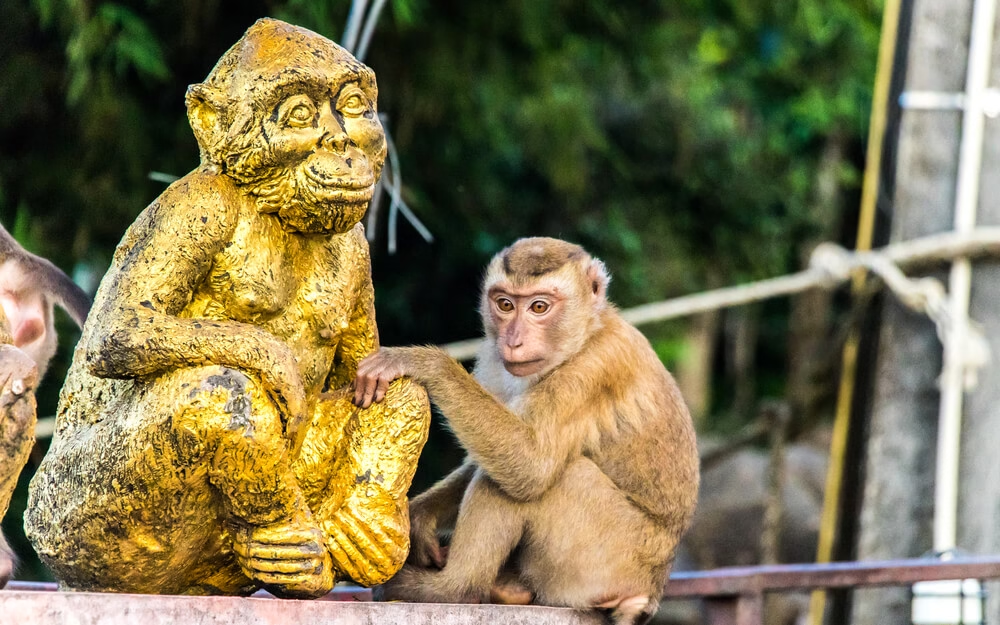
Aggressive attacks are not unheard of. If a monkey scratches or bites you, you’ll need to see a doctor immediately for a rabies booster. For many travellers, the risk simply isn’t worth it.
Patong Beach
Patong Beach is synonymous with Phuket’s rowdy nightlife. If you’re looking for a peaceful retreat or an authentic Thai atmosphere, you won’t find it here. The beach is often packed with tourists and surrounded by loud bars, clubs and relentless commercial chaos. For beautiful beaches, head instead to quieter spots like Nai Harn or Freedom Beach.
If it’s the party scene that drew you to Phuket in the first place, however, Patong is exactly where you need to be.

How to Get to Phuket
Phuket is well connected to major Thai destinations and to the rest of the world — there are several ways to get here.
Flying Directly to Phuket
Phuket International Airport (HKT) is the island’s main gateway. Some international airlines operate direct flights to Phuket, you can also find many charter flights heading there.
Most people reach Phuket with a single stopover with airlines such as Qatar Airways, Turkish Airlines, Emirates, Etihad, China Airlines or Singapore Airlines, connecting through Doha, Istanbul, Dubai, Abu Dhabi, Taipei or Singapore. Flights from Europe are well served, with options departing from multiple hub airports.
Return flights from Europe start from around €500, though they can be cheaper during promotional periods. Given how popular this destination is, we wouldn’t recommend waiting for last-minute deals. When you spot a good fare, book it.
Fly to Bangkok, then Onwards to Phuket
If a direct flight to Phuket isn’t available, you can fly into Bangkok (Suvarnabhumi Airport — BKK) and continue from there with a domestic flight to Phuket.
Flights take around 1.5 hours, run frequently (sometimes several times an hour) and are operated by carriers including Thai AirAsia, Thai Airways, Bangkok Airways and Thai Lion Air.
One-way fares start from around €13 — on some airlines including checked baggage.

Don’t be put off by domestic flights in Thailand. All carriers operate to a high standard, and even the most budget-friendly options are comfortably on par with regular European short-haul flights.
Outside weekends and public holidays, it’s usually no problem to book a ticket at a reasonable price just a few days before departure. Around Thai public holidays, Fridays and Sundays, however, flights can sell out quickly or only premium fares remain.
From Bangkok you can fly to Phuket from the main Suvarnabhumi Airport (BKK) or from the low-cost Don Mueang Airport (DMK).
Direct flights to Phuket also operate from other popular parts of Thailand — including Chiang Mai in the north — as well as from neighbouring countries and major regional hubs like Singapore, Kuala Lumpur and Ho Chi Minh City.
Overland from Bangkok
Phuket is technically an island, but a short bridge connects it to the mainland, so overland travel is perfectly possible.
The bus is the cheapest option, though it’s time-consuming — around 13 hours. Standard buses start from about €11, while luxury sleeper coaches begin at around €22, departing from Bangkok’s Southern Bus Terminal.
Alternatively, you can combine a train and bus. Take the train from Bangkok to Surat Thani, then continue by bus to Phuket. The whole journey takes roughly 15–16 hours. Train tickets cost around €8–€19 depending on class, and the bus from Surat Thani to Phuket adds another €5–€8.
Ferry from Nearby Destinations
Phuket is also connected by ferries and speedboats to destinations including Krabi, Koh Phi Phi and Koh Lanta. The crossing from Krabi takes about 2.5 hours and costs around €8–€14. From Koh Phi Phi it’s approximately 1.5 hours, from around €7.
Best Time to Visit Phuket
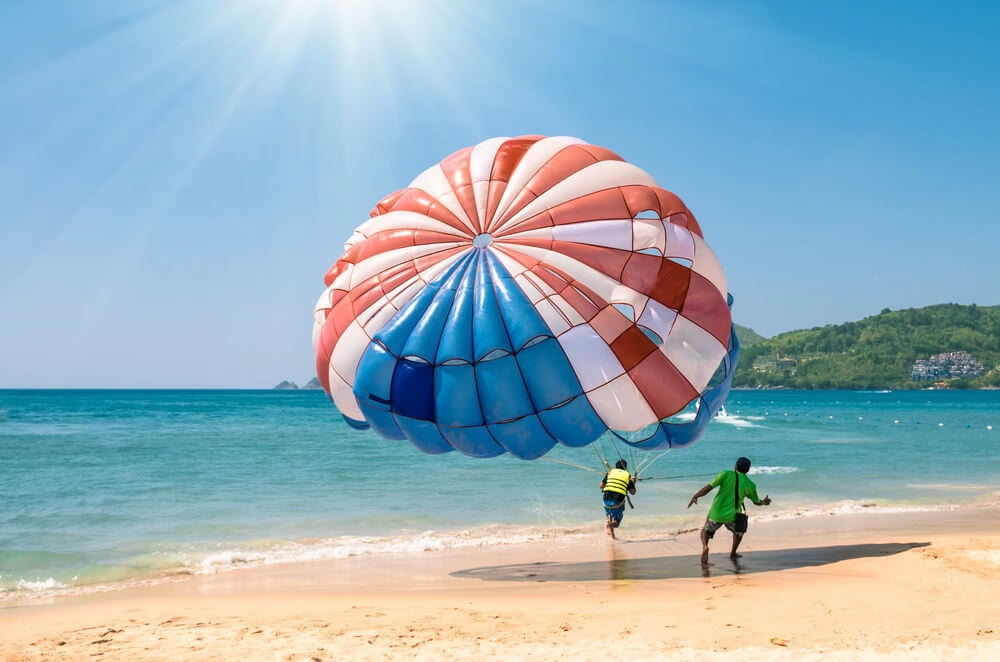
Phuket sits in a tropical zone and its climate is shaped by monsoons, alternating between a dry season and a rainy season.
The dry season — and peak tourist season — runs from November to April and is the ideal time to visit. Temperatures range between 25–32°C, skies are clear and the sea is calm, so you can fully enjoy all the beach activities on offer. Accommodation and flight prices tend to be much higher during this period, so book everything well in advance.
The rainy season from May to October brings frequent showers, though these usually don’t last all day. Temperatures remain pleasant (27–30°C) and the big advantage is significantly lower prices for accommodation and flights. Beaches are far less crowded, though the sea can get rough.
The best shoulder-season months are October and November, when the rains are tapering off but the tourist crowds haven’t yet arrived.

Visas & Entry Requirements
Citizens of many countries — including most of Europe, the US, UK, Australia and Canada — can enter Thailand visa-free for up to 60 days under the scheme that came into effect on 15 July 2024. This applies to tourism, business meetings or urgent work matters. After 60 days, you can apply for a 30-day extension at an immigration office, at the officer’s discretion.
On entry, you’ll need a valid passport with at least six months’ validity beyond your planned departure date, plus proof of an onward or return journey.
Money & Approximate Prices
In Phuket, as across Thailand, the currency is the Thai Baht (THB). ATMs are widely available across the island, but expect a withdrawal fee of 220 THB (around €6). It’s worth withdrawing larger amounts at once (most ATMs allow 25–30 notes per transaction) or paying by card — though some establishments may charge a 2–3% surcharge.
Street stalls, local markets and smaller shops are cash-only. It’s handy to keep a supply of smaller notes for everyday purchases.
You can also download an app called Moreta and pay by QR code basically everywhere.
Approximate Prices
As a general rule, Thai islands are noticeably more expensive than Bangkok and considerably more expensive than the north of the country — this applies to accommodation, food and services alike.
Food & Drinks
- Street food (Pad Thai, fried rice): 40–80 THB (approx. €1–€2)
- Meal at a local restaurant: 100–150 THB (approx. €3–€4)
- Meal at a tourist restaurant: 200–400 THB (approx. €5–€11)
- Coconut on the beach: 50–80 THB (approx. €1.50–€2)
- Bottle of water (7-Eleven): 10–15 THB (under €0.50)
- Beer (Chang, Singha): 50–100 THB (approx. €1.50–€3)
Transport
- Tuk-tuk around town: 100–300 THB (approx. €3–€8) depending on distance
- Official metered taxi: starting fare 50 THB, approx. 10 THB per 2 km
- Scooter rental: 200–300 THB/day (approx. €5–€8), petrol approx. 40 THB/litre
- Shared minivan from the airport: 150–200 THB (approx. €4–€5)
Accommodation
- Hostel (dorm bed): from 300 THB/night (approx. €8)
- Budget hotel / guesthouse: 600–1,000 THB/night (approx. €16–€27)
- Mid-range (3-star hotel): 1,000–2,500 THB/night (approx. €27–€67)
- Luxury resort (5-star): from 3,000 THB/night (approx. €80+)
Getting Around Phuket
Transport in Phuket tends to be more expensive than elsewhere in Thailand, especially in tourist areas.

Tuk-Tuks
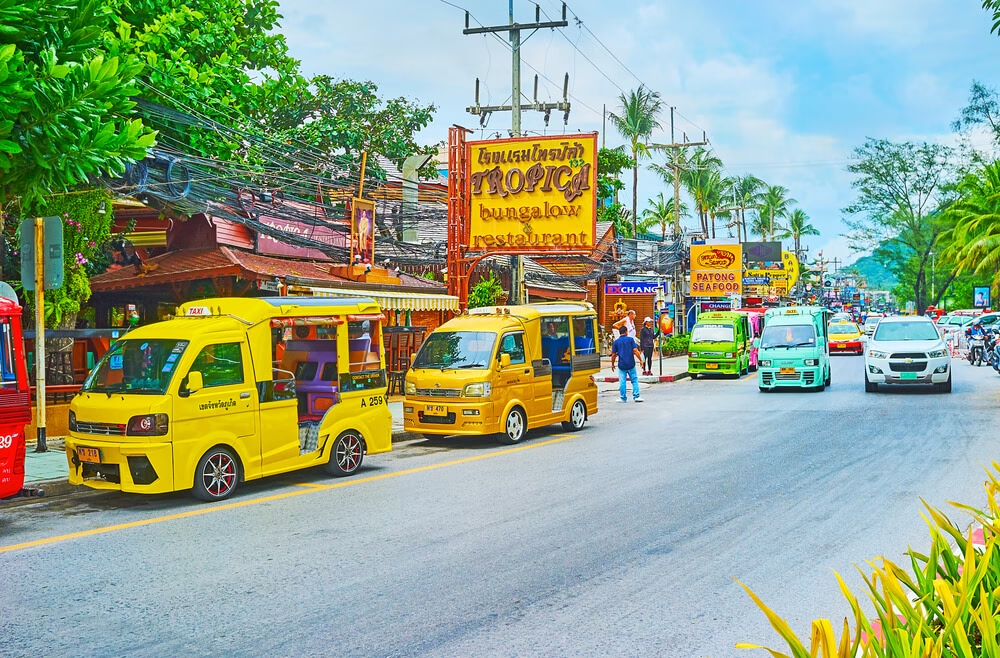
Tuk-tuks are an iconic way to get around in Thailand, and you’ll find them in Phuket too — though you’ll pay a premium for the privilege. Prices start at 100 THB (around €3) for a short ride and can climb to 300 THB (around €8) depending on distance and location. Always agree on the price before you get in. They’re best for short hops or for the experience — after that, a taxi is usually a smarter choice.
Taxis
Official metered taxis are more reliable, but you’ll mainly find them at the airport. The starting fare is 50 THB and each additional 2 km costs around 10 THB.
Most taxis on the island don’t use meters, so — just like with tuk-tuks — you’ll need to agree on a price upfront. Rates are actually higher than tuk-tuks, with short rides starting around 200 THB. For longer journeys, hiring a taxi for the whole day can work out more economical.
Ride-hailing apps such as Grab or Bolt are a more reliable and often cheaper alternative. You can see the final price in the app before you confirm, avoiding any unpleasant surprises — and you can pay by card directly through the app.
Scooter Rental
If you have the appropriate motorbike licence, exploring the island on a scooter is one of the best ways to get around. Rental costs 200–300 THB/day (approx. €5–€8) and petrol is around 40 THB/litre. Before you travel, make sure you obtain an international driving permit and always wear a helmet. Police checkpoints are common, and fines for riding without a helmet or a valid licence can run into the tens of thousands of baht.
One key thing to remember: Thailand drives on the left, which can take some getting used to — but on quieter roads you’ll adapt quickly. Local drivers aren’t always the most courteous, so ride with caution.
Car Rental
For groups or families with children, renting a car makes a lot of sense. Prices for smaller vehicles start at around 700–900 THB per day (approx. €19–€24), rising during peak season. Rental companies including Hertz, Sixt and Budget have desks at the airport, but it’s generally cheaper to book online in advance.
Shared Minivans & Songthaews
Shared minivans connecting the airport with the main tourist areas cost 150–200 THB (approx. €4–€5) per person. They’re air-conditioned and comfortable — a welcome relief after a long flight. They do move at a leisurely pace though, stopping at multiple points to drop off other passengers. Fine if you’re not in a rush and don’t mind a roundabout route.
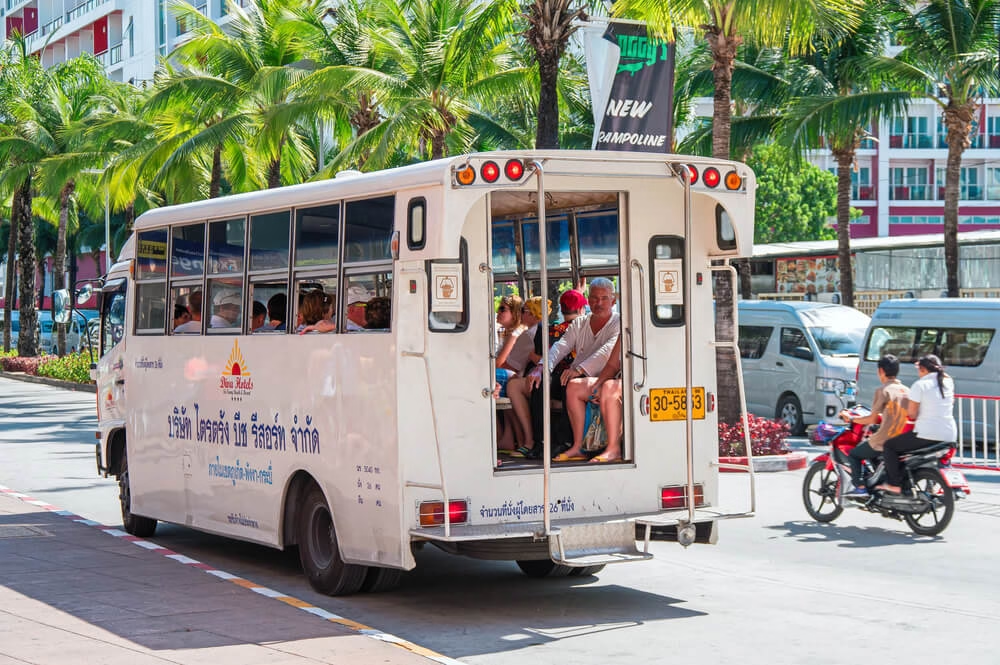
Then there are songthaews — easily the most authentic local transport experience. These converted pickup trucks with bench seating will take you from Phuket Town to beaches like Patong, Kata or Karon for just 30–50 THB (approx. €1). Don’t expect comfort, but do expect a chance to travel alongside locals, observe everyday Thai life and enjoy a fun (if occasionally slow) ride. Always agree on the fare when you board.
Ferries & Boats
Ferries and boats are an essential part of getting around, especially if you plan to visit the surrounding islands.
Ferries to Koh Phi Phi typically depart from Rassada pier, with one-way fares from 400 THB (approx. €11). The crossing takes around 1.5 hours and offers beautiful views over the Andaman Sea. During peak season (November to March) these services fill up fast, so book ahead.
For the Similan Islands, organised speedboat day trips are the way to go — lunch and snorkelling gear are usually included, so you don’t need to worry about a thing.
Walking
Phuket generally isn’t set up for walking, mainly due to a lack of pavements and heavy traffic. Larger tourist areas like Patong, Kata and Karon do have footpaths, but even so — watch out for traffic, as drivers don’t always give pedestrians much consideration.
Where to Stay in Phuket
Which Area to Stay In
Patong Beach
The liveliest area in Phuket and perfect for nightlife lovers. You’ll find plenty of hotels, hostels and resorts here, but expect noise and higher prices. Families with children and travellers seeking peace should look elsewhere.
Kata & Karon Beach
Quieter beaches well suited to families and couples. Both areas have plenty of restaurants and far fewer noisy clubs than Patong.
Phuket Town
The historic town with fascinating architecture and an authentic Thai atmosphere. Accommodation here is cheaper than in the beach areas. Ideal for backpackers and culture seekers.
Bang Tao & Surin Beach
Upscale areas with exclusive resorts and peaceful beaches. Expect privacy and top-tier service.
Rawai & Nai Harn Beach
Calm areas on the south of the island, popular with long-term visitors and expats. Perfect for those wanting to escape the tourist crowds.
Recommended Accommodation for Backpackers
- The Z Nite Hostel (Phuket Town)
- A clean, modern hostel right in the heart of Phuket’s historic Old Town. Rooms are spacious and fitted with bunk beds.
- Lub d Phuket Patong (Patong Beach)
- Not the cheapest hostel in the area — nor the most expensive — but consistently one of the cleanest with the best service. Close to Patong Beach, with a pool and regular events for guests.
- Book a Bed Poshtel (Phuket Town)
- Stylish, modern hostel in the centre of Phuket Town — great for exploring the city. Clean dorms and private rooms, a pool and breakfast included.
Family-Friendly Accommodation
- Sugar Ohana Poshtel (Kata Beach)
- Affordable, stylish accommodation with family rooms, just a short walk from Kata Beach.
- The Slate (Nai Yang Beach)
- Luxury resort with spacious rooms, a kids’ club and plenty of activities. Close to the calm Nai Yang Beach — ideal for family walks and proper rest.
- Mandarava Resort and Spa (Karon Beach)
- A tropical haven with pools, wellness facilities and spacious family villas. A short distance from Karon Beach.
Luxury Resorts & Hotels
- The Surin Phuket (Pansea Beach)
- Elegant cottage-style accommodation with an outdoor pool, a luxury spa and a restaurant serving both Thai specialities and international cuisine.
- Keemala (Kamala Beach)
- A unique resort set in tropical jungle above Kamala Beach. Guests enjoy private pools, a world-class spa and the Mala restaurant, which focuses on healthy Thai and international cuisine.
- Rosewood Phuket (Emerald Bay)
- A luxurious resort on Emerald Bay, with spacious villas, private pools, a wellness centre, multiple restaurants and direct beach access.
Food & Cuisine in Phuket
Thai cuisine is among the best in the world, and Phuket is an excellent showcase for it. The island’s food scene is defined by its complexity of flavours — sweet, sour, salty and spicy — and a remarkable use of local ingredients.
Fresh seafood, coconut milk, aromatic herbs and exotic spices combine to create dishes that are genuinely unmissable culinary experiences.
If you’re not a fan of spicy food, the phrase “mai phet” (meaning “not spicy”) will come in handy. Bear in mind that the Thai definition of “not spicy” can differ quite significantly from a Western one, so your dish may still have a mild kick.
Local Specialities
Beyond the Thai classics — Pad Thai, Tom Yum, Green Curry — Phuket has its own regional specialities. Standouts include Mee Hokkien, stir-fried yellow noodles with seafood, and Moo Hong, slow-braised pork belly with garlic and black pepper.

Other local favourites include Oh Aew, a dessert of red beans, banana blossom jelly and shaved ice — perfect for cooling down on a hot day. For breakfast, try Kanom Jeen: fermented rice noodles served with various curries and fresh vegetables — simple, yet full of flavour.
Spice fans should try Nam Prik Goong Siap, a punchy dip made from dried shrimp and chilli, served with fresh vegetables and rice. For the more adventurous, Loba — fried pork offal served with a spicy sauce — is worth a taste.
The best way to sample as many dishes as possible is to head to one of the local night markets, where the aromas, colours and vibrant atmosphere will completely draw you in.
Recommended Restaurants
- Raya Restaurant (Phuket Town)
- A traditional Thai restaurant set in a historic townhouse, known for its authentic dishes — particularly the Moo Hong. Elegant atmosphere; a great choice for food lovers.
- Lock Tien (Phuket Town)
- A local canteen where you can try Kanom Jeen and other traditional dishes. Perfect if you want the real, no-frills atmosphere.
- Mor Mu Dong (East Phuket)
- A hidden gem among the mangroves, serving fresh seafood and dishes prepared from old Phuket recipes. Try the grilled fish or spicy soups.
- One Chun Cafe & Restaurant (Phuket Town)
- A stylish restaurant blending traditional dishes with a contemporary approach. A great spot if you want authentic flavours in a comfortable setting.
- Bang Pae Seafood (East Phuket)
- A family-run place on the waterfront serving fresh seafood with lovely views. Try the crab curry or fried calamari.
Vegetarian & Vegan Food
Phuket is also a great destination for vegetarians and vegans. Many restaurants offer vegetarian versions of traditional dishes, and the island hosts the annual Phuket Vegetarian Festival — also known as the Nine Emperor Gods Festival — held during the ninth lunar month.
You’ll find plenty of dedicated vegetarian and vegan spots on the island. Soul Vegan Restaurant Phuket near Karon Beach and Pure Vegan Heaven near Kata Beach both serve everything from smoothie bowls to burgers and tacos.
In Phuket Town, don’t miss Ubuntu Eat Vegan, the island’s first fully vegan Indian restaurant, which opened in July 2024.

Safety, Health & Hygiene
Phuket is generally a safe destination, but it pays to take basic precautions. In busy areas like Patong Beach and the night markets, petty theft can happen — keep an eye on your belongings.
When riding a scooter, always wear a helmet, ride carefully and carry your international driving permit. Be aware that other road users can appear unexpectedly — traffic rules aren’t always strictly followed.
During the rainy season (May–October), watch out for strong rip currents at the beaches and respect warning flags.
Pack clothing with long sleeves and trousers too — useful during extended time in the sun, while snorkelling, or during evenings when insects are more active. Don’t forget reef-safe sunscreen (so you can swim without guilt) and a good quality insect repellent. If you’re staying in eco-lodges or open-air accommodation, a mosquito net will be worth its weight in gold.
Vaccinations aren’t compulsory, but the standard trio — hepatitis A, typhoid and tetanus — is always worth being up to date on before you travel.
Tap water is not safe to drink. Throughout Phuket (and Thailand in general) you’ll find water refill machines where you can top up your own bottle with drinking water for a very small fee — typically around 1 THB per litre. You’ll usually find them outside supermarkets, petrol stations and in residential areas.
Possession or use of drugs (other than cannabis) is very severely punished in Thailand, with heavy fines and prison sentences. That said, smoking cannabis in public is still illegal and can result in a fine of up to 25,000 THB or three months in prison — though enforcement in tourist areas tends to be more relaxed in practice.
Religion, Festivals & Local Customs
Phuket is a multicultural island where Buddhist, Islamic and Chinese-Thai traditions intersect. The majority of the population is Buddhist, which is reflected in the island’s many temples and daily rituals. A significant Muslim community also lives here, particularly in the south and east.
When visiting Buddhist temples, it’s essential to have shoulders and knees covered — this applies to all genders. Always remove your shoes before entering a building. When being photographed, never pose with your back to a Buddha statue, and avoid touching the statues.

In Muslim areas, such as the village of Rawai, dress more conservatively — especially if you’re planning to visit local markets or mosques. Alcohol is limited or unavailable in these areas.
The Thai royal family is deeply revered. Criticising the king or any member of the royal family is not only socially unacceptable but is a criminal offence under Thai law. Penalties for lese-majesté can be severe, including lengthy prison terms. Show respect at all times — for example, if royal portraits are shown before a film at a cinema, stand up along with everyone else.
Celebrations & Festivals
Phuket Vegetarian Festival
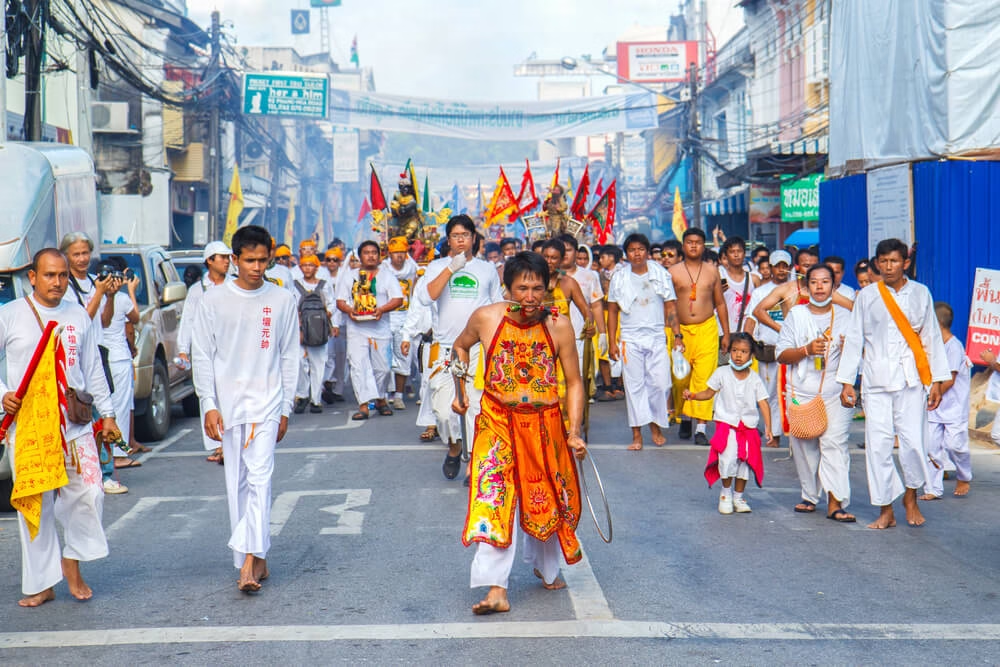
This annual festival takes place in late September or October. Body piercing, fireworks and vegetarian food markets are all part of this nine-day celebration of spiritual purification. It’s an incredibly intense experience that reflects the deep faith of Phuket’s local Chinese community.
Songkran (Thai New Year)
Thai New Year, celebrated in April, is one of the most enjoyable events in Phuket. Songkran is famous for its massive water fights, with entire streets turning into a giant playground. People of all ages — tourists included — join in the refreshing chaos armed with water guns, buckets and hoses. The wildest celebrations are in Patong, where the festivities run for several days.
Loy Krathong (Festival of Lights)
Loy Krathong — often called the Festival of Lights — is one of Thailand’s most beautiful celebrations. It takes place each year in November at the full moon. During the festival, people release small floats made from banana leaves and decorated with flowers, candles and incense sticks onto the water. The act symbolises letting go of sins, releasing negative energy and welcoming new hope.
In Phuket, Loy Krathong is especially popular at lakes, beaches and temple ponds.
Phuket Old Town Festival
Held in the historic centre of Phuket Town, this festival is a celebration of local culture, architecture and traditions. The streets come alive with markets full of traditional food, handcrafts and art. Parades, music and traditional dance performances in costume are all part of the programme.
New Year’s Eve
If you love a proper party, New Year’s Eve in Phuket won’t disappoint. The biggest atmosphere is at Patong Beach, where massive beach parties feature live music, DJ sets and fireworks over the sea. Bangla Road in Patong is equally buzzing, with packed bars, clubs and themed parties going until dawn. Many hotels and resorts also host gala dinners with live entertainment and a midnight toast.
Useful Resources
A comprehensive website dedicated entirely to Phuket — you’ll find pretty much everything here.
A long-running blog about Phuket, in operation since 2006.
Discover More of Thailand
Planning more of your Thailand trip? Browse our other in-depth guides:
Overview & Planning
Northern Thailand
- Northern Thailand Travel Guide
- Chiang Mai: Things to Do
- Chiang Rai Travel Guide
- Pai, Thailand Guide
- Mae Hong Son Travel Guide
- Mae Salong Guide
- Scenic Motorcycle Routes in Northern Thailand
Central & Beach Destinations
- Things to Do in Bangkok
- Ayutthaya Temples & Attractions
- Ko Samui Travel Guide
- Krabi and Ao Nang Travel Guide
Frequently Asked Questions
Is Phuket worth visiting?
Yes — Phuket is Thailand’s largest island and one of its most versatile destinations, where you can build a holiday entirely on your own terms. Nature lovers get stunning beaches, clear seas and easy day trips to Phi Phi, James Bond Island and the Similan Islands, while the historic Old Town, lively night markets and the Big Buddha add plenty of culture beyond the sand. It suits beach holidays, families and independent travellers alike, and works well as a base for exploring southern Thailand.
What is the best time to visit Phuket?
The best time is the dry season from November to April, when temperatures sit around 25–32°C, skies are clear and the sea is calm for beach days and boat trips — though accommodation and flight prices are at their highest. For fewer crowds and lower prices, the shoulder months of October and November are a sweet spot, as the rains taper off before peak season arrives. The rainy season brings warm downpours and rougher seas, but also lush scenery and the lowest prices.
Do I need a visa to visit Phuket?
Citizens of many countries — including most of Europe, the UK, US, Australia and Canada — can enter Thailand visa-free for up to 60 days under the scheme introduced on 15 July 2024, which covers tourism and business visits. You will need a passport valid for the duration of your stay plus proof of onward or return travel. If you want to stay longer than 60 days, you can apply for an extension once you are in the country.
How many days do you need in Phuket?
Plan on at least three to four days to enjoy Phuket’s main beaches, the Old Town and sights like the Big Buddha and Wat Chalong at a relaxed pace. Allow five to seven days if you want to add island-hopping day trips to Phi Phi, James Bond Island or the Similan Islands, as each takes up a full day. Longer stays are easy to fill, since Phuket also makes a convenient base for exploring the rest of southern Thailand.
Is Phuket safe for solo travellers?
Phuket is generally a safe destination, including for solo travellers, as long as you take the usual precautions. Keep an eye on your belongings in busy areas like Patong Beach and the night markets, where petty theft can happen, and agree fares before getting into a tuk-tuk. If you rent a scooter, always wear a helmet, ride carefully and carry an international driving permit, as road accidents are the most common risk for visitors.
Where to Next?
For general practical tips for all of Thailand, start with the overview guide:
For practical tips specific to Northern Thailand:
For guides to individual cities, destinations and points of interest: