This post is also available in:


Mae Hong Son, Thailand, is a laid-back — perhaps even slightly sleepy — little town nestled in a mountain valley, surrounded by an extraordinary number of beautiful places to explore. In and around the town and across the province of the same name, you’ll find sweeping viewpoints, trekking routes, and villages where people still live in traditional ways. With a bit of luck, you might even be among the first foreigners some of those villagers have ever seen.
That said, it does demand a fairly adventurous spirit and the right mode of transport. Wherever asphalt reaches, traditional life quickly gives way to smartphones, pick-up trucks and Adidas trainers.
If I ever write another book, Mae Hong Son is exactly the kind of place I’d settle in for a while.
Heading to the north for the first time? Mae Hong Son pairs perfectly with a stay in Chiang Mai, Thailand — the regional hub most travellers use as their starting point. Check out our complete Chiang Mai guide to plan the first leg of your trip.
This article is part of a multi-part series. For general practical tips, check out the guides on northern Thailand:
- Thailand: a detailed practical guide for independent travel
- Practical guide to Northern Thailand — transport, accommodation, food and more
For tips on individual towns, destinations and points of interest, head to the dedicated guides:
How to Get to Mae Hong Son
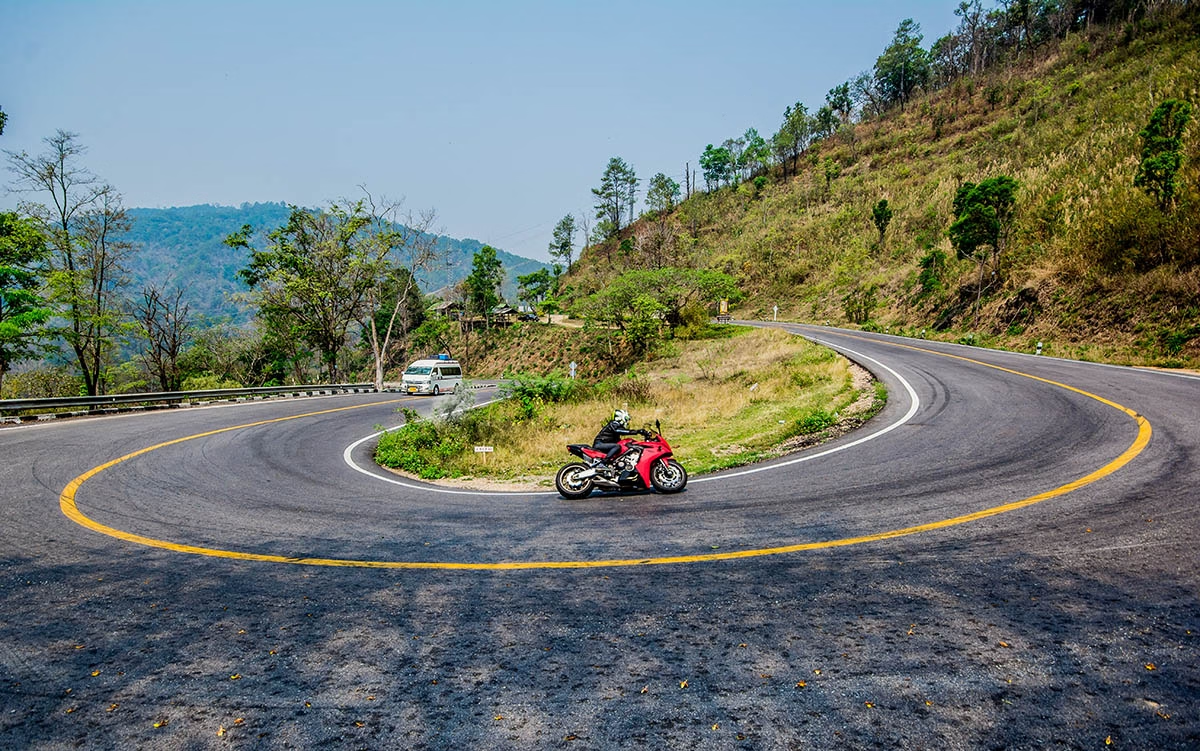
The mountain road from Chiang Mai takes around six hours and throws more than a thousand bends at you. Just like the route to Pai, you can travel by shared minivan or make your own way there.
If you’re riding a scooter or motorbike, do the full Mae Hong Son Loop — a legendary circuit with well over a thousand curves. If you’re not used to long rides, I’d recommend splitting the journey over two days with an overnight stop in Pai.
You can also fly to Mae Hong Son from Bangkok with a stopover in Lampang. Direct flights from Chiang Mai and Bangkok used to operate, but as of early 2024, unfortunately none exist.
What to See and Do in Mae Hong Son
Most of the highlights lie outside the town itself, and my personal favourites were often nothing more than a chance roadside viewpoint or a short hike into the hills. Let’s start with the town of Mae Hong Son itself.
The Lake and Twin Temples: Wat Chong Kham & Wat Chong Klang
Right in the heart of Mae Hong Son you’ll find a small lake flanked by two “sister” temples built in the Burmese style. I’d strongly recommend visiting early in the morning, when local monks head out into the streets for alms and the surrounding mountains are still wrapped in mist.
Evening Market by the Lake
Make sure you return to the lake after sunset too. Every evening a night market sets up here with a fantastic spread of food, while the illuminated golden main pagoda shimmers in the water below. You’ll find all the classic Thai street food favourites, plus — as throughout this region — dishes from Myanmar and various ethnic minority communities.


Wat Phra That Doi Kong Mu
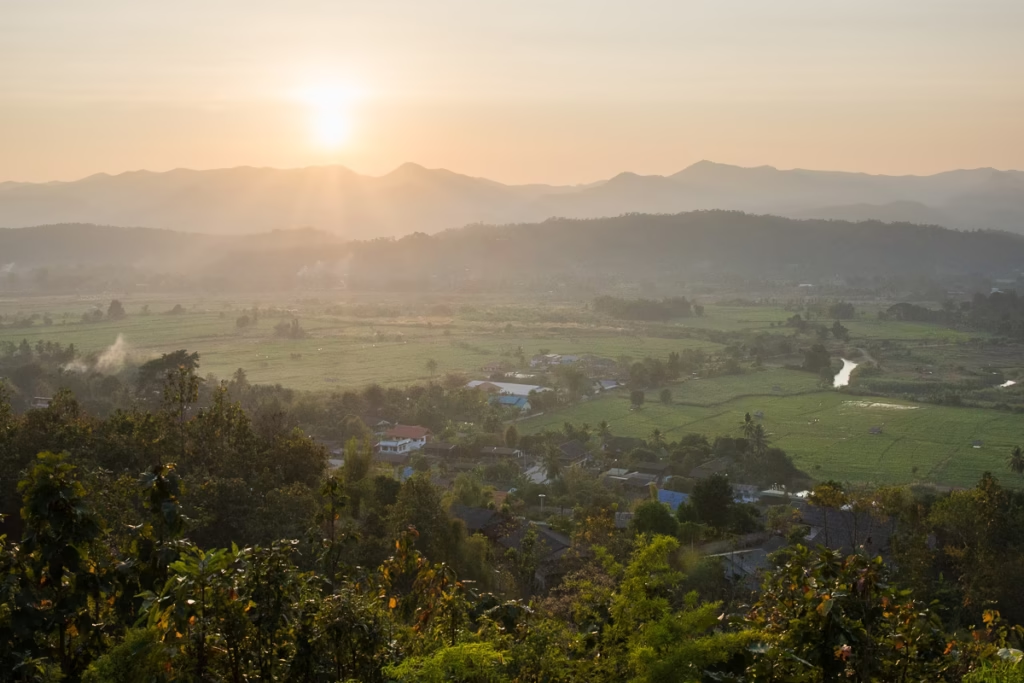
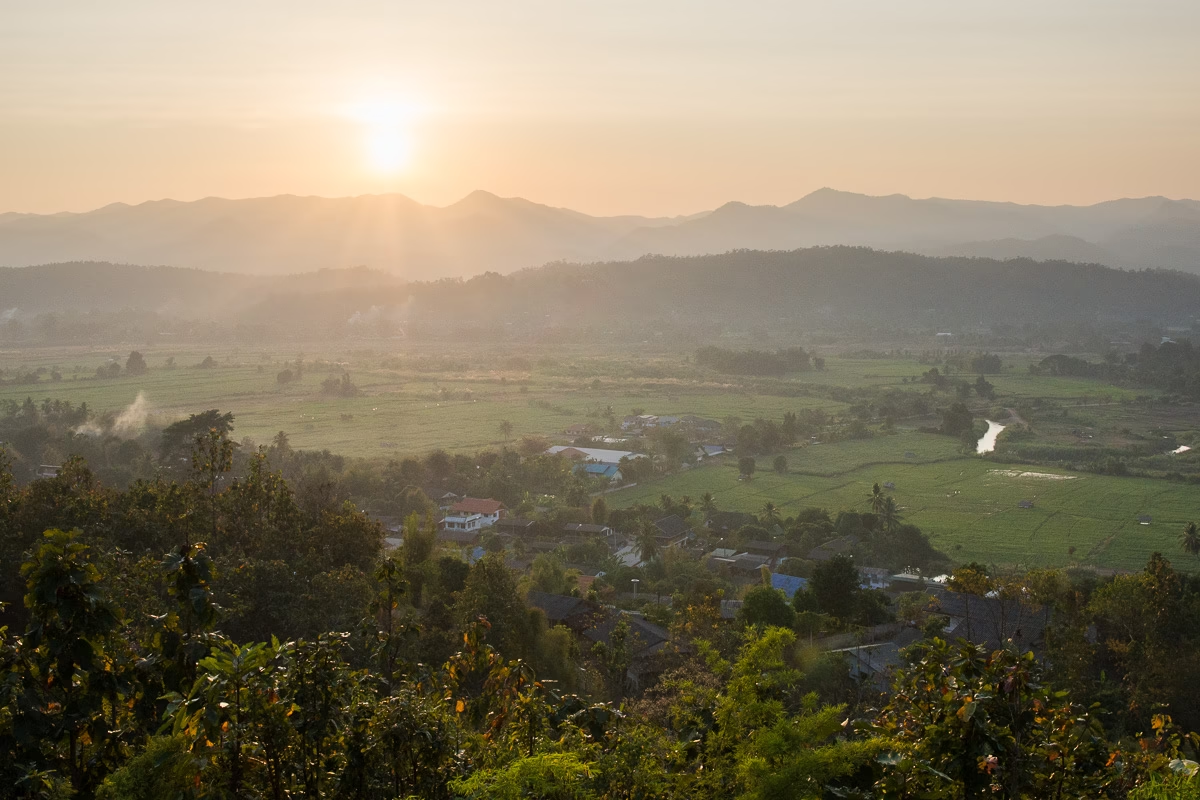
Head up to the white temple perched on the hill above Mae Hong Son for sweeping views over the town and the surrounding mountains. For me it’s the ideal spot for sunrise, though sunset is equally worth the trip.
What to See Around Mae Hong Son
Let’s move on to the wider region and Mae Hong Son province as a whole. Bear in mind that some of these places are more than two hours from the town itself, and without your own transport you’ll have virtually no chance of reaching them.
For tips on the well-known town of Pai — which is also more easily accessible from Chiang Mai — check out the dedicated guide: Pai.
Su Tong Pae Bamboo Bridge
Much like Pai, the area around Mae Hong Son also has a long bamboo bridge stretching across rice fields. It runs from the village of Kung Mai Saak to a nearby temple and measures roughly half a kilometre. You’ll find it just a few kilometres north of town, close to the main road.
Tham Pla – Namtok Pha Suea National Park
A little further along the road towards Pai lies a small national park with caves and waterfalls. It offers everything from short walks to longer trekking routes.
Nam Lod Cave Complex
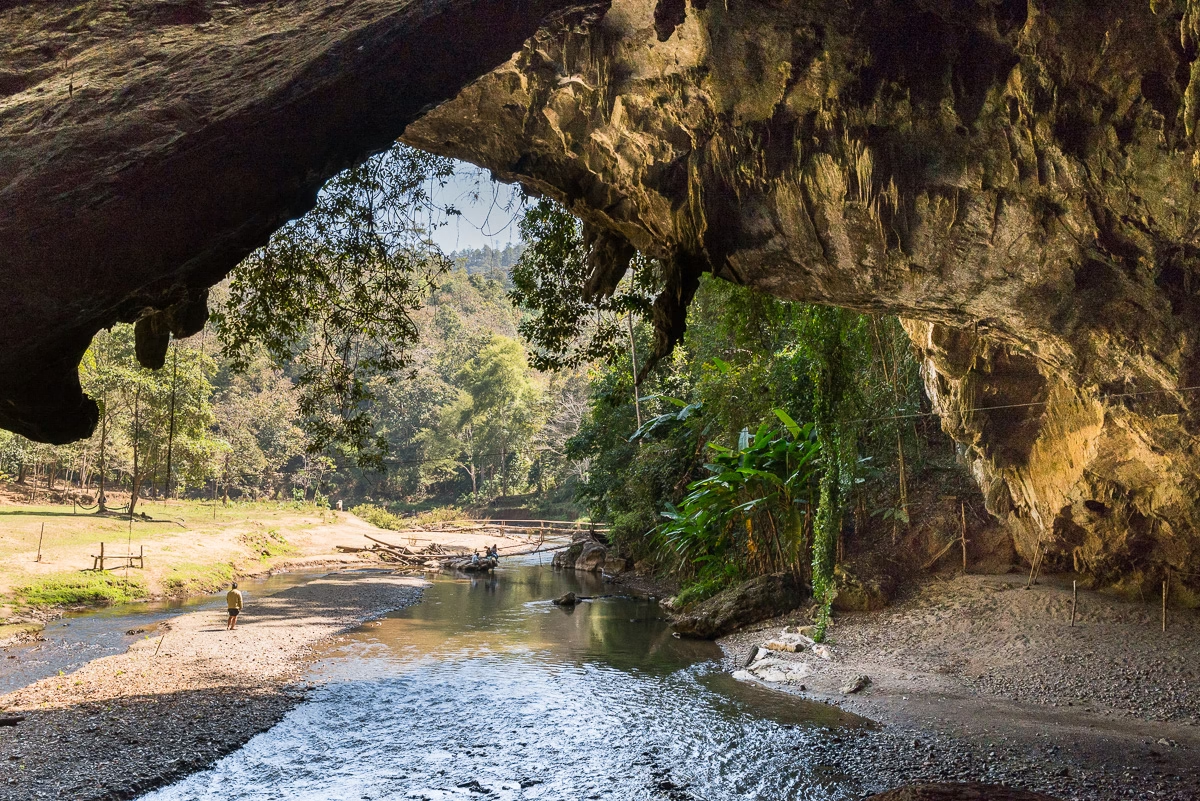
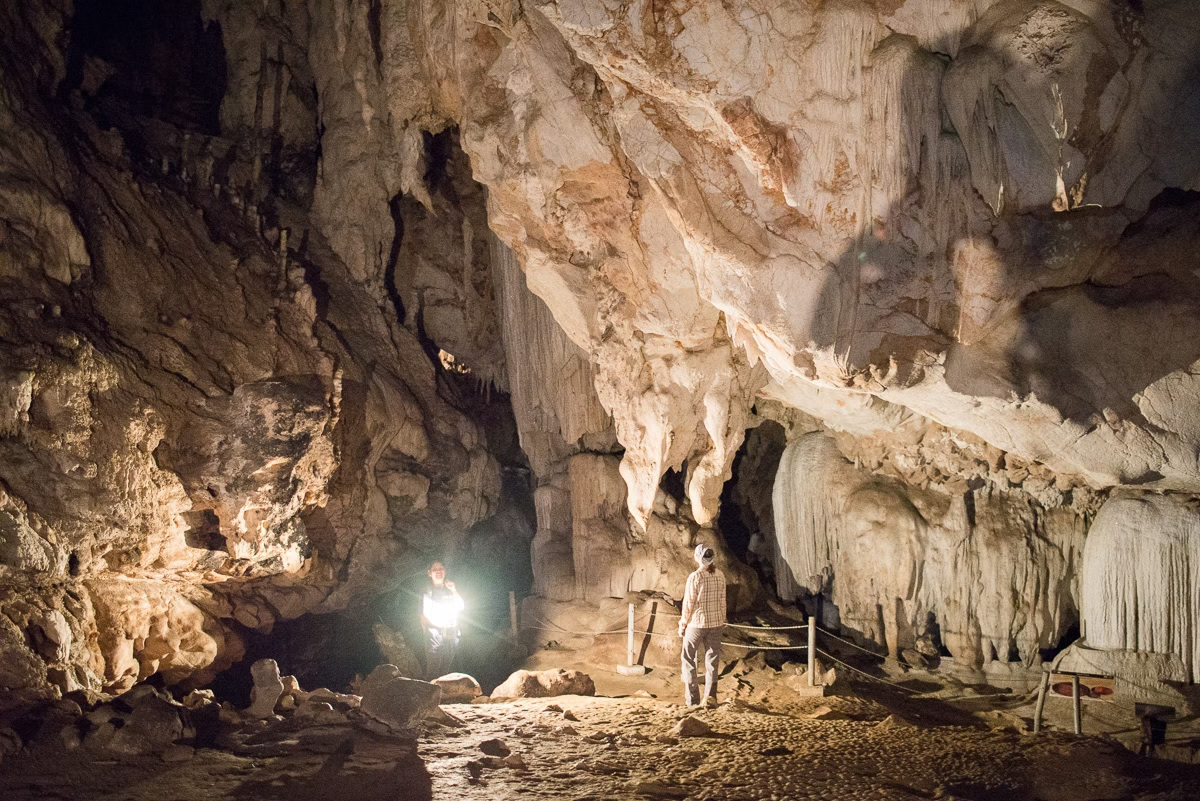
A vast karst cave with an underground lake you can cross by raft, enormous stalactites, a breathtaking main chamber, and thousands of bats and flying foxes. I mentioned Nam Lod in the Chiang Mai area guide, but it’s actually closer to Mae Hong Son than to Pai.
Doi San Fha Sarapee
One of the more easily reachable peaks in the mountains near Mae Hong Son, offering unforgettable panoramic views. The road up is paved, but as with so many places around here, the journey itself is the reward.
Pha Bong Hot Springs
A large thermal pool right next to the main road heading south from Mae Hong Son — perfect for a dip, and massages are available on site. Don’t expect a polished spa resort; the facilities have seen better days. But as a quick stop and soak along the Mae Hong Son Loop, it’s absolutely worth it.
Chinese Village: Ban Rak Thai
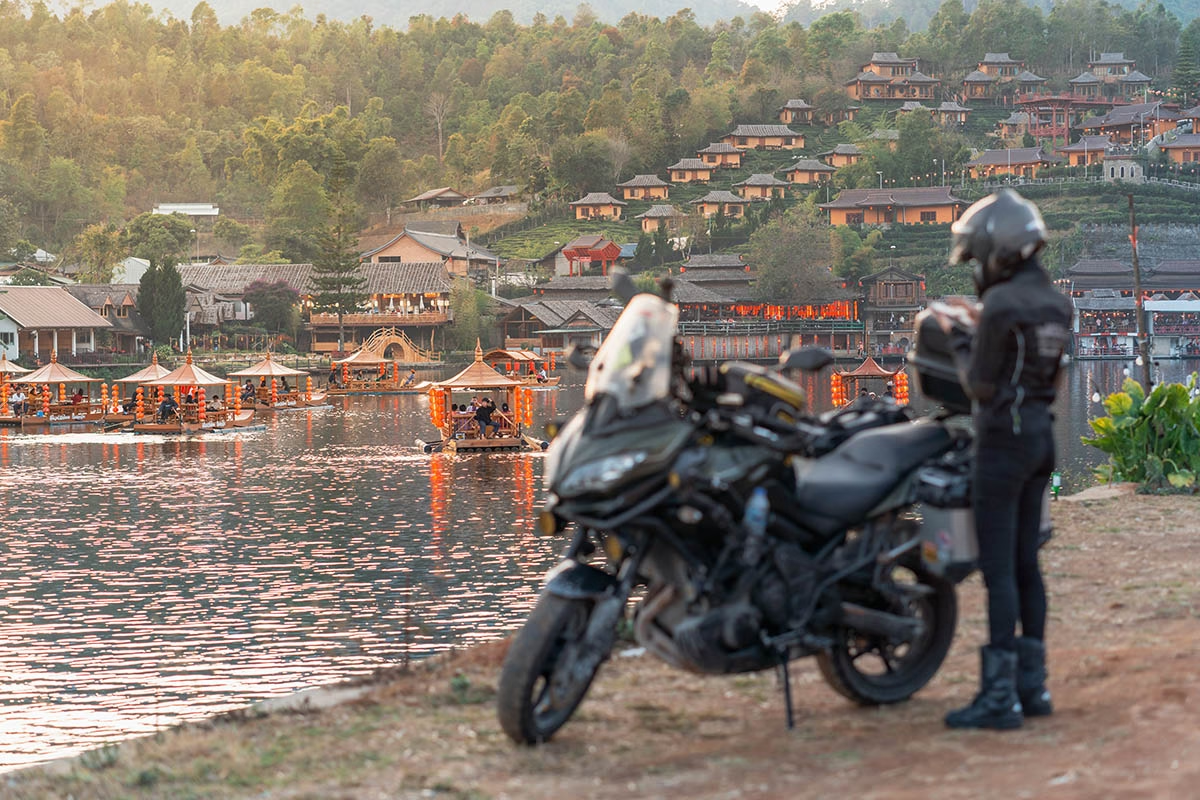
I’d call it an epic Chinese village on the shores of a lake. It was founded by immigrants from China’s Yunnan province following the end of the Chinese Civil War, and they brought their culture, outstanding food and tea traditions with them. Look forward to an evening boat ride under red lanterns, tea plantations and stunning viewpoints. It’s definitely worth spending a night here — just be prepared for accommodation prices that can be noticeably higher than in other towns in the province.
Hill Tribe Villages
Mae Hong Son province, along with Chiang Rai, is one of the best places in Thailand to encounter at least somewhat authentic hill tribe villages. Among them are the Karen (Kayan) people, whom you’ll likely recognise from photos thanks to the women who wear gold rings to elongate their necks.
Visiting the villages that are easy to find on a map still feels ethically borderline to me — but at least these communities don’t function as human zoos, which can’t be said of the most famous ones near Chiang Mai and Chiang Rai. Here, people still live their lives, tend their fields and occasionally earn a little extra by selling things to passing travellers.
One such village is Huay Pu Keng on the Pai River, which you can visit on a day trip from Mae Hong Son. If there are enough people, you can even travel the whole way by boat.
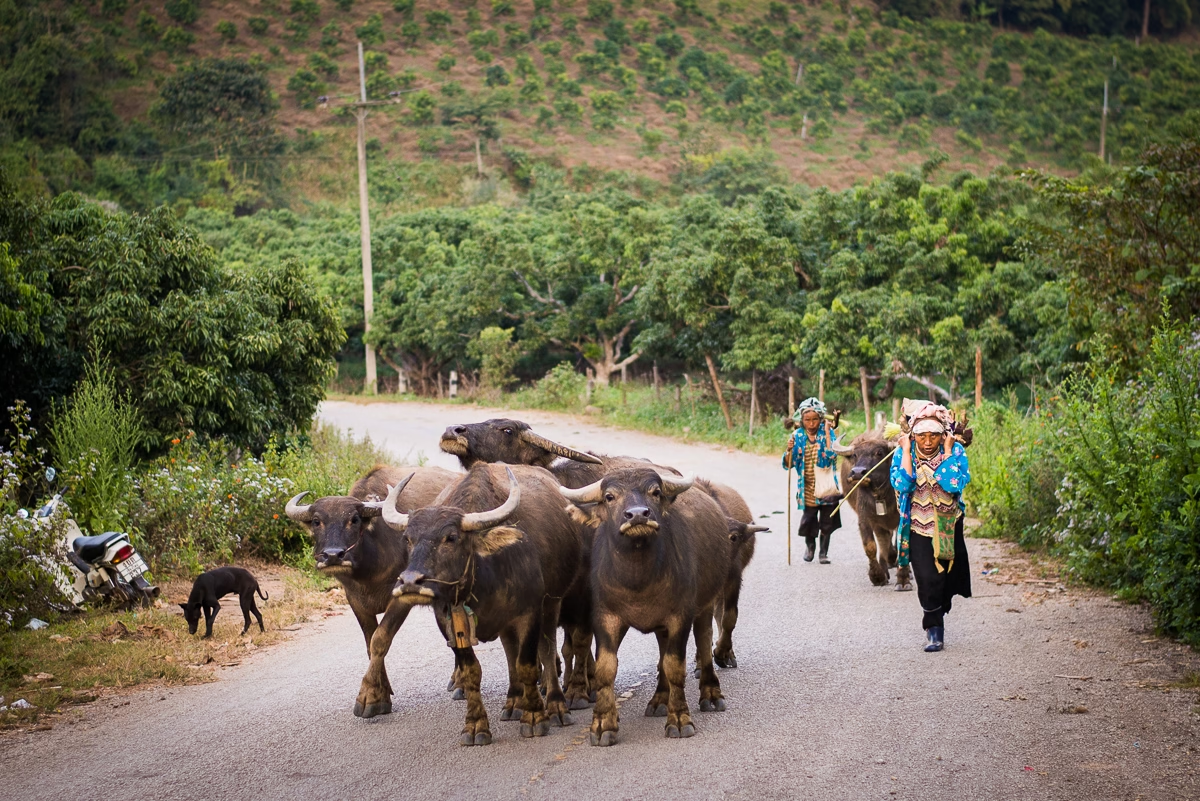
If hill tribe villages interest you deeply, leave room for spontaneous wandering — ideally off the paved roads. There are plenty of them up in the mountains; the Hmong people are probably the ethnic group I encountered most often.
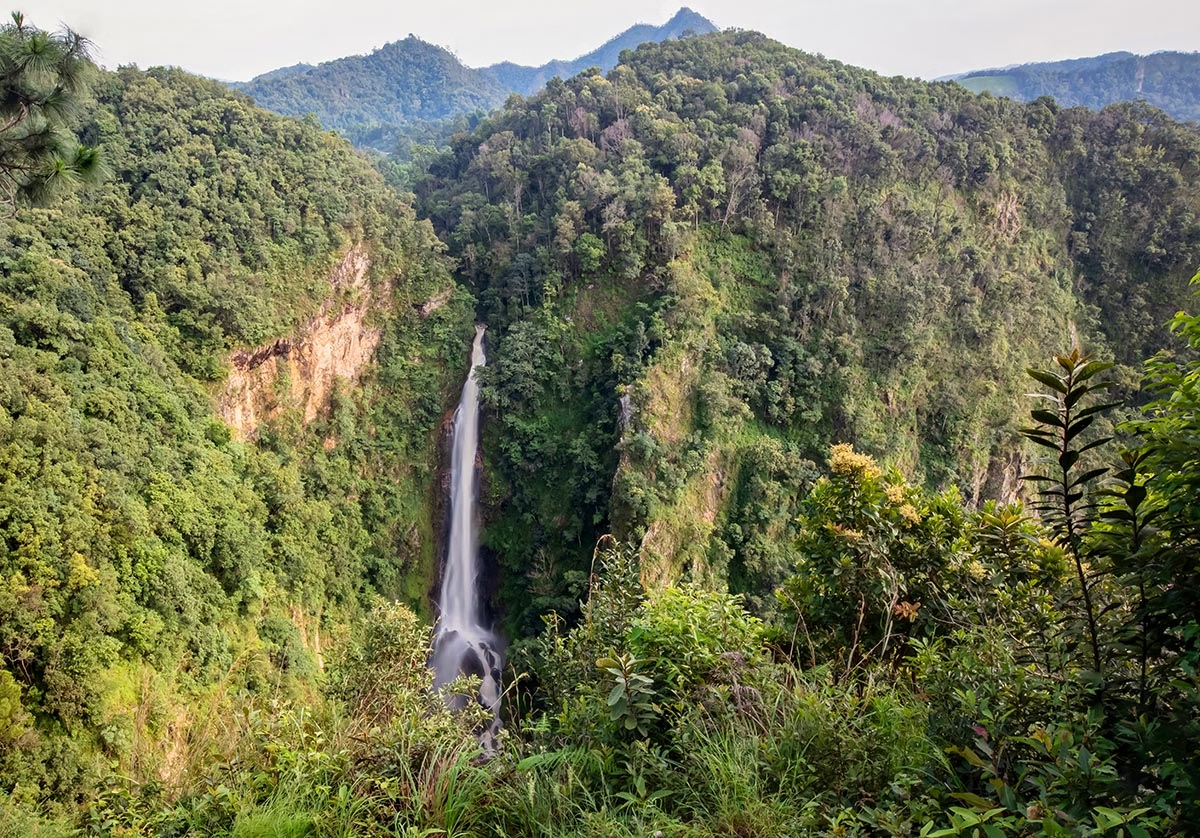
Mae Surin Waterfall
A beautiful, remote waterfall deep in the mountains — one of those places where the journey there is half the adventure. It’s most impressive during the rainy season, or up until roughly mid-December, after which the flow tends to weaken.
You reach it via the narrow Route 4009, which is at least paved coming from the south. I once approached from the north too, turning off the main road near a bridge over the Cha River — but I can’t promise tarmac on that side. I was on a fairly capable off-road bike and deliberately chose every possible “shortcut” of the “longer and worse” variety.
Doi Mae U Kho
One of many beautiful hills in the area, this one stands out because from December to mid-February vast fields of sunflowers bloom across its slopes. Thai tourists flock here to take photos, which also means food stalls, coffee vendors and souvenir sellers. There’s a campsite here too if you want to spend the night.
You’ll find it close to Mae Surin Waterfall.
Poy Sang Long Festival
A significant portion of the province’s population descend from the Shan ethnic group of Myanmar rather than being ethnically Thai. You’ll notice it in the Burmese-influenced temple architecture, in the people you’ll frequently see wearing thanaka paste on their faces, and in the local customs and traditions, which are distinctly different.
One of the most important — and apparently very photogenic (I say “apparently” because I haven’t had the pleasure yet) — events is the Poy Sang Long festival. It usually falls at the beginning of April and celebrates the ordination of young boys as novice Buddhist monks, the first step on the path to becoming fully ordained. The festivities take place in Mae Hong Son itself but especially in smaller towns and villages throughout the province, featuring prayers and rituals at temples alongside vivid, colourful processions.
Practical Tips for Travelling in Mae Hong Son Province
Be prepared for occasional police checkpoints — there’s nothing to worry about: as soon as they see you’re a tourist, they’ll wave you through. Unless, that is, you’re trying to enter a restricted area near the Myanmar border. The checkpoints are primarily targeting opium smugglers.
During winter (November to February), Mae Hong Son province is among the coldest in all of Thailand. In the mountains in the morning you can easily experience temperatures close to freezing, so pack accordingly.
On the plus side, the winter season is almost entirely dry, which makes it ideal for exploring the province. During the rainy season (June to October), the landscape turns lush and green, but you may well encounter flooded road sections — and don’t get me started on the unpaved tracks.
From early February, the so-called “burning season” gradually kicks in, when farmers — mainly in neighbouring Myanmar but also partially in Thailand — burn their fields before the rains return so they can replant. Unfortunately this means reduced visibility and air quality that isn’t great to breathe for extended periods.
Where to Stay in Mae Hong Son
Mae Hong Son is small, so you can either stay right in town — handy for the lake, temples and night market — or head just outside into the rice fields and forest for a quieter, more scenic base. Here are well-rated options for both.
In the centre of town
- PeRim House – Small family-run guesthouse by the lake, a two-minute walk from the night market; friendly owners and free parking.
- Teak House In Town – Cosy teak studio with a kitchenette on a quiet side street, a short walk from the lake, pagoda and markets; superb bed and a hands-on host.
Outside the centre & in nature
- Jeerang Countryside Resort – Bungalows set among rice paddies, a 10-minute walk from the lake and night market; quiet, with great sunsets, good breakfast and excellent value.
- Suan Son Homestay – Peaceful homestay 1.5 km from the centre with a lovely garden and chill-out terrace; comfortable beds and very welcoming owners.
- Fern Resort Mae Hong Son – Eco-resort of Shan-style wooden bungalows in lush gardens 15 minutes from town; two pools, a great restaurant and a free town shuttle.
- Sang Poy Cottage – Modern cottages with rice-paddy and mountain views in Kung Mai Sak, by the Su Tong Pae bamboo bridge; terrace restaurant and free bikes.
Discover More of Thailand
Planning more of your Thailand trip? Browse our other in-depth guides:
Overview & Planning
Northern Thailand
- Northern Thailand Travel Guide
- Chiang Mai: Things to Do
- Chiang Rai Travel Guide
- Pai, Thailand Guide
- Mae Salong Guide
- Scenic Motorcycle Routes in Northern Thailand
Central & Beach Destinations
- Things to Do in Bangkok
- Ayutthaya Temples & Attractions
- Things to Do in Phuket
- Ko Samui Travel Guide
- Krabi and Ao Nang Travel Guide
Frequently Asked Questions
Is Mae Hong Son worth visiting?
Yes — Mae Hong Son is one of northern Thailand’s most rewarding destinations if you love mountain scenery, trekking and authentic hill tribe culture without the crowds. The laid-back town sits beside a lake with twin Burmese-style temples and a lively night market, while the surrounding province is packed with caves, waterfalls, hot springs and sweeping viewpoints. It rewards travellers with an adventurous spirit and their own transport.
What is the best time to visit Mae Hong Son?
The best time is the cool, dry season from November to late January, when conditions are ideal for exploring — though mountain mornings can drop close to freezing, so pack warm layers. Try to avoid the “burning season”, which builds from early February through April and brings reduced visibility and poor air quality. The rainy season (June to October) turns the landscape lush and green but can leave roads flooded or muddy.
How far is Mae Hong Son from Chiang Mai?
Mae Hong Son is around a six-hour drive from Chiang Mai along a spectacular mountain road with well over a thousand bends. You can travel by shared minivan or self-drive, and many travellers ride it as part of the Mae Hong Son Loop, splitting the journey over two days with an overnight stop in Pai. As of early 2024, there are no direct flights between Chiang Mai and Mae Hong Son.
Where to Next in Northern Thailand?
Planning to spend more time in the region? Great choice.
We’re putting together detailed guides to more popular destinations as well as tips on stunning places that international tourism has yet to fully discover.
- Chiang Mai and surroundings
- Chiang Rai
- Pai
- More day trips in northern Thailand
Looking for more practical tips for travelling independently in Thailand? Everything you need is covered in these two articles:
- Thailand: a detailed practical guide for independent travel
- Practical guide to Northern Thailand — transport, accommodation, food and more