This post is also available in:


Warsaw is one of Europe’s most compelling capitals, yet many travellers still overlook it in favour of Berlin or Budapest for a long weekend away. That’s a shame — because the things to do in Warsaw deliver a powerful, history-charged experience you simply won’t find anywhere else. Here’s how to make the most of your trip: what to see, what to eat, where to stay, and how to find local prices and authentic experiences.

We cover other Polish cities in detail in their own guides:
Why Visit Warsaw
They say Berlin is Europe’s New York. Warsaw, meanwhile, is often called the new Berlin. Whatever you make of such comparisons, trust us — Warsaw is different. Maybe it’s because almost the entire city was destroyed during the war, or maybe it’s because the hipster scene set against post-communist backdrops takes on a completely different dimension here.
What’s certain is that you’d be hard pressed to find a more laid-back atmosphere anywhere in this part of Europe. Soak up the charm of Poland’s capital in relaxed cafés, lively bars, and genuinely engaging museums.

How to Get to Warsaw
Your choice of transport comes down to cost, travel time and comfort — as always.
The fastest option is a direct flight. Budget airlines connect Warsaw with cities across Central Europe, though fares can add up quickly — especially for weekend travel.
A more affordable option is the train. Book in advance and you can find very reasonable fares. Direct services run from several Central European cities; journey times vary from around 5 hours (from cities close to the Polish border) to 8–10 hours from further afield.
Planning to take the train to Warsaw? Check out our tips on travelling Europe by rail for less.
You can also reach Warsaw by direct long-distance bus, which is usually the cheapest option. Journey times are typically 10–12 hours from Central European cities, but fares are hard to beat.

When to Go and Why
Like most Central European cities, Warsaw can be visited year-round. You’ll enjoy it most in the warmer months, when café and bar terraces come alive, parks fill up and you can lounge on the city beach along the Vistula. Colder months bring lower temperatures and shorter days — something to factor in. Generally, the best time to visit Warsaw is between April and September.
Visas and Entry Requirements
Poland is part of the Schengen Area, so most visitors from EU countries and many others don’t need a visa for a short stay. Border checks are minimal, but always carry your passport or ID. If you’re planning to stay longer than 3 months, you’ll need a residence permit. Visitors from outside the EU/Schengen zone should check current entry requirements before travelling.

Money and Prices
Despite being an EU member state, Poland keeps its own currency — the złoty (PLN), divided into 100 groszy. You won’t get far with euros here, so exchange some cash before or on arrival.
Card payments are widely accepted across Warsaw — you can pay by card almost everywhere. ATMs are plentiful, and currency exchange offices are easy to find if you need cash.
Which travel card should you bring to Warsaw? We never go anywhere without our Revolut card.
Prices in Warsaw are competitive with other Central European capitals — significantly cheaper than Western European cities. Budget travellers can get by on as little as €20 a day, though that means staying in a dorm, self-catering and walking everywhere.
- Accommodation: From around €8–12 for a hostel dorm bed; from around €45 for a double hotel room or a private apartment.
- Food: Around €5 at a Bar Mleczny canteen; €6–10 at a typical restaurant.
- Drinks: About €1 for a small water; around €2.50 for a draught beer.
- Groceries: Milk (1 L) ~€0.60; bottled water (1.5 L) ~€0.60; local beer (0.5 L) ~€1; wine (0.75 L) ~€6; bread ~€0.80; rice (1 kg) ~€0.80; eggs (12) ~€1.80; local cheese (1 kg) ~€6; chicken breast (1 kg) ~€4.
- Attractions: Palace of Culture and Science observation deck ~€5.
- Public transport: ~€3.50 for a day pass; ~€8.50 for a three-day pass.
Getting Around Warsaw
From the Airport
All Warsaw public transport — metro, trams, buses and city trains — operates under a unified ticketing system. One ticket gives you unlimited transfers across all modes of transport for the valid period.
Students under 26 with a valid ISIC card are entitled to a 50% discount. Tickets can be bought at ticket machines, on board most vehicles (card payment accepted) or via the mobile app.
Getting to and from the airport is easy by city train or bus. Once in the city centre, you’ll most likely rely on trams, the metro or buses to reach your accommodation.

Around the City
- Public transport: ~€0.80 for 20 minutes; ~€1 for 75 minutes; ~€1.60 for 90 minutes; ~€3.50 for a day pass; ~€8.50 for a three-day pass; ~€5.50 for a weekend pass (Friday 7 pm to Monday 8 am).
- Taxi: ~€2 base fare; ~€0.60 per km.
- Bike share: ~€2.50 access fee; first 20 minutes free; small charge per additional 20–60 minutes, increasing with each subsequent hour.
Food You Have to Try
You won’t go hungry in Warsaw. As a modern metropolis, it offers both a wide selection of restaurants serving local cuisine and plenty of spots for international food.
Traditional Polish cooking is hearty and filling. Expect plenty of meat, eggs, cream, cabbage and potatoes. Dig a little deeper and you’ll find that Polish cuisine reflects Jewish, Ukrainian, Russian, German and even Hungarian influences.
Thinking about other European cities to explore? Check out our guide to Vienna.
For a cheap, traditional snack to take on a walk, grab a toasted open baguette with various toppings — zapiekanki. A hearty soup can easily double as lunch: try the sourdough rye żurek, beetroot barszcz, sorrel soup (szczawiowa), or chilled chłodnik. You simply can’t leave Warsaw without trying pierogi — dumplings filled with sauerkraut and mushrooms, cottage cheese, or meat. Polish desserts tend to be on the indulgent side too — pancakes and fruit dumplings will brighten any day. And for a snack on the go, grab a sweet pączek (doughnut) to go with your coffee.
If Polish cuisine isn’t your thing, don’t worry. Warsaw has restaurants covering every style of cooking, including Asian and vegan.
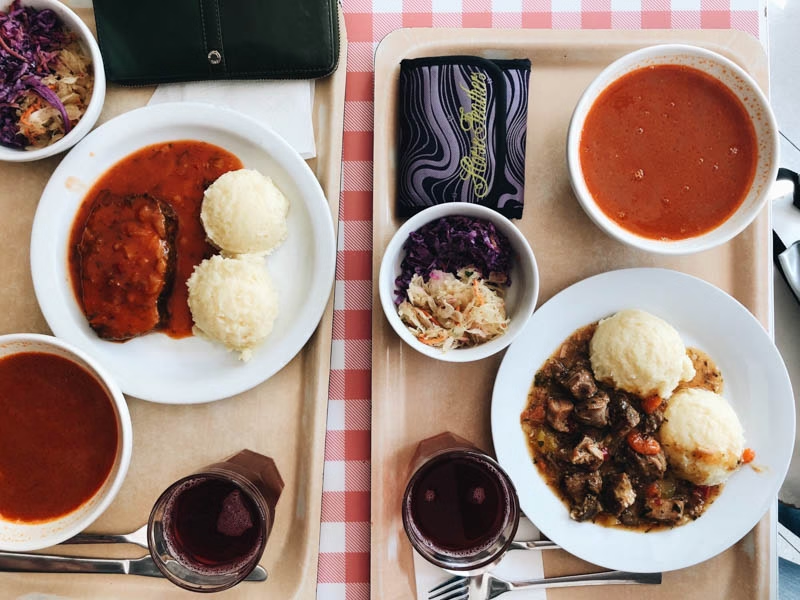
Restaurant Tips
Bar Mleczny
Want to eat like a local? Head to one of Warsaw’s legendary “milk bars” — don’t be misled by the name, these canteens serve classic Polish home cooking, not just dairy. And the prices are brilliant.
Gosciniec Polskie Pierogi
A renowned restaurant in the city centre serving exceptional pierogi.
Pyzy Flaki Gorące
Traditional stuffed dumplings (pyzy) and tripe soup (flaki) served with a trendy twist — in a glass jar! A great lunch or dinner spot when you’re exploring the Praga district.
Restauracja Polka
Looking for something a little more upscale? Restauracja Polka is the answer — modern dishes rooted in traditional Polish recipes.
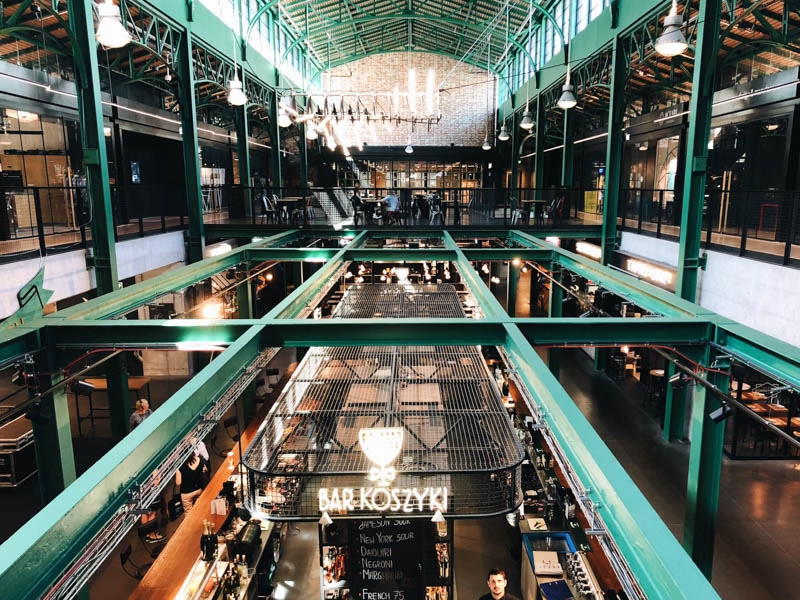
Hala Koszyki
A food market set in a stunning historic hall, with 18 different bistros and restaurants. Perfect for lovers of world cuisine, vegans and vegetarians alike.
Warszawa Powiśle
This restaurant and bar wins as much on atmosphere as on food. Set in a former railway station, it’s best enjoyed on a warm day when the terrace truly comes alive.
Być Może
Love a good breakfast or brunch? Stop by the Być Może bistro before heading into one of Warsaw’s most beautiful parks, Łazienki.
Where to Stay in Warsaw
The most popular area to stay is around the central station (Śródmieście district). Prices are reasonable, most Warsaw attractions are walkable and public transport connections are excellent. Staying in the surrounding neighbourhoods is equally convenient.

If you can, avoid hotels right in the Old Town. You’d be staying somewhere picturesque, but getting to other parts of the city becomes a hassle.
Also worth considering: accommodation in the Praga district, across the Vistula. Prices are even lower there, and the neighbourhood has a creative, artsy vibe that many travellers love.
Warsaw has options for every type of traveller.
- Travelling solo and love meeting people? Lull Hostel offers both dorms and private rooms. Safestay Warsaw Old Town is another solid budget option.
- Groups or couples wanting more privacy will appreciate apartments like Kazou Residence Arkadia or Warsaw Apartments Bliska Wola.
- For a luxury stay, look no further than the iconic Hotel Bristol or InterContinental Warszawa.
Health and Hygiene
Warsaw poses no unusual health risks. Standards are on a par with other EU capitals. Tap water is safe to drink, and pharmacies stock most common over-the-counter medicines. Make sure you have travel insurance in place before you go — it’s always worth it, even for a short city break.
Not sure whether travel insurance is worth it for a nearby destination? It almost always is — check out our guide to choosing the best short-term travel insurance.
Safety
Warsaw is a safe city by European standards. The risk of violent crime is low. As with any major city, stick to common-sense precautions: stay aware of your surroundings, don’t keep all your valuables in one place, and avoid leaving anything accessible in an outer bag pocket.
Religion, Public Holidays and Traditions
The vast majority of Poles identify as Christian, predominantly Roman Catholic. The Church still plays a significant role in public life, and most holidays and traditions are rooted in religion. Easter is the most important holiday — Poles celebrate it with family, and the city can feel notably quiet, with many shops and attractions closed. Christmas, on the other hand, brings magical markets typical of Central European cities.
If you’re purely chasing Christmas market atmosphere, smaller Polish cities closer to the borders can be just as rewarding.
Fascinated by Polish history and culture? Explore another great city — discover Kraków.
Good to Know
- Warsaw shares many traits with other Central European cities, so you won’t face a dramatic culture shock.
- Polish and other Slavic languages share some common ground, so if someone doesn’t understand your English, trying a related Slavic language might occasionally help.
- It’s worth understanding something about the people of Warsaw. Poland has an extraordinarily complex history, and Varsovians in particular have lived through events that are almost unimaginable. Be patient and open-minded. Their mentality may feel different at first, but once you give it space, you’ll begin to understand the weight that history has placed on every Pole. That understanding will make your visit far richer.
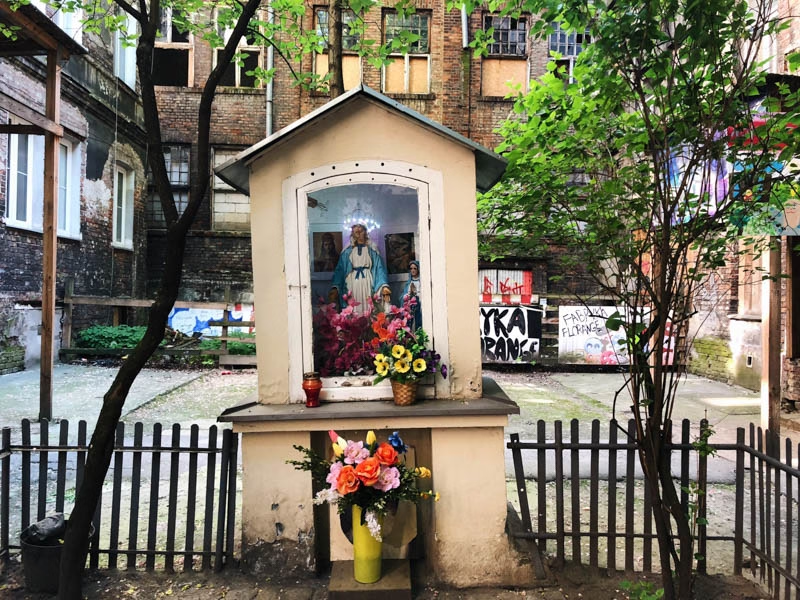
Top Warsaw Attractions: Personal Picks
There’s a huge amount to see and do in Warsaw. Here are the highlights we’d put at the top of your list.
Łazienki Palace
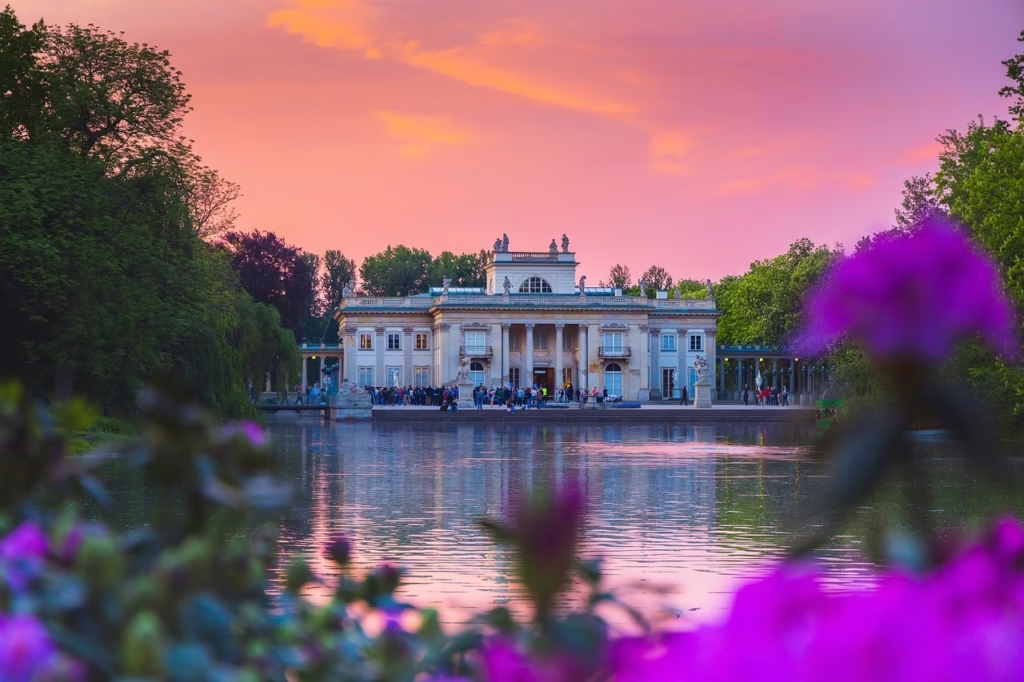
Łazienki Palace appears in virtually every Warsaw travel guide — and for good reason. This baroque palace in the heart of the city is a stunning piece of architecture in its own right, but the surrounding park is just as impressive: fountains, sculptures and manicured flowerbeds spread out in every direction. The palace also regularly hosts cultural events and concerts.

Fryderyk Chopin Museum
A museum dedicated to the life and work of Poland’s most celebrated composer. Located in a villa on the edge of Łazienki Park, it displays a wealth of personal items and documents — including Chopin’s own piano. An immersive experience for music lovers.
The Old Town
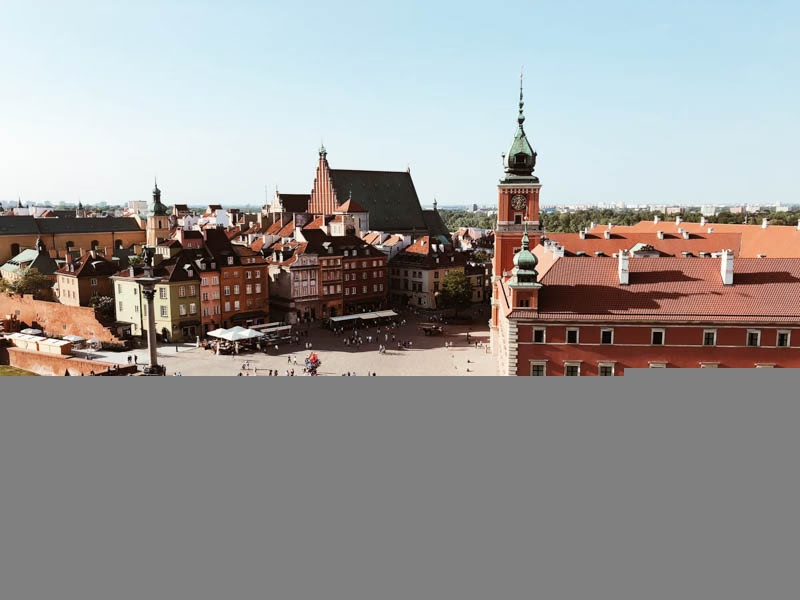
A UNESCO World Heritage Site with beautiful architecture and a wonderfully evocative atmosphere. Stroll the cobbled lanes, visit the Cathedral of St John the Baptist, take in the Barbican, and enjoy sweeping views of the city from the observation point.

Café Culture
Warsaw’s café scene is impressive — a real delight for coffee lovers. Skip the chains and settle in at one of the city’s independent spots: try Ministerstwo Kawy, Kawiarnia Kafka, eMeSeN, Wrzenie Świata, Coffeedesk Kawiarnia, Relaks or Kofi Brand. Or ignore all of our suggestions entirely and discover your own hidden gems — Warsaw has them in abundance.
Pawilony Nowy Świat
Looking for a good night out? This is the place. A cluster of quirky bars with an eclectic crowd, just a short walk from the historic city centre. Expect plenty of interesting people and even more interesting drinks.
Book a Tour with a Local Guide
Centrum Nauki Kopernik (Copernicus Science Centre)
One of Europe’s best interactive science museums. An absolute must if you’re travelling with children — but genuinely fun for adults too. Set aside a full day: we’re not exaggerating.
Warsaw Rising Museum (Muzeum Powstania Warszawskiego)
The Museum of the Warsaw Uprising is a full-day experience that shouldn’t be missed. The story of the uprising is gripping, and the museum is exceptionally well designed. Entry is free on Sundays; on other days adult admission is around €6.
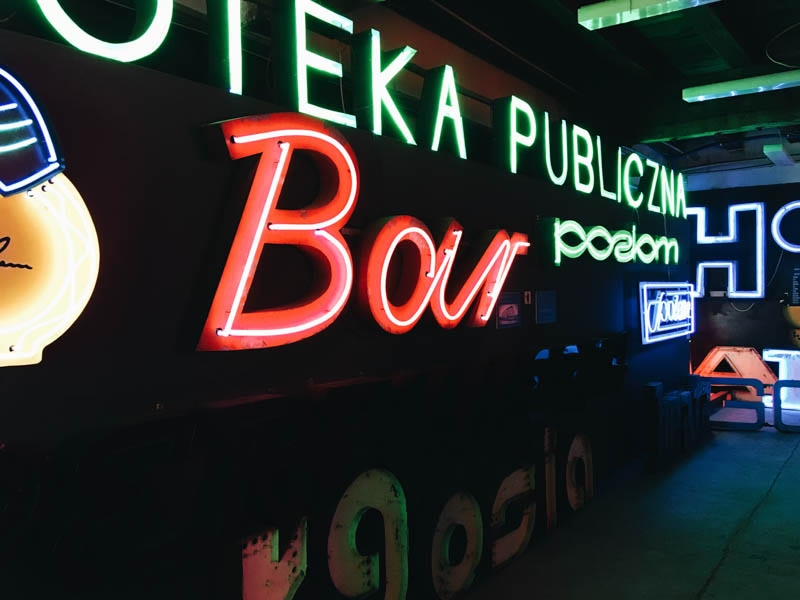
Neon Museum (Muzeum Neonów)
Did you know how significant neon signs are to Warsaw’s identity? If not, this is the place to find out. It won’t take long to visit, and you can easily combine it with a walk around the Praga district and the famous Soho Factory.
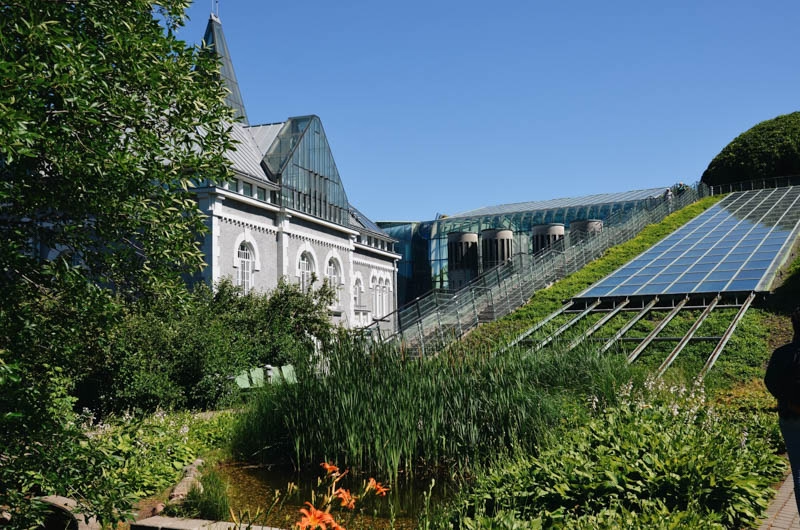
Biblioteka Uniwersytecka (University Library Rooftop Garden)
A green oasis in the middle of the city, with a spectacular panoramic view of Warsaw. The rooftop garden above the university library covers over a hectare and is a genuinely peaceful escape — popular with students and weary sightseers alike.
Pałac Kultury i Nauki (Palace of Culture and Science)
The view from the top of the Palace of Culture and Science is not to be missed. Warsaw spread out below you is spectacular at any time of day — but time your visit for sunset and it becomes something else entirely.
The Vistula River
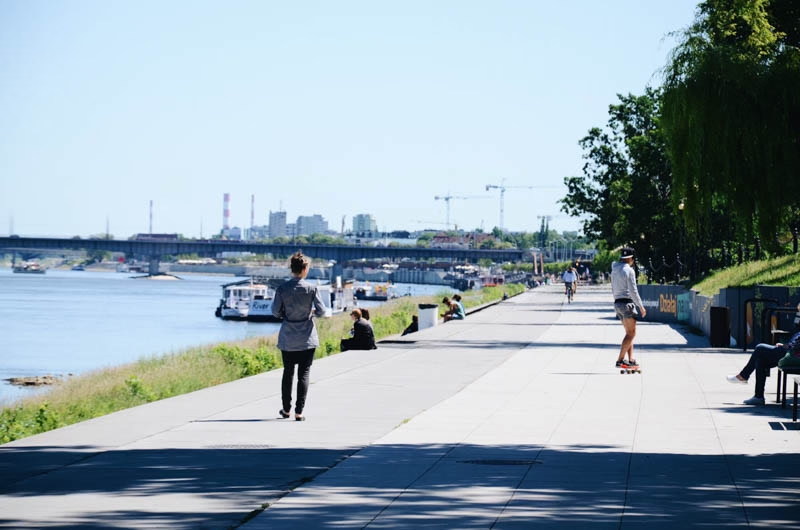
As in many European cities, the river is the heartbeat of Warsaw. Walk along the Vistula, find a spot to sit and recharge, and in summer take advantage of one of the city’s riverside beaches. Our favourite is Plaża Poniatówka — the atmosphere there is unique.
Where to Find More Information
The official tourism website for Warsaw — the best starting point for most of your questions.
A comprehensive online guide to the Polish capital.
A thorough Warsaw guide written by travel blogger Anna Karsten.
Lonely Planet
If you prefer a good old-fashioned printed guidebook, Lonely Planet’s Poland guide is well worth picking up.

Jana Ščamburová
This Warsaw guide was written by Jana Ščamburová, an enthusiastic traveller who has been roaming the world intensively for two years. She regularly shares her travel experiences on Instagram.