This post is also available in:


Looking for the best things to do in Děčín? This Czech border town sits where the Elbe River cuts through a sandstone massif to form one of the most impressive canyons in Europe. The town itself offers far more than most visitors expect at first glance: a baroque castle, the Pastýřská stěna cliff with a panoramic restaurant and via ferrata, plus a charming zoo.
It also makes a great base for day trips into the landscape of the Elbe Sandstones, Bohemian Switzerland National Park, the Tisá Rocks, and the northern part of the Central Bohemian Uplands.
Give the town a chance — it has surprised me very pleasantly several times. Below are my tips on how to get to know Děčín in depth and make the most of your visit.
Why visit Děčín
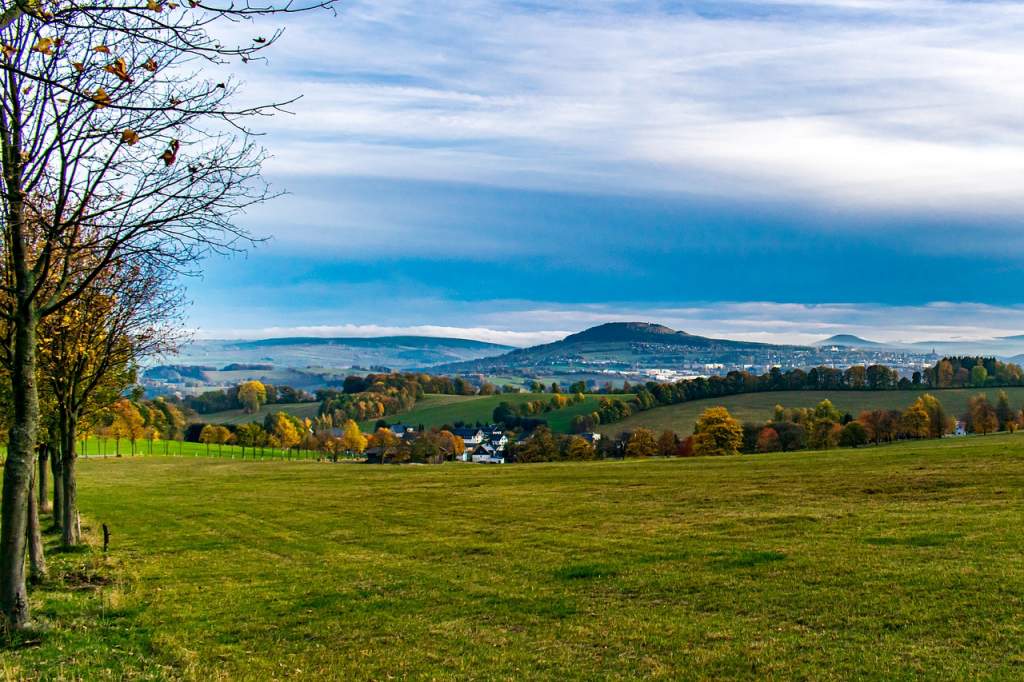
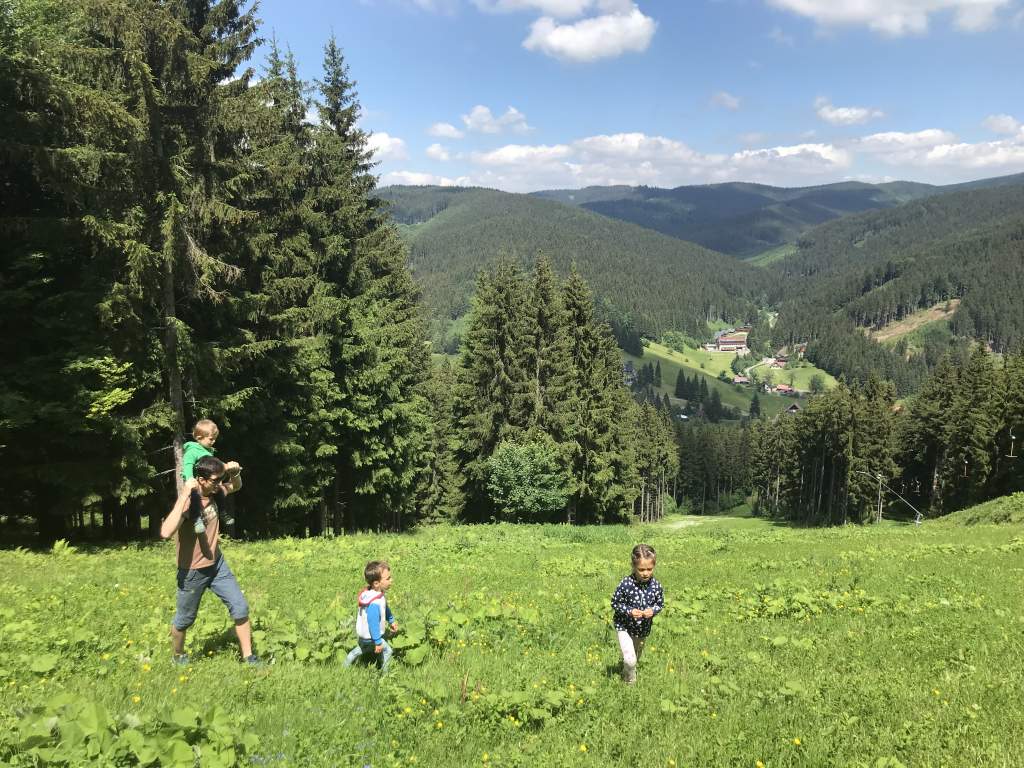
Thanks to its sprawling forests and meadows, Děčín ranks among the greenest towns in the Czech Republic. The immediate surroundings offer a dense network of hiking and cycling trails.
The Elbe canyon, lookout towers on Sněžník, Sokolí vrch and Velký Chlum, rocky viewpoints above the river — everything within 15 km of the centre. Most destinations are reachable without a car, by public transport or seasonal cycle buses.
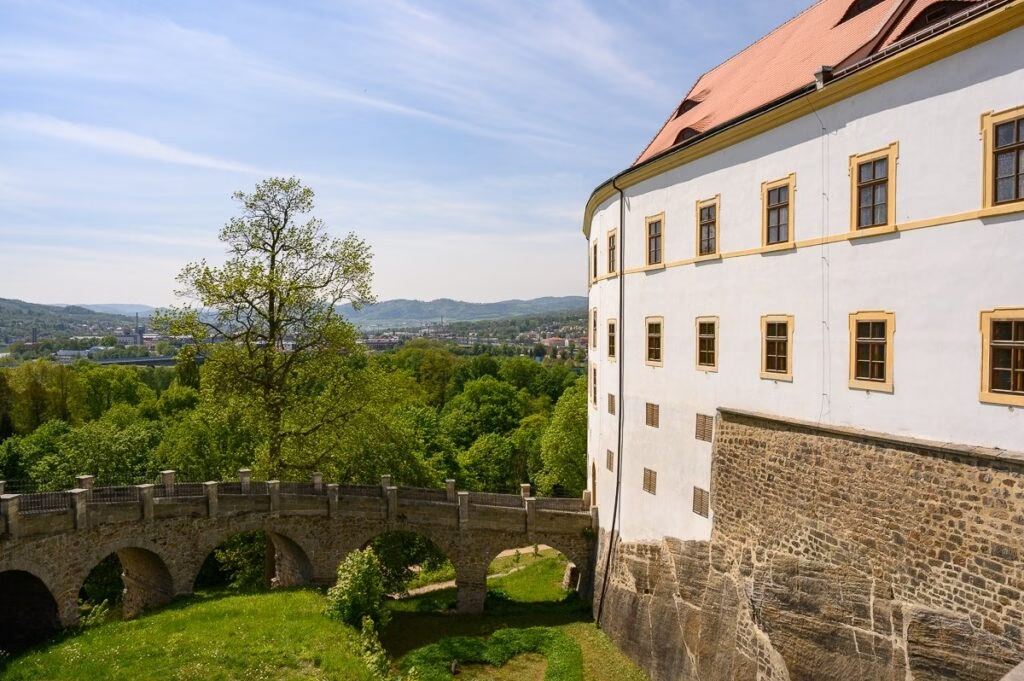
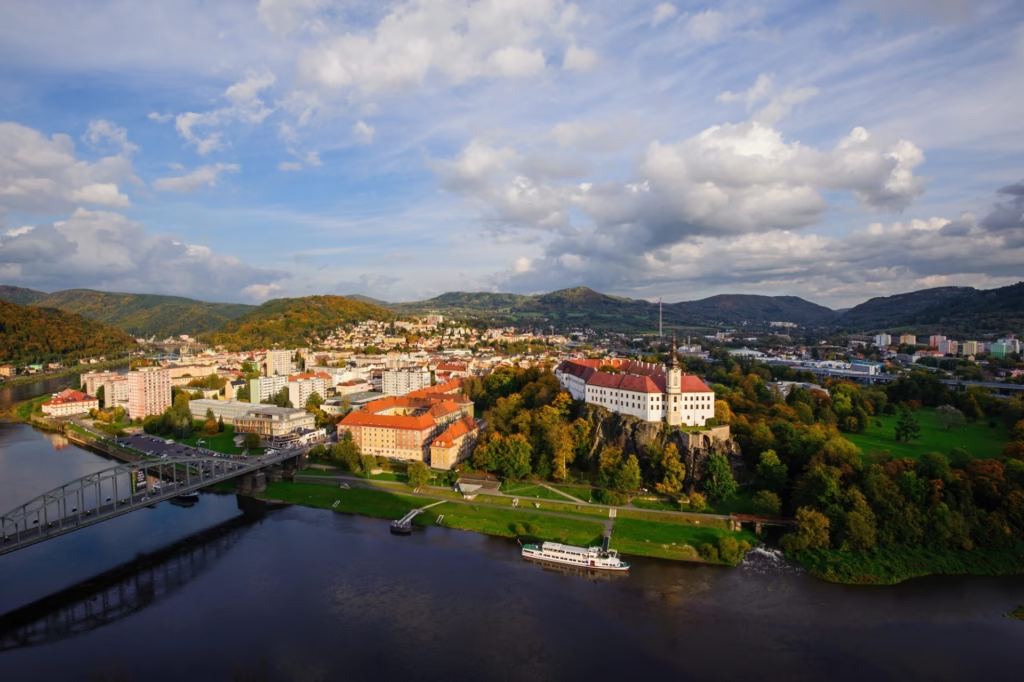
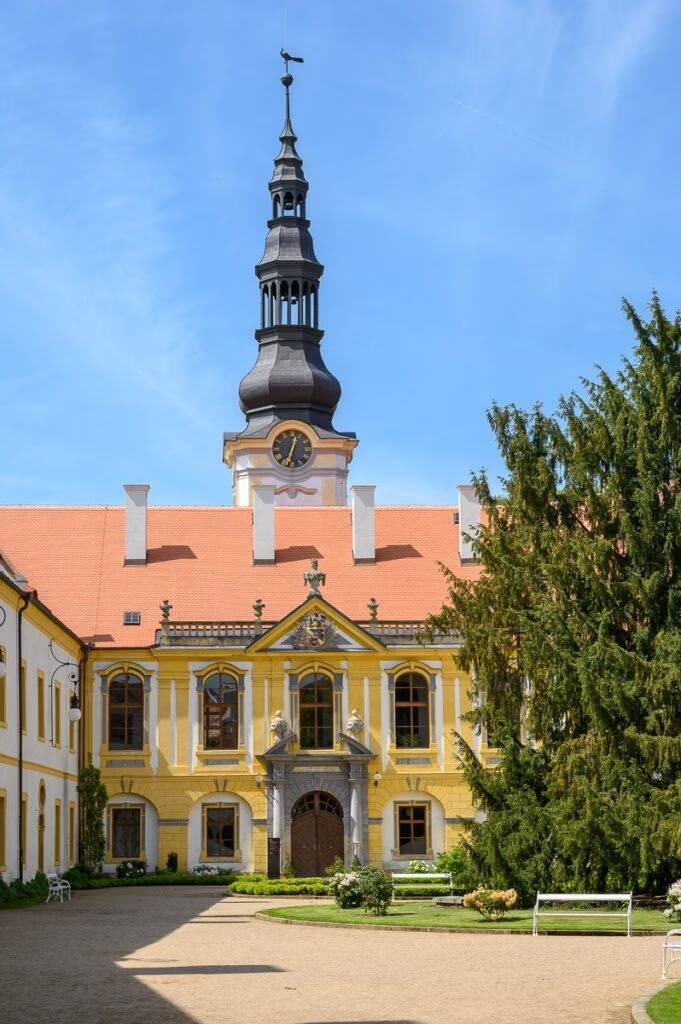
The majestic Děčín Castle, perched on a rock above the confluence of the Elbe and Ploučnice rivers, is impossible to miss. It’s a historic building with a turbulent past, having passed through the hands of Renaissance nobles, the Habsburg army and, sadly, also Soviet troops. Only since 1991 has it gradually been opening to the public, and careful restoration continues to this day.
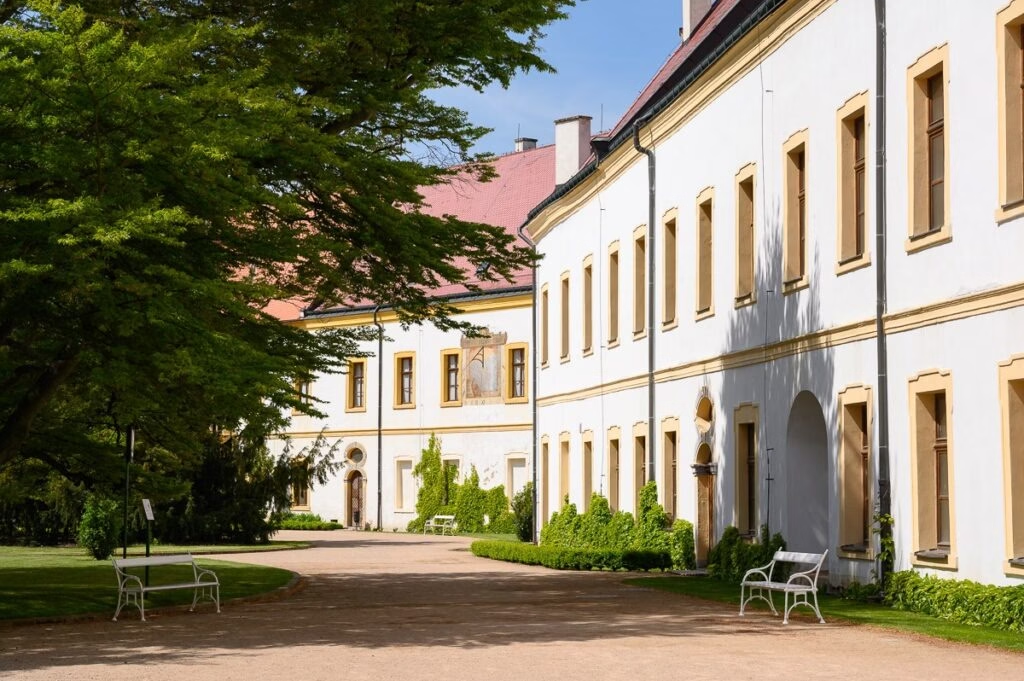
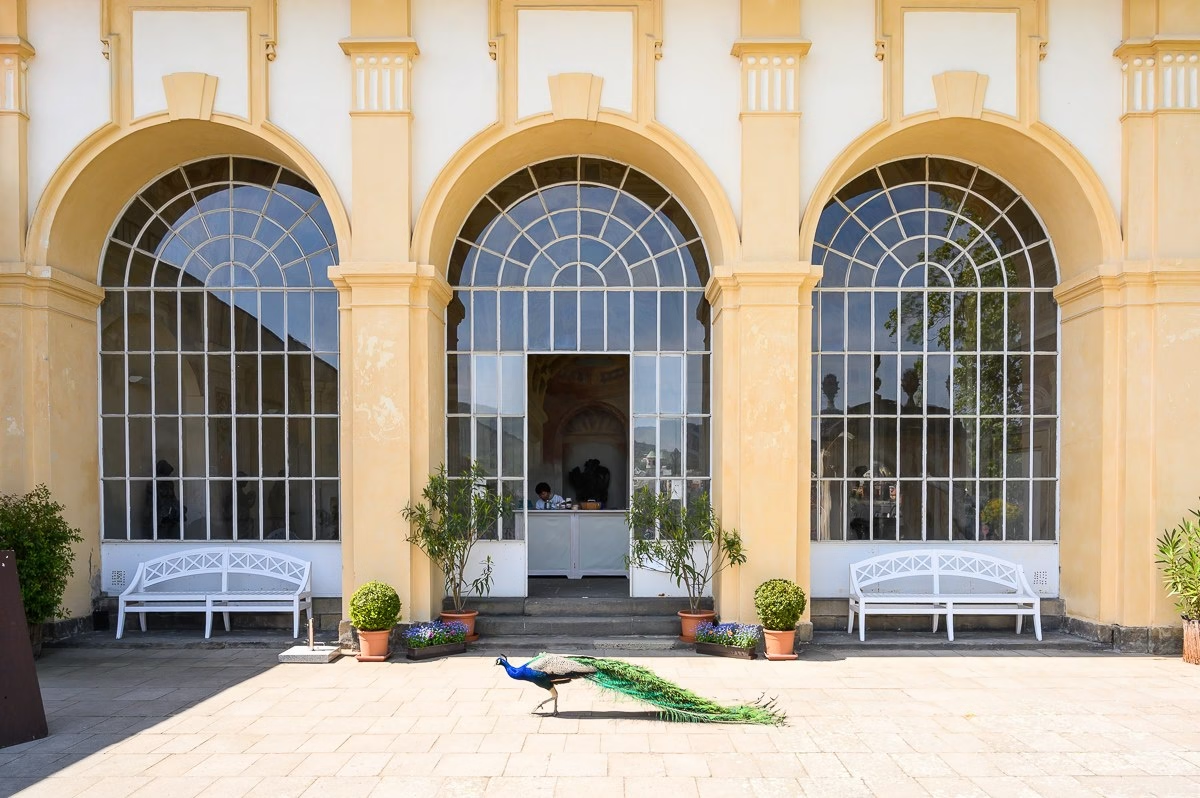
Right next to the castle, you can stroll through the Rose Garden with its peacocks, and the Terraced Gardens leading down to Mariánská louka by the river.
Within the town itself you can hike up to several beautiful viewpoints over the Elbe, including the lookout tower on Pastýřská stěna.
Děčín also offers plenty of activities for kids, from a small zoo to an aquapark.
As a lover of specialty coffee and good food, Děčín has also become a regular foodie stop for me whenever I’m in the area. I almost never miss a break at Coffee & Books.
Děčín is also a gateway to Germany along the Elbe — by train, car or bike. Saxon Switzerland National Park starts just across the border, 15 km from Děčín, and you can reach Dresden by train or car in under an hour. Just beyond the national park lies Pirna, a beautifully preserved Saxon old town that makes for an easy cross-border day trip.
How long to spend in Děčín
Děčín on its own doesn’t really work as a quick day trip. While you can reach it from Prague by car or train in about 90 minutes, Děčín is more of a nature destination than a city break, and it needs time. If a single day is all you have, our roundup of day trips from Prague by train covers seven towns that do fit into one.
A one-day stop as part of a longer trip through Bohemian Switzerland, the Elbe Sandstones or the Central Bohemian Uplands, on the other hand, makes perfect sense.
The ideal length for a standalone visit is two to three days, whether on foot, by bike or by car.
Top highlights at a glance
Before diving into the details, here’s a quick rundown of the essentials:
- Castle and Rose Garden – allow at least two hours, ideally in the morning before tour groups arrive.
- Pastýřská stěna – offers the best views of the castle and town.
- Elbe Canyon and Růžová viewpoint – the canyon begins right at the northern edge of town and is reachable on foot or by bike.
- Děčínský Sněžník – the highest table mountain in the Czech Republic and one of the most beautiful lookouts.
- Sokolí vrch and Velký Chlum – lookout-tower alternatives to Sněžník, less crowded and with a different character of views.
- Chain bridge over the Ploučnice – the only surviving chain bridge in its original location in the Czech Republic.
- Via ferrata on Pastýřská stěna – the first of its kind located right in a Czech town centre.
- Jílové Castle – an unassuming gem nearby, perfect for extending the trip.
- Děčín Zoo – small but beautifully designed.
What to see and do in Děčín
Děčín Castle and the Rose Garden
Standing on a sandstone cliff above the confluence of the Elbe and Ploučnice rivers is one of the largest castle complexes in northern Bohemia.
Its history reaches back to the 10th century, when an early-medieval Přemyslid stronghold stood here. The current Baroque-Classicist appearance came about through gradual rebuilding in the 17th and 18th centuries under the noble Thun-Hohenstein family.
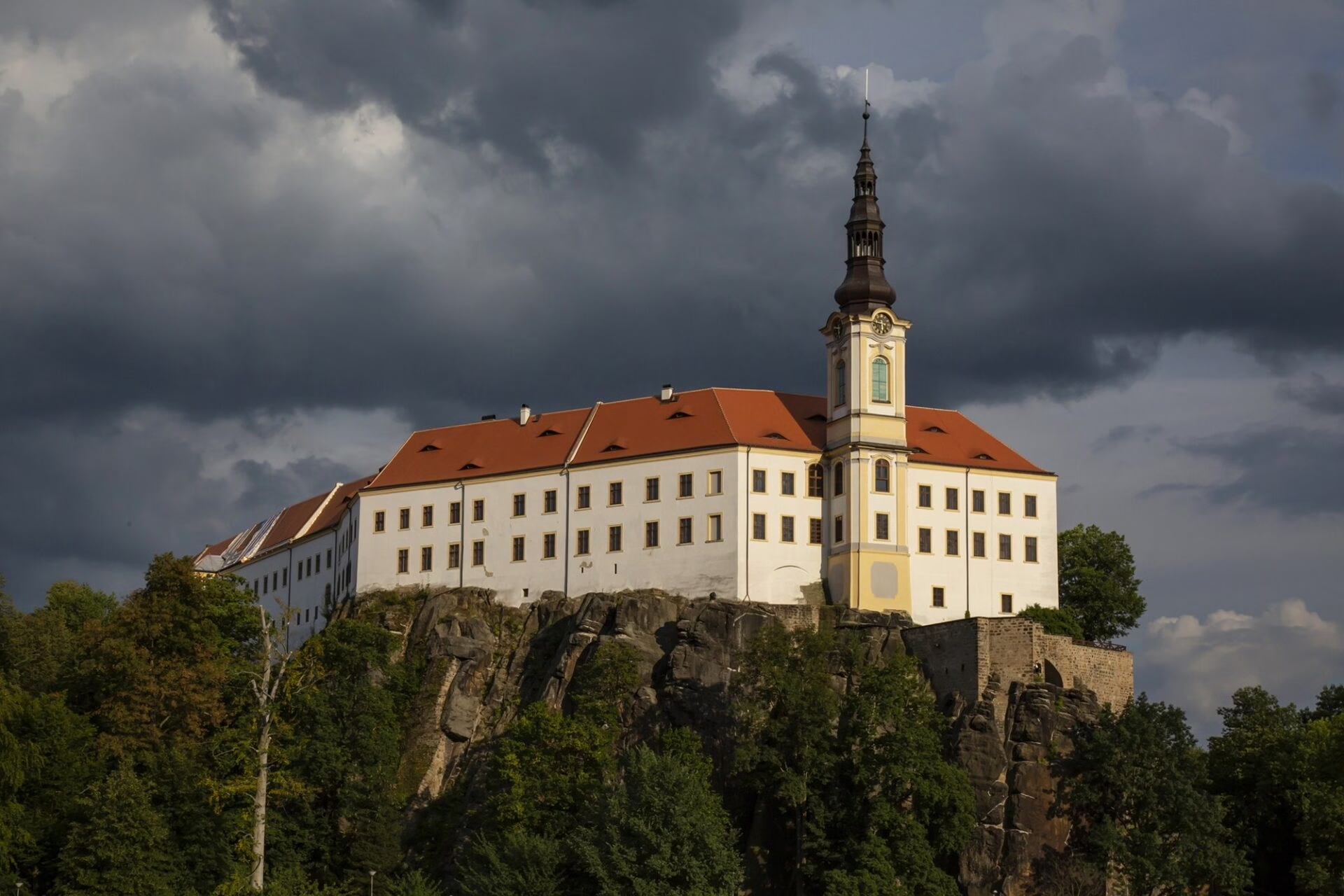
In the 20th century the castle unfortunately passed through the hands of the Czechoslovak, German, again Czechoslovak, and finally Soviet armies — the last garrison didn’t leave until 1991.
Frescoes disappeared under electrical wiring, and the furnishings were carted off to nearby Jílové. The town took over the castle in dismal condition, and reconstruction continues to this day — fortunately with great success.
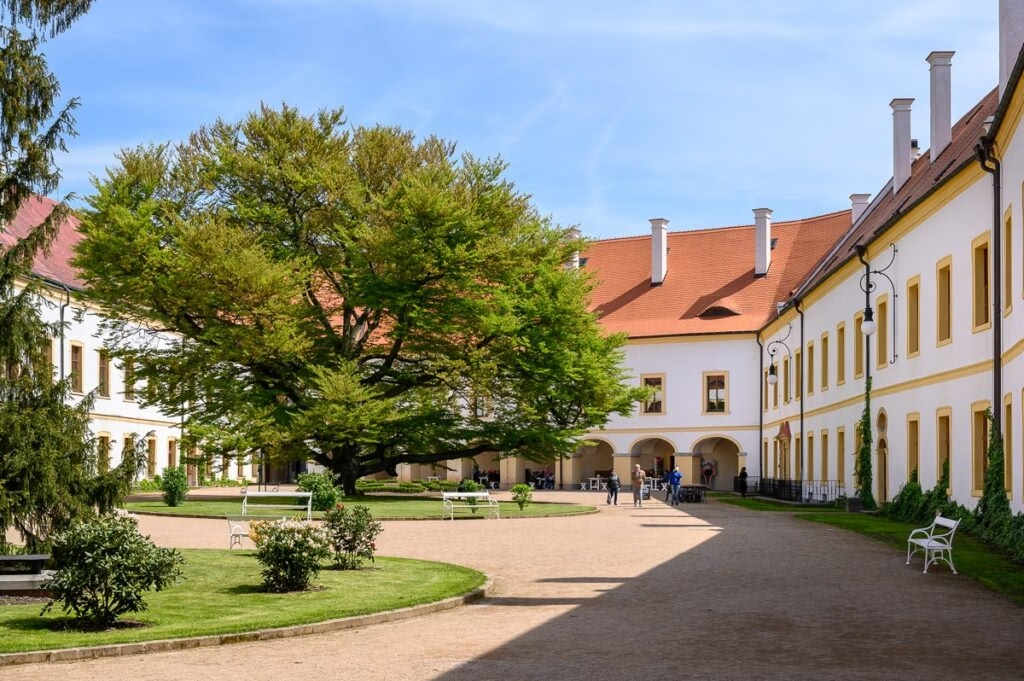
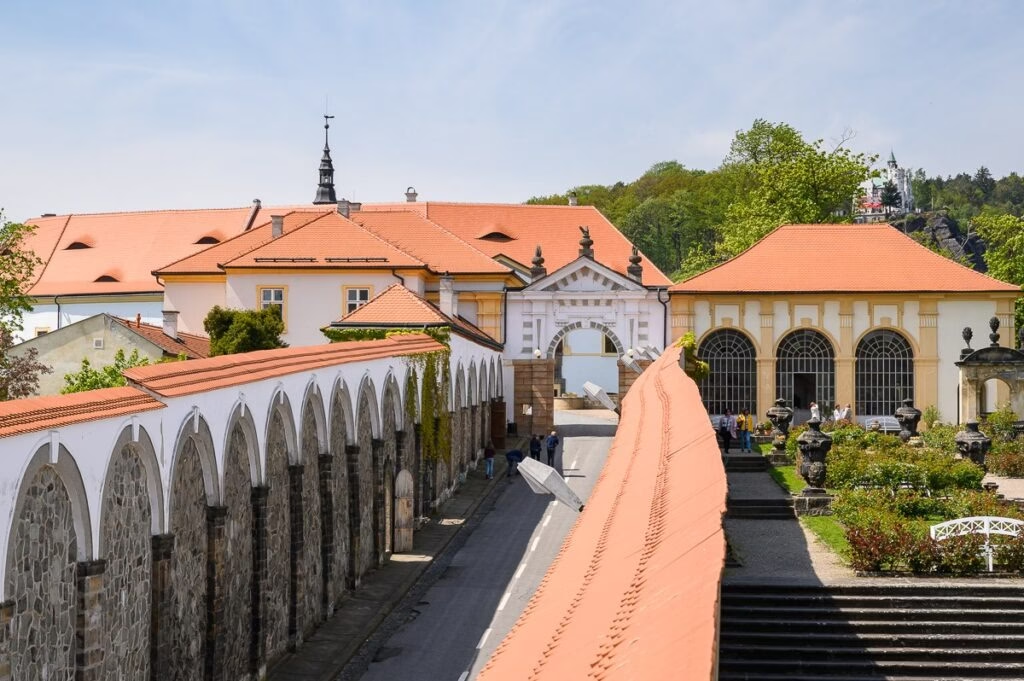
On the northern terrace of the castle lies the Rose Garden, in the 19th century one of the largest rose collections in the entire Habsburg monarchy. It fell into disrepair over the years but is now beautifully maintained and open to the public again.
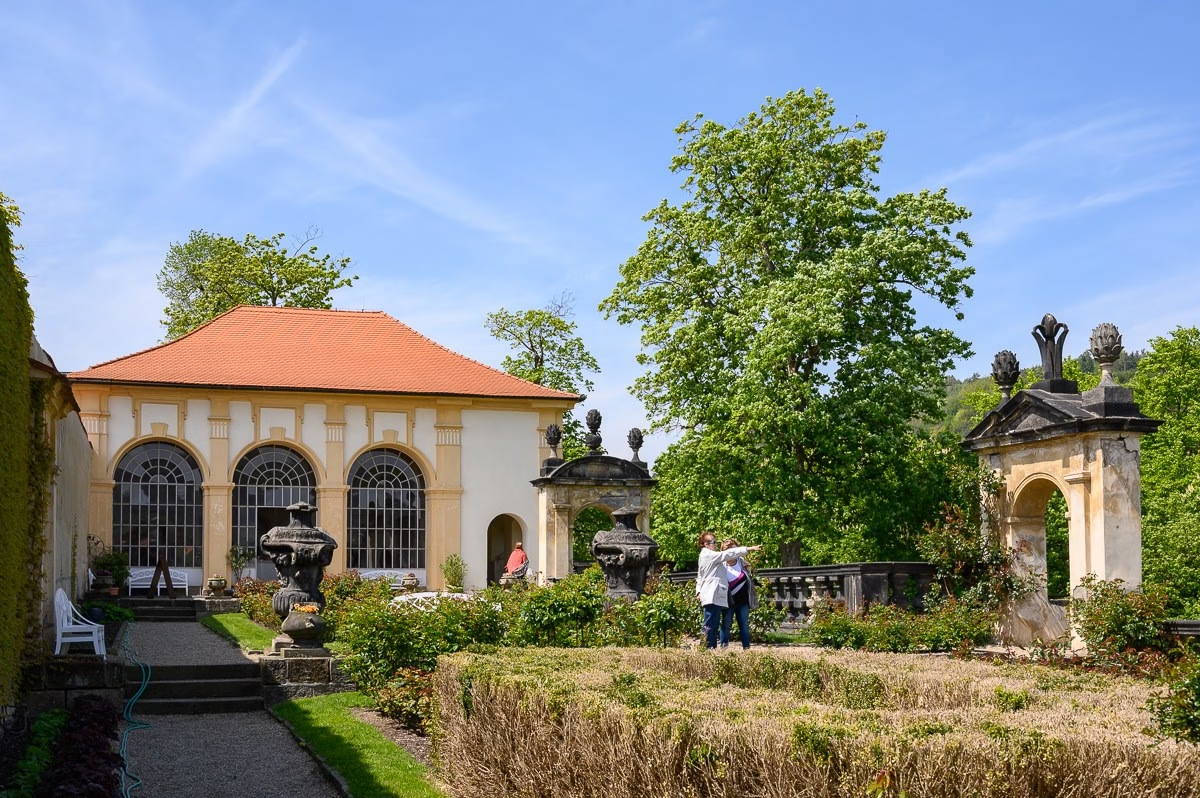
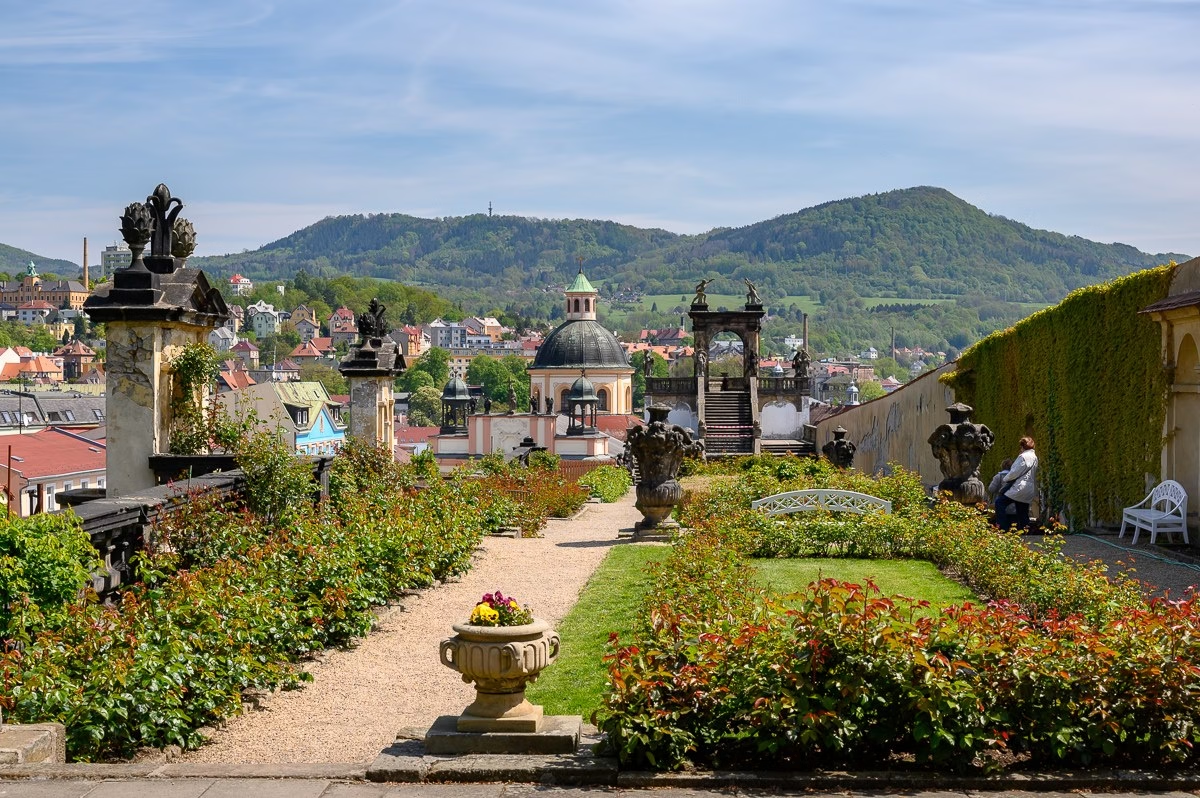
The view from the terrace over the town and river basin is one of those that makes the visit worthwhile even if the interiors don’t interest you.
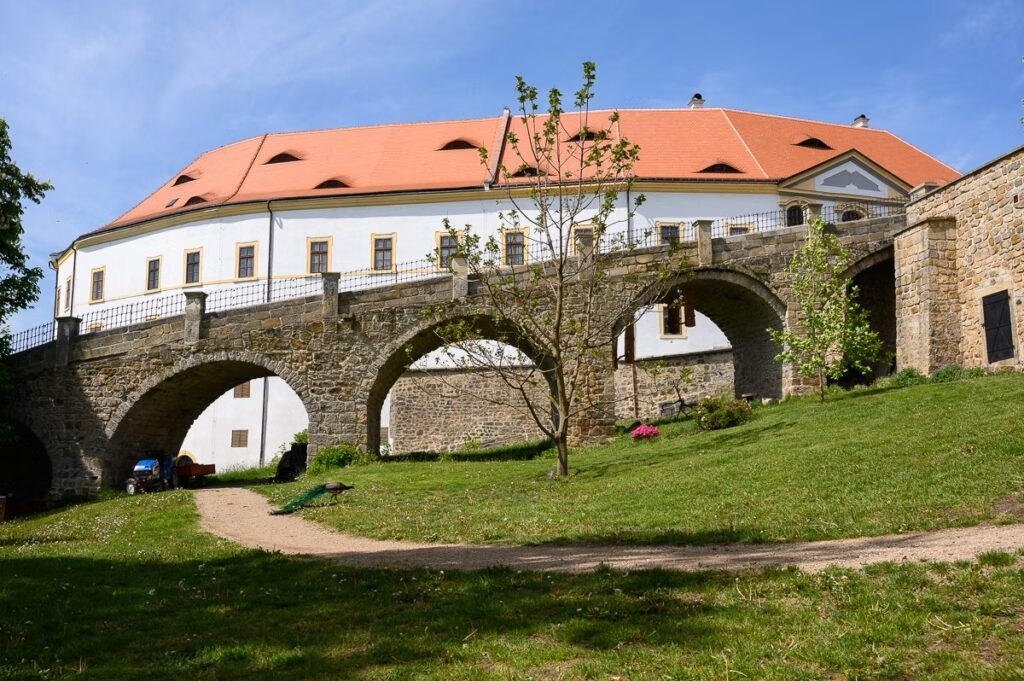
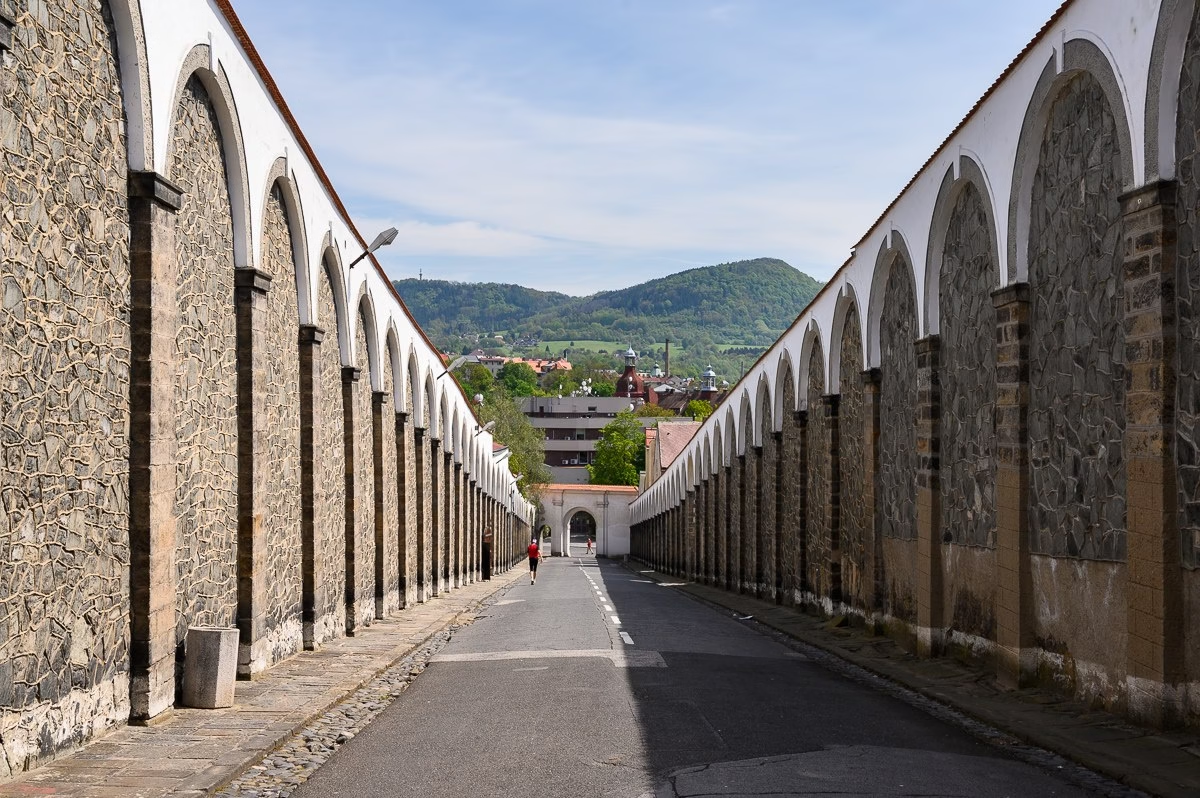
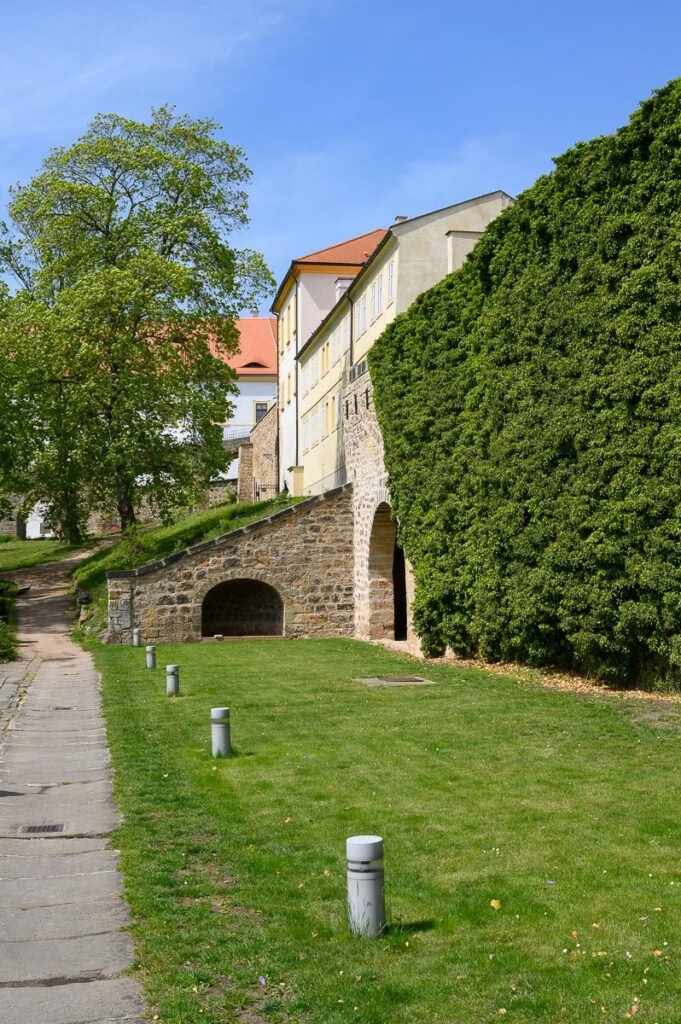
Three approaches lead up to the castle. The most distinctive is the Long Ride (Dlouhá jízda) — a nearly 300-metre-long ramp that underwent a complete restoration in 2025.
Check opening hours and current prices at zamekdecin.cz.
Where to Stay in Děčín
Apartmán Masarykovo náměstí
A 90 m² loft apartment right on the main square. Castle 400 m away, via ferrata 800 m, cafés and a bakery on the ground floor.
Check availabilityChateau Děčín
Apartments right inside the castle complex, in the former Baroque riding hall. Private parking and two restaurants on site.
Check availabilityHájenka Sněžník
A 130 m² half-timbered cottage and listed cultural monument in a secluded forest spot in the Elbe Sandstones. Three bedrooms, infrared sauna, large garden.
Check availabilityCONTAINER Děčín
Full-comfort accommodation inside a shipping container on a 4,000 m² plot — terrace, grill, fire pit and unlimited coffee.
Check availabilityKemp Děčín
The cheapest comfortable option: glamping tents with electricity, bungalows, and classic tent pitches. Bar, breakfast and close to the train station.
Check availabilityPastýřská stěna (Shepherd’s Wall)
Opposite the castle, on the left bank of the Elbe, rises the sandstone massif of Pastýřská stěna. You can reach it on foot from the riverbank or by city bus.
Its viewing terraces offer the best perspective on the castle rock and river basin. At the top sits a panoramic restaurant with a lookout tower. The early-20th-century building looks a bit like a smaller cousin of Romanian castles — Czech Dracula could easily live here.
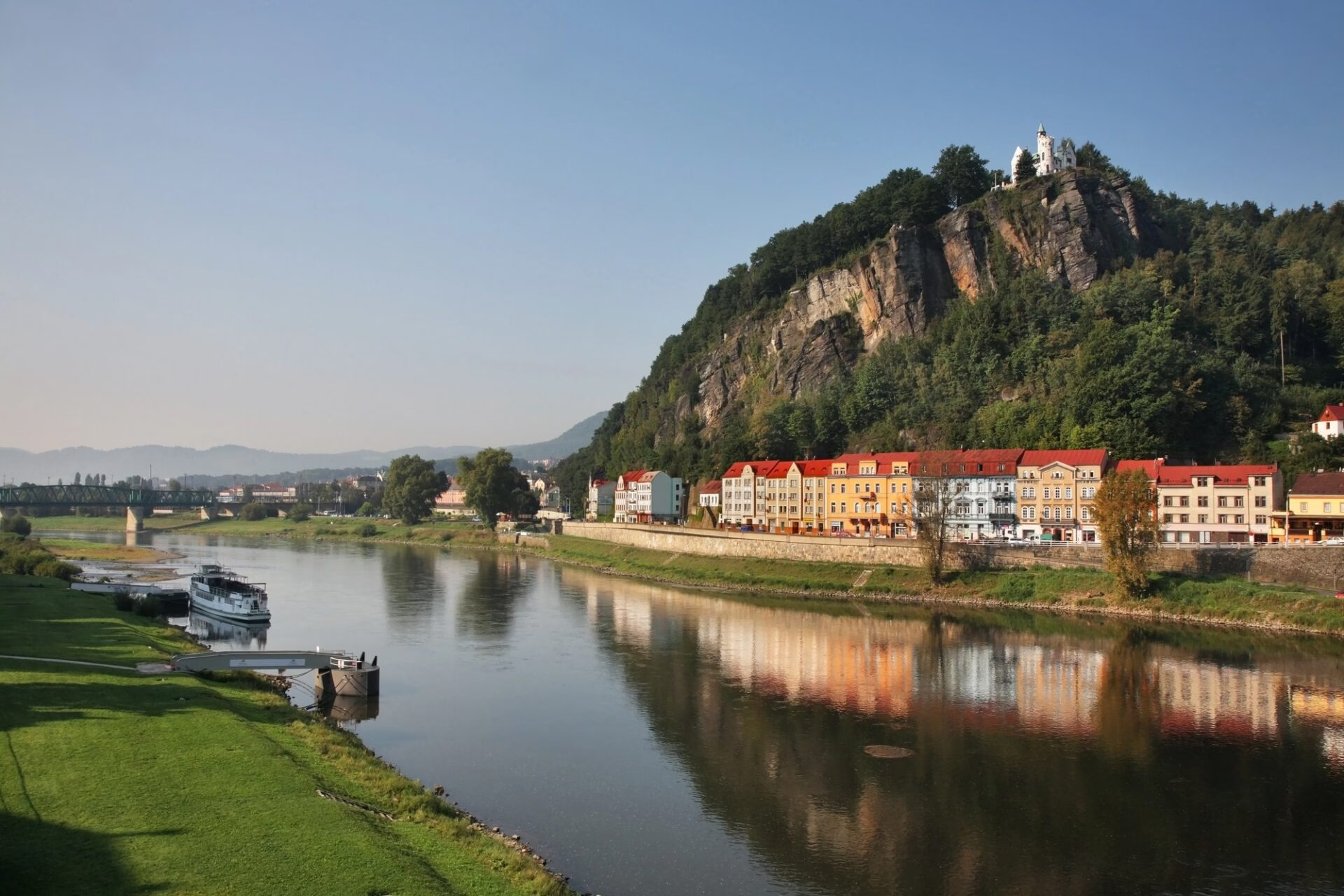
If you walk from Pastýřská stěna toward the main railway station, also stop at the Jahnova plošina viewpoint, which looks upstream along the Elbe, and the very pleasant café Kytky pod komínem just below it.
Pastýřská stěna is also home to the first Czech via ferrata located right in a city centre. We’ll get to that shortly.
Děčín Zoo
Děčín’s zoo is on the smaller side but well-run, with a lot of animals on a relatively compact 6-hectare site. You’ll find it right on Pastýřská stěna.
It has long focused on species linked to mountain, polar and American ecosystems. You’ll see bears, lynx, arctic foxes, wolves, wolverines, llamas, zebu and ibex — plus plenty of birds, monkeys, capybaras and mongooses.
The zoo also includes the Paradise Islands (Rajské ostrovy) exhibition — a separate building in the town centre, about 700 metres from the main grounds, dedicated to tropical islands and oceanic biodiversity.
There are large aquariums with marine fish and corals, and terrestrial and amphibious animals from Indonesian and Caribbean islands.
A ticket to the main zoo also covers Paradise Islands, as long as you visit the same day.
For up-to-date opening hours and admission prices, check zoodecin.cz, where you’ll also find feeding times and children’s programmes.
Masaryk Square and the town centre
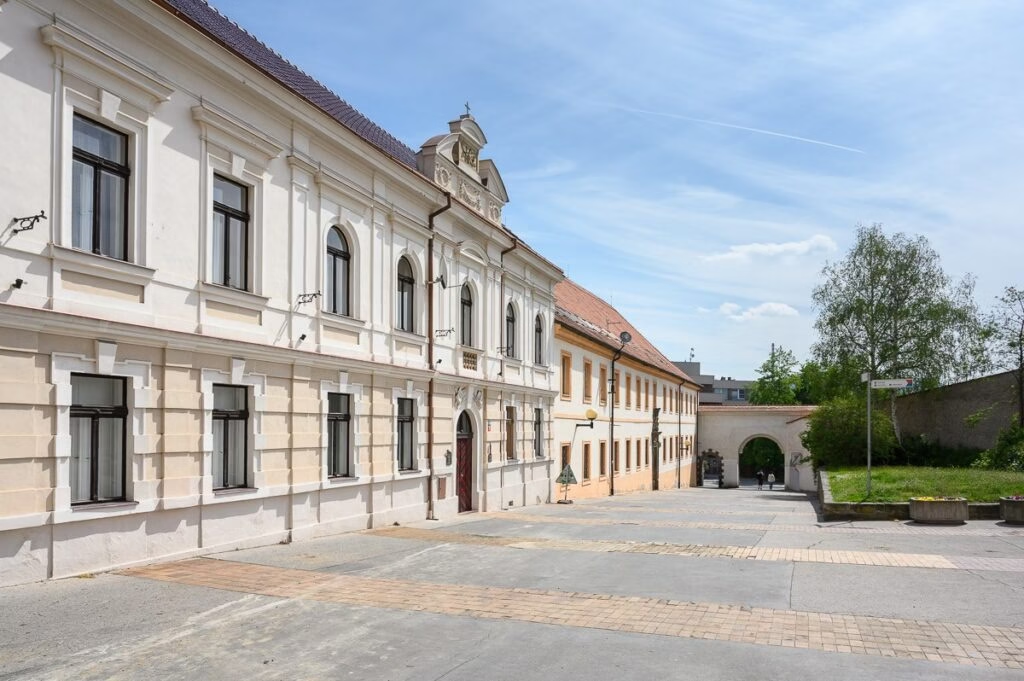
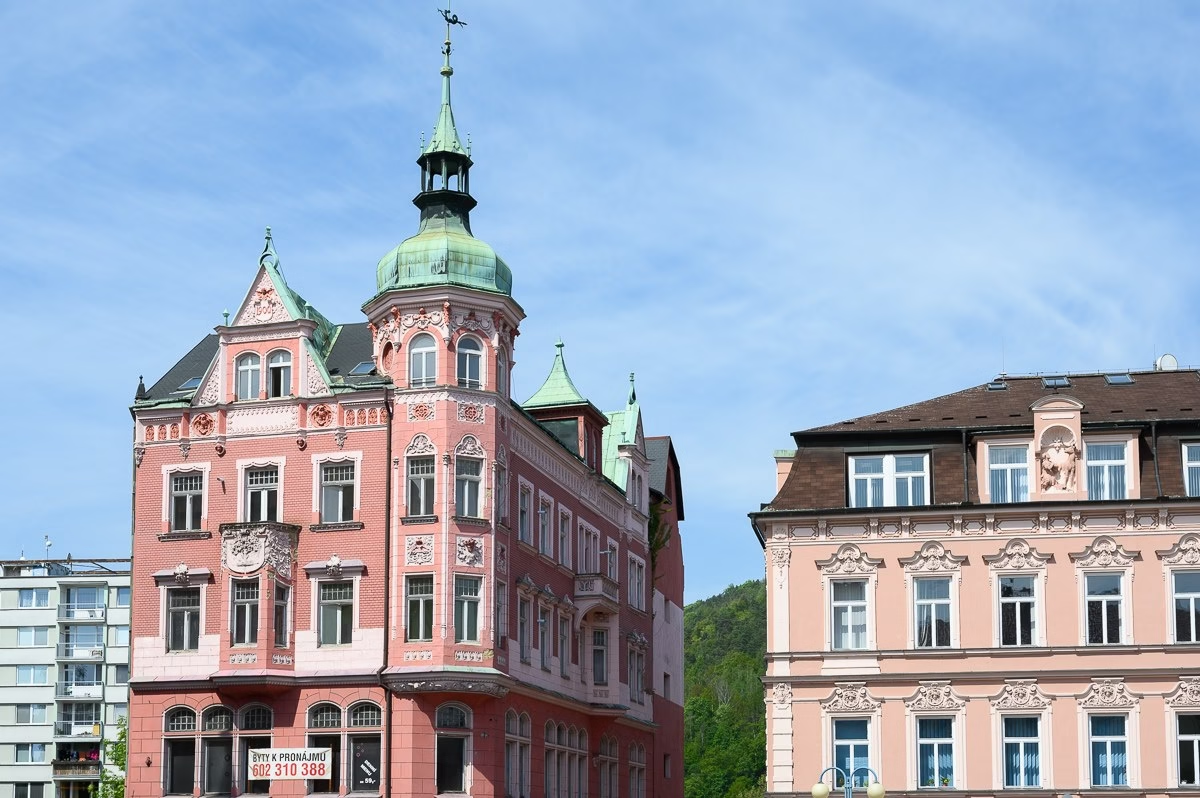
Děčín’s main square sits on the right bank of the Elbe, a few minutes’ walk from the castle. Around its perimeter run original townhouses with Classicist and Art Nouveau façades; today it’s a quiet promenade with cafés and shops. From the square it’s a five-minute walk to the castle and the riverfront.
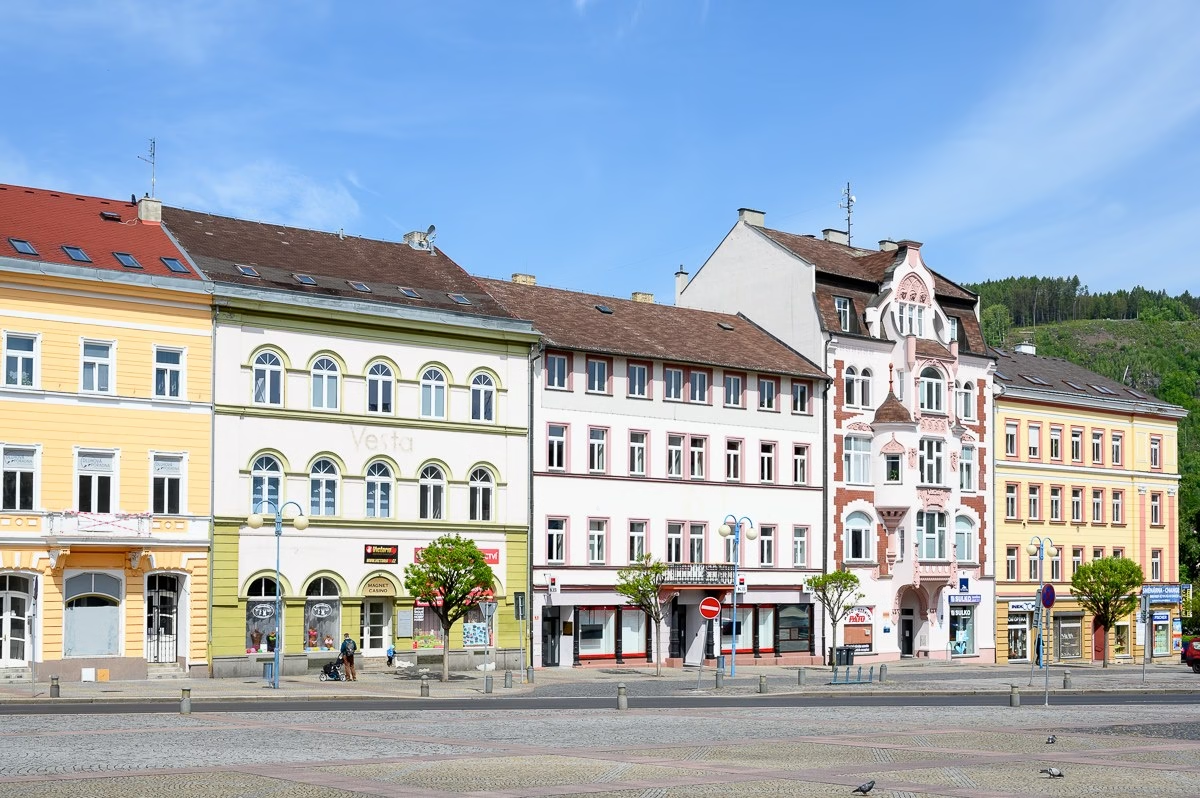
Architectural highlights include the corner houses on the edges of the square — several have richly decorated façades that lend old Děčín its character and set it apart from the later Socialist-era buildings around it.
Church of the Exaltation of the Holy Cross
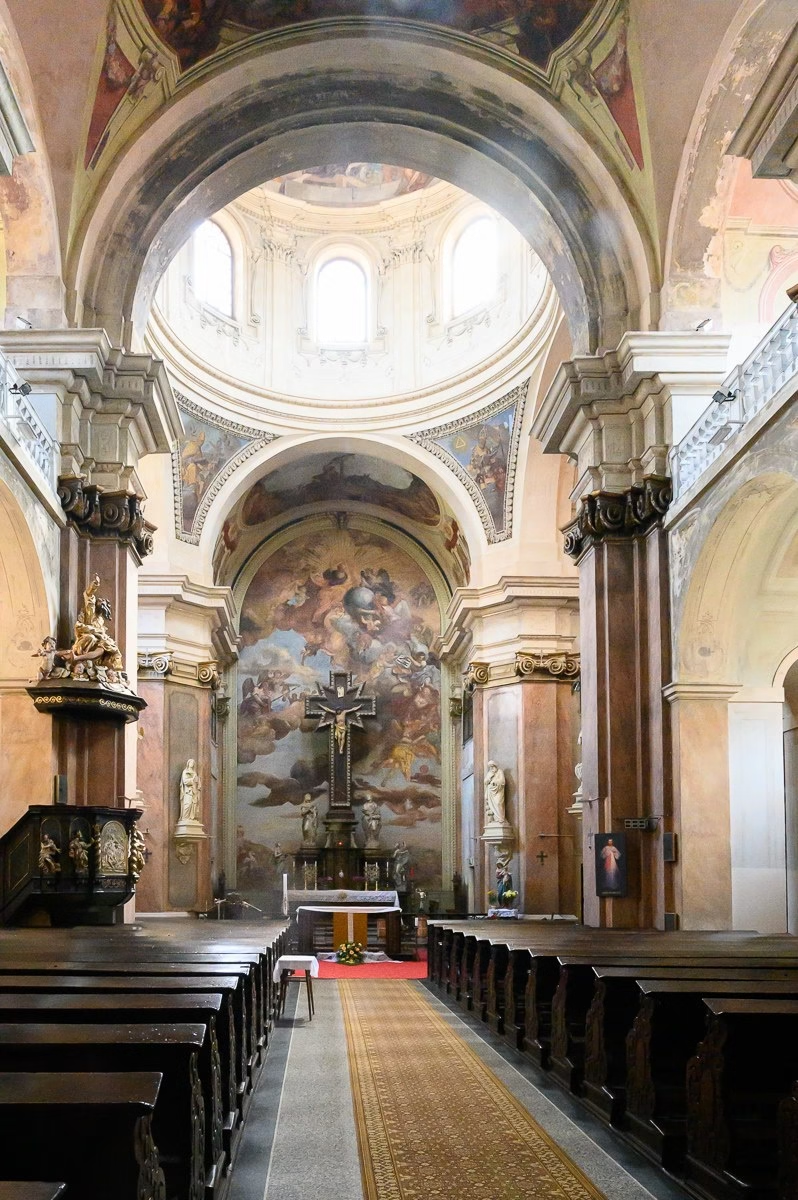
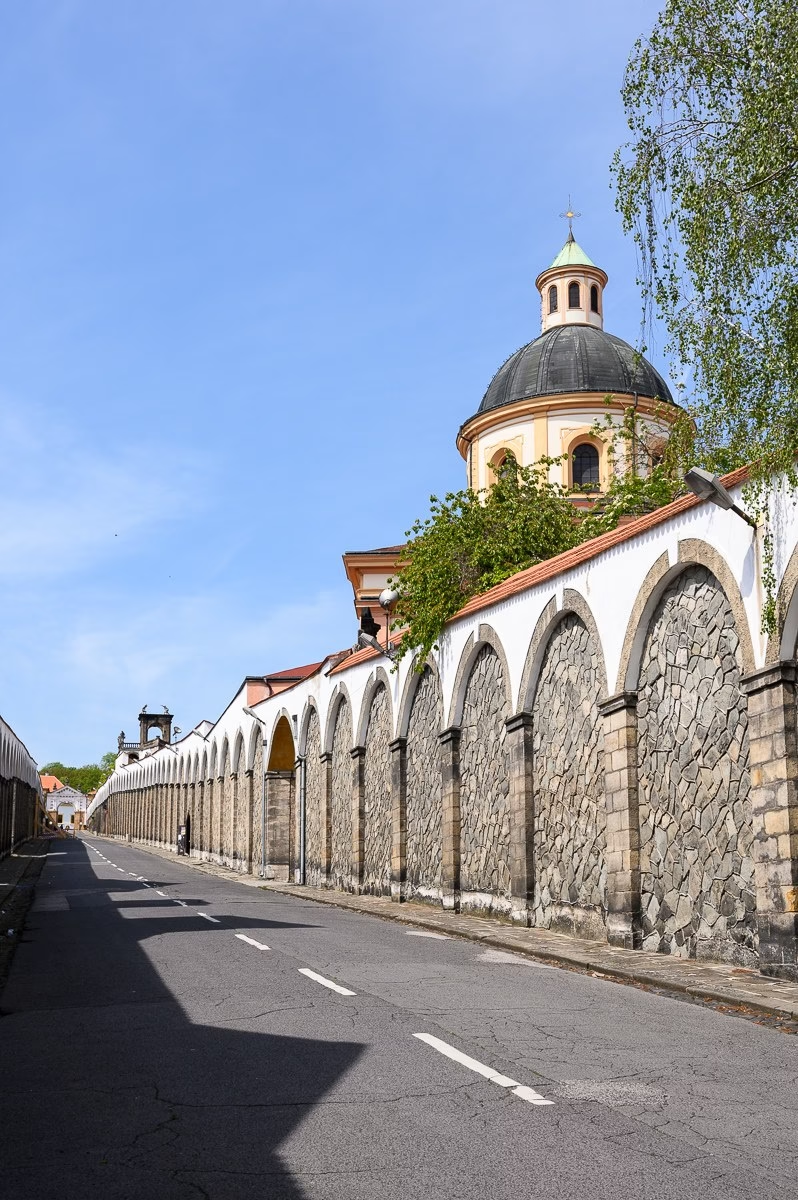
This early-Baroque church was built in the 17th century as the Thun-Hohenstein family’s castle chapel and, after the great town fire of 1749, became Děčín’s main Catholic church.
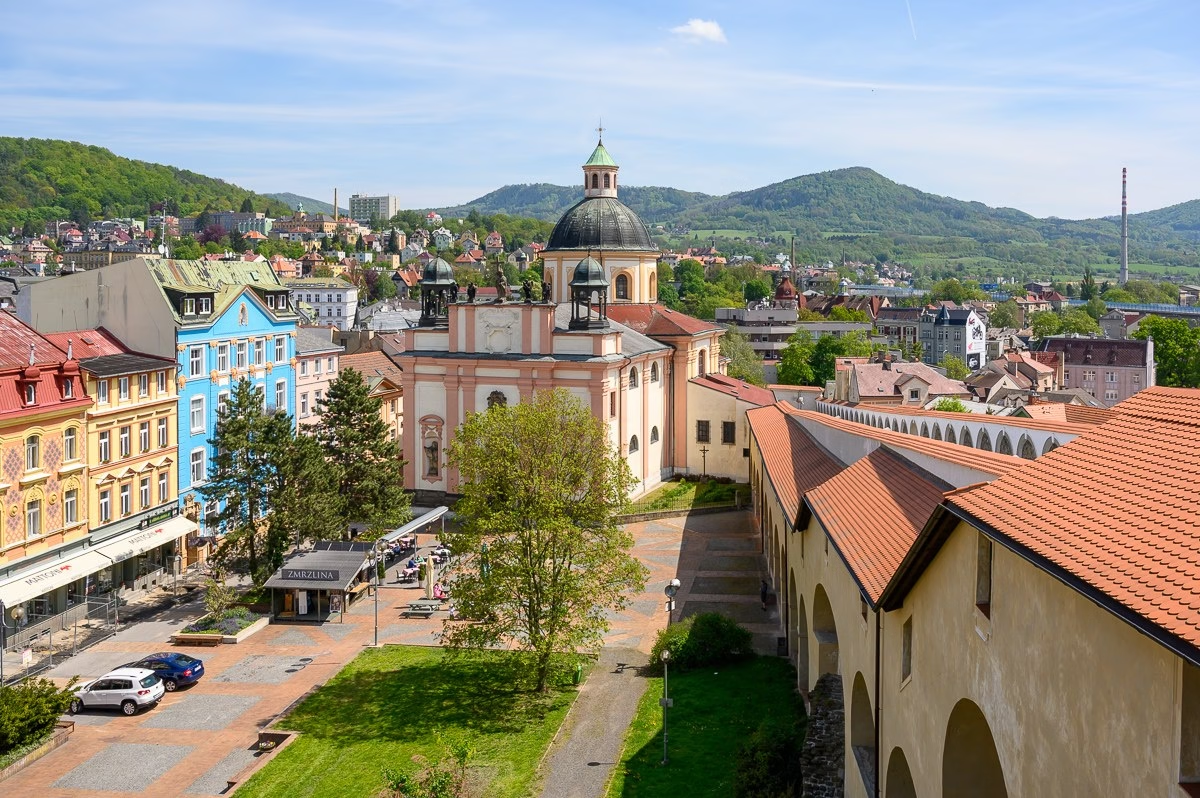
The building, with its tall central dome, shows clear Italian Baroque influence, and inside you can admire the extensive frescoes by Josef Kramolín.
The Chain Bridge and the Tunýlek
Two historic engineering features that most visitors walk right past — and both are well worth a stop.
The chain bridge over the Ploučnice was built in 1829–1831 as part of Count František Antonín Thun’s redesign of the castle park.
It’s the only surviving chain bridge still in its original location anywhere in the Czech Republic — a listed cultural monument since 1966. The bridge is functional and freely accessible.
The Tunýlek is a narrow rock passage carved directly into the cliff beneath the castle, originally built to connect the southern castle gardens with the northern park.
It was constructed in 1808–1810 and today serves as a discreet shortcut and a reminder of how thoughtfully the Thuns planned movement through the castle complex.
Kvádrberk (Table Mountain)
On the northern edge of the town, a 289-metre-high table-shaped hill rises directly from the banks of the Elbe. At its summit stands an obelisk erected in 1879 to mark the silver wedding anniversary of Emperor Franz Joseph I.
The climb takes about 20–30 minutes and rewards you with a fine view from the so-called Imperial Lookout over the town and the Elbe canyon, which begins right here.
From here you can continue to other viewpoints such as Sněžnická vyhlídka and my favourite, Labská stráž.
The ridge trail then leads all the way to the well-known Růžová viewpoint and onward, high above the river canyon, to the Belveder lookout above Hřensko.
Elbe riverfront and shipping museum
Smetana Embankment beneath the castle rock is the town’s natural promenade. In summer it hosts cultural events including the Labefest festival, and a historic paddle steamer often docks at the pier.
Near the riverfront stands the former Thun-Hohenstein hunting lodge, now home to the Regional Museum and its exhibition dedicated to shipping on the Elbe.
River traffic shaped this region for centuries, and the museum traces it from the earliest days of inland navigation right through to modern cargo vessels.
Experiences in Děčín
Via ferrata on Pastýřská stěna
The via ferrata on Pastýřská stěna is run by a local climbing club and is free to use. The route runs along the cliff face above the town, combining ladders, steel cables and natural rock holds. There are now 16 routes ranging from grade A to E.
One route takes one to two hours; you return via the hiking path.
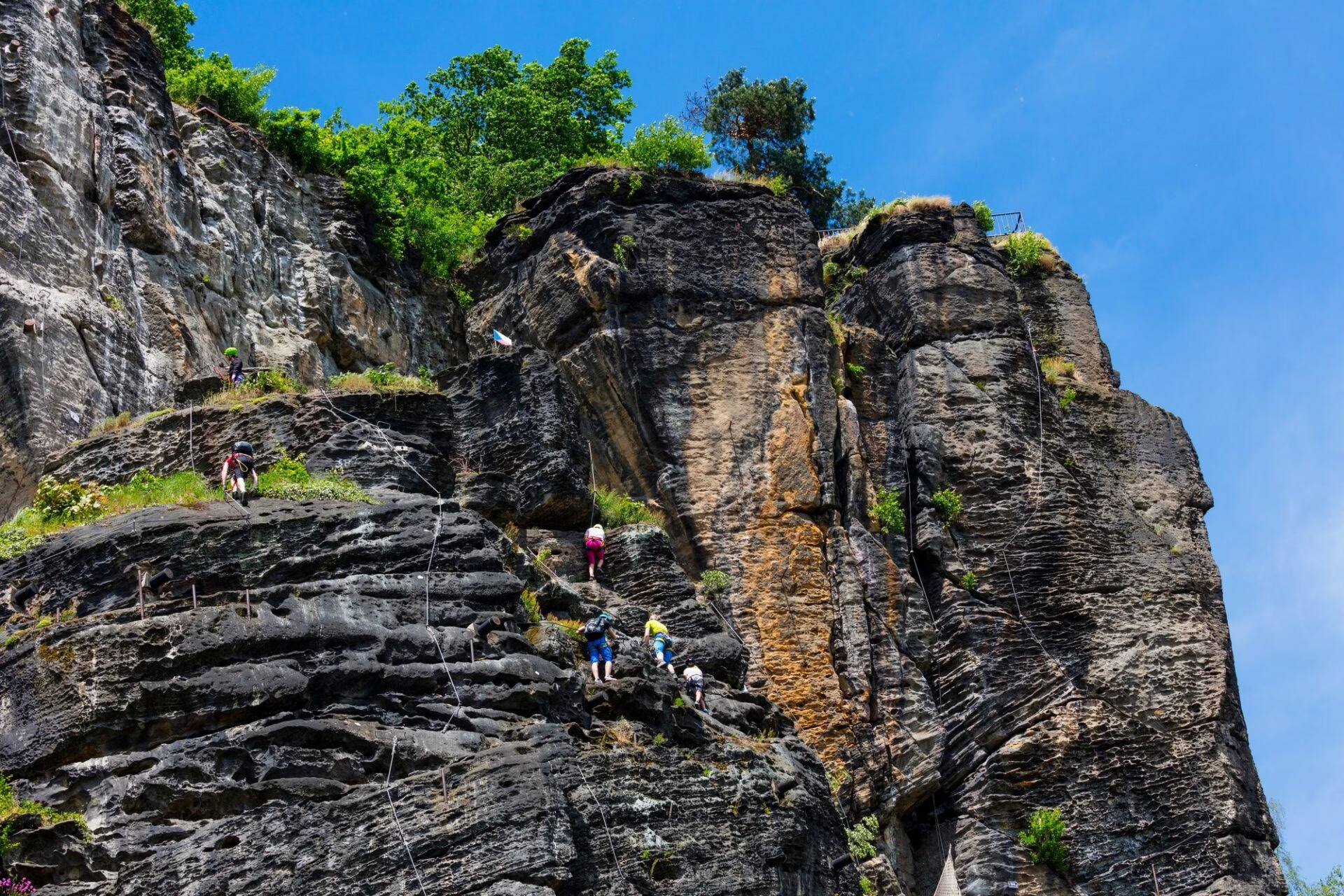
For experienced climbers it’s not technically demanding, but for those who’ve never been on a rock face it can be a real adrenaline rush — and a great place to start with via ferratas.
You can rent gear at Active Point, and book courses at ferrata-decin.cz.
Cruising the Elbe
Shipping is inseparable from Děčín’s identity, and a cruise along the river — with the majestic cliffs rising on both sides — is absolutely worth it.
The range of cruises in season is impressive: you can sail not only to Hřensko, Bad Schandau or Dresden, but also to Königstein Fortress, the Saxon spa town of Rathen, or Pillnitz Castle.
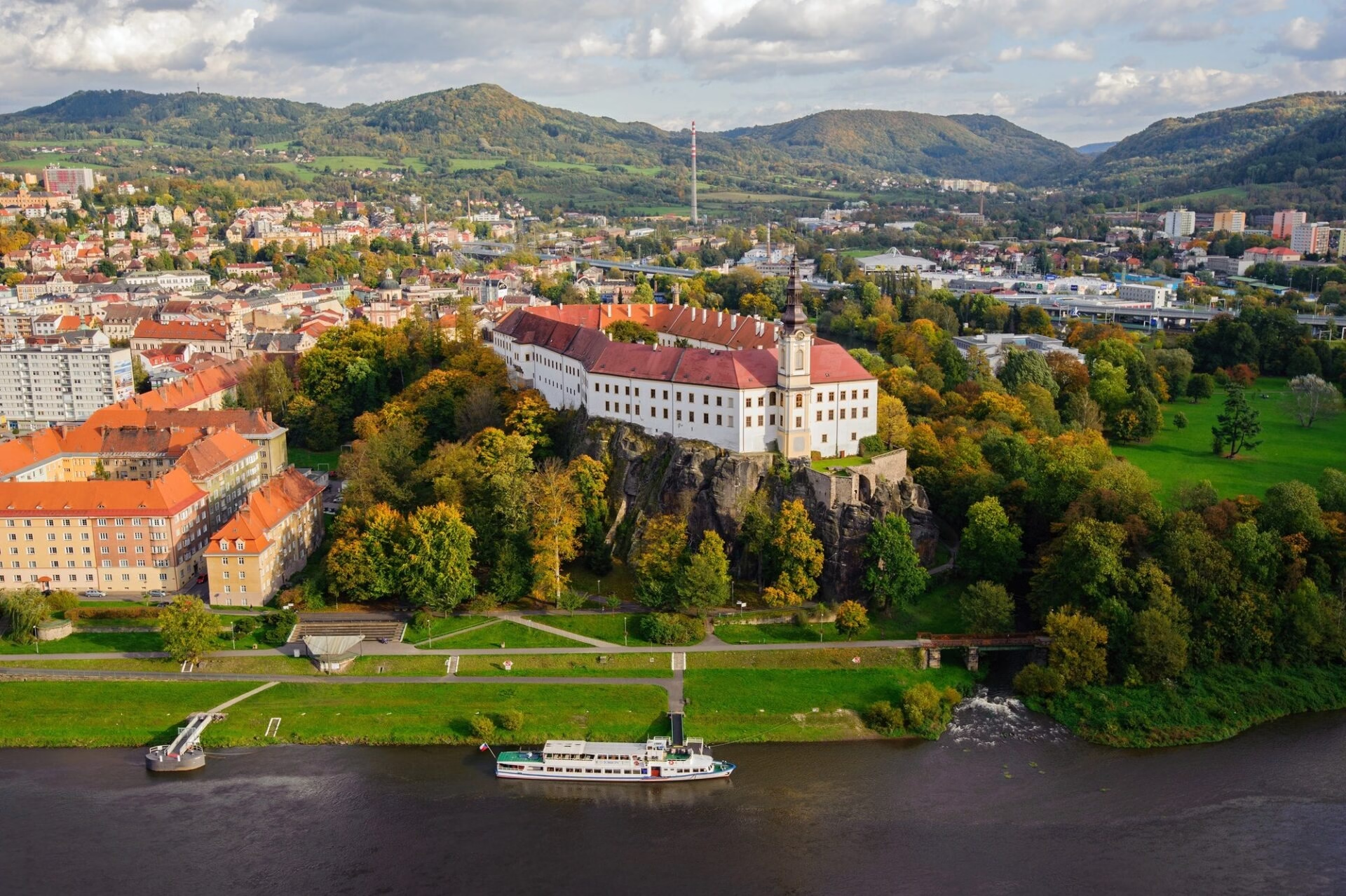
The cruise pier is by the tourist information centre on Smetana Embankment.
Some boat lines and ferries (including the Hřensko–Schöna ferry) are part of the public transport network and accept the Ústí Region’s day ticket. You can find an overview of the lines on the DÚK website or in the DÚKapka app.
Hiking trails above the Elbe canyon
Just past the northern edge of Děčín, the Elbe canyon begins, where the river flows between high sandstone walls. Marked hiking trails run along both banks and offer views into the canyon, of the towering rock pillars, and of the wider landscape beyond.
Take the green-marked trail to the Maxičky district of Děčín, from where you can return by city bus, or continue on the yellow trail to Dolní Žleb and catch the train.
The second route runs over Kvádrberk (mentioned above) all the way to Hřensko. The first part stays close to the canyon edge as far as Růžová viewpoint. The next section is less interesting; the next great view opens up only at Labská Stráň and the Belveder lookout.
NOTE: The path from Labská Stráň to Hřensko through the Suchá Kamenice valley has been closed since the end of 2024, and it’s not yet clear if or when it will reopen. From Belveder, continue to Hřensko on the green trail instead.
Day trips from Děčín
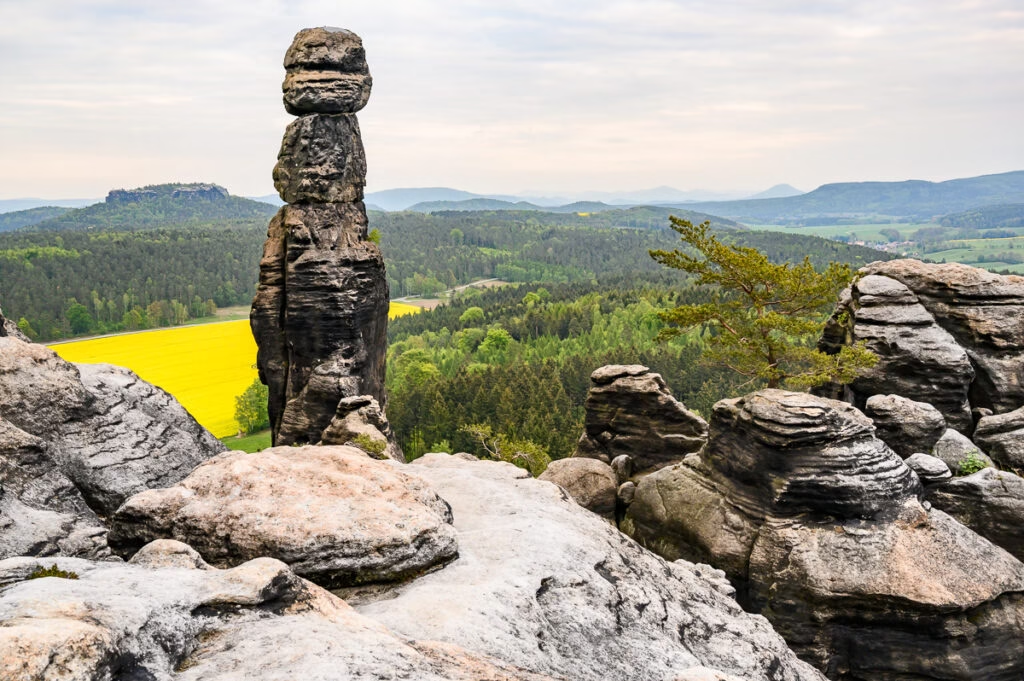
Děčín lies on the boundary of two protected areas — to the north stretches the Elbe Sandstones Protected Landscape Area, seamlessly connecting to Bohemian Switzerland National Park, while to the south rise ridges with viewpoints over the Elbe valley.
Most trips logically head for the famous spots in Bohemian Switzerland or the rock walls at Tisá. There are simply too many possible destinations to cover here, so I’m focusing only on places in Děčín’s immediate surroundings.
Luckily, even those are plenty — the sandstone landscape, table mountains, rock cities and deep forests make the area around Děčín one of the most geomorphologically diverse regions in the Czech Republic.
Most of the destinations below lie within the Elbe Sandstones Protected Landscape Area or its edges, all within a 15 km radius from the town centre — reachable on foot, by bike, or in season by the cycle bus.
Děčínský Sněžník
The highest table mountain in the Czech Republic (723 m) lies about 10 km southwest of Děčín. At its summit stands a 33-metre stone lookout tower from 1864 — one of the oldest in the country and now protected as a technical monument.
It was originally built by Count František Antonín Thun for geographic surveying; it became a key triangulation point for mapping Prussia, Saxony and Austria.
On a clear day, the platform reveals the Ore Mountains, Lusatian Mountains and Bohemian-Saxon Switzerland — and on exceptionally clear days even Ještěd, Bezděz, or the church towers of Dresden.
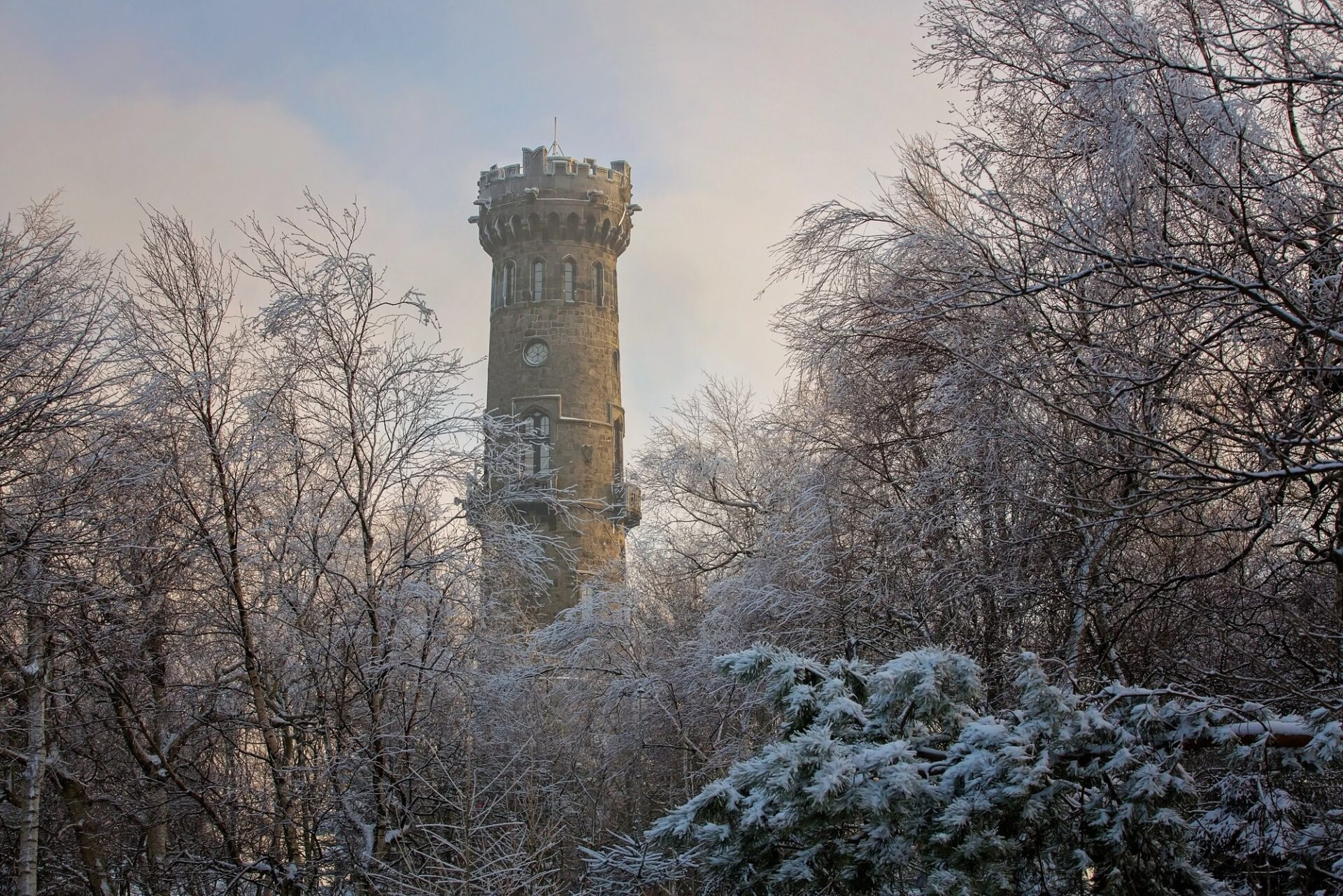
Sněžník is also nicknamed the “wind spa” — thermal currents here mix air coming in from the North Sea, so it’s almost always windy at the top, even when it’s calm down in the valley. Practical takeaway: bring an extra layer, even in summer.
Three main trails lead to the summit. The easiest is a short climb from Hřebenová bouda hotel — 1.8 km along the red trail. From Děčín you can get there by bus or, in season, by cycle bus, or drive to the paid car park at Hřebenová bouda.
The second option is a 10 km hike along the red trail directly from Děčín. Be ready for serious elevation — you’ll climb almost 700 metres up from the Elbe.
The third trail starts from the Kristin Hrádek crossroads, where you can park for free (unlike at Hřebenová bouda).
I recommend a snack stop at the buffet right below the lookout. The restaurant next door isn’t worth the visit — wait for lunch elsewhere.
NOTE — in bad weather, both the lookout tower and the buffet are closed.
Tisá Rocks (Tiské stěny)
One of the largest, and in my opinion most beautiful, rock cities in the Czech Republic.
It lies 15 km southwest of Děčín in the western tip of the Elbe Sandstones Protected Landscape Area. The main entrance is at the large car park by the church in the village of Tisá.
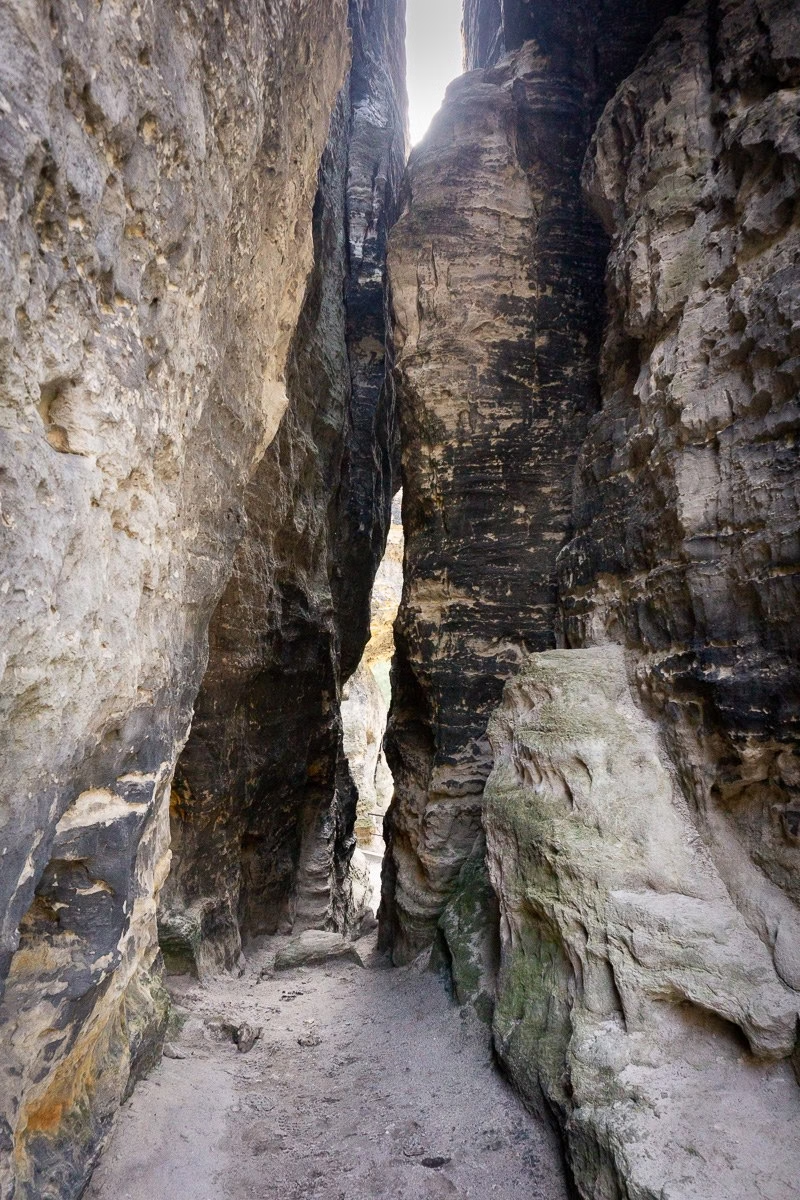
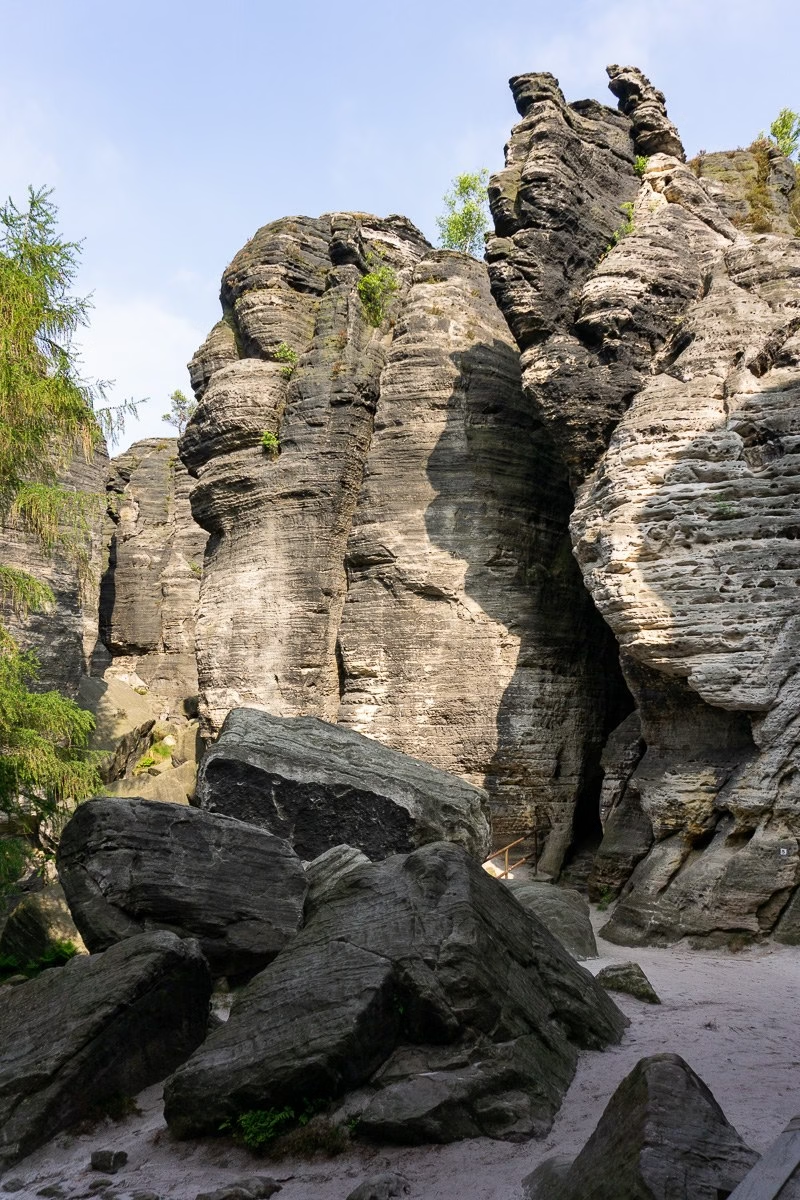
Tisá Rocks are split into two parts — the Big Walls and the Small Walls — and the area includes more than 70 named rock formations: towers, gorges, overhangs, rock arches and narrow passages through a stone labyrinth.
Two sightseeing loops connected by an educational trail can be walked in 2–3 hours combined.
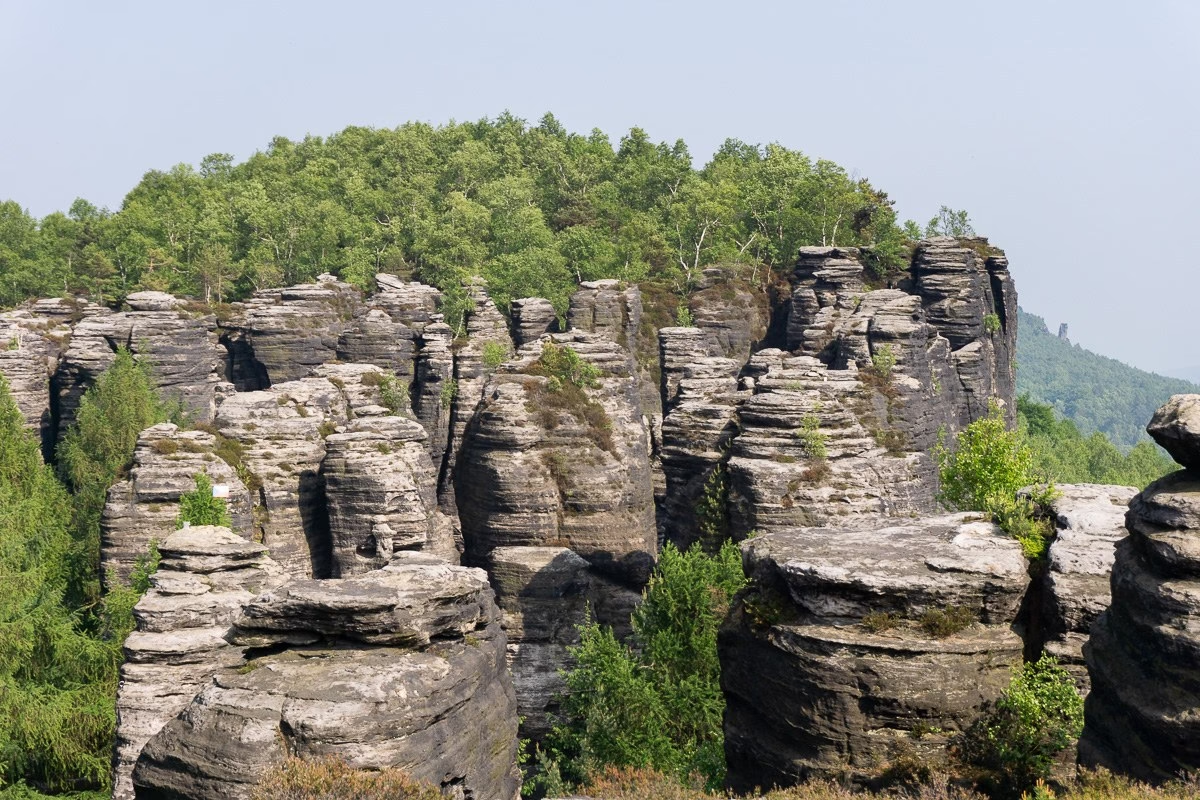
There’s an entrance fee — about €4 for adults and €2 reduced.
Only 2,000 visitors per day are allowed in, so in peak season I strongly recommend buying tickets online. All info at turistikatisa.cz.
Sokolí vrch
About 4 km west of Děčín, on a hill of the same name, stands a concrete lookout tower with steel stairs and a covered viewing platform. From its 32-metre height you get a 360-degree panorama of Děčín, Sněžník, the Ore Mountains and the Lusatian Mountains.
Unlike Sněžník, it’s far less crowded — Sokolí vrch is mostly visited by locals and hikers passing through on longer routes, for example to Benešov nad Ploučnicí.
The route from Děčín to Sokolí vrch is just under 6 km, and the climb is significantly less steep than to Sněžník.
Velký Chlum
The stone lookout tower atop Velký Chlum stands above the village of Horní Chlum, about 5 km from the centre of Děčín.
A short trail leads to the summit from the Děčín-Staré Město railway stop, suitable even for families with kids — a quiet, low-traffic outing with lovely views over the surrounding landscape and river valley.
Belveder viewpoint and the Elbe canyon
Just outside the village of Labská Stráň lies a well-kept viewpoint with a hotel and restaurant of the same name. It’s easy to reach by bike or by car, and in my opinion is well worth a short stop.
The canyon’s most beautiful views come early in the morning, especially in spring and autumn.
Jílové Castle
An understated castle in the village of Jílové, with a romantic park, a pond and a gloriette. It works well as a quick stop on the way to Sněžník or Tisá.
Inside there’s now an exhibition dedicated to the history of the castle and the surrounding area.
Where to eat and drink in Děčín
Děčín has a surprisingly strong café scene these days, and in recent years a number of venues have opened that easily hold their own against bigger Czech cities. Here’s my pick of cafés and restaurants where you can eat well and recover from a day of outdoor adventures.
Cafés
- Coffee & Books, Děčín cultural café – this place captivated me years ago on my first visit and I love coming back.
- Okr espresso bar – a great little espresso bar.
- Kytky pod komínem – another lovely spot I keep returning to.
- PROSTOR | Děčín – their brunch blew me away, easily on par with much fancier places in any big city :-)
- Euforia cafe & bar – a pretty café with good coffee and breakfast.
- Café Freska – stop here on your way down from the castle. Decent coffee, great cakes, and a stunning interior (literally — look at the ceiling).
Restaurants and bistros
- Bistro Les – a really nice vegetarian bistro.
- Bufet Kozinec – this place is deceiving. At first glance it looks like a dive — in reality it’s superb street food served on a pleasant garden terrace.
- ARRIGŌ Unikátní gastronomie – modern, slightly upscale dining.
- Bar Bodenbach – craft beer pub with very well-made pub food.
- Luver bistro – another unexpectedly good bistro, a bit further from the centre. Honest, hearty home cooking.
- Karl’s Grill Bar – proper burgers, tacos and fish & chips, well worth a visit.
Where to stay in Děčín
You have two options — choose the town centre and have the castle, dining and public transport to other destinations within easy reach, or “anchor” yourself in nature, which in most cases means you’ll need to arrive by car.
Recommended accommodation near the centre of Děčín:
- Apartmán Masarykovo náměstí – A lovely loft apartment in the attic of a building right on the main square.
- Chateau Děčín – Apartments with unforgettable atmosphere right in the Děčín Castle complex, in the former Baroque riding hall.
- Apartmán Červený Vrch – A modern apartment in a quiet part of Děčín with its own balcony and terrace overlooking the town.
- Kytky pod komínem – Stylish accommodation in a historic 1881 building above a specialty café in the centre. Locally sourced breakfasts and brunches are served right in the café.
- CONTAINER Děčín – Full-comfort lodging inside a shipping container on a spacious, quiet plot with terrace, grill and fire pit. If you’ve ever wondered what it’s like to live in a container, here’s your chance.
- Ubytování na Čechách – Holiday house with its own pool and a large garden in a quiet neighbourhood on the edge of town. Trampoline, fire pit, grill — perfect for families.
- Kemp Děčín – The cheapest comfortable option: glamping tents with electricity, bungalows and classic tent pitches.
Recommended accommodation in the surrounding area:
- Hájenka Sněžník – A half-timbered cottage tucked away by the forest in the Elbe Sandstones Protected Landscape Area. Three bedrooms, infrared sauna, large garden with a grill.
- Hotel Kristin Hrádek – A stylish hunting lodge in the forests near the German border, with a restaurant and breakfast included. Great base for trips to Sněžník and the Tisá Rocks; dogs welcome.
- Hotel Švýcarský dům – A quiet three-star hotel right beneath Děčínský Sněžník, with a wellness area and its own restaurant.
- art-house 3 attic apartment with terrace – A spacious attic apartment with a large terrace and town views, decorated with original mosaics inspired by Gaudí.
- Ubytování v divočině – A log cabin, a wagon and an old caravan tucked away in nature near Huntířov.
Practical information
How to get to Děčín
By train
Děčín lies on the main Prague–Dresden–Berlin railway line, so it’s easy to reach from both sides of the border. International EC trains run on this line every 2 hours (with potential plans to increase to hourly).
From Prague there are plenty of fast direct trains, and the journey takes about 90 minutes. I recommend the international EC trains heading toward Berlin — just be sure to book a seat reservation (which is free when buying through the Můj vlak app or on the ČD website). Direct trains to Děčín also run from Liberec.
From Dresden you can be in Děčín on a direct EC train in about 40 minutes. There are also Trilex regional trains (lines U28 / RE20) running between Dresden and Děčín, which are slower and cheaper but more frequent — a great option if you don’t want to deal with seat reservations.
From Berlin direct EC trains to Prague take roughly 2 hours and 15 minutes — Děčín is the first stop across the border, so no transfers needed.
From Leipzig, count on around 2 hours 30 minutes with one transfer in Dresden.
One thing to watch out for if you’re travelling with a bike — bike spaces always need to be reserved and on EC trains they’re often sold out. In that case, the R15 fast trains from the Czech side or the Trilex regional trains from the German side are a better bet.
Děčín’s main station is about a 20-minute walk from both the centre and the castle, or you can hop on a city bus.
By car
From Prague it’s about 110 km to Děčín; via the D8 motorway the drive takes around 1 hour 20 minutes.
From Dresden you can be there in under an hour — about 50 km and roughly 50 minutes via the A17 motorway, which connects directly to the Czech D8.
From Berlin, expect a journey of about 2.5 hours — roughly 250 km via the A13 and A17 motorways through Dresden.
From Leipzig it’s about 200 km and around 2 hours via the A14, A4 and A17.
A car is especially useful for trips into the surrounding area — some destinations (Sokolí vrch, Velký Chlum) are harder to reach without one.
Parking
Finding parking has never been an issue. Right below the castle there are several paid car parks, paid for via the ParkSimply app.
Free parking is available at the Práce car park, just a short walk from Pastýřská stěna, or near the information centre on Smetana Embankment in the centre.
Getting around the town and surroundings
Děčín’s centre is compact and the main attractions are easily walkable.
More distant spots within the town — mainly the zoo and Pastýřská stěna — are also reachable by city bus. Bus 216 runs to the zoo from the main railway station.
Tickets can be bought with cash or by card on the bus.
For trips into the surrounding area, the cycle bus is also handy. From late March to early November it runs at weekends, and daily during the summer school holidays. It departs from Děčín bus station and can transport you and your bike to Sněžník or Bohemian Switzerland.
For up-to-date info, visit idecin.cz or use the DÚKapka app.
Tips for families with kids
Děčín works well with children, and there’s plenty to do. The zoo on Pastýřská stěna is a natural programme for younger kids, and the Paradise Islands aquarium exhibit appeals to older ones too. Děčín’s aquapark has both indoor and outdoor sections and is open year-round.
The castle offers special children’s tours and a year-round activity called “Through the castle with crayons” — kids get worksheets and tasks based on specific parts of the exhibition.
Older children can easily handle the via ferrata on Pastýřská stěna. I also recommend the climb up Sněžník — take the bus or, with bikes, the cycle bus, so you can roll back downhill on the return.
Frequently asked questions
How many days do you need in Děčín?
A day trip from Prague is doable, but Děčín and its surroundings deserve at least a weekend. Two nights is ideal — spend the first day in town (castle, Pastýřská stěna, riverfront), and the second on a trip into the countryside. Three days give you space to add Sněžník, Sokolí vrch or the Růžová viewpoint over the Elbe canyon.
How do you get from Prague to Děčín?
By train from Prague Main Station the journey takes about 1 hour 30 minutes, with hourly connections including international EC trains heading toward Dresden and Berlin. By car it’s roughly 100 km via the D8 motorway, around 1 hour 15 minutes. Děčín’s main station is a 20-minute walk from the centre and the castle.
What can you do in Děčín in one day?
Spend the morning at Děčín Castle and the Rose Garden (1.5–2 hours), and the afternoon climbing Pastýřská stěna for the views of the castle rock and the Elbe. On the way back, walk along Smetana Embankment and the chain bridge over the Ploučnice. Save the surrounding nature (Sněžník, the Elbe canyon) for day two.
What is the highest table mountain in the Czech Republic?
Děčínský Sněžník (723 m), located about 12 km southwest of Děčín. At its summit stands a 33-metre stone lookout tower from 1864 — one of the oldest in the country and now protected as a technical monument. On a clear day you can see from the Ore Mountains across Bohemian-Saxon Switzerland and the Central Bohemian Uplands all the way to Ještěd.
How can you reach Děčínský Sněžník from Děčín without a car?
In peak season (April–October), a cycle bus runs from Děčín, taking hikers and cyclists up to Hřebenová bouda and other trail starting points. Outside the season you can reach Hřebenová bouda by regional bus; from there it’s about 2.5 km along the red-marked trail to the summit.
When is the best time to visit Děčín?
The best time to visit Děčín is from late April to early October, when the castle is fully open, the Rose Garden is in bloom, and the via ferrata on Pastýřská stěna and the cycle bus to Sněžník are running. May and June bring long days and fewer crowds, while September and early October offer cooler weather and golden colours along the Elbe canyon. July and August are the warmest months but also the busiest, so book accommodation in advance. Winter is quieter and atmospheric, though some attractions have reduced opening hours or limited access.
Related articles:
- Pirna travel guide
- Dresden travel guide