This post is also available in:


Málaga is one of the most popular and easily accessible destinations in Spain. You can head here for a long weekend, use the city as a base for exploring Andalusia, or come for a proper family beach holiday.
It combines a beautiful historic center, culture, great food, city beaches, quality infrastructure, and a climate that allows for travel even outside the peak season.
In my opinion, it’s one of the best European cities to visit with kids, which is why a large part of this guide is dedicated to them. During the season, it even beats Barcelona.
The city is compact, much of the center is a pedestrian zone, the airport is connected by a suburban train, and you can manage most of your itinerary without a car.
At the same time, there are plenty of “rescue” activities for hot days—museums, interactive exhibits, parks, playgrounds, and long promenades where you can significantly slow down the pace.

When to go?
Weather-wise, Málaga makes the most sense in spring and in autumn, when you can combine city sightseeing with trips and beach time without extreme temperatures. Summer requires a different daily rhythm; it can get really hot. However, people obviously fly here for the beaches mainly in summer.
Winter is mild and better suited for urban exploration; you’ll only manage a quick dip in the sea at most. Watch out—especially in the second half of January and February, it can be quite rainy and windy.

How many days to spend in Málaga and how to plan your days
2 days
A short visit is perfect as a city break or a stopover while traveling through Andalusia. You’ll have time for the historic center, the Alcazaba, a short hike or ride up to the Gibralfaro viewpoint, and one city beach. The schedule is intense but without major travel times.
3–4 days
The most versatile option. It allows you to split your time between the center, the beaches, and one day trip out of the city. It’s also great for families because you can manage the rhythm of the day better and include relaxation blocks.
5–7 days
In this case, Málaga becomes your base. Besides the city itself, it makes sense to take several trips to the surrounding areas and dedicate part of your time just to the beaches and a slower pace. Ideal for families who don’t want to pack and move every day.

Daily rhythm in practice
Especially in late spring and summer, properly scheduling your day is absolutely crucial due to the heat.
Mornings are for sights, the city, and getting around. Around noon, it’s best to slow down or stop completely. Spend time at the beach, in a park, perhaps in an air-conditioned museum, or rest at your accommodation.
In the evening, the city breathes again and is perfect for walks, dinner, and sitting down with a glass of wine, tinto de verano, or sangria.

TOP 12 to start with
- Alcazaba – the city’s most important historical monument, accessible even with kids.
- Gibralfaro Viewpoint – panorama of the city and port, ideally early morning or before sunset.
- Historic Center – compact, pedestrian-friendly, and easy to navigate even during a short visit.
- La Malagueta Beach – the quickest way to the sea directly from the center.
- Pedregalejo and El Palo – traditional neighborhoods with family beaches and an evening atmosphere.
- Mercado de Atarazanas – a market perfect for a quick bite and getting to know the local cuisine.
- SOHO and street art – an artistic district great for aimless wandering and discovery.
- OXO Museo del Videojuego – an interactive video game history museum, ideal indoor activity for kids and playful adults.
- La Concepción Botanical Garden – a green escape from the city, suitable even on warmer days.
- Espetos on the beach (grilled sardines) – a simple local dish, an integral part of the culture here.
- Muelle Uno Port – ideal for evening walks.
- Day trip from the city – Málaga works as an excellent base for the surrounding area. For starters, I recommend the town of Ronda or the Caminito del Rey gorge.

Orientation: Neighborhoods and where to stay
Choosing a neighborhood in Málaga has a major impact. You’ll make different choices for a weekend stay versus a longer family holiday. For a longer trip, it might be best to stay in one of the coastal towns heading south towards Marbella or east towards Nerja and Torrenueva. The southern direction has the great advantage of the coastal railway.
In Málaga itself, it’s not just about the distance to sights, but also about noise, beach access, evening atmosphere, and how easily you’ll get around with kids.

Centro Histórico
The historic center is the most compact and clearest part of the city. Most sights are within walking distance, the streets are mostly pedestrian, and orientation is easy even for a short stay. However, it can get quite lively at night, and you should expect higher prices.
Best for: short visits, city breaks, families with older children.
Specific tips:
- Coeo Hernan Ruiz Rooftop Pool Hostel – a modern hostel with a small rooftop pool
- Bonito apartamento en Centro Histórico – affordable apartments in the city center
- Coeo Fresca Roof Garden Signature Apartments – historic apartments right next to the cathedral, including one with a terrace jacuzzi
- Vincci Selección Posada del Patio – a stunning 5* hotel with a pool and views of the river and historic center
Soho
Soho lies between the historic center and the port and serves as a quieter alternative to the city core itself. The neighborhood is known for its street art, cafes, and more of a local vibe. It’s still easily accessible on foot, but you’ll encounter far fewer tourists.
Best for: couples and families who want to be close to the center but not right in its busiest part.
Specific tips:
- Tandem Soho Suites – very nice apartments with a kitchenette, suitable for longer stays
- Central Sunny Penthouse – a beautiful apartment with a terrace and 3 bedrooms, suitable for larger groups
- Room Mate Collection Valeria – a design hotel with a pool, in a perfect location
La Malagueta and the Port Area
The neighborhood right by the city beach is a compromise between the center and a seaside stay. You can walk to the historic core, but you also have the beach literally around the corner. Expect more expensive accommodation and higher prices for services and food here too.
Best for: families who want to combine sightseeing and swimming without daily travel.
Specific tips:
- Hotel Eliseos – a pleasant hotel with a pool at a reasonable price
- Pries Homes La Casa Azul – comfortable apartments in a perfect location
- Malaga Beach Apartment – a nice apartment right by the beach
La Trinidad
A residential neighborhood near the center, still within walking distance. It’s further from the beach, but you’ll find probably the most accommodation with a good price-performance ratio here.
Best for: solo travelers, couples, and families, stays up to one week.
Specific tips:
- Marmoles II – very nice apartments
- Juan de Austria – affordably priced apartments
- Ana’s Apartment – a classic local flat with free parking available
- Mandala Suite – a beautiful apartment at a very decent price
Pedregalejo and El Palo
The eastern part of the city offers a more relaxed, local atmosphere. The beaches are quieter here, restaurants cater more to locals, and the nightlife is less hectic than in the center. You can get to the center by bus—traveling at night can be a bit of a challenge, as the night lines are a cultural experience in themselves.
Best for: families with kids, longer stays, travelers looking for a slower pace.
Specific tips:
- Apartamento a 2 minutos de la playa – a very nice flat with a terrace and parking, just a short walk from the beach
- Casa el Periquito – a charming little house right on the beach
- Luxury Home on the beach – a nice apartment right on the beach for a good price
Huelin, San Andrés, and the Western Part of the City
A more practical, less touristy area with solid beaches and good public transport connections.
Best for: longer stays, travelers on a tighter budget, families who want to live more “like a local.”
Specific tips:
- Casa Mata FreshApartments – luxury apartments for 2-3 families, a short walk from the beach
- Gran vivienda de lujo frente al mar – an apartment right on the beach, with a pool and parking
- Piso primera línea de playa – ideal for a family, a short walk from the beach

What to see and visit: Sights and museums
Málaga isn’t a city where you need to visit dozens of sights. Theoretically, you can see the most essential things in one day. Practically, I recommend tuning into the Spanish pace and taking in the sights and museums gradually and calmly.
Alcazaba and Gibralfaro
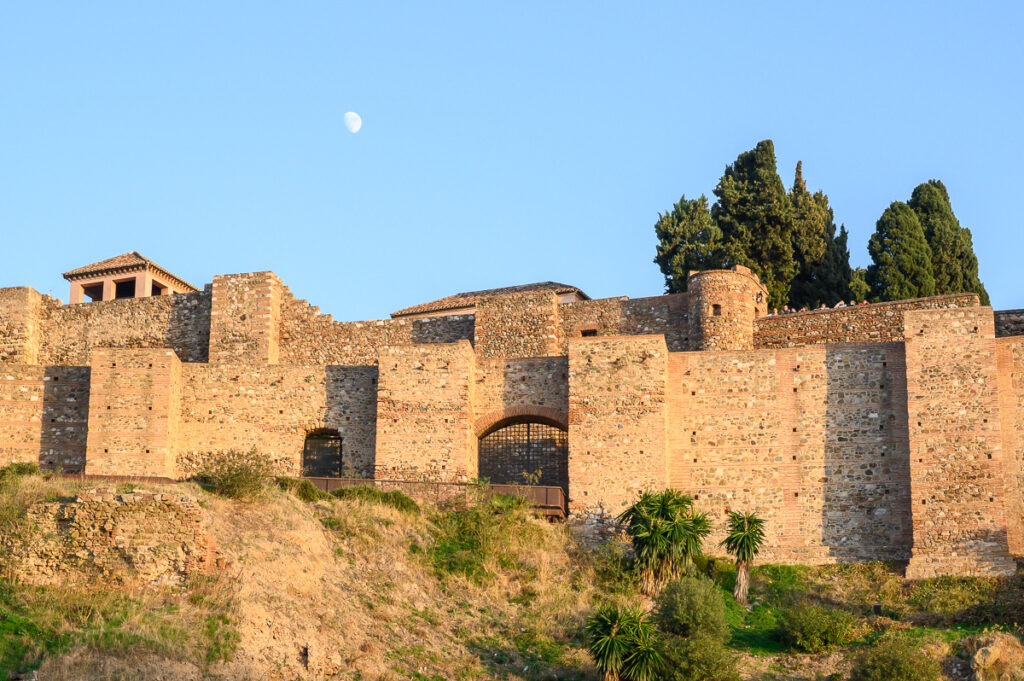
The Alcazaba, along with the cathedral, is the city’s most prominent historical monument. It’s a sprawling medieval fortress in Moorish style with many beautiful corners and viewpoints. The ideal time to visit is early morning or late afternoon—otherwise, it gets very hot and crowded.
Continue with a hike or a ride (bus 35) to the Gibralfaro fortress, which I find even more beautiful than the Alcazaba—if only for the view of the city, port, and sea. Ideal for sunset.
You can manage the path with a stroller, just keep in mind that part of the historic path to Gibralfaro leads up a relatively steep cobbled road. You’ll work up a bit of a sweat on the way up.
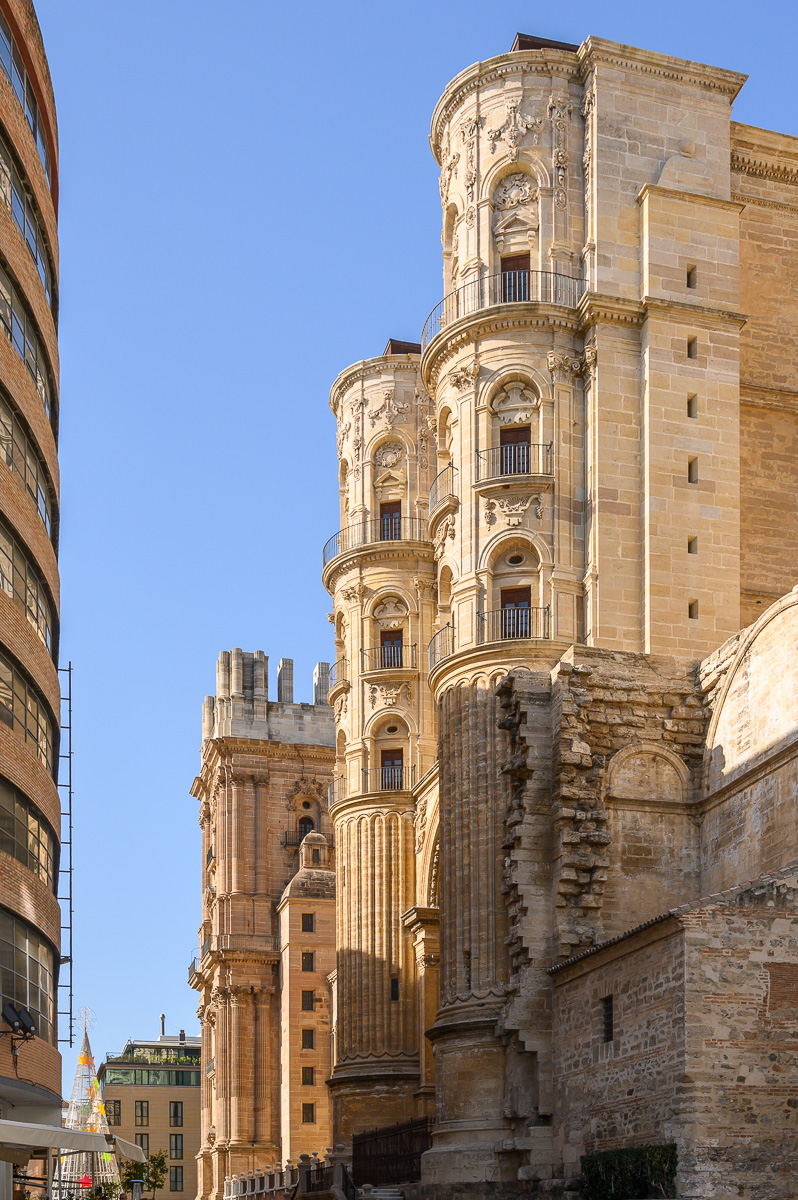
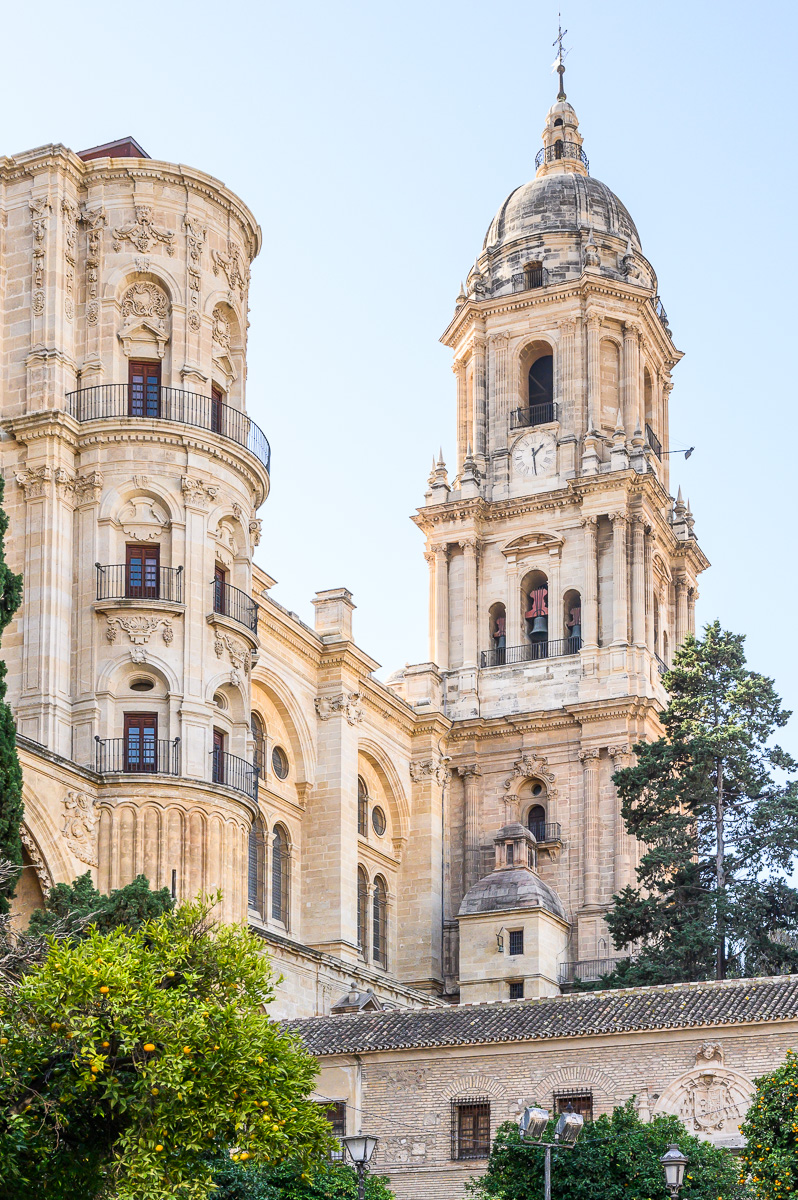
Málaga Cathedral
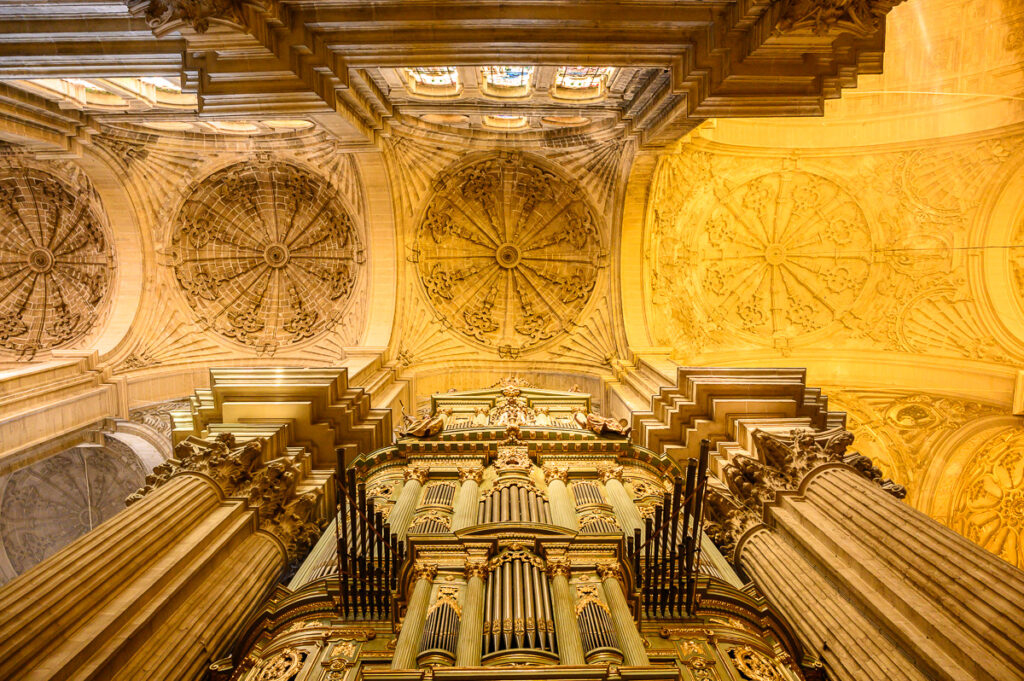
The majestic Renaissance cathedral in the city center is one of the sights you definitely shouldn’t miss. After Seville Cathedral, it’s the second largest in Andalusia.
I recommend renting an audio guide, which gives the visit a different dimension.
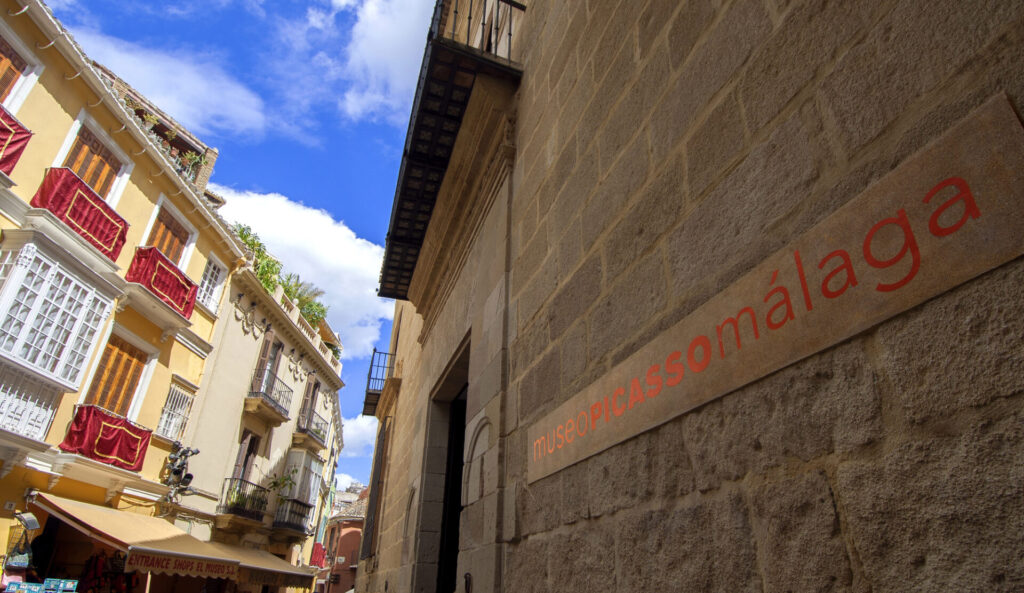
Picasso Museum Málaga
The famous artist Pablo Picasso was born in Málaga, and even though you won’t see any of his ultimate masterpieces in this museum, it’s worth a visit. If only because you can beautifully see the gradual development of his style from perfectly mastered realism to cubism, which he helped define as a style.
Málaga Museum
One of the places where you can hide from the heat and at the same time understand the region’s diverse history a bit better. From Roman settlement through the influence of Arab culture to modern Spain.
Centre Pompidou Málaga
An unmistakable building housing a branch of the famous Paris modern art museum. You’ll find it near the port, and it hosts interesting exhibitions—check the official museum website for current info.

Museo Taurino de Málaga – Bullfighting Museum
This tough sport is also an integral part of the region’s culture and history. Stop by the La Malagueta stadium, where a small bullfighter museum awaits.
What to experience: City, sea, and culture
Besides the sights, Málaga is a city of experiences that aren’t tied to tickets or opening hours. Food, beaches, street art, random encounters over an evening drink. These are likely what you’ll remember most.
SOHO and street art
You can walk through the Soho district in an hour or two, and several dozen murals as well as smaller graffiti and other street art await you. I recommend heading out in the late afternoon when the neighborhood starts to come alive and it’s also bearable outside.

La Concepción Botanical Garden
The botanical garden lies outside the center but offers a significant change of environment. Shade, greenery, and a relatively calm pace make it an ideal half-day trip, especially in the warmer months.
For families, the advantage is the combination of nature, short trails, and the possibility to shorten the program at any time.
Flamenco
While Málaga isn’t among the famous flamenco destinations, you can still experience an authentic performance here. Flamenco isn’t just a dance, but a musical-dance culture with deep roots that originated among local Roma and blends Spanish, Arab, Indian, and Jewish influences.
Where to go for flamenco:
- Cervantes Theatre
- Tablao Flamenco Alegría
- Restaurante Vino Mio
- Kelipé Centro de Arte Flamenco
Beaches in Málaga
Beaches in Málaga aren’t just for a whole day; they also serve well for a short break.
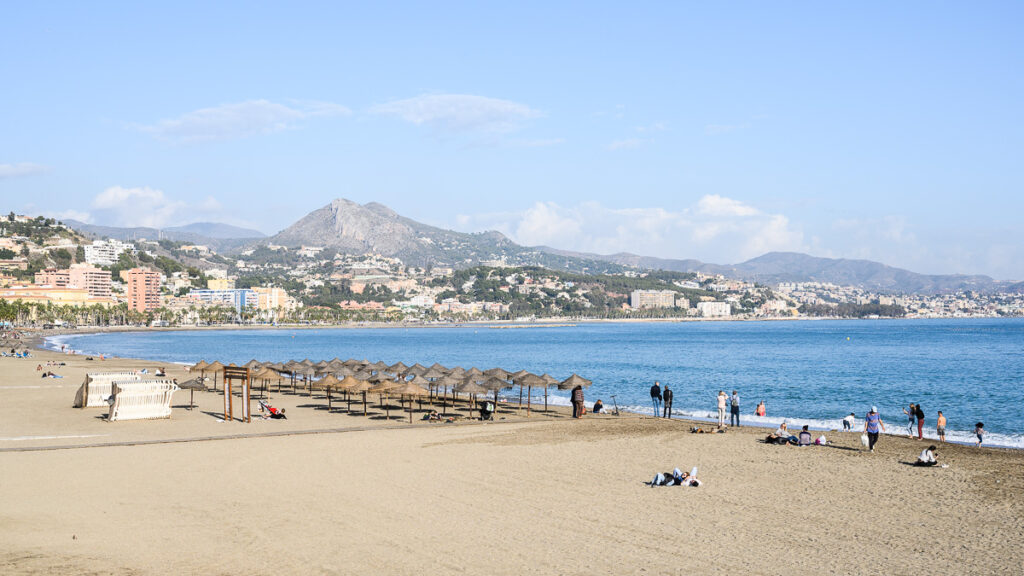
Playa de la Malagueta
A classic city beach right by the center. It’s far from the most beautiful, but it’s the most accessible and perfectly fine for a swim.
Showers, toilets, and lifeguards are available. A nice promenade runs along the beach, and you’ll find several restaurants and bars.
Playa de la Caleta
A smaller beach right next to Malagueta, heading east. A bit quieter and less touristy, but unfortunately with very few restaurants.
Pedregalejo
Pedregalejo isn’t one beach, but a series of smaller artificial bays separated by breakwaters. This makes the sea calmer and the entry gradual. Ideal even for a longer stay with kids. You’ll find plenty of cafes and restaurants, as well as a playground.
The best way to get here from the center is by bus—lines 29 and 34 to the Bolivia – Pedregalejo stop. The journey takes about 15 minutes.

El Palo
Continuing further east. El Palo is even more local than Pedregalejo. You’ll meet many local families, and you can eat well in the area for decent prices.
Playa de la Misericordia
A long sandy beach in the southwest of the city, popular with locals. It includes several playgrounds and a public workout area.
Food and places: How to eat well in Málaga
Málaga is one of the best destinations to taste Spanish cuisine. The key to the best culinary experience isn’t so much searching for the “best” restaurants, but rather tuning into the rhythm of local life and letting your nose and the atmosphere guide you.
What to taste in Málaga and the surrounding area
Typical specialties:
- Espetos de sardinas – sardines grilled over an open fire right on the beach. The most authentic ones are in chiringuitos outside the center itself.
- Pescaíto frito – a mix of small fried fish, ideal for sharing.
- Porra antequerana – a thick cold tomato soup, filling and great in the heat.
- Ajoblanco – another cold soup, this time made from almonds, bread, and garlic.
- Boquerones – anchovies, either marinated or fried.
- Ensalada malagueña – a fresh salad with fish, tomatoes, oranges, and olives.
- Tejeringos – a local fried dessert, similar to churros
Dishes are usually served simply, without complex preparations, and portions are easy to share.
Where to start: Mercado de Atarazanas
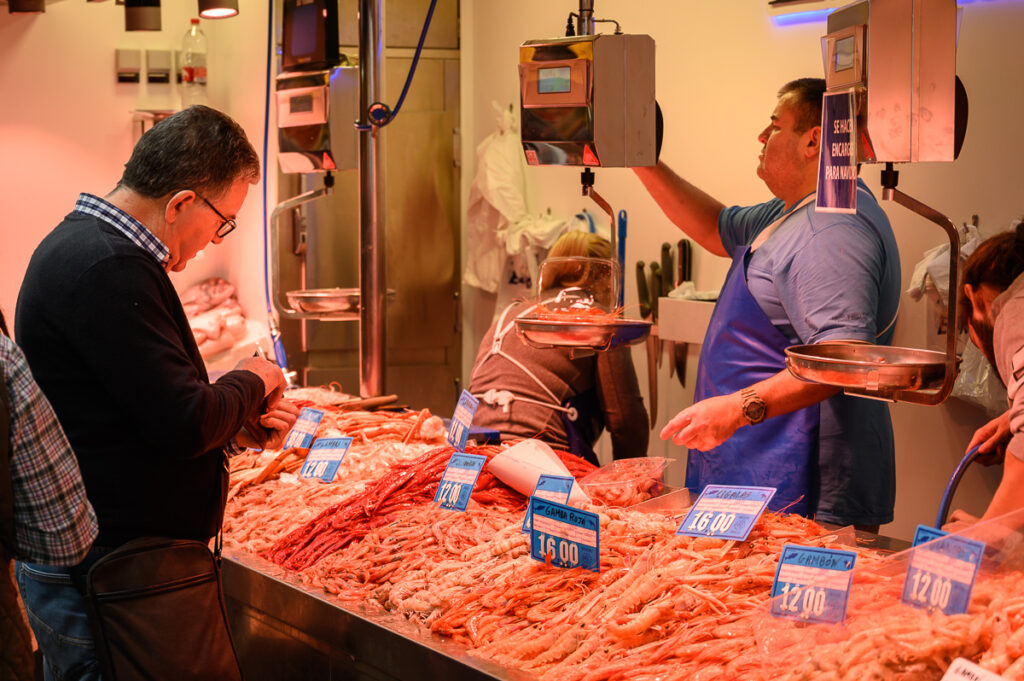
The central market, Mercado de Atarazanas, is worth more than one stop. You can taste lots of local products here and stop for tapas. Definitely try the olives, hams, and cheeses.
In peak season, expect larger crowds, especially around noon.

Beach chiringuitos
Chiringuitos are informal restaurants right on the beach and represent one of the easiest ways to eat well in Málaga without a long wait.
Advantages for families:
- simple menu
- quick service
- kids have space to move around on the beach
You’ll have the best experience at those in the Pedregalejo and El Palo neighborhoods, where the establishments cater primarily to locals and aren’t as tourist-oriented.

Adding a few verified tips for food and coffee.
Where to go for Tapas
- The already mentioned Mercado de Atarazanas.
- Beluga – a modern, more upscale take on tapas in the historic center.
- Los Marangós Molina Lario – classic tapas, great price-quality ratio.
- Taberna De Jarana – a pleasant place for an evening sit-down and a small bite to eat.
- Los Marangós Niño de Guevara – great tapas and seafood.
Where to go for coffee and desserts
- Next Level Specialty Coffee – great coffee and a small brunch. They recently opened a second branch. And another, The Lab.
- Delicotte Specialty Coffee & Tea – espresso bar with excellent coffee and matcha.
- antirush | specialty coffee – proper local hipster spot.
- Santa Roaster – roastery and espresso bar in SOHO.
- Levi Angelo Gelato – excellent ice cream in SOHO.
- Helados Bico de Xeado – great ice cream in the historic center.
Málaga with kids: A detailed practical guide
Málaga is one of those cities that at first glance seems like a typical urban destination, but with proper planning, it’s absolutely great for kids of any age.
Spaniards also love children, and the public space is ready for them. Whether it’s stroller accessibility or the number of playgrounds and various small activities.
Málaga with kids aged 1–5
For the youngest children, simplicity and the ability to interrupt the program at any time are key. At the same time, you can just let them run around the small squares or play on the beach and they’ll be happy; there’s no need to plan a special program.
Definitely stop by Parque de Málaga, where kids can also run around and go wild on the playgrounds.
Getting around the city and strollers
The historic center is easily manageable with a stroller. The path to Gibralfaro can be a bit more demanding, but even that can be done with a stroller. Don’t forget sun protection.
Beaches suitable for small children
La Malagueta is closest to the center and works well for a short stop. For a longer stay with small children, the beaches in the Pedregalejo and El Palo neighborhoods are more practical, offering a calmer atmosphere, a wider beach, and better facilities in the form of restaurants and showers.
Eating and sleeping
I recommend staying in an apartment with a kitchenette; it will make your life significantly easier. Keep in mind, among other things, that most restaurants are closed in the afternoon (though you can always find fries with ketchup somehow).
Málaga with kids aged 5–12
School-age children can handle longer blocks of activities and appreciate variety. Málaga works very well in this category if you combine exploration with movement and playful activities.
Interactive and fun programs
- I recommend setting aside one afternoon for the interactive video game museum OXO Museo del Videojuego. It will appeal to kids from about 6–7 to 15 years old. And dads.
- Another option is the Museum of Illusions.
- When visiting the Cathedral, use the special children’s audio guide (in English).
Need a bit more movement and adrenaline? Head to the large water park Aqualand Torremolinos, about 15 km south of Málaga.
Most common mistakes families make in Málaga
- Trying to manage too many activities in one day.
- Underestimating the sun and the need for regular breaks.
- Planning main sights during midday hours.
- Unnecessary travel across the city during a single day.
If the itinerary is built around the children’s energy rather than a list of places, Málaga very quickly becomes a relaxed family destination.
Trips from Málaga: Where to go for half a day or a full day
Málaga also serves very well as a base for trips around Andalusia. Thanks to good connections to the road network and regional trains, you can take day trips without needing to change accommodation.
Andalusia is also an ideal destination for a road trip, and Málaga is the most easily accessible point and place to rent a car.
Caminito del Rey
El Caminito del Rey is a famous path in the cliffs above the Desfiladero de los Gaitanes canyon with breathtaking views. It’s one of the most famous trips around Málaga, so expect large crowds. Buy tickets in advance with a reservation for a specific time.
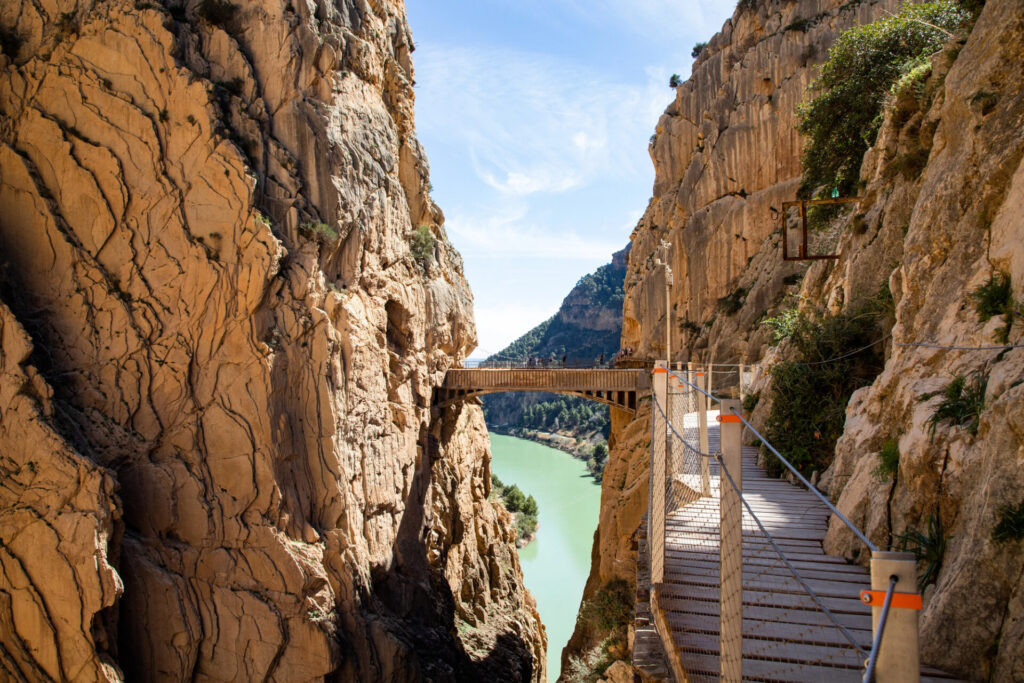
The path is not suitable for small children or anyone with a significant fear of heights.
How to get there: The easiest way is to rent a car (approx. 1 hour drive). An alternative is an organized tour from Málaga.
Nerja and the Cueva de Nerja Caves
Nerja is a smaller coastal town east of Málaga, combining a historic center, viewpoints over the sea, and famous stalactite caves. Just a few kilometers further, you’ll also see a beautiful aqueduct.

How to get there: The car journey takes approximately one hour. Buses run regularly from the bus station in Málaga.

Frigiliana
Frigiliana is among the best-preserved white villages in Andalusia. Narrow streets, views of the surrounding landscape, and a compact center make it an ideal contrast to coastal Málaga.

El Torcal de Antequera
The El Torcal nature reserve offers a unique karst landscape with short marked trails. It’s one of the best nature trips around Málaga.
You’ll need a car and definitely avoid the hottest parts of the day.

Ronda
Ronda is a historic town about an hour and a half from Málaga, famous for its bridge over a deep gorge. It offers a combination of history, architecture, and dramatic landscape.
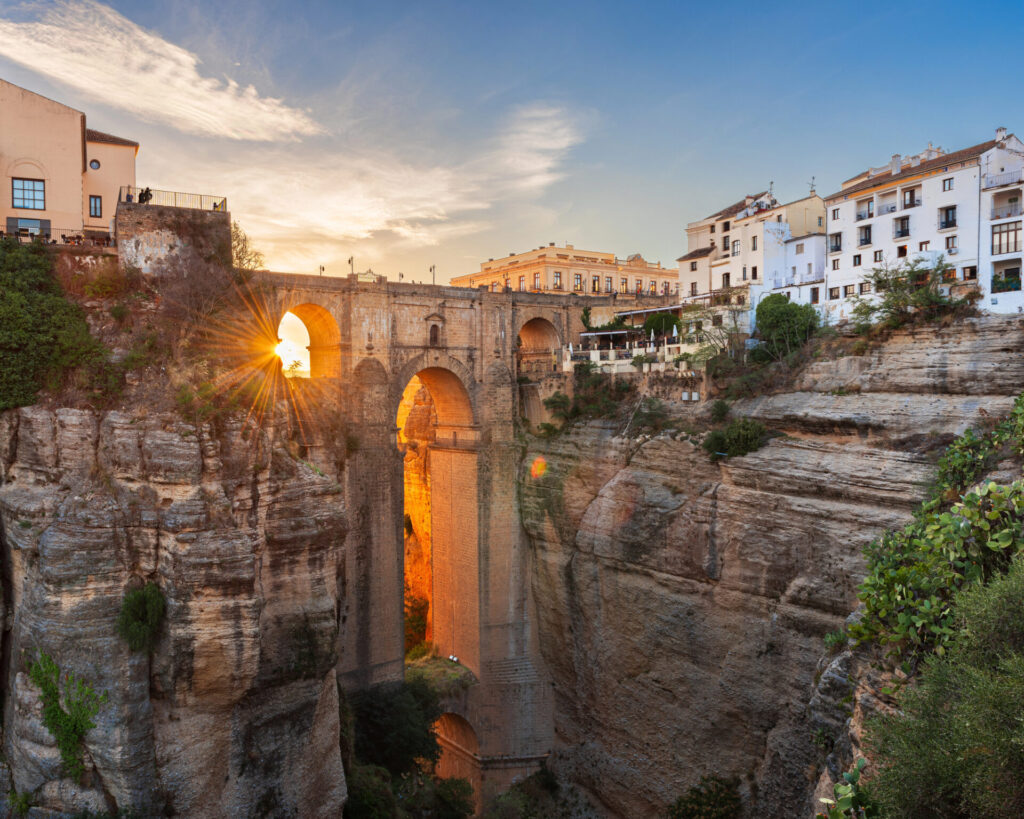
You can also get to Ronda by train with a transfer in Santa Ana; the journey takes slightly over 2 hours.
Practical information
How to get to Málaga
Málaga–Costa del Sol International Airport (AGP) has direct flights from all over Europe, most often by low-cost airlines like Ryanair, Vueling, Easyjet, Wizz Air, or Eurowings. You can easily find return tickets outside the peak season for under €50.
So there’s not much point in considering flying to another Spanish airport and using domestic transport.
How to get from the airport to the center
The most practical option is the suburban train Cercanías (line C1), which connects the airport with the main station Málaga María Zambrano and the Málaga Centro Alameda stop near the historic center. The ride takes approximately 12–15 minutes and trains run at short intervals.
The price is €1.80 for a one-way trip, and you just need to tap your payment card (or phone) at the turnstile.
Getting around the city
Málaga’s center is compact, and a large part of your itinerary can be done on foot. For longer trips, public transport works reliably.
Buses cover the entire city, including the beach neighborhoods of Pedregalejo and El Palo. A single ticket costs €1.40, and you pay directly on the bus with a contactless card or phone.
If you’re traveling more frequently, a rechargeable bonobus card is worth it.
Money and Prices
Spain uses the Euro and card payments are common almost everywhere. Cash is better for small purchases or markets.
Approximate prices:
- coffee: €1.50–€2.50
- beer or soft drink: €2–€3.50
- simple lunch in a regular restaurant: €12–€18
- dinner in a mid-range restaurant: €18–€30
Prices by the beach and in the most touristy parts of the center tend to be higher than in residential neighborhoods.
Weather and when to go
Málaga has a Mediterranean climate with hot summers and mild winters. The best time for a combination of city, beaches, and trips is spring and autumn.
In summer, temperatures can exceed 35°C. You then need to adapt your schedule—morning and evening activities, rest at noon. Winter is better suited for urban exploration than swimming in the sea.
Safety and what to watch out for
Málaga is generally a safe city. The most common problem is petty theft in busy tourist areas, especially in the historic center and on the beaches.
Standard caution is recommended: don’t leave things unattended, watch out for pickpockets, and don’t underestimate the sun and hydration.

Internet, SIM, and practical bits
Public Wi-Fi is available in cafes, restaurants, and some public places. Málaga is in the EU, so EU citizens can use their home data plan.
For others, I recommend getting a data plan via eSIM; I like the offers in the Revolut app best.
Electrical outlets are the European type, 230 V. Tap water is safe to drink but has a strong chlorine taste, so many travelers prefer bottled water.