This post is also available in:


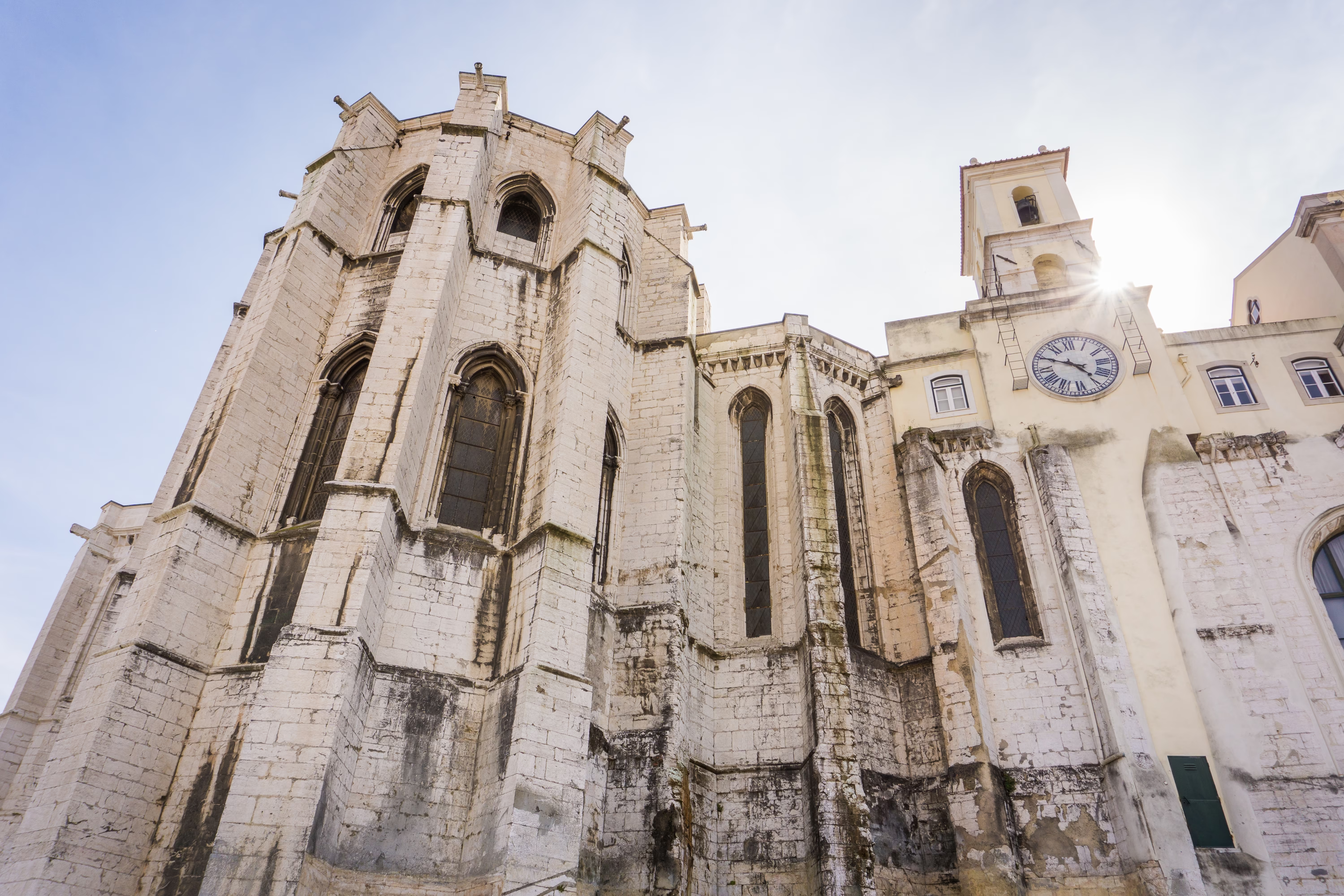
Lisbon, the city of sunshine and flavour, is winning over more and more travellers every year. With over 300 sunny days annually and a food scene that delights even the most demanding foodies, Lisbon is a destination you simply can’t miss. Wander its historic alleyways, lose yourself in the haunting melodies of fado, and soak up the view from one of the many miradouros scattered across the city.
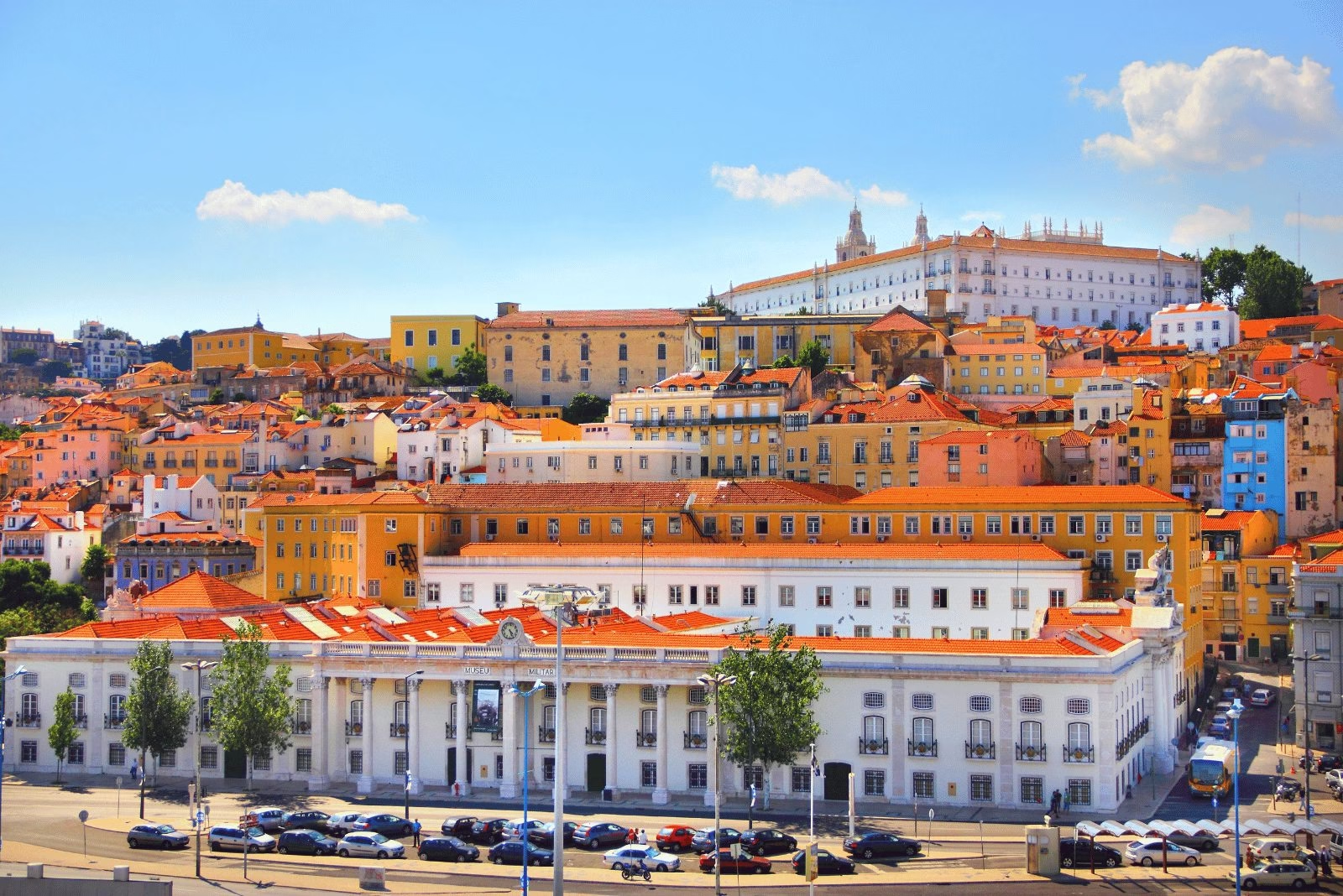
This Lisbon travel guide is packed with tips on how to experience the city to the fullest — whether you’re heading there for a short break or planning a longer stay. We’ll cover the best Lisbon attractions and museums, where to stay (and where to avoid), and what to eat. Experience Lisbon like a local.
Why Visit Lisbon?
Stunning architecture, nearby beaches, sunshine, great co-working spaces and solid internet. Flights from Central Europe take just a couple of hours, so it’s no surprise that more and more travellers are choosing Lisbon as their go-to escape from long winters.

Top Lisbon Attractions: What to See and Visit
São Jorge Castle (Castelo de São Jorge)
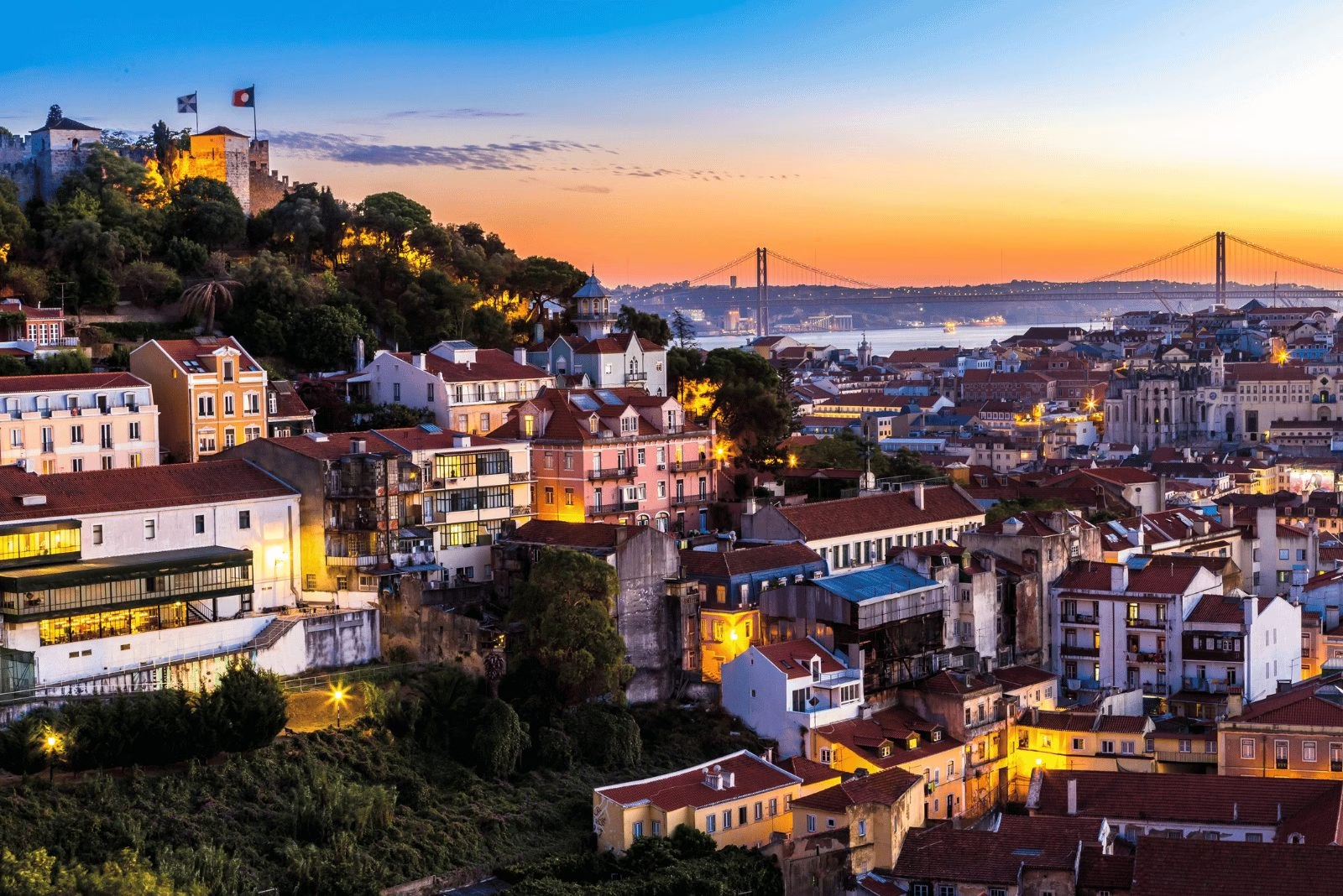
São Jorge Castle is one of the most significant historic landmarks in Lisbon. Its origins date back to the 11th century, and it offers stunning views over the city and the River Tagus. The castle’s highlight is the Torre de Ulisses, home to a Camera Obscura that delivers a real-time 360° view of the city. You can also stroll through the castle’s gardens.
Castelo de São Jorge is open year-round and offers guided tours. Tickets can be purchased on-site or in advance online.
The castle is located in the historic Alfama district, easily reached by tram 28. The best time to visit is late afternoon, when the views over the city are at their most beautiful.
Jerónimos Monastery (Mosteiro dos Jerónimos)
Jerónimos Monastery is an awe-inspiring 16th-century structure inscribed on the UNESCO World Heritage List. This architectural masterpiece, built in the Manueline style and financed by the wealth of Portugal’s Age of Discovery, features richly decorated interiors with beautiful vaulting, intricate reliefs and a chapel.
Don’t miss the monastery’s lovely gardens and the surrounding Belém district, which is packed with further historic landmarks.

Jerónimos Monastery
Belém Tower (Torre de Belém)
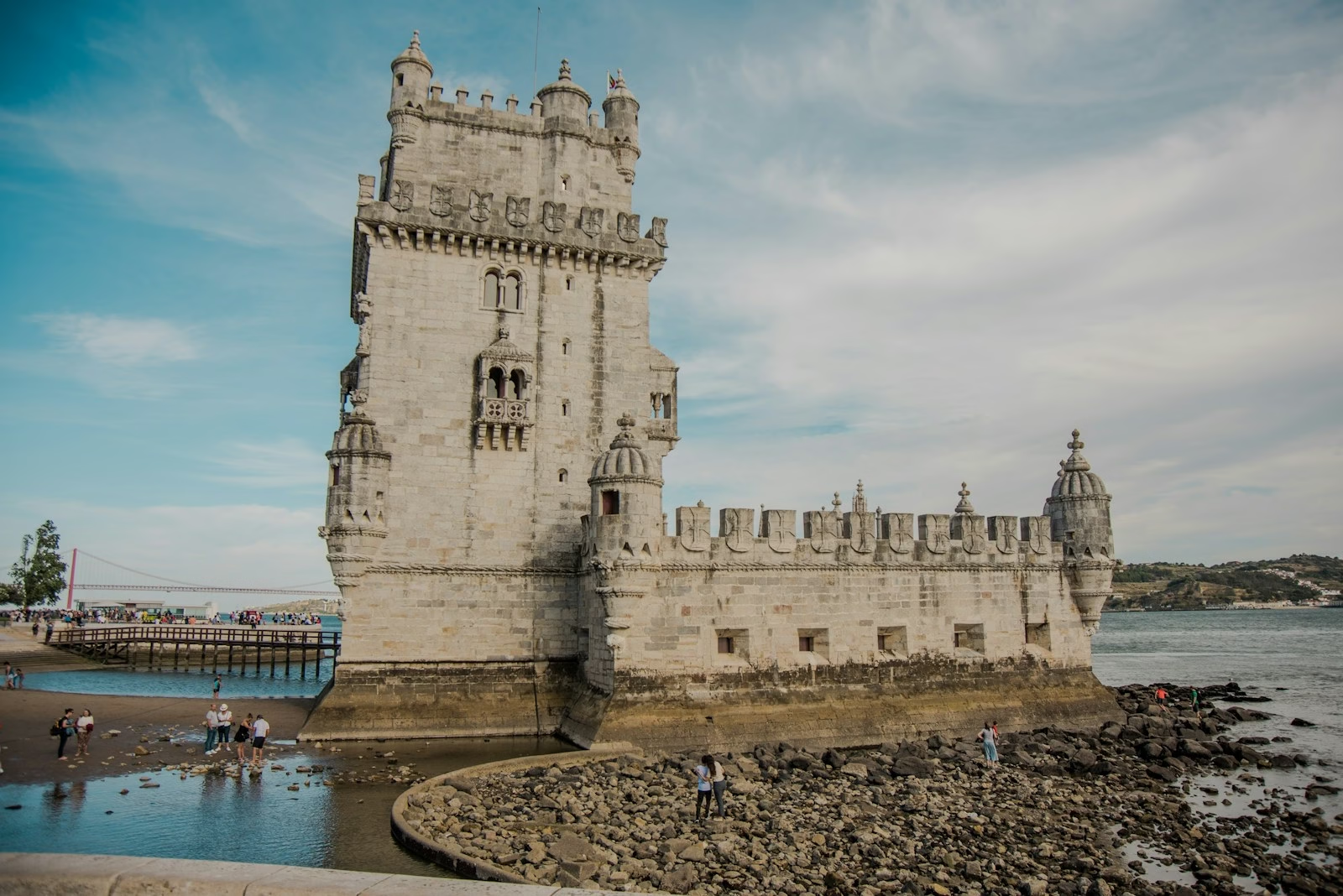
The Torre de Belém is one of Lisbon’s most iconic landmarks. Built in the early 16th century in the Manueline style, it once served as a defensive fortress and gateway to the city. Now a UNESCO World Heritage Site, its position on the banks of the Tagus makes for truly spectacular views of the river and surroundings. The tower is adorned with exquisite stone carvings featuring maritime symbols and imagery of Portuguese power.
Alfama Historic District
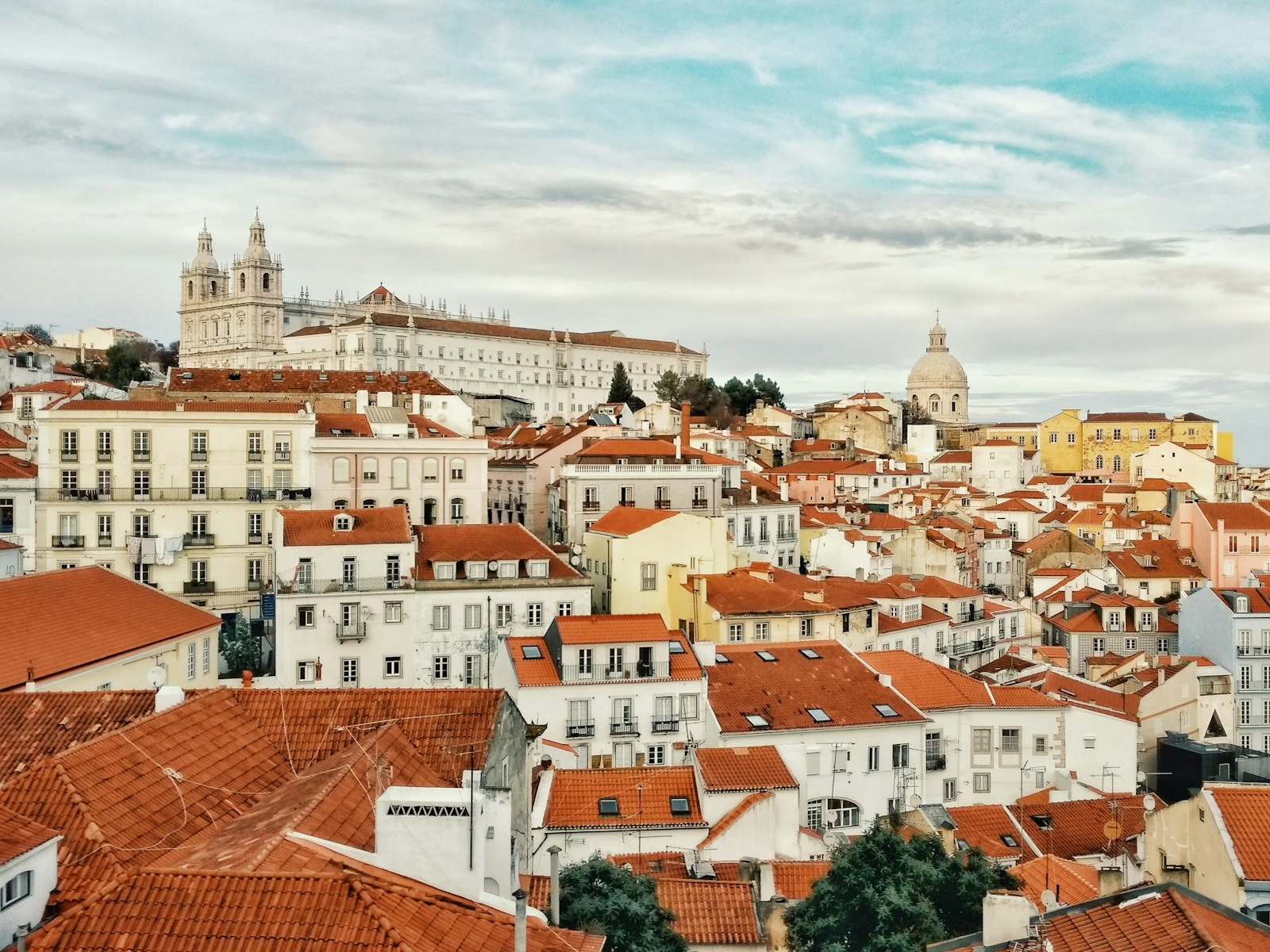
Alfama, Lisbon’s oldest neighbourhood, will enchant you with its narrow alleyways, colourful houses and authentic atmosphere. This historic quarter stretches between São Jorge Castle and the River Tagus. Wandering through Alfama feels like stepping back in time — you’ll discover ancient churches, traditional houses with tiled facades and mysterious lanes filled with fado music. Make sure to visit the Miradouro de Santa Luzia viewpoint for gorgeous views over the city and the river.
Praça do Comércio
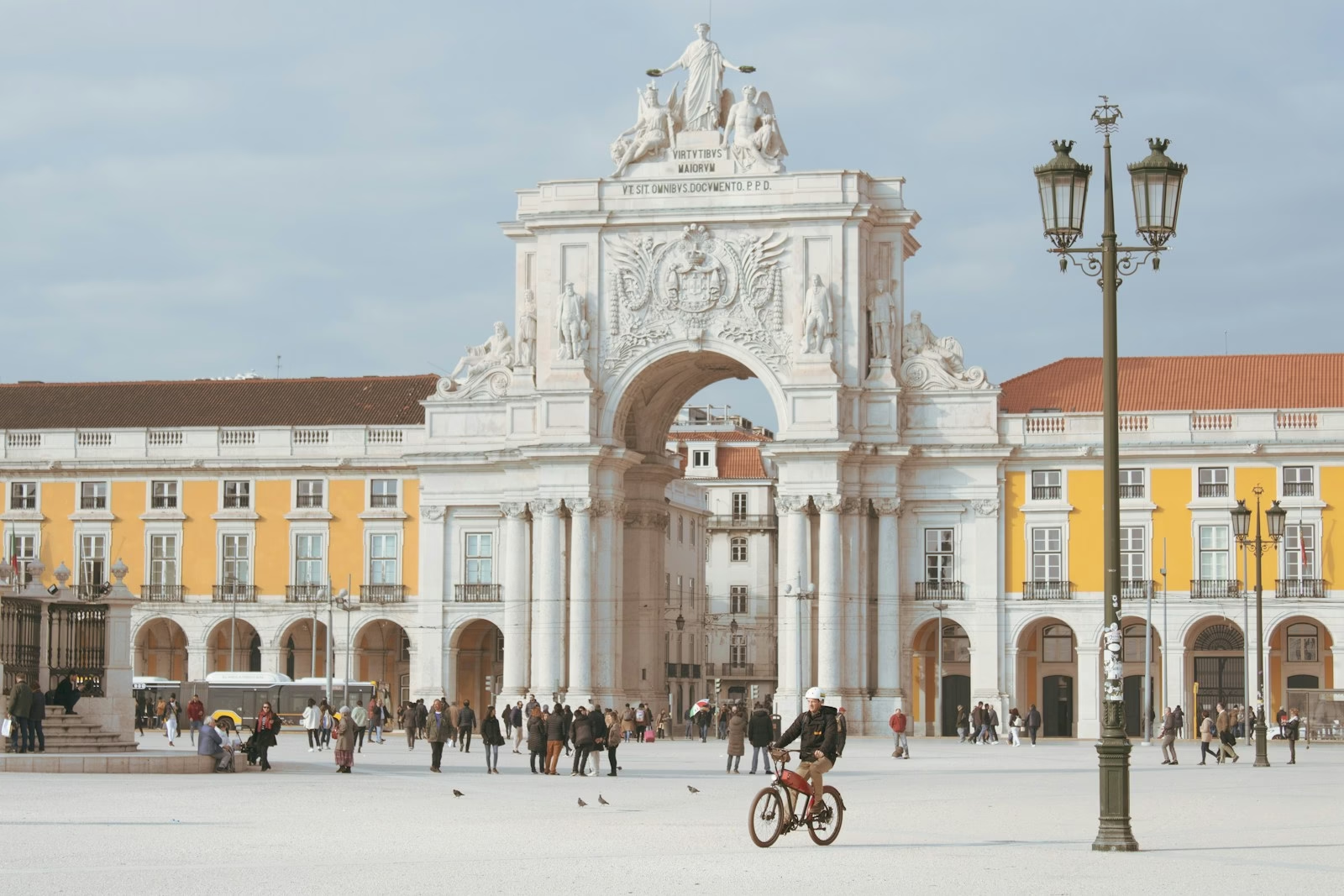
Praça do Comércio, one of Lisbon’s largest and most beautiful squares, sits right on the banks of the River Tagus. Surrounded by magnificent historic buildings with elegant arcades and anchored by an equestrian statue of King José I, the square is a major historic hub — a royal palace once stood here — and it remains an important gathering place for cultural events.
Praça do Comércio also makes a great starting point for exploring Lisbon. You’ll find cafés and restaurants with unique views nearby, as well as the Arco da Rua Augusta triumphal arch.

Miradouro da Senhora do Monte
Miradouro da Senhora do Monte is one of Lisbon’s most beautiful and highest viewpoints. From here you get a sweeping panoramic view of the entire city, including iconic landmarks such as São Jorge Castle, the River Tagus and the 25 de Abril Bridge.
The viewpoint is easy to reach on foot or by tram 28 and is popular with both tourists and locals. The best view is at sunset, when the city turns golden — though it does get very crowded at that time, so if you’re after a romantic moment, you might want to find a quieter spot.

Sé de Lisboa Cathedral
Lisbon Cathedral is the oldest Roman Catholic church in the city. Built in 1150 on the foundations of a former mosque, it has been through many renovations over the centuries, resulting in a blend of architectural styles.
Inside you’ll find a beautifully decorated interior with vaulted ceilings, stained glass and historic artefacts. The cathedral also offers access to its treasury, which houses rare relics, and a courtyard with archaeological excavations revealing traces of Roman and Moorish settlement.

25 de Abril Bridge (Ponte 25 de Abril)
The Ponte 25 de Abril is an iconic suspension bridge spanning the River Tagus, connecting Lisbon with the city of Almada. It bears a striking resemblance to San Francisco’s famous Golden Gate — it opened in 1966 and has become one of Portugal’s most important transport links.
At over 2.2 km long and standing 70 metres above the water, it ranks among the top 50 longest suspension bridges in the world. Another fun fact: it’s a double-decker — road traffic on the upper level, rail on the lower.
The bridge is named in honour of the Carnation Revolution of 25 April 1974, which ended dictatorship in Portugal. Learn more about the bridge and its construction at the interactive Pilar 7 Bridge Experience museum. Note that entry is not permitted less than 1.5 hours before closing time.

25 de Abril Bridge
Eduardo VII Park
Eduardo VII Park is the city’s largest urban park, spreading across 26 hectares in Lisbon’s northern quarter. Named after King Edward VII of Britain, it’s one of those rare spots where you can find a moment of calm amid the city’s bustle — expansive lawns, beautiful gardens and picturesque ponds all await.
The main promenade also offers great views of the city and the River Tagus, especially from the upper terrace at the top of the park.
Don’t forget to visit the greenhouses — Estufa Fria and Estufa Quente — which shelter exotic plants from around the world.

Prazeres Cemetery (Cemitério dos Prazeres)
Prazeres Cemetery is located in the Estrela district. Founded in 1833, it serves as the final resting place of Lisbon’s elite — so instead of simple gravestones, you’ll find elaborate mausoleums, sculptures and ornate tombs.
LX Factory
LX Factory is tucked away in the former industrial district of Alcântara. This revitalised 19th-century complex is a vibrant mix of art, design, gastronomy and entertainment. Streets lined with graffiti and art installations hide galleries, boutiques, bookshops and workshops run by local artists. Restaurants and cafés tempt with culinary specialities, and in the evenings you can enjoy concerts, markets and all kinds of events.

MAAT
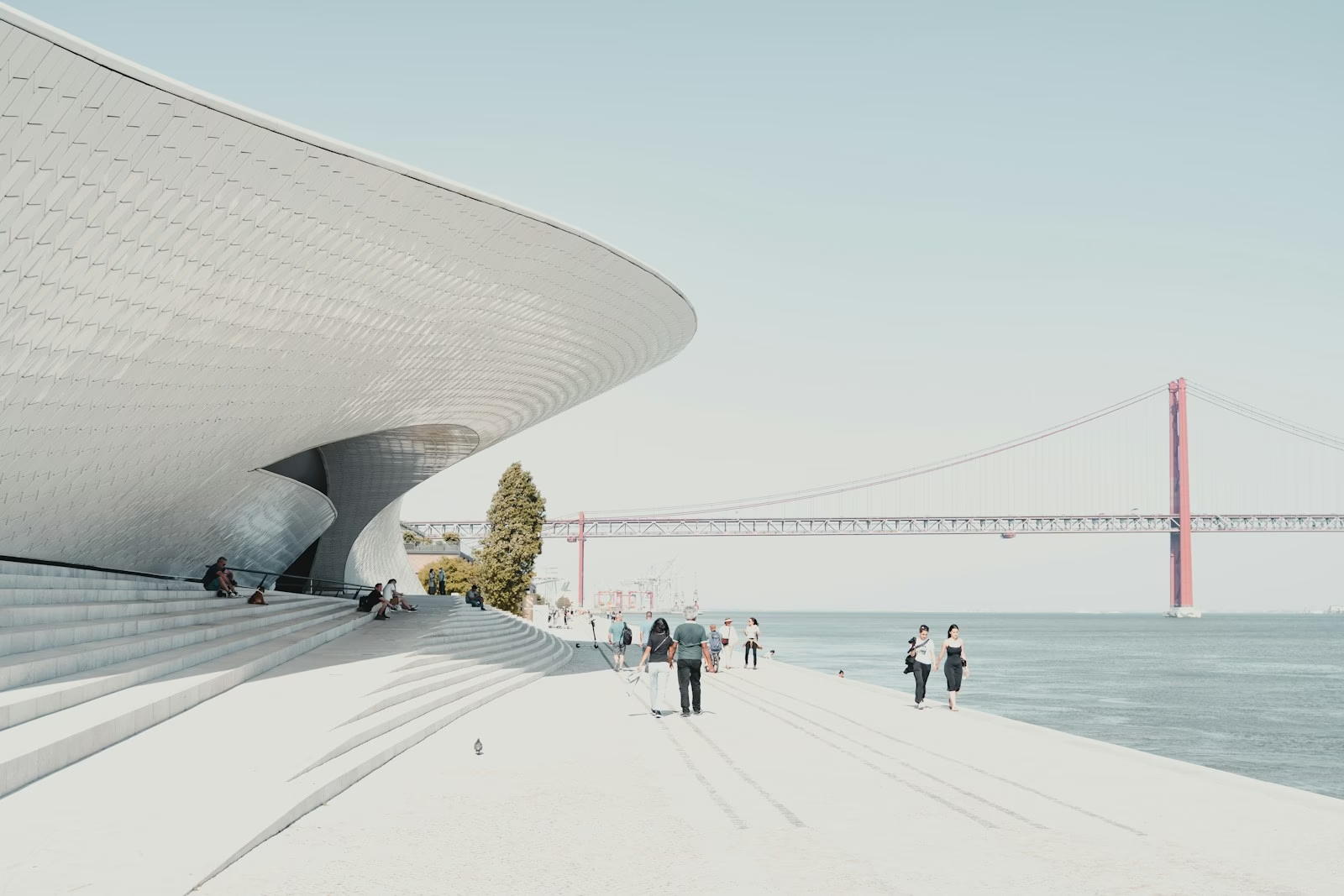
MAAT (Museum of Art, Architecture and Technology) is a contemporary museum on the banks of the River Tagus in the Belém area.
Visitors can explore interactive exhibitions touching on current global themes and bridging past and future. The museum also regularly hosts temporary exhibitions, workshops and cultural events, making it an engaging visit for all ages.
Calouste Gulbenkian Museum
The Calouste Gulbenkian Museum is the perfect destination for art lovers. Fittingly named after the Armenian art collector, it houses an impressive collection of over 6,000 works — from ancient Egyptian art to masterpieces by European painters such as Rembrandt and Monet.
Explore Lisbon with the Lisbon Card. It gives you discounted entry to the main attractions and unlimited travel on public transport.
Things to Do in Lisbon with Kids
Lisbon Oceanarium (Oceanário de Lisboa)
With kids, the oceanarium is a must — it’s one of the largest aquariums in the world. Located in the modern Parque das Nações district, it’s home to more than 8,000 marine animals, including sharks, rays, penguins and colourful reef fish. The main tank, holding five million litres of water, is designed to simulate the open ocean and offers a 360° view of underwater life.
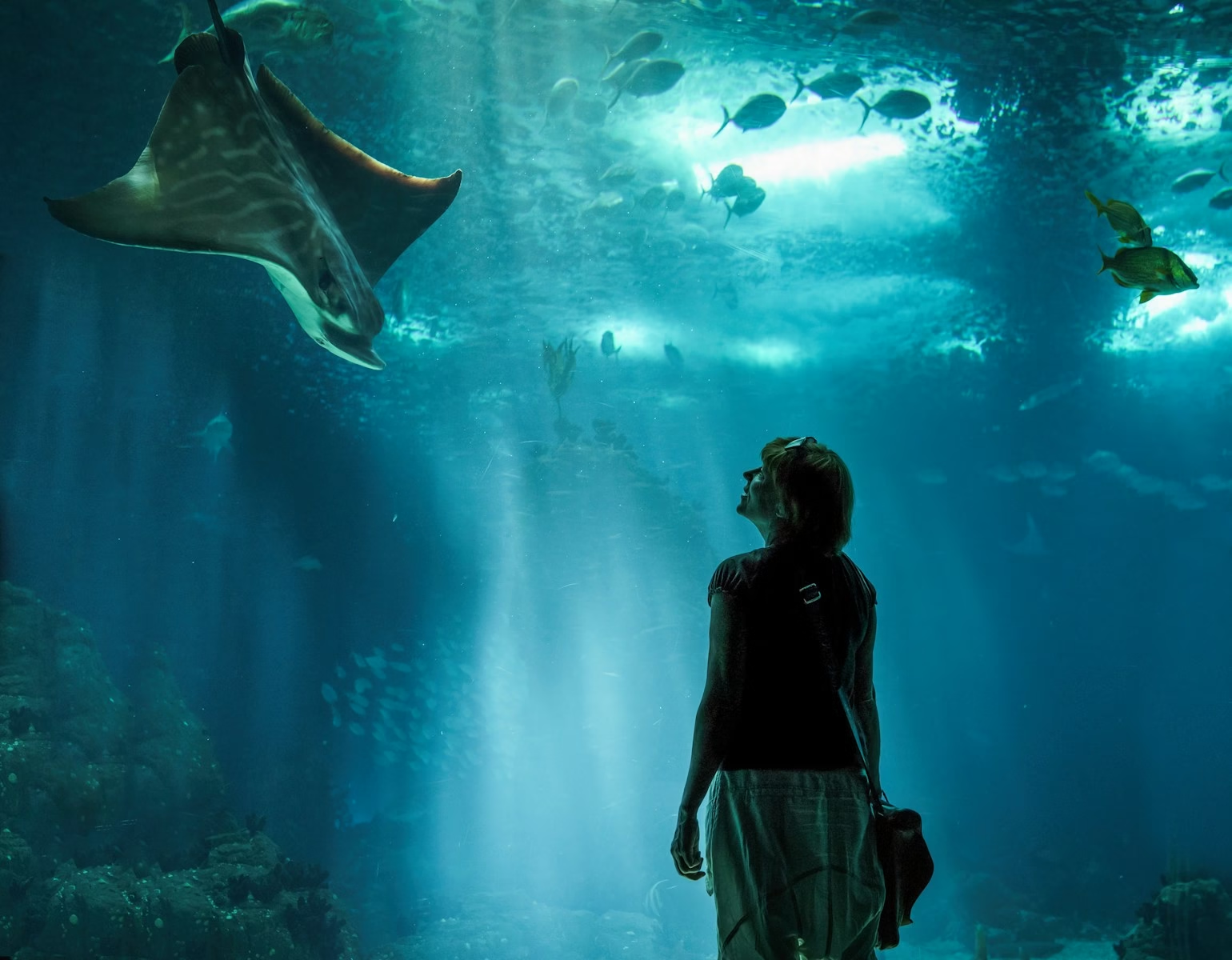
The exhibits are interactive and educational, so both children and adults will stay engaged. The oceanarium focuses on marine conservation and offers various programmes and workshops highlighting sustainable ocean stewardship.
We recommend buying tickets in advance online to skip the queues. If you’d prefer something smaller-scale, you can also visit the Aquário Vasco da Gama.
Pavilhão do Conhecimento (Science Pavilion)
The Pavilhão do Conhecimento is an interactive science centre that will captivate visitors of all ages. It features a wide range of hands-on exhibits covering various scientific disciplines — from physics and chemistry to biology and technology — and lets you experience science first-hand through practical experiments, games and workshops.
Lisbon Zoo (Jardim Zoológico de Lisboa)
Lisbon Zoo is one of the oldest and most renowned zoos in Europe. Set aside plenty of time, because you’ll find more than 2,000 animals from around the world here, including rare and endangered species.

You can marvel at the diverse fauna in beautifully landscaped surroundings that include themed pavilions such as a tropical house, bird house and reptile pavilion. For the kids there’s also a cable car, a dolphin show and a playground.
Telecabine Lisboa
The Telecabine Lisboa is a modern cable car built for the Expo ’98 world fair. It runs along the riverbank for approximately 1.2 km, connecting Torre Vasco da Gama with the Oceanarium. The ride takes around 8 to 10 minutes and the views of the iconic landmarks are well worth it.
Calouste Gulbenkian Planetarium
The Calouste Gulbenkian Planetarium is in the Belém district and is one of the ideal spots for families with children. Using cutting-edge technology, it offers realistic displays of the night sky, planets and galaxies, as well as interactive exhibitions that captivate visitors of all ages.
KidZania
KidZania Lisbon is a unique entertainment and educational park where children can try out different professions in a realistically designed mini-city. Located inside the Dolce Vita Tejo shopping centre, this indoor park lets children aged 3 to 14 become doctors, firefighters, journalists, pilots and much more — for a day at least.
Parque Florestal de Monsanto
Parque Florestal de Monsanto, Lisbon’s largest forest park, is an ideal spot for families looking to escape the city buzz. Across more than 900 hectares you’ll find a wealth of hiking and cycling trails, playgrounds, picnic areas and even adventure rope courses.

Things to Experience Rain or Shine
Have Coffee in the World’s Oldest Bookshop
The Bertrand bookshop café (Livraria Bertrand) is the oldest operating bookshop in the world, open since 1732. Situated in the historic Chiado district, it offers visitors not only a rich selection of books but also a cosy atmosphere — ideal for relaxing with a good read and a coffee.
Taste Local Specialities at Time Out Market
Time Out Market is the perfect destination if you like discovering new places through food. Housed in the historic Mercado da Ribeira building, it brings together more than 40 stalls serving local and international specialities.
Experience Bairro Alto’s Nightlife
Bairro Alto is a vibrant Lisbon neighbourhood, famous for its lively nightlife, narrow streets and historic houses. After dark, bars, restaurants and clubs come alive, offering everything from traditional fado music to modern dance beats.

Bairro Alto looks quiet by day — but it comes alive at night
Discover the History of Fado
The Fado Museum is dedicated to Portugal’s traditional fado music, inscribed on UNESCO’s Intangible Cultural Heritage list. Visitors can explore the rich history and evolution of fado through interactive exhibits, audio recordings, historic artefacts and musical instruments.
If fado captures your heart, head to Clube de Fado, one of the best places for an authentic fado experience.
Try a Pastel de Nata
The Pastel de Nata — Portugal’s iconic custard tart with a flaky crust, creamy filling and a dusting of cinnamon and sugar — has its origins right here in Belém. Head to the famous Pastéis de Belém bakery to try the most authentic version around.
Join an authentic cooking class and learn to make Pastel de Nata from the masters themselves.

Take a Cruise on the River Tagus
Experience Lisbon from the water and take in panoramic views of iconic landmarks including the Belém Tower, Jerónimos Monastery, the 25 de Abril Bridge and the Cristo Rei statue.
Cruises run year-round, from short sightseeing trips to longer romantic evening sailings with dinner on board. You can choose between different types of vessel, from traditional sailing ships to modern catamarans. Browse the full range of cruises and details here.

Hunt for Treasures at the Flea Market
Feira da Ladra, Lisbon’s oldest and largest flea market, is held every Tuesday and Saturday in the historic Alfama district. This charming market, whose history stretches back to the 13th century, is the perfect place to hunt for hidden gems and antiques.
Hop on Tram 28
Tram 28 is one of Lisbon’s most iconic symbols, weaving through the narrow, winding streets of historic neighbourhoods including Alfama, Baixa and Estrela.
We recommend hopping on early in the morning or late in the afternoon to avoid the tourist crowds. Alternatively, tram 12E offers a shorter but equally scenic route.

Ride the Santa Justa Lift
This historic elevator, built in the early 20th century, connects the Baixa and Bairro Alto districts and offers gorgeous views over the city. It was designed by architect Raoul Mesnier du Ponsard, a student of Gustave Eiffel, and stands out for its Art Nouveau iron structure and elegant cabins.

It’s one of Lisbon’s top attractions, so expect seriously long queues. One way to beat them is to arrive early — or you can reach the top via the stairs or through nearby buildings.
The same architect is also behind the popular Elevador da Bica funicular, which connects the Cais do Sodré waterfront to the Bairro Alto district.

Explore Lisbon with Locals
Discover Lisbon with locals who’ll take you to places you’d never find on your own. You’ll also find a wealth of experience ideas on GetYourGuide. Here’s a selection worth considering:
Lisbon Events You Shouldn’t Miss
Lisbon Carnival (Carnaval de Lisboa)
- When: February or March, before Lent.
- What to expect: Colourful parades, music and dancing in the streets.
Festival of Saint Vincent (Festa de São Vicente)
- When: 22 January.
- What to expect: Celebrations in honour of Lisbon’s patron saint. Includes processions, masses and cultural events across the city.
Freedom Day (Dia da Liberdade)
- When: 25 April.
- What to expect: Celebrations marking the anniversary of the 1974 Carnation Revolution. The city hosts concerts, parades and fireworks.
Festa dos Santos Populares
- When: Throughout June.
- What to expect: A month of festivities honouring Saints Anthony, John and Peter. Lisbon’s streets fill with music, dancing, grilled sardines and colourful decorations.
Food and Culinary Experiences in Lisbon
If you have a sweet tooth, Lisbon will feel like paradise. I’m not a big dessert person, but I still found myself regularly caving to the irresistible pastries. Traditional Portuguese food won’t blow your mind, but it won’t disappoint either. Steer clear of the fancy tourist restaurants in the centre and you can easily have lunch for around €7. Expect plenty of potatoes, sardines and other affordable fish (most commonly dried cod — bacalhau — prepared in what feels like a million different ways), meat, rice, savoury pastries and braised vegetables.
Apart from the fish, the food didn’t strike me as particularly healthy, so I often cooked for myself — ingredients were cheap and decent quality.
In central Lisbon you’ll also find plenty of non-Portuguese cuisine, so if you’re after a more varied food scene, you have options. Just be prepared to pay more: a dinner for €25 is perfectly normal. Personally, I’m a fan of Brazilian food, anything with a Spanish influence, and the excellent burgers at LX Factory.
If I had to pick just two things from the entire Portuguese food scene, it would be wine and sausages. Actually, make that about a million types of wine and half a million types of sausage — plus various hams and cured meats. Did I mention the wine is amazingly affordable? Very drinkable bottles start from around €2. :-)
On the topic of wines, make sure to also read our detailed guide to Porto, or browse all our Portuguese travel guides.
Stop by Time Out Market right next to Cais do Sodré station, where you can order from dozens of stalls — quality here is well above average. Then head to Bairro Alto to discover bars, wine bars and… more bars. Absolutely worth it.

Sintra
Where to Stay in Lisbon
Lisbon offers a wide range of accommodation options. Let’s look at some specific hotel, hostel and apartment picks that will make your stay in this Portuguese capital comfortable and enjoyable. But first — a word on where not to stay.
Which Lisbon Neighbourhoods to Stay In (and Which to Avoid)
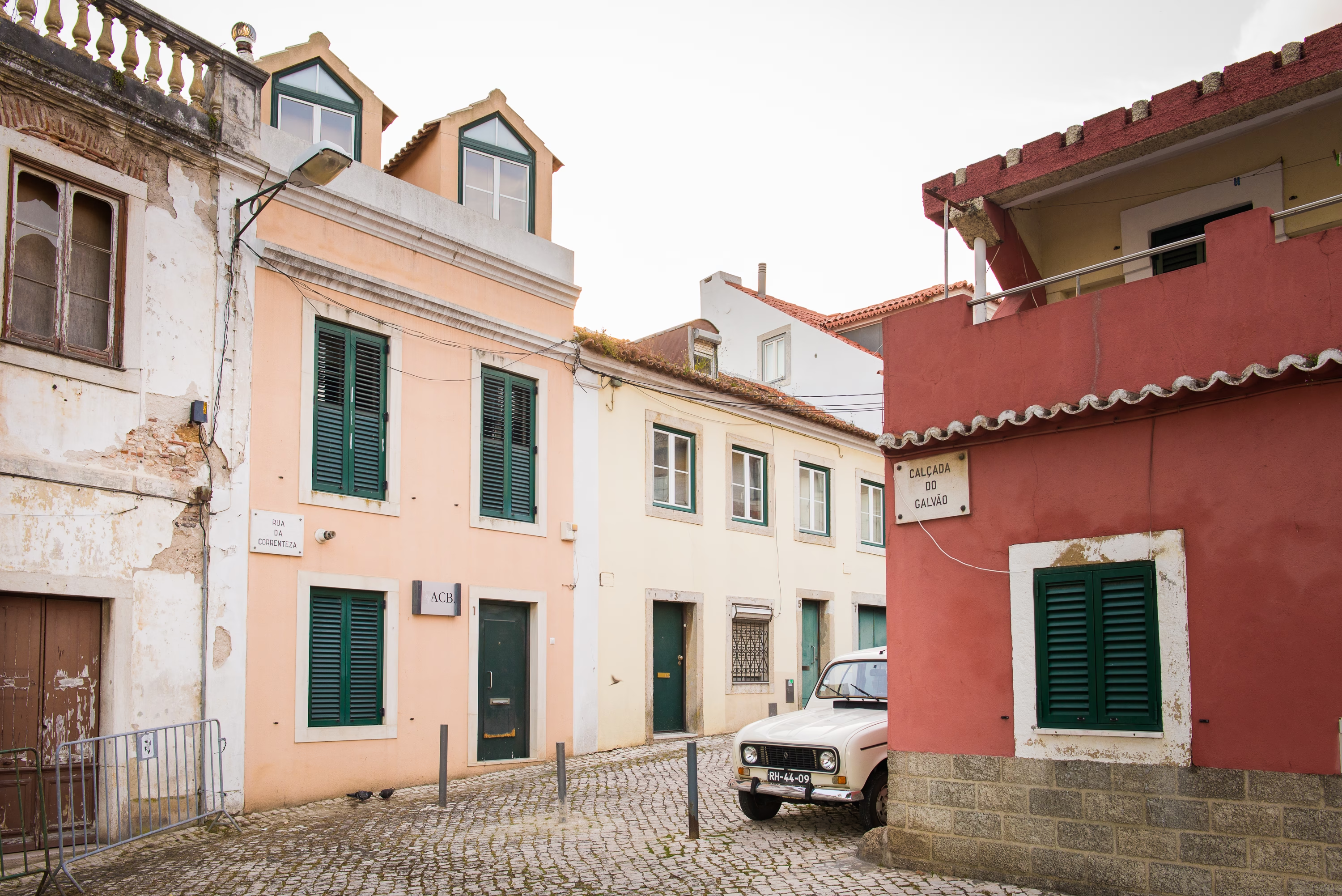
If you’re planning to stay for a while, it’s worth choosing your neighbourhood carefully. Lisbon is a fairly spread-out city and getting around can eat up more time than you’d expect. I started out staying with friends, but eventually moved for practical reasons — I ended up in a beautiful little house on the edge of the city, a short walk from the co-working space I used. It was the best long-term Airbnb I’ve ever had.
I’d strongly recommend avoiding the most touristy stretch between Praça do Comércio and Rossio. Tourist central. Absolute mayhem.
If I wanted to be in the centre, I’d look in Bairro Alto and Rato — the area around Jardim Fialho de Almeida was my personal favourite. The area north of Rossio is also pleasant, and the laid-back neighbourhood of Alcântara is a popular choice too. A heads-up though: if you want sea and surf, you’re out of luck right in Lisbon. Your best bets are the beaches towards Cascais or across the bridge in the charming town of Costa da Caparica.
On the other hand, if you’re only staying a few days, the city’s spread-out nature actually makes it better to stay near the centre or a public transport hub.

Recommended Places to Stay
Hostels:
- We Hate F Tourists: Don’t let the name put you off — this hostel near the centre is among Lisbon’s top-rated. Beyond the cosy rooms you’ll find a garden and great common areas. Perfect for solo travellers.
- room00 Lisboa Hostel: A great, budget-friendly hostel with spacious common areas and a terrace. Suitable for solo travellers and groups alike.
Apartments:
- Lisbon Serviced Apartments – Bairro Alto: Stylish apartments in the heart of the historic Bairro Alto district, with a fully equipped kitchen and contemporary design.
- With You Suites: Modern accommodation in the heart of Lisbon, offering stylish and comfortable apartments.
Luxury Hotels:
- Four Seasons Hotel Ritz Lisbon: A five-star hotel with elegant rooms, first-class service and city views. Includes a wellness centre and pool.
- Pestana Palace Lisboa: A historic palace turned luxury hotel, surrounded by magnificent gardens. Expect top-tier comfort and VIP service throughout.
Longer-Term Rentals
Lisbon has plenty of Airbnb apartments available at weekly rates. For longer stays, it’s absolutely worth asking for an extra discount — hosts will usually agree, and you could offer to take better photos of the place in return.
If you’re staying for more than a month, a standard sublet is likely to work out better value. The challenge is that standalone apartments can be hard to find — there aren’t many, and landlords tend to be selective. Getting a room in a shared flat is much more achievable; try searching in this Facebook group, or this one for slightly cheaper listings. Studio flats do occasionally come up too.

How to Get to Lisbon
Humberto Delgado International Airport (LIS) sits just a few kilometres from the city centre and is the main gateway to Lisbon. The metro’s red line connects directly to the airport, making it an easy and affordable way to reach the centre. Taxi prices are lower than in most of Western Europe, and both Uber and Bolt work very well here.
Lisbon is the home base of TAP Air Portugal, which operates direct long-haul flights — particularly strong connections to the Americas. You can fly non-stop from numerous cities across North and South America, including New York, Boston, Washington, Miami, São Paulo and Rio de Janeiro.
Within Europe, Lisbon is one of the best-connected capitals. Low-cost carriers including Ryanair, easyJet, Wizz Air and Vueling run direct flights from dozens of European cities.
If there’s no direct flight from your city, you can easily connect via a major European hub: Iberia via Madrid, Lufthansa via Frankfurt or Munich, KLM via Amsterdam, Air France via Paris or British Airways via London.
Travelling overland from neighbouring Spain is also very comfortable. Long-distance buses (FlixBus, ALSA, Rede Expressos) and trains connect Madrid, Seville and other Spanish cities with Lisbon — a cheap and scenic alternative to flying.
Lisbon is also well connected to the rest of Portugal. From Porto in the north, Alfa Pendular and Intercidades express trains make the journey in around 3 hours; from the Algarve in the south, you can travel by train or bus via Faro. Both routes can easily be combined with domestic low-cost flights.
Getting Around Lisbon
Lisbon has an excellent public transport network covering metro, buses, trams, trains, funiculars and ferries. For all modes of transport you can use the integrated Navegante card (previously called Viva Viagem), available at metro stations and selected newsagents.
The physical Navegante card is essential for travelling by metro. It costs €0.50 and you simply cannot buy individual metro tickets without one. You can top it up with individual journey tickets or use the zapping system — loading credit that is automatically deducted with each journey.
This doesn’t apply to buses and trams, where you can buy a ticket directly from the driver — though it will cost more than using the card. A single bus journey bought from the driver costs €2.10; a tram journey costs €3.10. Using the Navegante card is therefore the more economical and convenient option for regular travel.
There’s also a day ticket available. Don’t forget about the Lisbon Card, which gives you free or discounted entry to selected attractions on top of unlimited public transport.
- Metro
- Lisbon’s metro has four lines (blue, yellow, green, red) and is the fastest way to get around. A single journey costs €1.50, or €1.34 with zapping.
- Trams
- Historic trams (such as line 28) run through key historic areas. A single journey costs €1.50, or €1.34 with zapping.
- Buses
- The bus network covers areas the metro doesn’t reach. A single journey costs €1.50, or €1.34 with zapping.
- Trains
- Suburban trains connect Lisbon with surrounding towns such as Sintra and Cascais. A single journey to these destinations costs €2.40, or €2.00 with zapping.
- Funiculars and Lifts
- Lisbon has several funiculars and the Santa Justa Lift, all of which make navigating the hilly neighbourhoods much easier. These are included in the 24-hour ticket.
The more adventurous can also explore by bike. Lisbon has several bike rental shops and bike-sharing options. The city offers various cycling routes along the banks of the Tagus or through parks and historic areas. Bear in mind, though, that Lisbon is extremely hilly — you might quickly regret the idea. Alternatively, go the smart route and rent an electric bike, which will handle even the steepest climbs with ease.

Recommended bike rental:
- Gira: The city’s bike-sharing system with numerous docking stations across town, including e-bikes.
- Bike Iberia: Offers various types of bikes including mountain and electric bikes, plus maps and suggested routes.
Best Time to Visit Lisbon
If you’re planning a holiday in Lisbon, aim for the shoulder season. Autumn (September and October) is slightly better than spring (March to May) because the sea is warmer. A word of warning though: the weather can be deceptive. Even on a sunny day it can be surprisingly cold — a very chilly wind blows in from the Atlantic.
Even if you visit in winter you won’t be freezing, just expect more rain. And it’s still significantly better weather than most of northern Europe: 2,799 versus 1,668 hours of sunshine per year says it all. You’ll also avoid the worst of the tourist crowds.
Lisbon for Digital Nomads
Internet
The quality of the connection genuinely impressed me. In the co-working space I clocked around 50 Mb/s download and roughly half that for upload. Even at home, speeds rarely dropped below 15 Mb/s and usually stayed between 30 and 40 Mb/s. In cafés it very much depends on where you go — some are excellent, others will drive you to despair.
Where to Work
About half the time in Lisbon I worked from home — out in the garden under a lemon tree. Who could resist. Early on I tried several co-working spaces, and there are genuinely loads of them in the city. You’ll find a comprehensive list on Nomad List.
There are quite a few cafés suitable for working too. My personal top pick is Copenhagen Coffee Lab — hands down the best coffee in Lisbon, great snacks, friendly staff, comfortable seating and fast Wi-Fi. Just note they don’t welcome laptops on weekends. I also enjoyed working from Wish Slow Coffee House in LX Factory. In general I never had any issues sitting over a single coffee for four hours.

Wish Slow Coffee House
Community
There’s a big nomad community in Lisbon, at least during the season — but many people relocate here longer term, so you won’t feel alone even in winter. I met the most nomads at Cowork Lisboa and at a couple of meetups that took place during my stay.
Definitely follow the Lisbon Digital Nomads & Expats Facebook group. I tried a few times to get people out for a wine or beer, but never managed to make it happen. In Chiang Mai, Saigon or Berlin it always worked. Maybe you just need to be more charming than I am. :-)

Co-working space
Day Trips from Lisbon: Where to Go
Portugal is a beautiful country, and even within easy reach of Lisbon there are plenty of places worth visiting. If you’re into motorbikes, try to get your hands on one — Portugal is a rider’s paradise. Most places are also reachable by train or bus, and renting a car is never a problem.
Cascais
Cascais is a picturesque seaside town about 30 km west of Lisbon. With its beautiful beaches, elegant villas and lively centre full of restaurants and shops, it’s a popular destination for both locals and tourists. The main highlights include the Condes de Castro Guimarães museum, the Cidadela fortress and the Marechal Carmona park.

Costa da Caparica
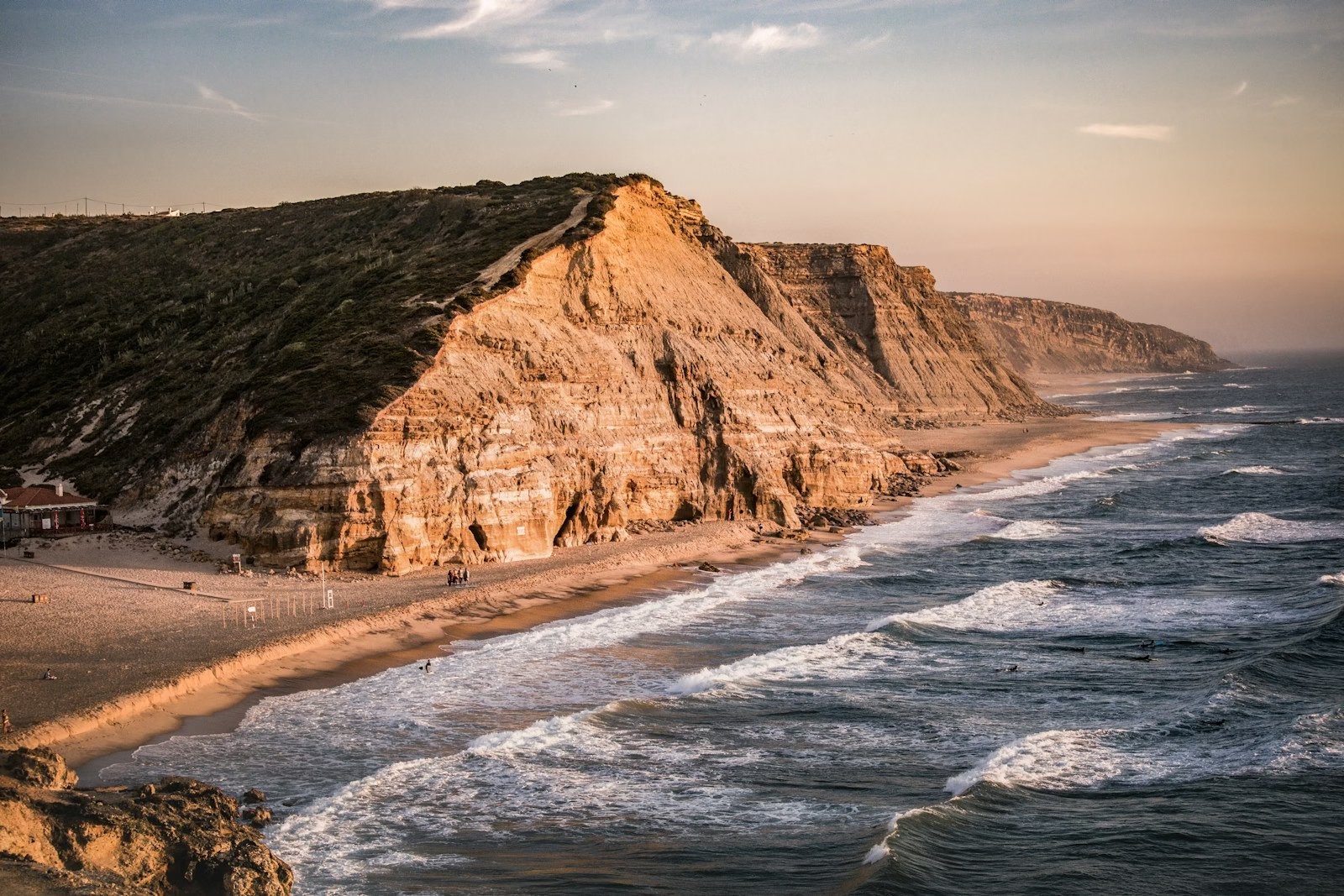
Costa da Caparica, about 15 km south of Lisbon, is a paradise for beach lovers and surfers. This long sandy beach stretches more than 10 km and offers ideal conditions for surfing, with local surf schools catering to all levels. Beyond the beach, you can browse local markets and enjoy fresh seafood at one of the many restaurants along the coast.

Sintra
Sintra, a magical town about 25 km from Lisbon, is famous for its stunning palaces and villas, including the Palácio Nacional de Sintra and the colourful Palácio da Pena. The surrounding countryside offers countless hiking trails and breathtaking views — the best of which can be enjoyed from the Castelo dos Mouros.
Read more in this in-depth Sintra Day Trip post by Atlas Obsession.

Cabo da Roca
Cabo da Roca is the westernmost point of continental Europe, located about 40 km west of Lisbon. With cliffs rising more than 140 metres above the Atlantic Ocean, you genuinely feel like you’re standing at the edge of the world. On-site you’ll find a lighthouse and a monument bearing a quote from Luís de Camões: “Here… where the land ends and the sea begins.”

Parque Natural da Arrábida
Parque Natural da Arrábida, around 40 km south of Lisbon, is a protected area known for its lush vegetation, limestone mountains and stunning beaches with crystal-clear water. You can go hiking, cycling or simply enjoy the tranquillity at beaches like Portinho da Arrábida.

Ericeira
Ericeira, about 50 km northwest of Lisbon, is considered one of the best surf spots in Europe. This former fishing village offers ideal waves for surfers of all levels. Besides surfing, you can explore the town’s narrow streets, visit traditional markets or tuck into fresh seafood at a local restaurant.
And if you’re tempted by surfing but not quite confident enough, Ericeira has several surf schools and camps offering lessons and courses for beginners and experienced surfers alike.
More Surf and Beach Spots Nearby
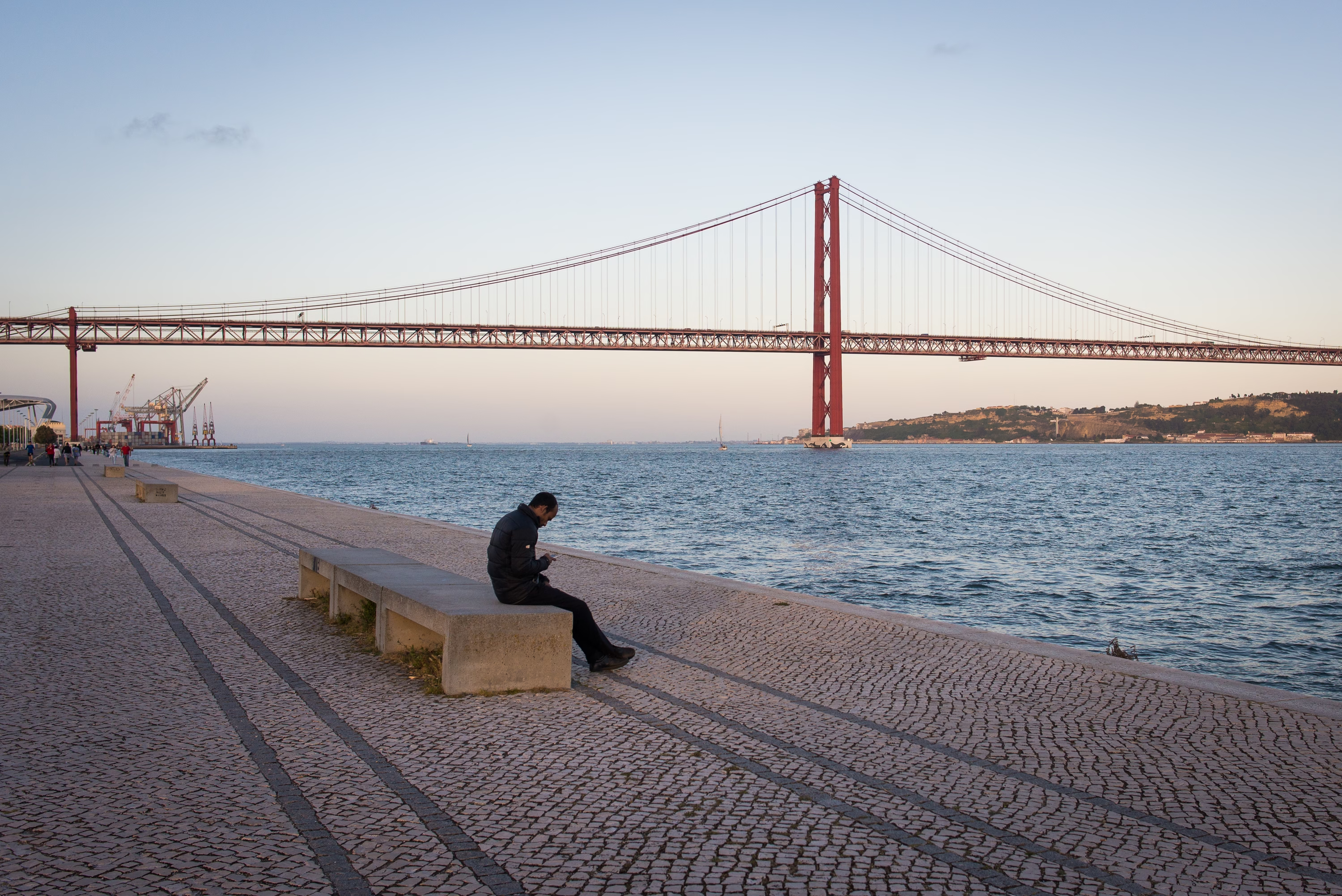
Or simply take a stroll around Lisbon itself. The waterfront beneath the red 25 de Abril Bridge, the Belém district and of course Bairro Alto are all genuinely beautiful places to wander.
Good to Know Before You Go
- English is widely spoken, though don’t expect miracles everywhere.
- Despite first impressions, Portuguese people are quite helpful when needed. Just make it clear you need assistance.
- Be prepared: in the centre especially, someone will be quite openly offering you drugs (usually Moroccan hash) on almost every corner.
- Get a public transport card (Navegante) — it means the “tourist trams” (otherwise obscenely overpriced) cost the same as a regular journey.
- Buses only stop on request. Google Maps is your best friend here.
- Be prepared: what looks like a short walk on the map often turns out to be quite a workout. Lisbon has hundreds of proper hills.
- On the first Sunday of each month, entry to selected monuments is free. On Mondays, many attractions are closed.