
This post is also available in:

This Ibiza travel guide goes beyond the obvious. Yes, the island’s nightlife is world-class — but that’s far from the only reason to come.
We’ll show you the other side of the island — the one most visitors miss.
You’ll find out when to go and how to get here, what to see and do, which beaches are worth your time (and which to skip), where to stay and what to eat.
We’ve also included a rundown of the nightlife — plus tips for when you need a break from it.
We’ve put together several detailed guides to the Balearic Islands. For in-depth tips, check out the individual articles:
- Mallorca
- Menorca
Why Visit Ibiza
Ibiza has a slightly distorted reputation. Most people associate it with music, bars and nightlife. And yes, that’s all part of the island — but it’s just one of its faces.
The island is small — you can drive across it in about an hour — yet it surprises with its variety. The north is quiet, with pine forests and villages where the pace barely changes. The south opens up with fine-sand beaches and turquoise water. In between: the historic centre of Ibiza Town with its fortress Dalt Vila, sea viewpoints, secluded coves and restaurants you often can’t reach without a car.
Accessibility and climate are major draws too. Ibiza enjoys around 300 sunny days a year and the season runs from spring through autumn. Direct flights are easy to find, and travelling outside peak season can be significantly cheaper.
Ibiza Attractions: What to See & Visit
Towns & Landmarks
Ibiza Town (Eivissa)
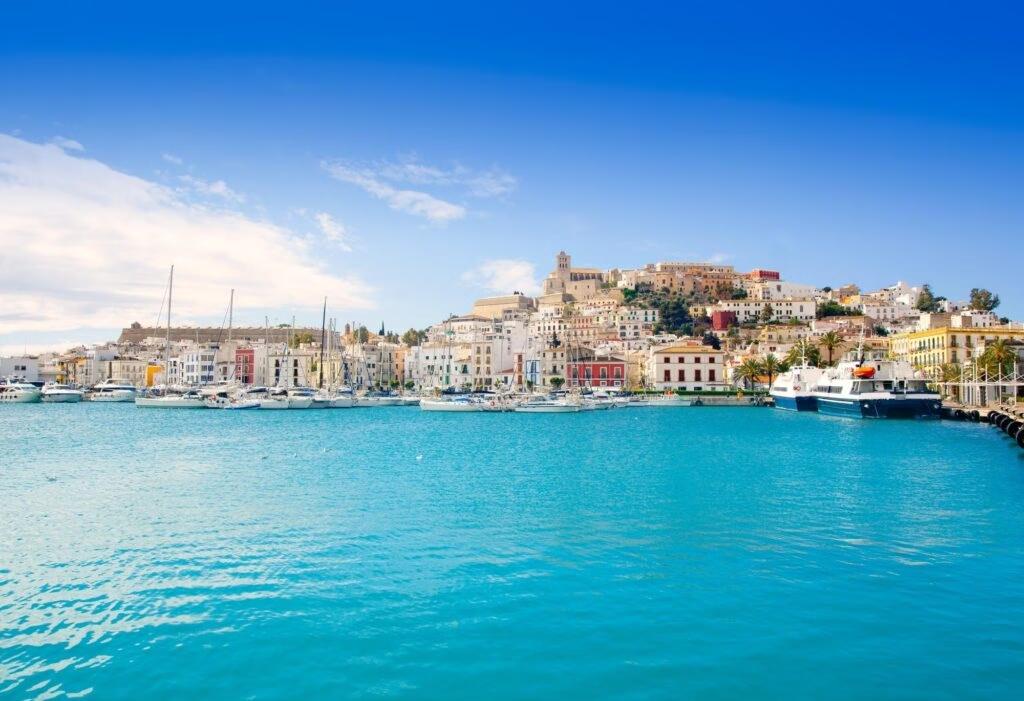
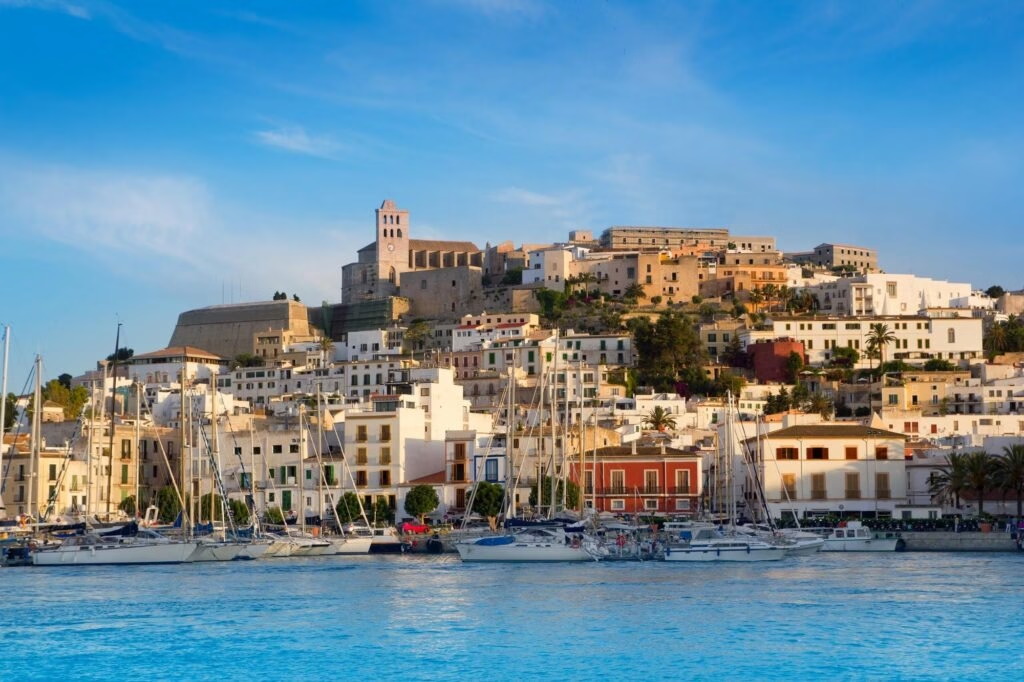
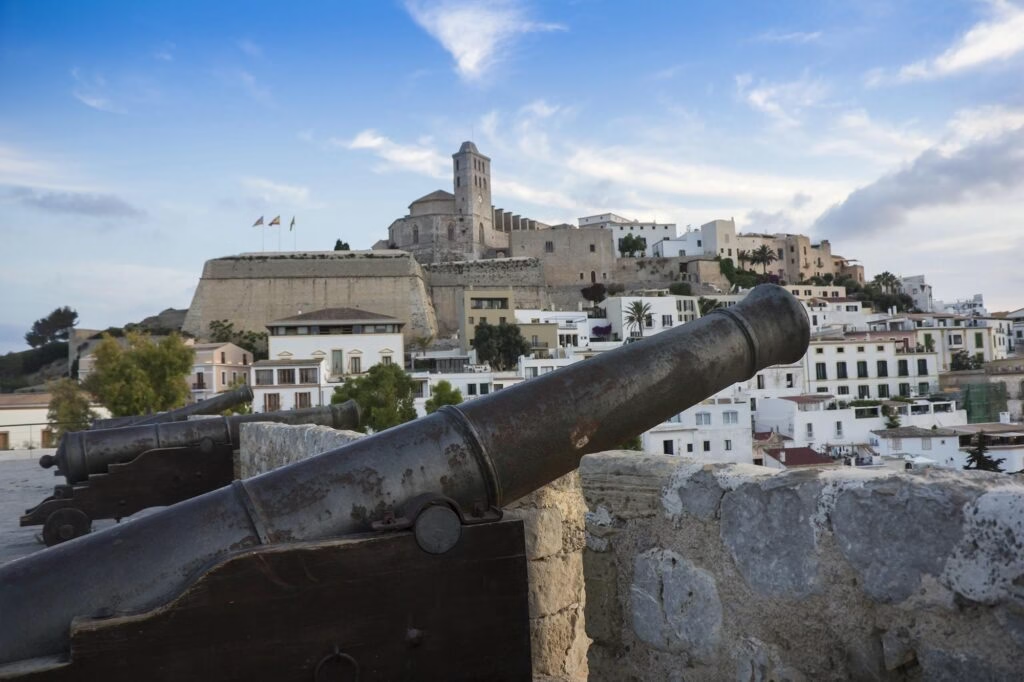
Ibiza Town, also known as Eivissa, is the island’s capital and the place that best illustrates its contrasts. Down by the harbour you’ll find the modern part of town — restaurants, bars and a buzzing evening scene. Above it rises the historic centre of Dalt Vila, enclosed by walls and listed as a UNESCO World Heritage Site.
Dalt Vila
The historic Dalt Vila is the main reason to head to Ibiza Town. Narrow cobbled lanes, stone houses and small passageways gradually unfold as you climb higher. There’s no point plotting a specific route — just walk through the Portal de ses Taules gate and let yourself be led.
At the highest point you’ll reach the Catedral de Santa Maria and the remains of the fortress, often called the Castle of Ibiza. From here you get some of the best views over the harbour and the whole town.
Right inside Dalt Vila you’ll also find the Museu d’Art Contemporani d’Eivissa, a contemporary art gallery that combines modern work with the historic setting of the old town. The space is compact, but the contrast between ancient walls and contemporary installations works well.
The ideal approach is to save Dalt Vila for late afternoon when the heat has eased, walk it in full and stay on into the evening. Or you can join one of the organised guided tours.
Puig des Molins
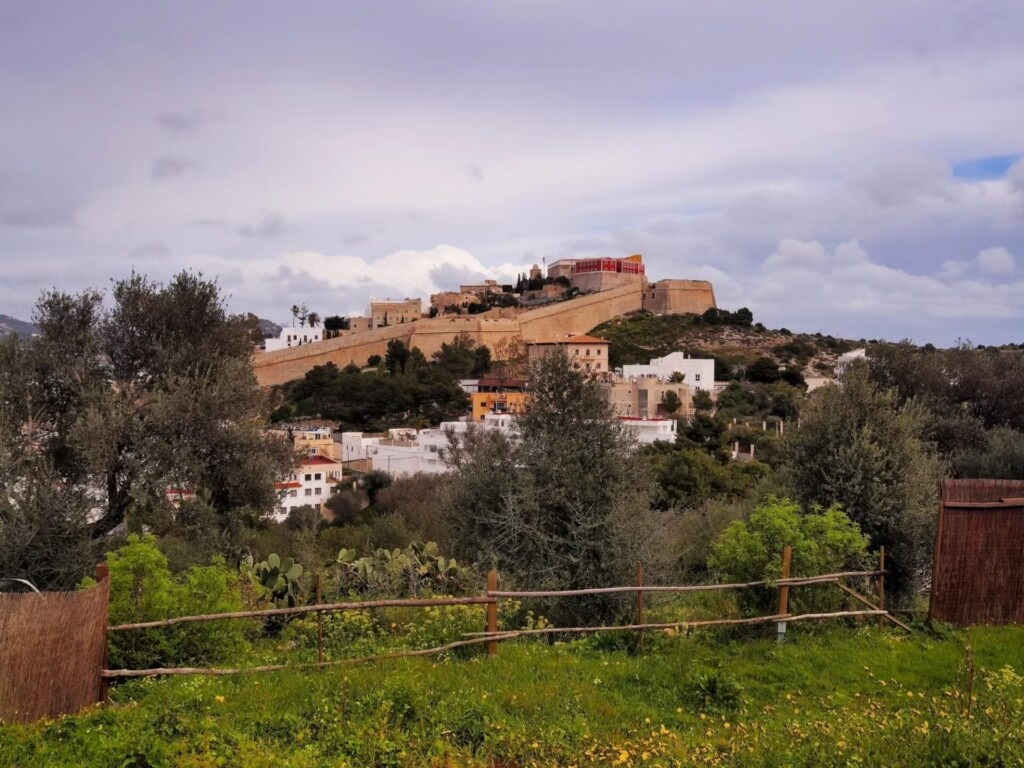
Puig des Molins is an archaeological site a short distance from the centre of Ibiza Town and one of the largest Phoenician necropolises in the Mediterranean. It looks unassuming at first, but it carries significant historical weight.
Think of it as a brief stop rather than a half-day excursion — it makes sense if you’re interested in history or want to see something beyond beaches and viewpoints. It’s easy to combine with a visit to Ibiza Town.
Santa Eulària des Riu
Santa Eulària is a quieter alternative to the busier parts of the island. The town feels well-kept, with a long seafront promenade and plenty of restaurants and cafés — but without the typical party vibe.
It works particularly well as a base — it’s an easy starting point for day trips to the north, which is more natural and less built-up. If you’re looking for a place that combines beach time, evening strolls and a calmer pace, Santa Eulària makes a lot of sense.
Sant Antoni de Portmany
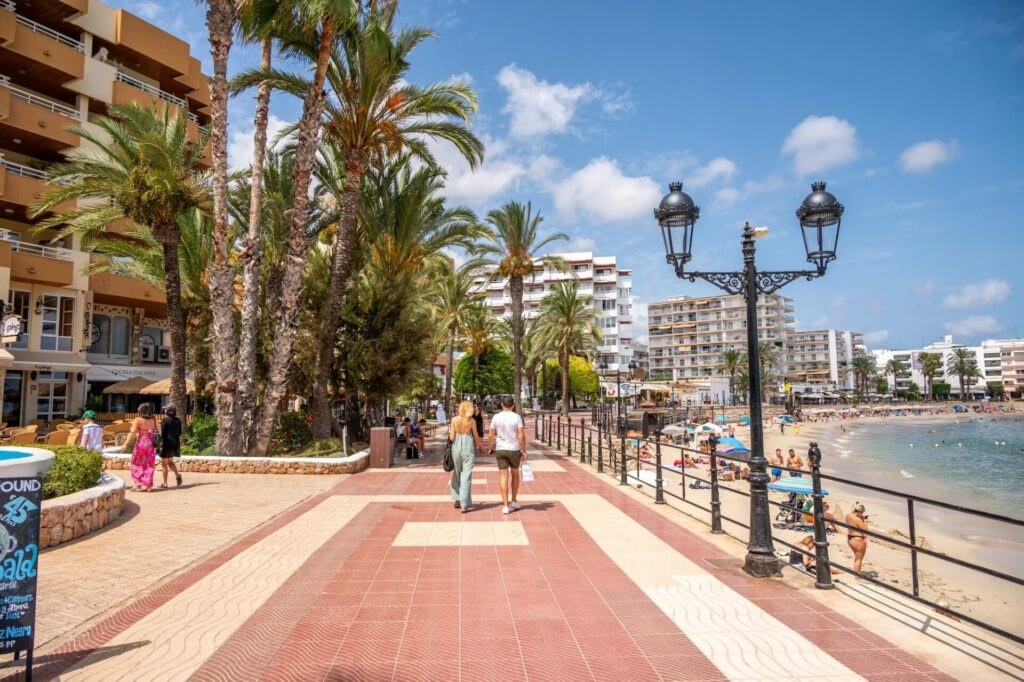
Sant Antoni is one of the main hubs on the island’s west coast, drawing visitors primarily for its sunsets and boat trips. During the day it’s fairly quiet, but come evening the waterfront fills up fast.
Along the water you’ll find a promenade, bars and well-known spots like Café del Mar. If nightlife isn’t your thing, it’s perfectly fine to come for an evening stroll and move on. As a stopover it works brilliantly; whether it suits a longer stay depends on what you’re looking for in Ibiza.
Nature & Viewpoints
Es Vedrà
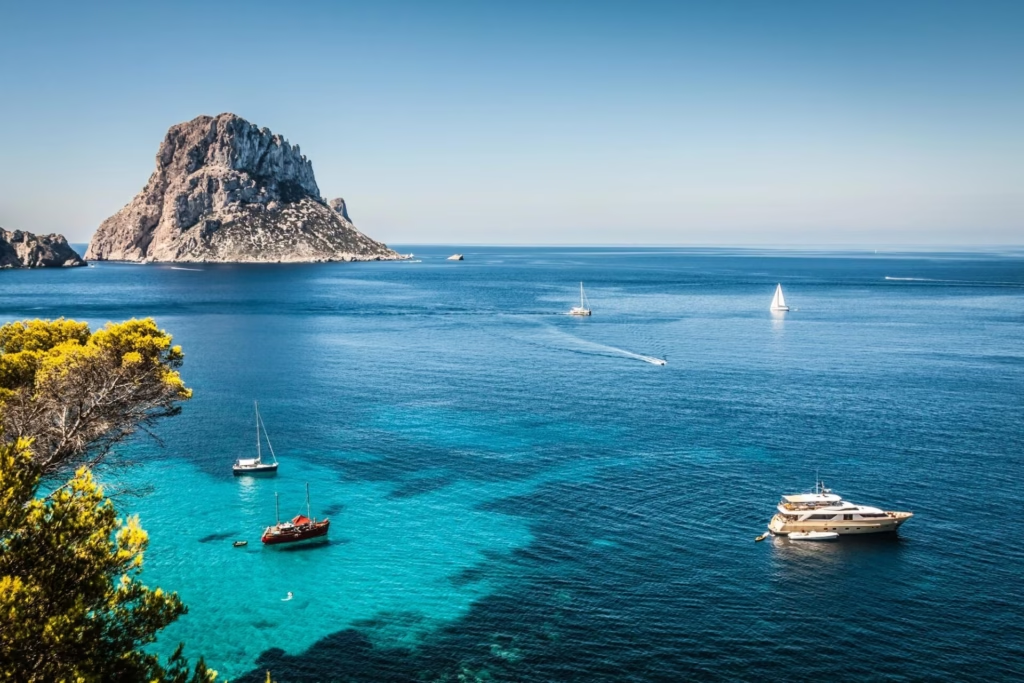
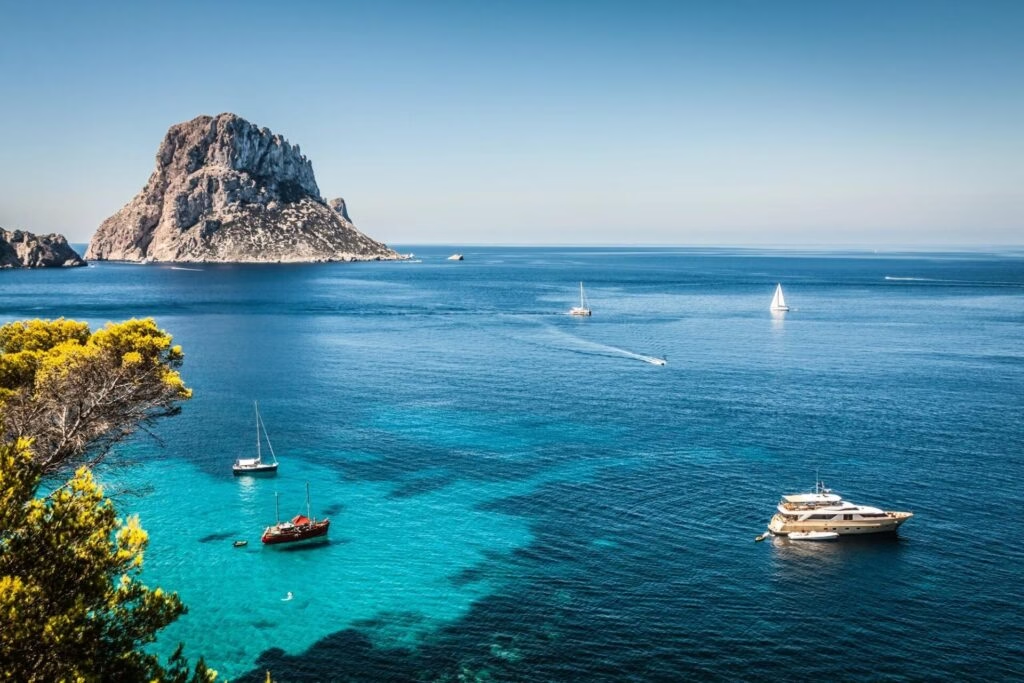
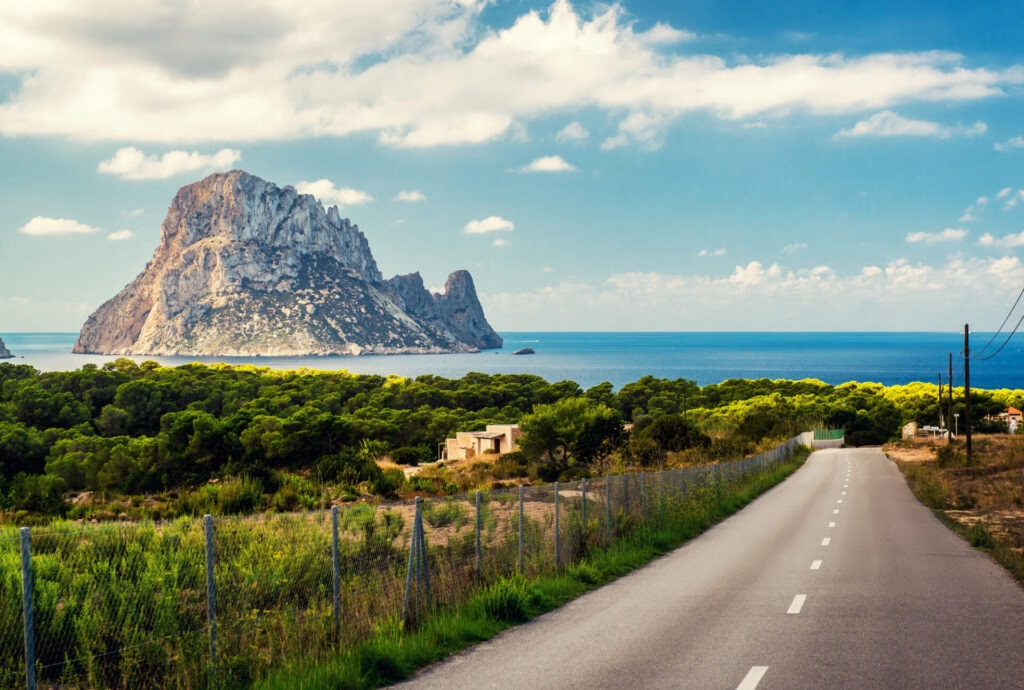
Es Vedrà is Ibiza’s most iconic landmark and probably the image you’ve seen on most photos of the island. It’s a rocky islet rising dramatically out of the sea — a place with a strange, almost otherworldly atmosphere that makes for one of the most powerful experiences on the island at sunset.
You can’t land on it, but you can approach it by boat or enjoy the view from several spots along the coast. The ideal plan is to arrive in the late afternoon, walk the cliffs and wait for the sunset. Just be aware that the terrain is open and unfenced.
Cala d’Hort & Viewpoints over Es Vedrà
The Cala d’Hort viewpoint is the most accessible spot to see Es Vedrà. You can drive almost all the way down and the view is instant.
For more peace and quiet, it’s worth driving or walking a little further along the coast, where you’ll find less crowded spots. The whole area works well as a sunset stop, but you can easily spend more time here combining beach time with short walks.

Coastal Towers & Atlantis (Torre des Savinar & surroundings)
The southwest of the island is dotted with several historic watchtowers that today serve mainly as viewpoints. Originally they formed a defensive network against pirates — positioned along the coast so each tower could see the next, passing warning signals inland whenever danger approached.
The most famous is Torre des Savinar, which offers some of the best views of the iconic Es Vedrà. A short walk from the car park brings you to the tower, though the terrain is uneven and requires some care.
If you have the time and energy, you can descend from here to a place known as Sa Pedrera de Cala d’Hort — a former quarry with rock formations carved by the sea and small lagoons at the water’s edge. The descent is fairly demanding.
Don’t be misled by the name — Sa Pedrera de Cala d’Hort isn’t located on the beach at Cala d’Hort itself, but on the cliffs above it, and the access is considerably more challenging.
Other towers, such as Torre de ses Portes or Torre des Carregador, are better treated as quick stops en route — the views are pleasant, but they don’t justify a dedicated trip.
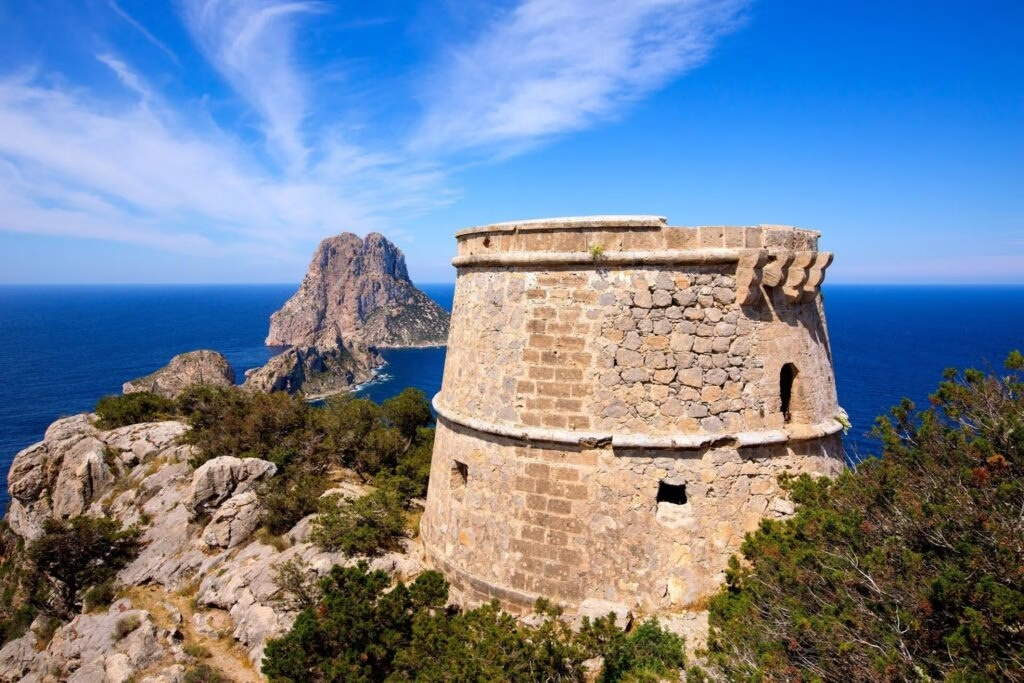
Sa Talaia
Sa Talaia is the island’s highest point (475 m) and one of the few places where you can see Ibiza from above. You can drive almost all the way to the top, making it an easy stop.
Don’t expect breathtaking views, but as a quick overview of the island it does the job nicely. It’s an ideal stop when crossing between the southeast and southwest.
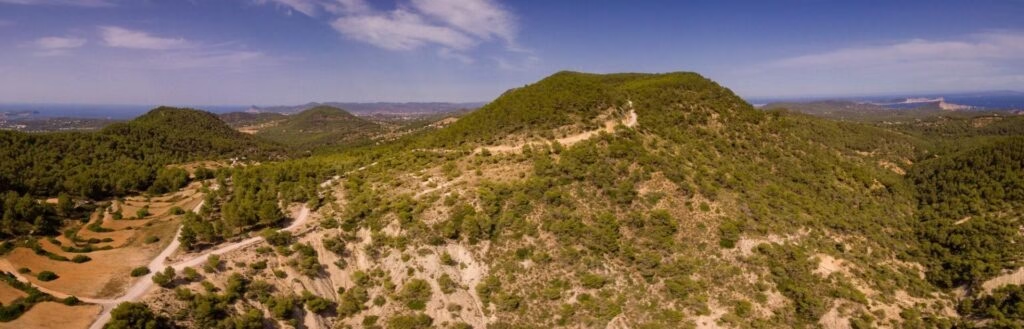
Ses Salines Natural Park
A nature reserve in the south of the island where salt flats, lagoons and coastline all meet. The area is interesting mainly for its contrasts — white salt pans, open sea and wide-open landscape.
This is more of a short stop than a full-day destination. It combines well with nearby beaches or a visit to the coastal watchtowers.
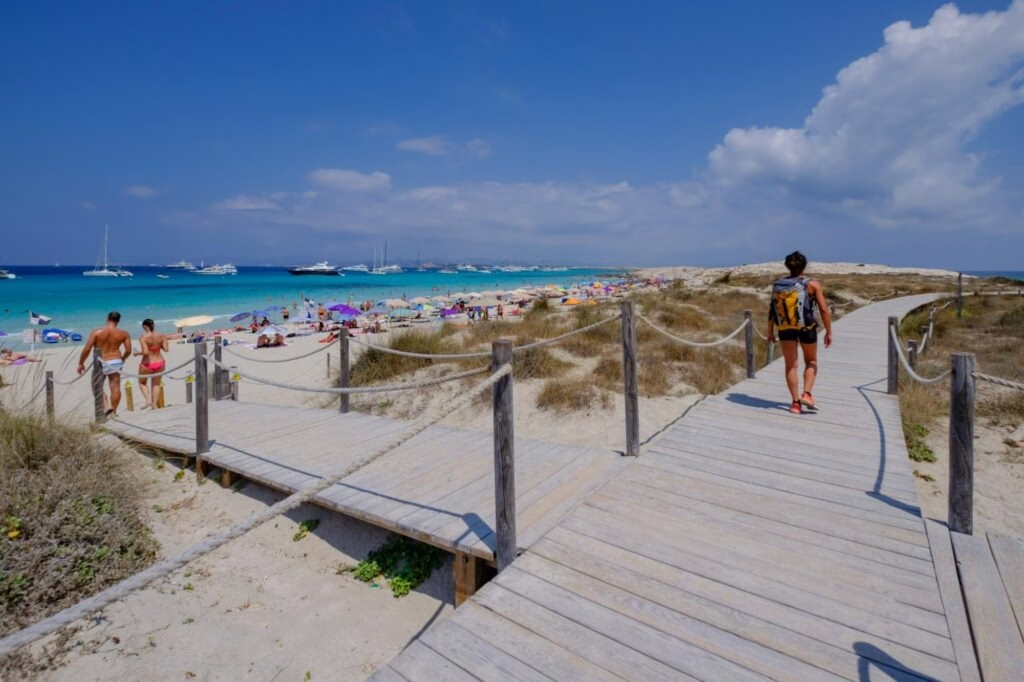
Cova de Can Marçà
A cave in the north of the island that offers a completely different kind of experience from the rest of Ibiza. Guided tours lead you through a network of passages with views out to sea. You can book tickets through platforms like GetYourGuide.
It’s not a must-see, but if you want to change pace and escape the heat for a while, it makes sense. The stop slots easily into a day exploring the north of the island.

Beaches
Ibiza has dozens of beaches and coves, but they’re not all the same. The biggest difference is between the southeast (more facilities, more people) and the north and west (wilder, quieter spots). It’s worth planning around that.
Best Beaches in Ibiza
If you don’t have time to tour the whole island, start here:
- Cala Comte – the most beautiful water colour and the best sunsets
- Cala Bassa – the best facilities and comfort
- Cala Salada / Cala Saladeta – a great mix of accessibility and nature
- Benirrás Beach – atmosphere and sunsets
- Cala Xarraca – quieter and less touristy
Cala Comte
One of the most beautiful beaches on the island. Turquoise water, small islets on the horizon and excellent swimming conditions.
It’s also one of the most popular spots, so expect crowds in season. Best to arrive early in the morning or stay for the sunset.

Cala Bassa
A beach with excellent facilities — restaurants, sun loungers, bars and shade under the trees. Perfect if you just want to relax without a care. On the flip side, it’s one of the more resort-style beaches, so expect higher prices and larger crowds.
Quieter Coves & Smaller Beaches
Cala Salada & Cala Saladeta
Two beaches side by side, among the prettiest on the west coast. Cala Salada is larger and easier to reach; Cala Saladeta is smaller and a touch quieter.
Access is regulated in season, which helps keep numbers at a reasonable level.
Cala Xarraca
A small natural cove in the north of the island. Less touristy, calmer and generally wilder than the beaches in the south — ideal if you want to escape the crowds and don’t mind simpler facilities.
Cala Olivera & Cala Codolar
Lesser-known beaches that work well as quieter alternatives to the more popular spots.

Beaches with a Unique Atmosphere
Benirrás Beach
A well-known beach in the north, famous mainly for its sunsets. It’s known for spontaneous drumming sessions that take place in the evening.
During the day it’s a calm spot; come evening, it comes alive.
Cala Llentia
More of an interesting stop than a classic beach — art installations and sea views make it worth a short detour on a road trip. Not ideal for a full day of swimming.
Town Beaches & Easily Accessible Spots
Platja de ses Figueretes
A beach right next to Ibiza Town. Convenient and easy to reach, but fairly average — better for a quick dip than as a main destination for the day.
Playa d’en Bossa
The longest beach on the island and the heart of the party scene. Clubs, bars, music. If you’re after peace and quiet, look elsewhere. If you want to combine beach and nightlife, you’re in the right place.
More Beaches Worth Mentioning
- Cala Cavallet – an open beach in the Ses Salines area
- Puerto de San Miguel beach – a small cove in the north, good for families too
- Es Portitxol – a hidden cove with a more demanding approach
The Quieter Side of Ibiza
Ibiza can absolutely be relaxed and peaceful. You’ll feel it most in the north and the interior, where the pace slows and the atmosphere is noticeably more laid-back.

Sant Joan de Labritja
The north of the island feels completely different from the south — fewer hotels, more nature and smaller villages. Sant Joan is one of the places where that contrast stands out most.
You’ll find calm, unpretentious restaurants and a generally slower tempo. You probably won’t spend hours here, but as part of a northern day trip it works well. It pairs nicely with nearby beaches too.
Santa Gertrudis de Fruitera
One of the prettiest villages in the interior. White-washed houses, a small square and a good selection of cafés and restaurants that feel more local than touristy.
Santa Gertrudis is ideal for a short stop — coffee, breakfast or dinner while passing between different parts of the island.

Las Dalias Hippy Market
One of the most famous markets in Ibiza, rooted in the island’s hippie history. You’ll find clothing, jewellery, decorations and food.
The market has a permanent home in the northeast of the island near the village of Sant Carles de Peralta and takes place regularly several times a week (most often on Saturdays, with evening night markets in season). It’s worth checking the current schedule, as times vary throughout the year.
The north and interior of Ibiza are best enjoyed with a car — the spots are spread out, and the drive between them is often just as rewarding as the destination itself.
Things to Do in Ibiza
Boat Trip Around the Island
A boat trip is one of the best ways to experience Ibiza. The coastline is rugged and many spots are hard to reach by land — from the water you see them in a completely different light.
Boats depart mainly from Ibiza Town or Sant Antoni de Portmany, and the choice is wide. You can opt for anything from short excursions to full-day cruises, often including swimming and snorkelling stops.
Sunsets
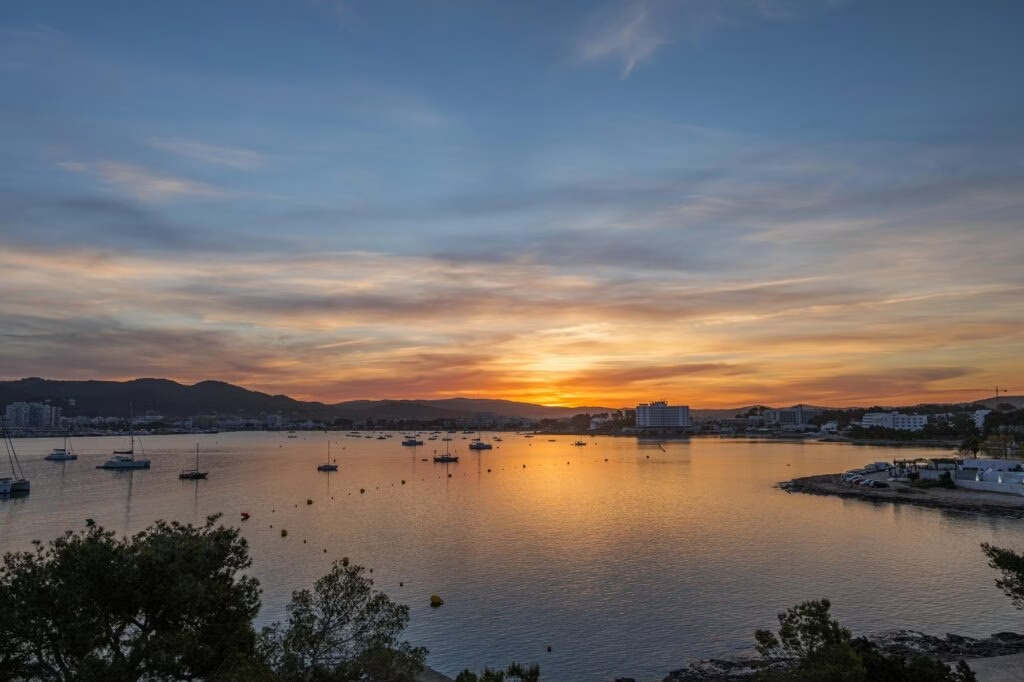
Watching the sunset in Ibiza is something of a ritual. The best spots are on the west coast, where the sun drops directly into the sea.
The most famous sunset locations are around Sant Antoni de Portmany and the viewpoints overlooking Es Vedrà.

Snorkelling
Ibiza has clear water and plenty of great spots for snorkelling. Conditions are best in smaller coves and along rocky coastlines, where you’re more likely to spot marine life. The quieter beaches in the north and west of the island are also good options, with fewer people and generally more transparent water.
There’s a wide range of organised trips available — you can book through platforms like GetYourGuide.
Scuba Diving
Beyond snorkelling, conditions for diving are excellent. Visibility is good for most of the year, making it a rewarding destination for both beginners and experienced divers.
If you’ve never dived before, you can arrange an introductory dive with an instructor, who will walk you through the basics and take you to a safe site. Certified divers can join organised trips to more interesting locations around the island.
Day Trip to Formentera
Formentera is a small island just a short hop from Ibiza, known for its white beaches and turquoise water — often compared to the Caribbean.
Ferries run several times a day and the crossing takes roughly 30–60 minutes. The ideal plan is to head over in the morning and spend the whole day — hire a bike or scooter and explore the island.

Yoga & Wellness
Ibiza has a long-established wellness scene — from yoga classes and meditation sessions to longer retreats focused on rest and recovery.
Sessions often take place outdoors, with sea views or in quieter corners of the island. You don’t need to sign up for a full retreat — drop-in classes are commonly available.
Ibiza with Kids
The best approach with children is combining quieter beaches with a gentle entry into the water (such as in the Santa Eulària des Riu or Cala Llonga area), shorter excursions and simple activities without long transfers. A boat trip or a day trip to Formentera — with its very calm beaches — also works well.
For a change of pace, consider Aquarium Cap Blanc, set inside a natural cave and taking around an hour, or Aguamar Water Park, a smaller waterpark best suited to younger children. In the north of the island you can add in easy walks and nature trails, or a visit to one of the markets, which have a more open, relaxed atmosphere.
In general, it pays to plan activities for the morning and late afternoon, leaving the middle of the day for rest by the water — especially in summer, when temperatures peak.
[fusion_form form_post_id=”86768″ hide_on_mobile=”small-visibility,medium-visibility,large-visibility” class=”” id=”” margin_top=”” margin_right=”” margin_bottom=”” margin_left=””][/fusion_form]How to Get to Ibiza
By Plane
Flying is the easiest and fastest way to reach Ibiza. In peak season (roughly May to October), direct flights are widely available from across Central Europe; outside that window you’ll usually need to connect, most often via Barcelona, Madrid or Palma de Mallorca. The flight itself takes around 2.5 hours; with a connection, allow 4–7 hours.
It’s also worth checking departures from Vienna, which often offer a wider choice of routes and better fares.
Getting from Ibiza Airport
Ibiza Airport is about 10–15 minutes from the capital, so getting to your accommodation is quick and straightforward.
The fastest option is a taxi, which you’ll find right outside the terminal. The fare to Ibiza Town is roughly €15–20; more to distant parts of the island. In season, expect a short wait at peak times.
The bus is a surprisingly practical alternative, especially if you’re heading to the main tourist areas. The stop is right outside the terminal and tickets are bought from the driver (cash or card). Fares are around €3–5 depending on the distance.
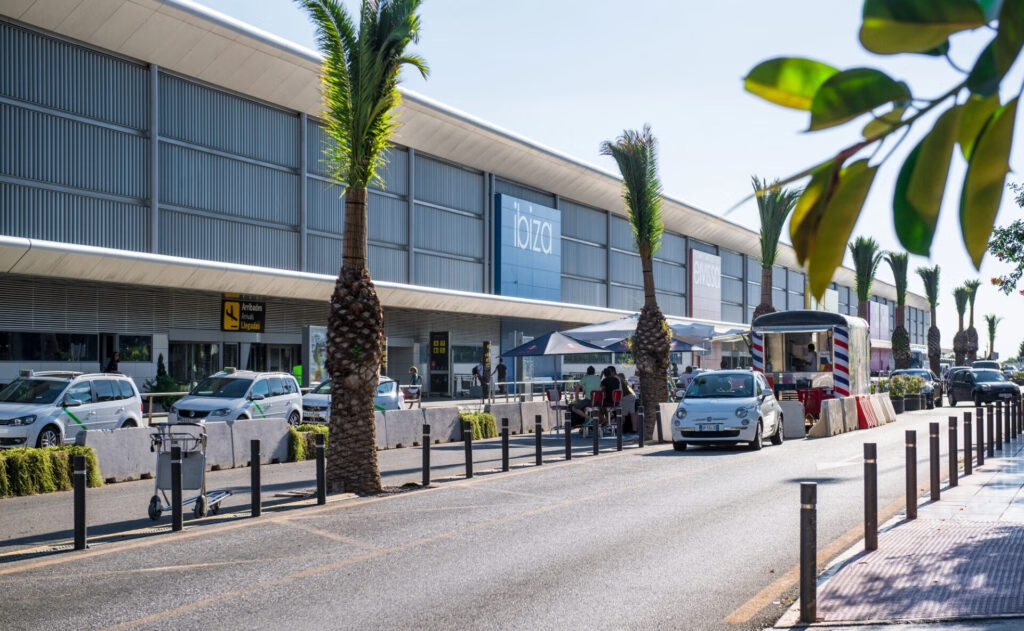
Main bus routes:
- L10 – direct service between the airport and Ibiza Town (approx. 20 minutes)
- L9 (seasonal) – connects the airport with Sant Antoni de Portmany
- L24 (seasonal) – towards Santa Eulària des Riu and the east of the island
By Ferry
An alternative is to fly to mainland Spain or another Balearic island and continue by ferry. Services run from Barcelona, Valencia and Mallorca, among other ports.
The crossing from the mainland takes roughly 5–9 hours; between islands, usually 2–4 hours. A ferry makes most sense if you’re travelling with a car or planning to combine several islands. For a standard holiday, the plane is significantly faster and more practical.
Discover the other Balearic Islands with our guides to Mallorca and Menorca.
Getting Around Ibiza
Ibiza is a relatively small island, but individual attractions are spread out and not everywhere is easy to reach without your own transport. How you get around will significantly affect how much you manage to see.
Hire Car (Best Option)
Renting a car is the most practical way to get around Ibiza. Distances are short (usually no more than 30–40 minutes), roads are in good condition and a car gets you to the less accessible beaches, viewpoints and inland villages that public transport simply can’t reach.
You can hire a car at the airport or in the larger towns. In peak season, we recommend booking in advance — prices rise and availability drops. Also bear in mind that parking at popular beaches can be limited, so arriving early pays off.
[fusion_global id=”90742″]
Scooter
Scooters are a popular alternative to a car, particularly for solo travellers or couples. The advantages are easier parking and lower cost, though they’re less comfortable for longer journeys or in the heat.
Some rental companies have counters or pick-up points right at Ibiza Airport, so you can grab a scooter as soon as you land and skip any extra transfer.
Bus
Bus services cover the main towns and tourist areas — Ibiza Town, Sant Antoni de Portmany and Santa Eulària des Riu, for example.
Tickets are bought from the driver and fares are low, but services aren’t as frequent as in a city and the timetable is more limited out of season. Buses work fine if you’re sticking to the main routes, but for smaller beaches and out-of-the-way spots they’re not practical.
Taxi
Taxis are readily available in the larger towns and tourist areas. They’re best for short transfers or getting back in the evening when you’d rather not drive.
Costs add up quickly on longer journeys, however, so taxis aren’t a practical solution for regular travel.
Bicycle
Bicycles are available to hire, but they’re better suited to shorter distances or the flatter parts of the island. The terrain can be hilly and the summer heat intense, so it’s not a universal solution.
Food in Ibiza
You’ll often eat best away from the main tourist zones and large resorts. Stopping in the interior, smaller villages or at lesser-known beaches tends to reward you with calmer, more authentic restaurants. Conversely, places right next to the most famous beaches often trade more on atmosphere and views than on the food itself.
Traditional Ibizan cuisine draws mainly on fish, seafood, rice, olive oil and simple rural dishes. Alongside local specialities you’ll also find plenty of modern Mediterranean cooking, tapas bars and health-focused brunch spots.
As elsewhere in Spain, meal times here run later than many visitors are used to. Lunch is typically served between 13:00 and 16:00; dinner rarely starts before 19:30 or 20:00. Kitchens may be closed or operating on reduced hours outside these windows. In peak season it’s also worth booking popular restaurants in advance — especially seafront spots or well-known sunset venues.
Traditional Food: What to Try
If you want to taste something genuinely local, look out for these:
- Bullit de peix
- A traditional fish dish served in two courses — first the fish with potatoes, then rice cooked in the same broth (similar to paella). One of the most iconic dishes on the island.
- Sofrit pagès
- A hearty rural stew of meat (chicken, lamb, sometimes sausage), potatoes and spices. More of a winter or Sunday-lunch dish.
- Paella and rice dishes
- A Spanish classic, found almost everywhere in Ibiza — most often with seafood. Best enjoyed at a restaurant with a sea view.
- Frita de pulpo
- Sautéed octopus with potatoes and vegetables. Simple but full of flavour.
- Gambas and other seafood
- Prawns, mussels, squid — often simply grilled with olive oil and garlic. Freshness is everything.
- Tapas
- Small portions of various dishes — the perfect way to try a bit of everything, from olives and cheese to meat and seafood.
- Ensaimada
- A sweet pastry typical of the Balearic Islands. Often eaten with coffee, sometimes filled with cream.
- Flaó
- A traditional Ibizan dessert — a tart made with fresh cheese, mint and anise. An unusual combination, but well worth trying.
- Hierbas Ibicencas
- A local herbal liqueur, drunk after meals as a digestif. It has a slightly sweet flavour and is distinctly Ibizan.
Best Restaurants in Ibiza
- La Paloma
- A popular inland restaurant with a lovely garden and Mediterranean cuisine. Ideal for a relaxed dinner away from the tourist areas.
- El Bigotes
- A legendary spot known above all for bullit de peix. Reservations need to be made well in advance.
- Can Pilot
- One of the best places for meat dishes on the island. A low-key restaurant that locals love.
- Sa Capella
- A restaurant set inside a former chapel.
- Bar Costa
- A traditional place known for tapas and jamón.
- Amante Ibiza
- A clifftop restaurant with sea views — one of the most scenic spots for a sunset dinner.
Best Cafés & Breakfast Spots in Ibiza
Ibiza has everything from simple local cafés to modern brunch spots specialising in specialty coffee, smoothie bowls and healthy breakfasts. The widest choice is in Ibiza Town, around Santa Gertrudis de Fruitera and in the Santa Eulària des Riu area.
- Croissant Show
- A beloved breakfast institution by the harbour in Ibiza Town. Known for its croissants, pastries and quick breakfasts before a day exploring the island.
- Passion Cafe
- One of the most popular café chains on the island. Smoothie bowls, avocado toast, specialty coffee and a healthier brunch menu. Multiple locations across the island.
- Gertrudis Bagel House
- A small spot in Santa Gertrudis known for house-made bagels and quality coffee. A great stop while passing through the interior.
- Massa Coffee
- A contemporary marina café focused on quality coffee, brunch and lighter bites. Especially popular in the mornings.
- Rita’s Cantina
- A popular breakfast spot in Sant Antoni. Simple brunch menu, a waterside terrace and a relaxed vibe.
- Cappuccino Grand Cafe
- A marina café with views over the harbour and yachts. More of a stylish spot for a leisurely breakfast or coffee.
Where to Stay in Ibiza
Choosing where to stay in Ibiza will shape the whole feel of your holiday. The different parts of the island vary enormously — some are dominated by nightlife and busy beaches, others by a quieter pace and smaller villages.
If you want to be close to restaurants, bars and the evening scene, your best options are Ibiza Town and the Playa d’en Bossa area. Expect higher prices and a livelier atmosphere, especially in summer.
A quieter alternative is Santa Eulària des Riu, which suits a more relaxed holiday or families. Sant Antoni de Portmany is a good pick if you’re drawn to sunsets and a livelier atmosphere.
The most peaceful part of the island is the north and interior — around Sant Joan de Labritja or Santa Gertrudis de Fruitera, where you’ll find smaller hotels and agriturismos surrounded by nature.
Ibiza is one of Spain’s pricier destinations and costs rise fast in summer. For better rates and fewer crowds, May, June or September are the sweet spot.
Specific Accommodation Picks
For Backpackers & Solo Travellers
- Amistat Island Hostel Ibiza – a modern hostel with a pool and social atmosphere, great for solo travellers
- Hostal La Torre – simple accommodation in a quiet spot famous for its sunsets
- Suncoast Ibiza Hotel – a more affordable option close to the beach and airport
Mid-Range
- THB Los Molinos – great location by the sea and walkable to the centre of Ibiza Town
- Catalonia Ses Estaques – a calmer hotel suited to a more relaxed holiday
- Can Arabí – a smaller hotel with a pleasant atmosphere away from the main bustle
Luxury Accommodation
- Six Senses Ibiza – one of the most luxurious hotels on the island, focused on wellness and tranquillity
- OKU Ibiza – a sleek design hotel with a large pool
- Nobu Hotel Ibiza Bay – a luxury beachfront hotel with an excellent location and service
For Families with Children
- Grand Palladium White Island Resort & Spa – a large resort with pools, kids’ facilities and easy airport access
- Invisa Hotel Club Cala Blanca – a family hotel in a quieter part of the island
- TUI MAGIC LIFE Cala Pada – a solid choice for families wanting comfortable beachside facilities
Ibiza Nightlife
The evening atmosphere in Ibiza changes dramatically depending on where you are — some spots offer massive open-air events and world-famous DJs, others have sunset sessions by the sea, smaller bars or beach clubs with a more laid-back vibe.
The main season runs roughly from June to September, when the biggest events take place and well-known DJs hold regular residencies. Most venues start late — clubs tend to fill up after midnight and some go until morning. Sunset sessions are also hugely popular, starting at dusk and building into the night.
You’ll find the highest concentration of venues around Ibiza Town, Playa d’en Bossa and Sant Antoni de Portmany.
Bear in mind that entry prices and drinks can be expensive, and for the bigger events it’s worth buying tickets in advance.
Most Famous Clubs & Venues
- Hï Ibiza
- One of the island’s most celebrated clubs and regularly ranked among the best in the world. Big productions, headline DJs and state-of-the-art facilities.
- Ushuaïa Ibiza
- The famous open-air parties next to the hotel complex. Events kick off in the afternoon and run well into the night.
- Pacha Ibiza
- An iconic club that has been running since the 1970s. Slightly more refined and less “festival” in feel than some newer venues.
- Amnesia Ibiza
- A legendary club known for its large dance events and long history in electronic music.
- DC-10 Ibiza
- A smaller, grittier club popular mainly with fans of the house and techno scene.
Sunset Bars
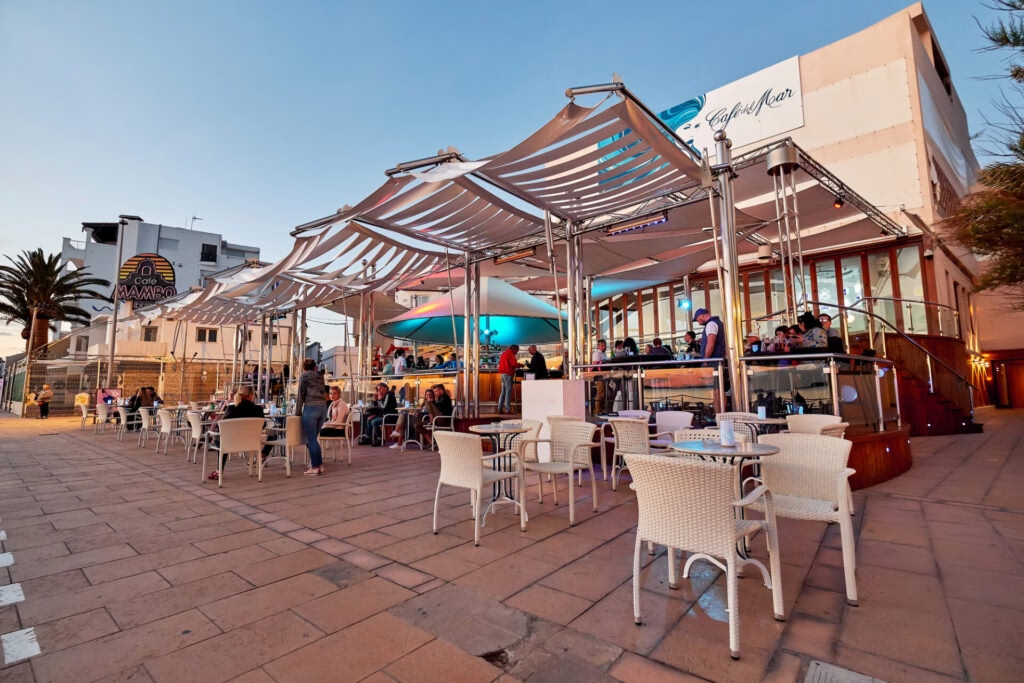
- Café del Mar
- One of the most famous sunset bars in the world.
- Café Mambo
- A similar atmosphere to Café del Mar, often with live DJs and an evening programme.
- Experimental Beach Ibiza
- A stylish beach bar in the south of the island with a calmer feel than the main party zones.
Practical Information
Money & Prices
Ibiza uses the euro and card payment is accepted almost everywhere — restaurants, hotels, bars and shops. At smaller vendors, markets or beach bars, it’s sometimes handy to carry a little cash. ATMs are available in all the main towns and tourist areas.
Ibiza is one of the pricier destinations in Spain, particularly during peak season. You’ll feel it most in accommodation, car hire and venues by the sea or near the famous clubs. That said, avoiding the most touristy spots makes it considerably more manageable.
In a typical restaurant, expect to pay around €15–25 for a main course; upscale restaurants or those with sea views will be more. Coffee is roughly €2–3, beer around €3–5, and cocktails in beach bars or clubs often considerably more. Tapas and smaller dishes are cheaper, especially away from the main tourist strips.
Accommodation is most expensive in July and August, when prices surge and the best places book up well in advance. Basic apartments start at around €80–120 per night, mid-range hotels from about €150–250, and boutique or design hotels go significantly higher.
If you want to properly explore the island, hiring a car or scooter is worth it. Car rental starts at roughly €30–50 per day outside season, and considerably more in summer. Scooters are cheaper, but advance booking is recommended in peak season too.
Tipping is not mandatory, but a few euros or around 5–10% is customary for good service. Rounding up the bill is usually enough.
Overall, Ibiza is not a cheap destination — but travelling outside peak season brings noticeably lower prices, fewer crowds and a more relaxed atmosphere.
Don’t forget to arrange comprehensive travel insurance before you go and compare policies online.
When to Visit Ibiza
As we’ve touched on, Ibiza changes dramatically throughout the year. The height of summer feels completely different from spring or autumn.
The liveliest period runs from June to September, when clubs, beach bars and most seasonal venues are in full swing. With that comes higher prices, bigger crowds and the need to book accommodation and restaurants well ahead of time.
For a pleasant balance of good weather and atmosphere, May, June or September are usually the sweet spot. The sea is warm, most places are open and the island doesn’t feel as overwhelmed as in the peak holiday months.
Out of season, Ibiza is noticeably quieter. Some businesses close and life shifts to the smaller towns and local communities. It’s still warm enough for day trips, road trips or sitting by the sea.

How Long to Spend in Ibiza
Ibiza is a small island, so you can cover it relatively quickly. For a first visit, 5–7 days is the sweet spot — enough to combine beaches, sightseeing and the evening atmosphere without feeling rushed.
With only 3–4 days, it’s better to focus on one part of the island rather than spending all your time driving between spots. A longer stay, on the other hand, gives you the chance to slow down, explore the north properly or take a day trip to Formentera.
How to Structure Your Days
Short Stay: 3–4 Days
An extended weekend is enough for a first taste of Ibiza, but you’ll need to be selective and resist the urge to cover the whole island. Spend one day on Ibiza Town and Dalt Vila, ideally with an evening stroll through the historic centre.
Use the second day for the west coast — Cala Comte, Cala Bassa or Cala Salada — and close it with a sunset at Es Vedrà or in Sant Antoni. If you have a spare day, head north to Sant Joan, Benirrás or Santa Gertrudis.
Ideal Stay: 5–7 Days
In my view, this is the best length for a first visit. You’ll manage a mix of beaches, towns, viewpoints and the quieter side of the island without spending all your time on the move.
Keep one day for Ibiza Town and Dalt Vila, one for the western beaches and sunset, one for the north of the island and one for Formentera. Split the rest between relaxing by the water, a boat trip, the markets, wellness or the evening atmosphere in Sant Antoni or Playa d’en Bossa.
Longer Stay: 8+ Days
A longer visit makes most sense if you want to get to know Ibiza at a slower pace and go beyond the highlights. You’ll have time to properly explore the north and interior, discover smaller coves, catch sunsets from different spots on different evenings or simply enjoy an unplanned day by the water. Formentera, a boat trip, diving or yoga all fit in comfortably too.
Internet, SIM/eSIM & Signal
Mobile signal and internet work well throughout Ibiza, and most hotels, restaurants and cafés offer Wi-Fi. EU travellers can use their regular data plan without roaming charges.
Expect weaker signal at more remote beaches or in some parts of the north.
Download offline maps before you go — they’re particularly handy when tracking down smaller beaches and viewpoints.
Safety & Things to Watch Out For
Ibiza is a safe destination, but in tourist areas it’s worth keeping an eye on your belongings — particularly on beaches, in clubs and in busier parts of town.
In summer, expect intense heat and very little shade outside built-up areas. If you’re planning longer day trips or a road trip around the island, always carry plenty of water and sun protection.
In peak season, parking near the most popular beaches can be a real challenge. Arriving early or being prepared for a short walk from a nearby spot helps.
[fusion_global id=”90755″]
FAQ – Frequently Asked Questions About Ibiza
Is Ibiza only for party-goers?
No. Nightlife is one of the island’s most famous sides, but Ibiza also has quiet villages, natural coves, excellent restaurants, a strong wellness scene and plenty of places where the party atmosphere barely registers. The north and interior are the calmest areas.
How many days do you need in Ibiza?
A first visit is ideal with 5–7 days. In 3–4 days you can cover the highlights, but you’ll need to be more selective. A full week lets you slow down, include Formentera and explore the north of the island.
When is the best time to visit Ibiza?
May, June and September offer the best compromise. The weather is pleasant, most venues are open and the island isn’t as overcrowded as in July and August. If you’re coming primarily for the clubs, the main season runs June to September.
Can you get around Ibiza without a car?
Yes, but with limitations. Buses run between the main towns and tourist areas, but smaller beaches, viewpoints and the north of the island are harder to reach without a car. If you’re going car-free, basing yourself in Ibiza Town, Santa Eulària or Sant Antoni is the best approach.
Is Ibiza expensive?
Yes, it’s one of Spain’s pricier destinations, particularly in peak season. The biggest costs are accommodation, car hire, restaurants by the sea and the nightlife. Outside July and August, prices drop noticeably and the experience is considerably more enjoyable.
Where should you stay on a first visit?
Ibiza Town works well for first-timers who want to be close to restaurants, transport links and the evening scene. Santa Eulària is a quieter option, and Sant Antoni makes most sense if you’re drawn to sunsets and the western coastline.
Is Ibiza suitable for families with children?
Yes, if you pick the right part of the island. Families do well in Santa Eulària des Riu, Cala Llonga or at calmer beaches with a gentle entry into the water. In summer, plan activities for the morning and late afternoon to avoid the midday heat.
Is a day trip to Formentera worth it?
Yes, if you have at least 4–5 days in Ibiza. Formentera has a completely different pace, stunning beaches and turquoise water. The best approach is to leave in the morning, spend the whole day there and hire a bike or scooter.
Where are the best sunsets?
The most famous sunsets are on the west coast — at Es Vedrà, Cala Comte, Benirrás Beach and around Sant Antoni de Portmany. For a quieter experience, move away from the well-known bars and walk a little further along the coast.
Can you swim in Ibiza outside of summer?
The weather in spring and autumn is often pleasant, but sea temperatures vary by month. The best swimming conditions are from June to October, with September and early October often offering warm water and fewer people.
Where Next?
Feeling inspired for a Spanish adventure? Check out our other detailed guides:
- Spain travel guide
- Canary Islands:
- Gran Canaria
- Tenerife
- Lanzarote
- Fuerteventura
- La Palma
- Barcelona
- Andalusia:
- Málaga
- Seville
- Balearic Islands:
- Mallorca
- Menorca


