This post is also available in:


Gdansk is one of Poland’s largest and most fascinating cities — yet it barely registers on most lists of top European destinations. On one hand, that’s a real shame. On the other, it means you can actually enjoy the place without battling endless crowds. When it comes to things to do in Gdansk, this city punches well above its weight.
This guide to the best Gdansk, Poland attractions covers everything you need to plan your trip: the top sights, food, experiences, accommodation and transport — all the essentials to help you get the most out of every zloty.
We cover other Polish cities in dedicated guides:
Why Visit Gdansk
Gdansk played a pivotal role in the history of not just Poland, but all of Europe. The city witnessed some of the continent’s most defining moments, including the outbreak of World War II and the birth of the Solidarity movement, which proved instrumental in bringing down communism across Eastern Europe. Unsurprisingly, museums and historic landmarks are everywhere you turn.
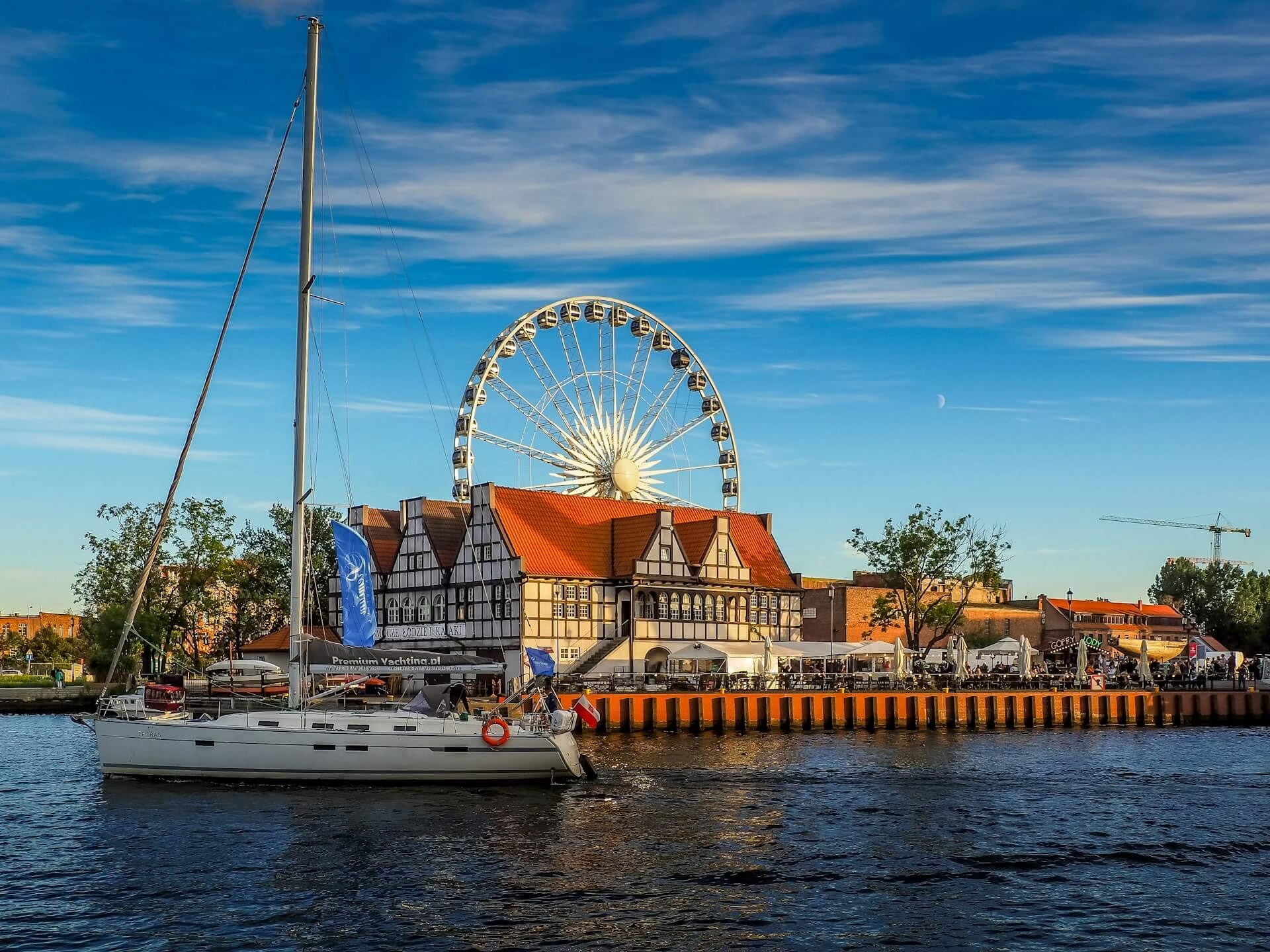
History aside, Gdansk draws visitors with its Baltic Sea recreation options. You can enjoy water sports and lovely beaches — though swimming is a different matter. Unless you’re a fan of cold-water dips, or you visit in summer when sea temperatures reach a still-bracing 19°C, you may want to stay dry.
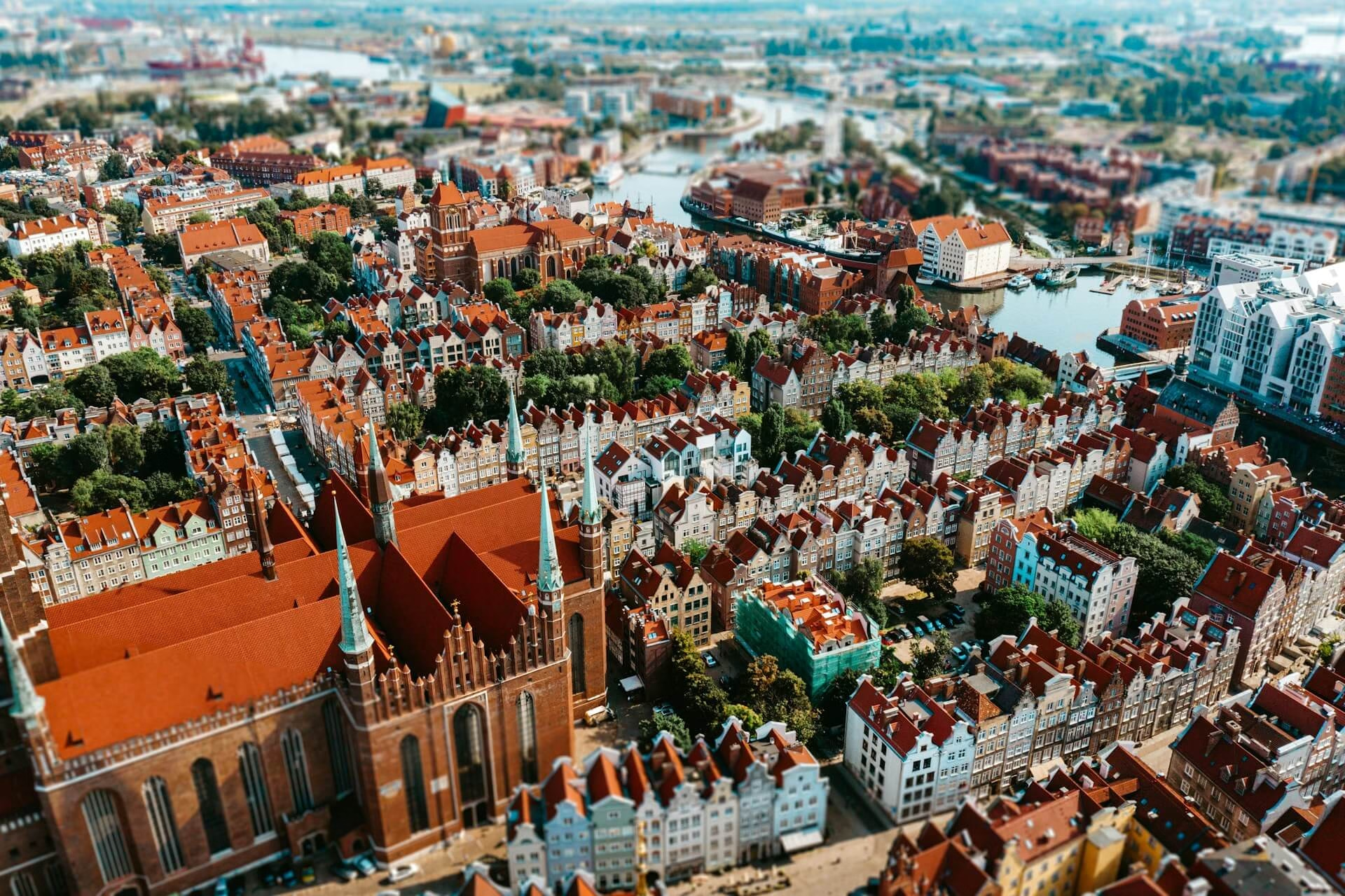
Perhaps the biggest draw of all are the iconic houses with colourful facades and richly ornamented doorways. Beyond those, the city is packed with historic and architectural gems that stop photographers in their tracks — from medieval basilicas to Renaissance town halls and Baroque palaces. You won’t be putting your camera away any time soon.

Gdansk Poland Attractions: What to See
The Main Town Hall
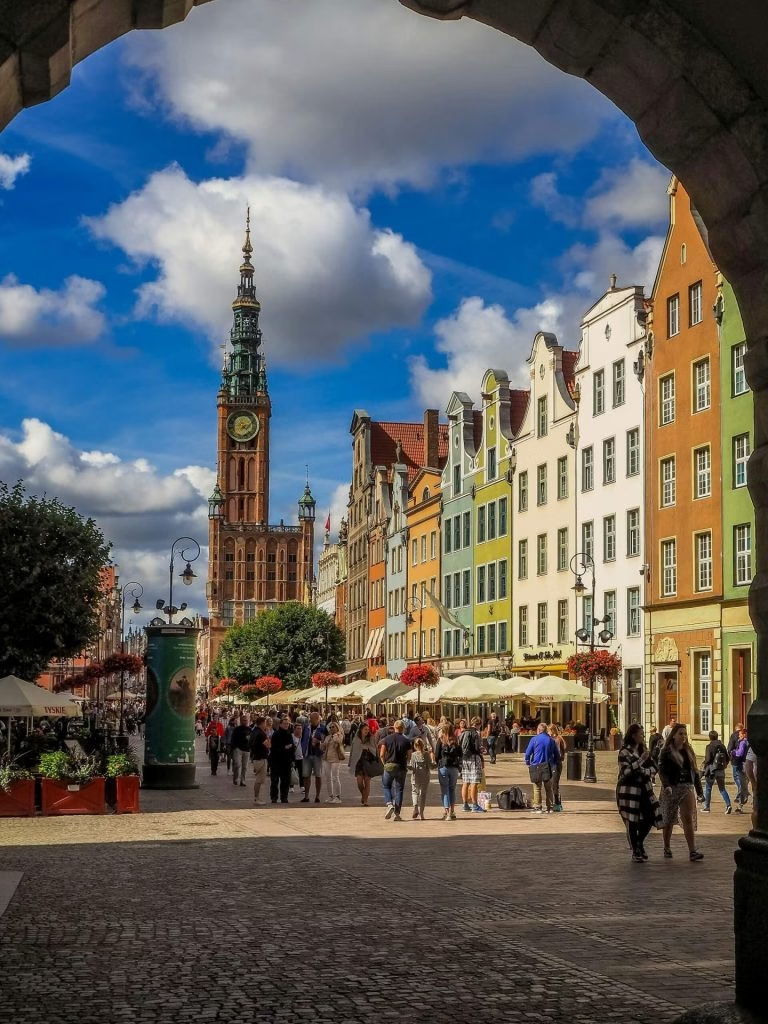
The Main Town Hall (Ratusz Głównego Miasta) is one of Gdansk’s most significant heritage buildings. This stunning Renaissance structure boasts an elaborately decorated facade and an 80-metre tower — in summer, the views from the top over the city and surrounding area are simply the best in town.
You can also explore the interior, which houses the Historical Museum of the City of Gdansk. Alongside its art collection, the exhibitions show what everyday life looked like in Gdansk on the eve of World War II.
The museum is closed on Tuesdays. On Mondays, entry is free.
Long Market (Długi Targ)
Long Market, known as Długa, is the main thoroughfare through Gdansk’s historic centre. The entire square is lined with colourful historic buildings in the Dutch Renaissance style, most of which now house shops, restaurants and cafés.
It’s a great starting point for a walk through the city. If you want to sit down and soak up the historic atmosphere, though, you’re better off heading a few streets away. As tends to be the case, the venues right at the centre come with noticeably higher prices — the bill for a light snack might catch you off guard.

Green Gate
Despite its name, the Green Gate doesn’t look much like a gate at all. It was built as a prestigious ceremonial entrance for visiting royalty and dignitaries, and also served as their residence during longer stays.
Today it functions as a cultural centre, regularly hosting exhibitions and arts events.
Royal Route
The Royal Route is a historic processional path that runs through Long Market and ends at the Golden Gate. Traditionally used for grand parades and royal processions, it’s lined with notable landmarks including Arthur’s Court and the Neptune Fountain.

Mariacka Street
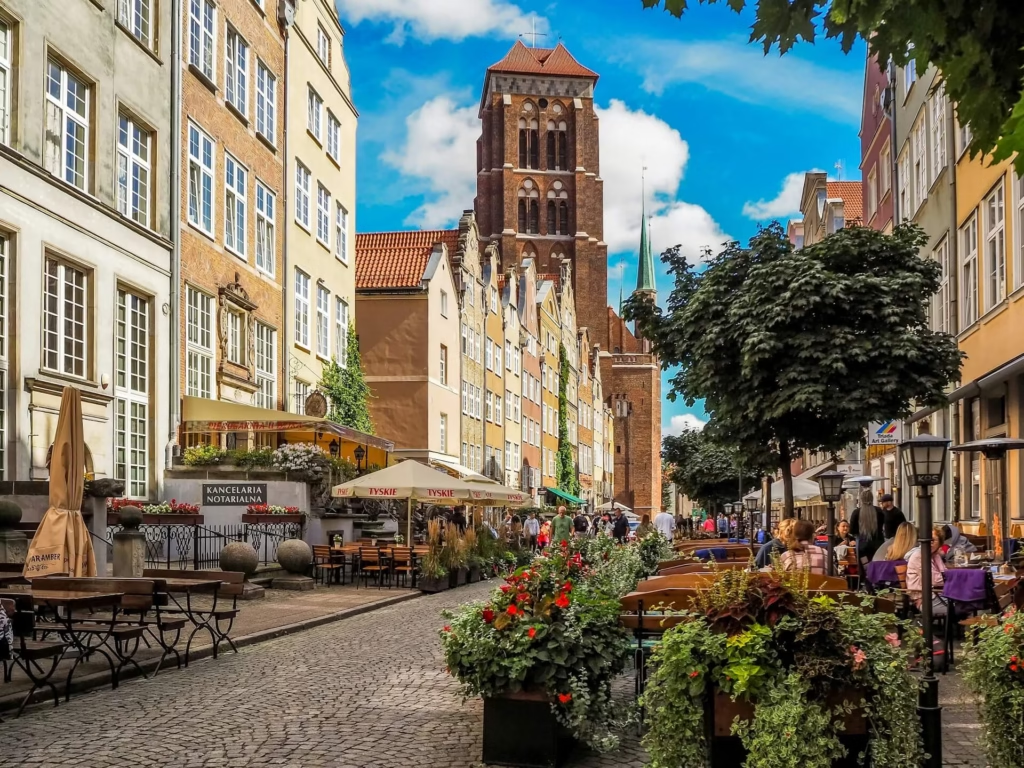
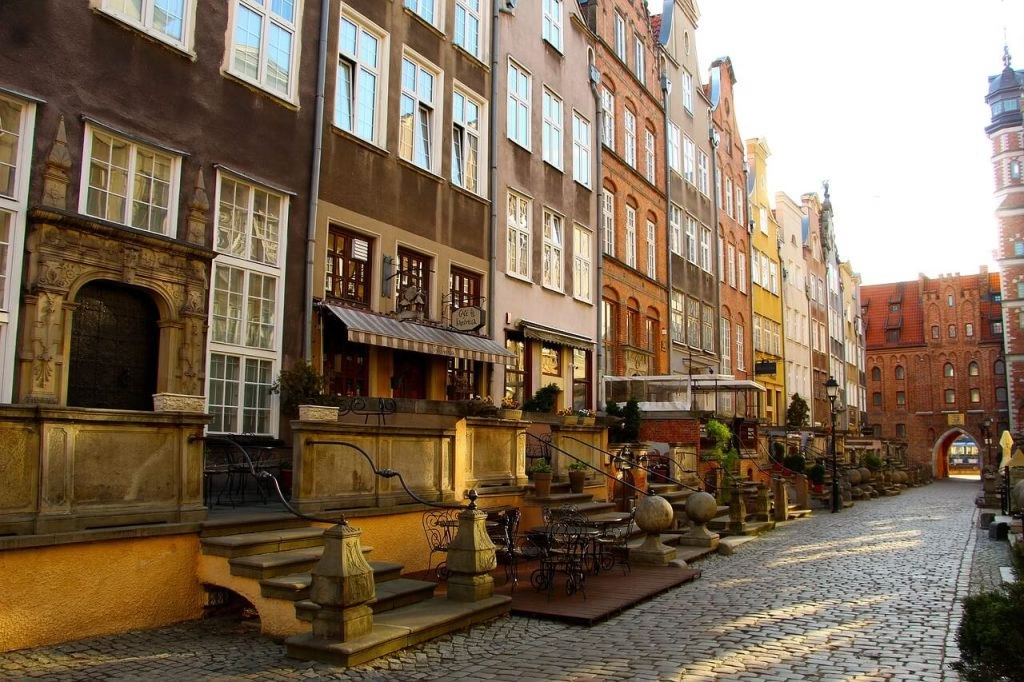
Mariacka Street (Ulica Mariacka) is one of the most picturesque and charming streets in the Old Town. This narrow cobbled lane is flanked by historic buildings with typical Gothic facades and distinctive high stoops leading up to the front doors.
The street is well known for its craft workshops, art galleries and antique shops — a great place to pick up souvenirs, jewellery and all kinds of artworks. At the far end of the street rises the imposing Basilica of the Assumption of the Virgin Mary, one of the largest brick churches in the world.
Basilica of the Assumption of the Virgin Mary
The St Mary’s Basilica, as locals call it, is one of the most significant and monumental sacred buildings in Poland. This imposing brick church — considered one of the largest of its kind in the world — was built in the Gothic style between the 14th and 16th centuries. It can hold up to 25,000 people, and its sheer scale (105 metres long and 66 metres wide) along with its soaring towers has made it an icon of the city.
The interior is every bit as impressive as the exterior, with lofty vaulted ceilings, breathtaking stained-glass windows and richly decorated altars. The church contains many works of art, including a 15th-century astronomical clock that was among the most advanced of its era.
The towers are also accessible — and much like the Town Hall, they offer sweeping views over Gdansk’s entire historic centre and beyond.

Oliwa Cathedral
Built in the Gothic style and subsequently enriched with Baroque and Rococo elements over the centuries, Oliwa Cathedral is a breathtaking space. Its interior features tall columned arcades and richly decorated chapels. Two of its most remarkable features are the high altar — a masterpiece of Rococo craftsmanship — and the cathedral’s magnificent organ, one of the largest and oldest in Poland.
Organ concerts are held here regularly, so with a bit of luck you’ll get to experience the place in full glory.
Museum of the Second World War
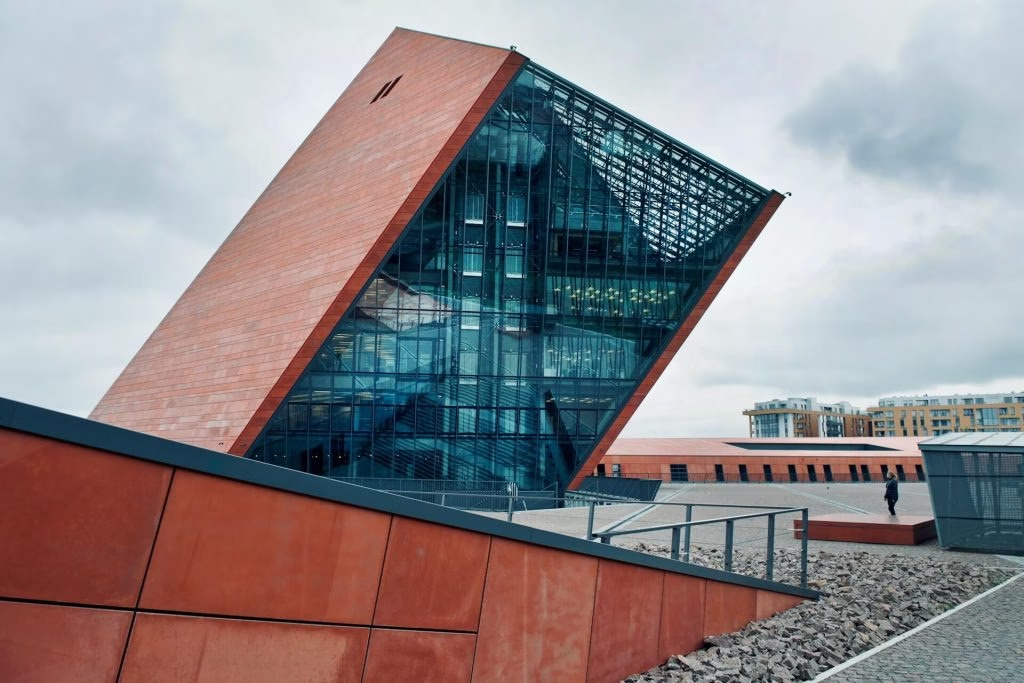
The Museum of the Second World War is one of Poland’s newest and most modern museums, devoted entirely to the WWII period. It opened in March 2017 and occupies a striking contemporary building that forms a bold contrast with the historic city centre around it.
The exhibition offers visitors a deep dive into the events and consequences of World War II — not only from a Polish perspective but from a global one. The displays are divided into several sections covering the causes of the war, everyday life during the conflict, liberation and its aftermath.
Opening hours vary by day and month. The museum is closed on Mondays year-round. For full details, check the official website.
Gdansk Port
Gdansk has played a major role in Baltic Sea trade since the 10th century, and later became one of the leading ports of the Hanseatic League — the powerful medieval trading alliance of northern European cities.
The port also served defensive purposes, as evidenced by the surviving fragments of medieval fortifications and towers that still stand nearby.
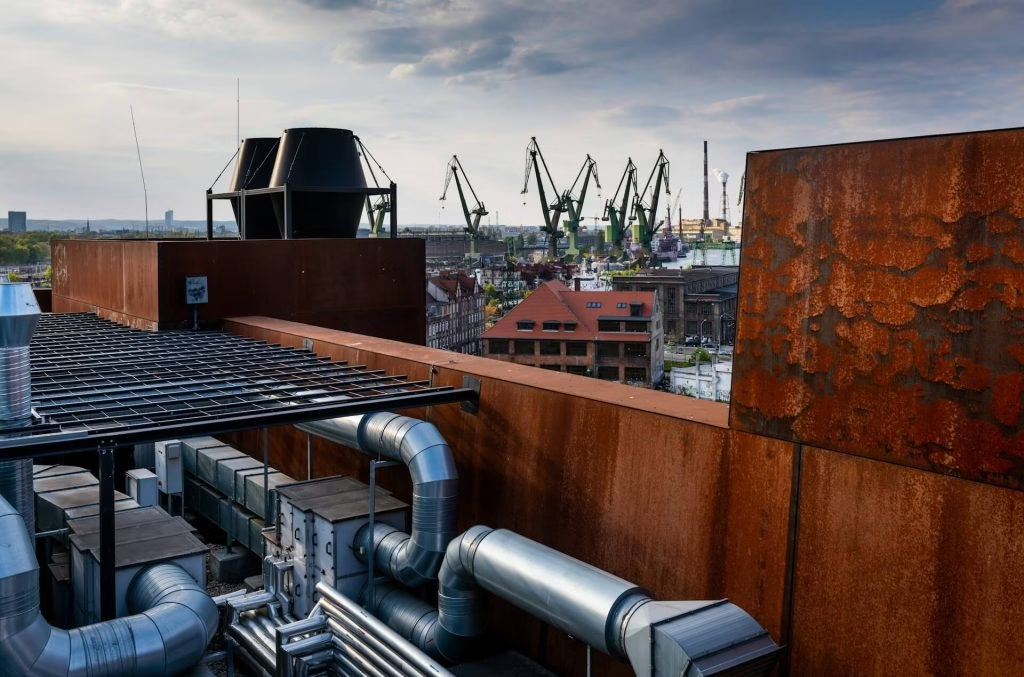
Today, visitors can explore historic shipyards, take a cruise along the Motława River, or discover the old port warehouses that have been transformed into museums and galleries.
Ołowianka Island
Ołowianka is an island right in the heart of Gdansk’s historic centre, easily walkable from the main tourist spots like Long Market and Mariacka Street. It’s home to the Baltic Philharmonic and the Maritime Museum — both well worth your time.
Westerplatte
Westerplatte is a historic site just outside Gdansk, best known as the place where World War II began on 1 September 1939, when German forces attacked the Polish military garrison here. This attack is widely regarded as the opening shot of the conflict that would reshape the entire world.
Visitors can explore the remains of military bunkers, defensive structures and memorials — including a large monument erected in honour of the fallen defenders.
Gdansk Zoo
Gdansk Zoo is one of the largest and oldest zoos in Poland. It covers more than 125 hectares and sits in the charming Oliwa district, known for its beautiful parks and historic buildings, including the Oliwa Monastery.
The zoo is home to around 200 species of animals, including rare and endangered species such as tigers, giraffes, elephants and various primates. It also features dedicated enclosures like a primate pavilion, an African savanna and a tropical house where animals can be seen in conditions close to their natural habitat.
Ticket prices vary by season — check the latest details here.
Don’t forget to look into the City Tourist Card, available at tourist information centres around the city. With this card, entry to some attractions — including the zoo — is free.
Hevelianum Centre
Hevelianum Centre is an interactive science and education centre offering a fun way to learn for both children and adults. It sits on Gradowa Hill inside 19th-century military buildings, creating a uniquely atmospheric setting with great views over the whole city.
Alongside permanent exhibitions, you’ll find a planetarium, science workshops, experiments and play areas. An absolute must if you’re travelling with younger explorers.
Things to Do in Gdansk: Rain or Shine
Explore the Historic Centre
Start on Long Street (ul. Długa) and Long Market (Długi Targ), dominated by the Main Town Hall and its viewing tower. Continue to the Neptune Fountain and the Golden Gate, then take in St Mary’s Basilica, Mariacka Street, and finish at the legendary Żuraw — the oldest surviving medieval harbour crane in Europe.
Alternatively, join one of the city’s walking tours and discover the historic streets and hidden corners through the eyes of a local.

Visit the Museums
When the weather turns, duck into one of Gdansk’s many excellent museums — though to be honest, they’re well worth a visit whatever the forecast.
Beyond the Museum of the Second World War and the European Solidarity Centre, we’d recommend the Maritime Museum with its impressive collection of ships and maritime history. For a window into life in Gdansk during its golden era, head to the Main Town Hall museums and the Uphagen House.
See the City from the Water
Settle onto the deck of a traditional boat or a modern catamaran and discover Gdansk from an entirely different angle. The range of cruises on offer is wide — choose a shorter trip around the city or head out into the bay for a sunset sailing experience.

Discover Art and Crafts
Gdansk is renowned for its art galleries and craft workshops. Visit the Amber Museum to learn about the traditional amber craft for which the city is famous, or sign up for a workshop where you can try your hand at making your own piece.
Experience the Nightlife
When the sun goes down, head to the area around Elektryków Street. You’ll find bars, clubs and music venues ranging from jazz haunts to full-on dance floors.
Relax on the Beach
Head to the popular sandy beaches at resorts like Brzeźno, Jelitkowo or the less touristy Stogi. Enjoy soft sand, clean water and a laid-back atmosphere. If you’re after more action, windsurfing and kitesurfing are both popular options.

Explore Gdansk with Locals
If you want to truly get under the skin of the city, there’s no better way than with a local guide. On GetYourGuide you’ll find a wide range of activities, tours and workshops that can really elevate your Gdansk experience. Here are a few highlights:
Gdansk with Kids: Where to Go
The top family-friendly spots in Gdansk include the zoo, Hevelianum Centre, Oliwa Park and the Cathedral. Beyond those, you can visit a waterpark, the enormous children’s entertainment complex Loopy’s World, take in the city from the 80-metre AmberSky Ferris wheel, or go full pirate and board the historic tall ship Czarna Perła.

Food and Drink in Gdansk
The food scene in Gdansk is as diverse as its history and culture — a rich mix of traditional Polish specialities, fresh seafood and international cuisines.
On the streets and in shopping centres you’ll find food stalls serving up great food at very reasonable prices. If you’re after a hot, filling meal on a budget, head to one of the milk bars (bary mleczne). These canteen-style eateries date back to the early 20th century and originally served simple dairy-based dishes. Today they offer a full menu of Polish home-cooked food, cafeteria style, at very affordable prices — typically 15–25 PLN (around €3.50–6) per meal.
Street Food and Quick Bites
- Zapiekanka
- A beloved Polish classic — a toasted baguette loaded with mushrooms, cheese and various toppings. Expect to pay around 15–20 PLN (€3.50–5).
- Pierogi
- Traditional Polish dumplings filled with meat, mushrooms, cheese or sauerkraut. A portion at a fast food spot will set you back around 15–25 PLN (€3.50–6).
- Kielbasa
- Grilled or fried Polish sausage served with bread, mustard and sauerkraut. One portion costs around 10–15 PLN (€2.50–3.50).
- Harbour Fish
- Gdansk has an excellent selection of fresh fish. Try a fish burger or fried fillets — herring or cod are particularly good — for around 20–30 PLN (€5–7).
- Gofry
- Polish waffles topped with fruit, whipped cream or chocolate — the perfect sweet ending to a street food crawl. Around 10–15 PLN (€2.50–3.50).
- Obwarzanek
- A traditional ring-shaped pretzel bread, a popular snack across the whole country. Around 5 PLN (€1.20).
- Pączek
- Polish doughnuts — a classic sweet breakfast treat. We recommend picking one up at Piekarnia w budce near Baszta Stągiewna, where a big one costs just 6 PLN (€1.40).

Cheap Hot Meals
- Bar Mleczny
- Try Bar Turystyczny or Bar Mleczny Neptun for dishes like krupnik, żurek, gołąbki or naleśniki. A full lunch comes in under 25 PLN (€6).
- Stacja Food Hall
- On the upper floor of a shopping centre, this food hall brings together several stalls and restaurants with cuisines from around the world. Burgers, sushi or traditional Polish food — all in a relaxed atmosphere.
- 100cznia
- A huge former docklands area transformed into a vibrant food and drinks hub, with stalls housed in shipping containers. Beach loungers and live music complete the vibe. Open May to September only.
- Ulica Elektryków
- An old freight depot turned into a lively strip of bars and food trucks, plus a large club that hosts regular concerts.
Gdansk Restaurants
Traditional Polish Cuisine
- Pierogarnia Mandu: A celebrated restaurant specialising in pierogi, with two locations in Gdansk. Mains around 25–35 PLN (€6–8).
- Bar Mleczny Neptun: A classic milk bar serving up cheap Polish staples like żurek and bigos. Dishes from 10–20 PLN (€2.50–5).
Seafood and Fish
- Tawerna Dominikańska: A stylish restaurant by the Motława River, great for fresh seafood and fish. Mains 50–80 PLN (€12–19).
- Goldwasser Restaurant: An upscale spot with a wide selection of fish specialities and Polish cuisine. Mains 60–120 PLN (€14–28).
Vegetarian and Vegan
- Avocado Vegan Bistro: One of the most popular vegan spots in Gdansk, with a solid menu of vegan burgers, quesadillas, salads and homemade desserts.
- Manna 68: A stylish vegan restaurant in the city centre with a broad menu spanning soups, mains and desserts. The vegan burger and Mexican wrap are both highly recommended.
- Fukafe: A popular vegan café known for homemade cakes and desserts, plus light snacks, smoothies and coffee drinks.
International Cuisine
- Restauracja Thai Thai: Thai food in a stylish setting. Mains 50–90 PLN (€12–21).
- Restauracja Gvara: Modern cuisine with European influences. Mains 50–80 PLN (€12–19).
Fine Dining
- Gdański Bowke: A luxury restaurant on the Motława riverbank, serving traditional Polish dishes with a modern twist. Mains 80–120 PLN (€19–28).
- Restauracja Filharmonia: An upscale restaurant inside the philharmonic building, offering creative Polish cuisine. Mains 80–130 PLN (€19–30).
Coffee and Desserts
- Drukarnia Café: Known for its excellent coffee and cosy atmosphere, right in the heart of the Old Town. Wide selection of coffees and homemade desserts.
- Café Kamienica: Great coffee and a varied selection of sweets in an elegant setting — ideal for a rest after a walk through the historic centre.
- Retro Cafe: A café with a retro feel and a warm atmosphere. Try their coffee or hot chocolate alongside a slice of homemade cake.
- Umam Patisserie: A luxury patisserie offering carefully crafted treats including macarons, cakes and chocolate pralines.
- Cukiernia Staropolska: A bakery and cake shop in the city centre. Try their traditional Polish pastries, such as sernik (cheesecake) or mazurek.
Bars and Nightlife
- Bunkier Club: A popular club and bar housed in a former bunker, with a wide drinks selection and regular DJ nights and live music events.
- Flisak ’76: Known for its creative cocktail menu and friendly atmosphere.
- High 5 Bar: If you fancy drinks with a view, this rooftop bar serves original cocktails in a relaxed setting — perfect for an evening out with friends.

Where to Stay in Gdansk
If you’re visiting Gdansk for a few days, staying somewhere central within walking distance of the main sights is your best bet. If you’re staying longer or travelling with family, look at neighbourhoods like Wrzeszcz or Oliwa.
1. Historic Centre (Stare Miasto)
The main tourist area, with beautiful architecture, narrow lanes and top attractions like Long Street, Long Market, St Mary’s Basilica and the Żuraw crane. Perfect for exploring on foot, with cafés, restaurants and shops all around.
Accommodation picks:
- Luxury: Radisson Blu Hotel, Hilton Gdańsk.
- Mid-range: Hotel Artus, Hotel Gdańsk Boutique.
- Hostels: MainStation, Hostel Filip 2.
2. Old Harbour (Wyspa Spichrzów and Ołowianka)
A peaceful area along the Motława River with lovely views back towards the historic centre. The Maritime Museum and the Baltic Philharmonic are nearby. Wyspa Spichrzów is a newer development of hotels and apartments with modern architecture and riverside promenades.
Accommodation picks:
- Luxury: Puro Gdańsk, Holiday Inn Gdańsk City Centre.
- Mid-range: Hotel Almond, Qubus Hotel Gdańsk.
- Apartments: Grano Apartments, Apartamenty Chmielna.
3. Wrzeszcz District
A dynamic, modern district with shopping centres, cafés and restaurants. You can reach the historic centre by train or tram in 10–15 minutes. Worth noting: this area is known for a lively nightlife scene, with music clubs and festivals.
Accommodation picks:
- Mid-range: Smart Hotel, Focus Hotel Premium Gdańsk.
- Apartments: Browar Hevelius Apartments, AL Mare Apartament.
4. Oliwa District
The area between Gdansk and Sopot is known for its green spaces, Oliwa Park and the cathedral. It’s a little further out, but has good connections to both cities — and it’s close to Jelitkowo Beach and the zoo.
Accommodation picks:
- Luxury: Umi Hotel.
- Mid-range: Hampton by Hilton Gdańsk Oliwa, Oliwski Hotel.
- Apartments: Oliwa Apartamenty, Oliwa Park Residence.

Top Hotel Picks
Luxury
- Hotel Gdańsk Boutique: Right by the harbour, this hotel is ideal for those wanting a blend of luxury and history. It offers a wellness centre, fitness room, restaurant and comfortable rooms with great city views.
- Radisson Blu Hotel: In the heart of the historic centre, this hotel offers modern, elegant accommodation with Motława River views and easy access to all the main attractions.
Mid-range
- Aparthotel Neptun: Centrally located, modern apartments with kitchenettes — ideal for families or longer stays.
- Mercure Gdańsk Stare Miasto: Close to the Old Town, with comfortable rooms and lovely city views.
- MONTOWNIA Lofts & Experience: A unique hotel offering a stay in a converted industrial building. Great for larger groups too.
Budget and Solo Travellers
- La Guitarra Hostel Gdańsk: A popular choice for solo travellers, with clean and affordable rooms, a friendly atmosphere and a central location with everything you need close by.
Day Trips from Gdansk
Gdansk, Sopot and Gdynia together form the so-called Tricity (Trojmiasto) — three cities in close proximity to one another. Don’t miss the other two when you’re in the area. But there’s plenty more within easy reach too.
Malbork
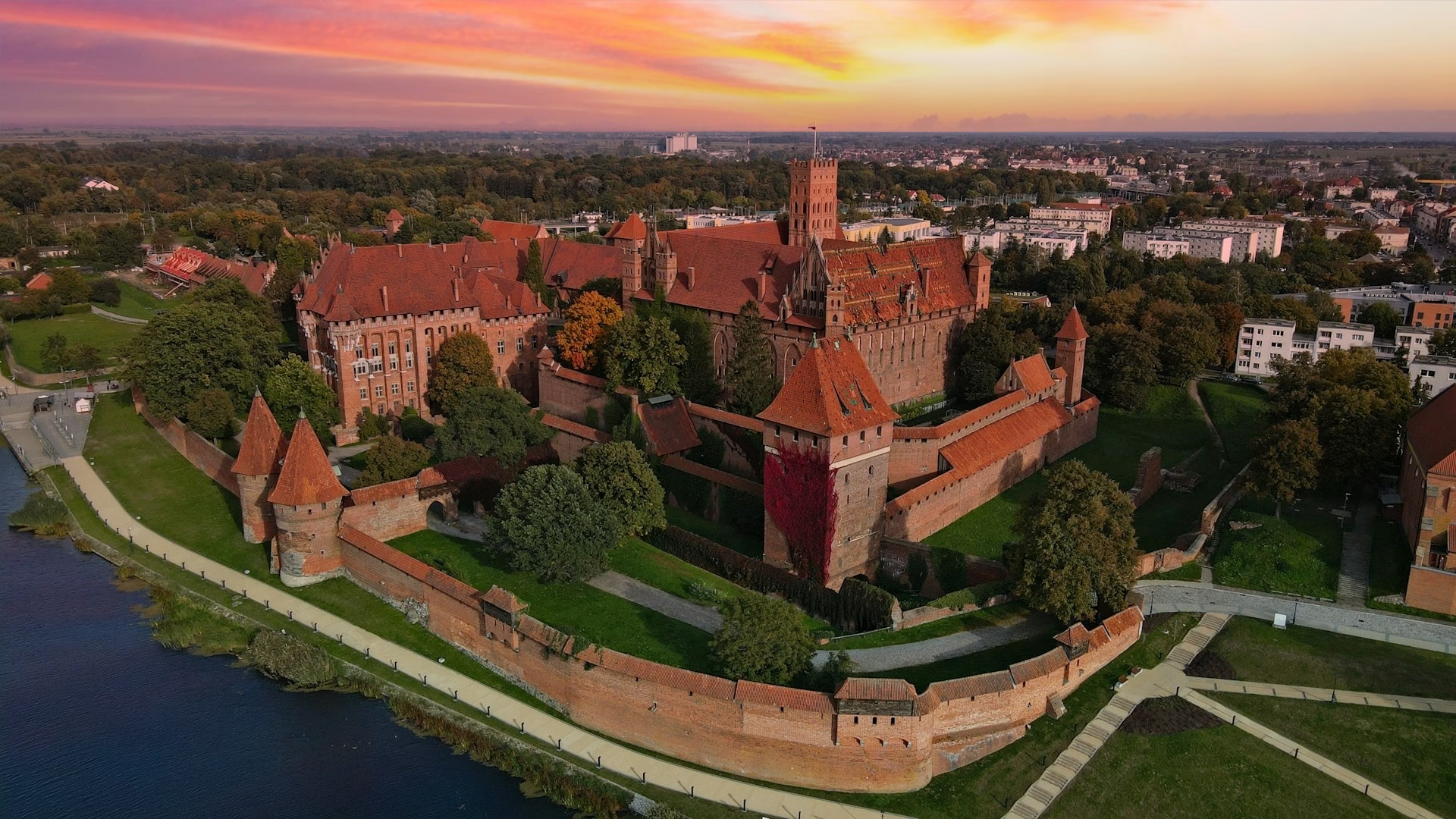
Just a short ride from Gdansk, Malbork is home to a truly stunning castle — the largest Gothic brick castle in the world, and a UNESCO World Heritage Site. Exploring this vast fortress feels like stepping back in time, and the interactive exhibits tell the story of the Teutonic Knights who originally built it.
Sopot
Sopot is famous for its long pier — the longest wooden pier in Europe — and its beautiful beaches, perfect for relaxing. The town comes alive at night too, and there’s a good selection of spa and wellness facilities.

Gdynia
The most modern of the three Tricity cities, Gdynia is known for its maritime museum and aquarium. Visit the Emigration Museum, which charts the history of Polish emigration, or stroll along the waterfront to admire historic ships — including the WWII destroyer ORP Błyskawica.
Hel Peninsula
The Hel Peninsula is well known for its sandy beaches, ideal for sunbathing, swimming and water sports like windsurfing and kitesurfing. Alongside the beaches, you’ll find nature reserves and interesting museums, including a Fishing Museum.

Kashubia (Kaszuby)
The Kashubia region is celebrated for its unique culture, language and beautiful landscape. Explore traditional Kashubian villages, visit regional museums and enjoy an active break with a wide network of cycling routes and lakes perfect for canoeing.
Events and Festivals Worth Attending
1. St John’s Eve (Noc Świętojańska)
- When: Late June.
- What: A traditional Polish festival celebrating the summer solstice. In Gdansk, it comes with night markets, concerts and fireworks, culminating in the ritual of floating wreaths with lit candles down the river.
2. Gdansk Shakespeare Festival (Festiwal Szekspirowski)
- When: July/August.
- What: Theatre companies from around the world gather to perform their interpretations of Shakespeare’s works. Workshops and talks also take place throughout the festival.
- When: Late July to mid-August.
- What: One of the largest outdoor festivals in Poland — three weeks of music, theatre, film and art. During the fair, one of Europe’s biggest markets opens, packed with traditional crafts and artisan goods.
4. Gdansk International Amber Fair
- When: Twice a year, though the March edition is not open to the general public.
- What: The world’s largest amber fair, entirely dedicated to this gemstone that Gdansk has long been famous for. Visitors can admire stunning jewellery and artworks, attend educational workshops and meet makers and traders from across the globe.
- When: Annually in May.
- What: Museum Night opens the doors of many cultural institutions for evening tours and special events. It’s a great opportunity to explore museums, galleries and other cultural venues — often free of charge or at reduced prices.
6. Jazz Jantar
- When: Several times a year.
- What: A festival hosting local and international jazz artists across multiple venues around the city. Whatever your jazz taste, you’ll find something here.
Practical Travel Information
Getting to Gdansk
There are several ways to reach Gdansk, depending on where you’re travelling from and how much time you have.
By Plane
Flying is the quickest and often most convenient option. Ryanair operates direct flights to Gdansk from many European cities, with the journey typically taking around 1.5 hours from Central Europe.
Getting from the airport to the city centre:
Gdansk Lech Wałęsa Airport is well connected to the city centre by public transport and taxi. There is a direct rail link to the main station, Gdańsk Główny. Trains depart from the newly built railway station right next to the terminal, with the journey taking around 30 minutes and trains running every 15–30 minutes depending on the time of day.
Alternatively, bus line 210 runs to Gdansk’s main bus station in around 40–50 minutes depending on traffic. Night bus N3 covers the route after hours.
By Car
Driving to Gdansk takes roughly 7–9 hours from Central Europe, depending on your starting point. There are several route options, and the trip makes for a great road trip — you can stop off in Wroclaw or Poznań along the way.

By Train
Direct trains to Gdansk run via Wroclaw from several Central European cities. Journey time is around 8.5 hours, and booking ahead can bring ticket prices down considerably. Note that these trains do not have a dining car, so bring snacks.
By Bus
If you go by coach, book as far ahead as possible to secure a seat on direct services — and to get the best price. Regular services operate from multiple Central European cities with Flixbus.
Getting Around Gdansk
Gdansk has a comprehensive and efficient public transport network covering trams, buses and trains, complemented by a solid cycling infrastructure. More information on each mode of transport is available on the official transport operator website (Polish only). The mobile app “Jakdojade“, available for Android and iOS, is also very handy — it covers timetables, fares and even lets you buy tickets on the go.

Trams
Gdansk’s tram network is extensive and covers most key parts of the city. It’s a fast, reliable way to get around — whether you’re heading to the historic centre, shopping areas or residential districts. Trams run frequently and are generally very punctual.
Several fare options are available, from single tickets to all-day and 72-hour passes. Students under 26 with a valid ISIC card are entitled to discounted fares.
Tickets can be bought at stops, on board (by card or coins) or via the app. Don’t forget to validate your ticket after boarding — the system works similarly to most other European cities.
Buses
The bus network complements the trams and reaches areas not covered by the tram lines. Buses run regularly and include night services.
SKM Urban Rail (Szybka Kolej Miejska)
For fast connections between Gdansk and the rest of the Tricity — Sopot and Gdynia — the SKM urban rail service is the way to go. It’s quick, comfortable and reliable, and handles rush-hour traffic well. Fares depend on how many zones you travel through.
Cycling
Gdansk actively supports cycling and has a well-developed network of bike paths. Renting a bike is easy — there are several rental shops around the city. Just ask at your accommodation and you’re good to go.
Car Rental
You won’t need a car within the city itself, but if you’re planning to explore the surrounding region and want more flexibility, renting one is a solid option. Several international and local car rental companies have desks at the airport.

Money and Prices in Gdansk
Poland uses the Polish złoty (PLN). Prices in Gdansk vary, but are generally lower than in many other European cities. Here’s a rough guide to everyday costs:
- Coffee in a café: 8–12 PLN (€2–3).
- Main course in a standard restaurant: 20–40 PLN (€5–9).
- Beer in a restaurant or bar: 8–12 PLN (€2–3).
- Public transport single ticket: around 3.80 PLN (under €1).
- Museum entry: 10–30 PLN (€2.50–7).
- Taxi: starting fare around 8 PLN (€2), then approximately 2 PLN (€0.50) per km.
Card payments are widely accepted in Gdansk. Most restaurants, shops and hotels take major international credit and debit cards including Visa and Mastercard. Some smaller shops and market stalls may be cash only, though this is more the exception than the rule.
ATMs are readily available throughout the city — at the airport, main train stations, shopping centres and many other public locations.
We never travel without a couple of payment cards — just in case. Our favourites are Revolut and Wise, both of which offer great exchange rates and low fees for international spending.
Best Time to Visit Gdansk
Gdansk is a year-round destination, with each season offering a slightly different experience. Spring brings pleasant weather, cultural festivals and fewer tourists. Summer draws visitors from across Europe with long, bright days and a buzzing atmosphere. Autumn sees the crowds thin out, while winter brings a boom in the form of Christmas markets.
Is Gdansk Worth Visiting in Winter?
Absolutely. Gdansk is well worth visiting in winter, especially in the run-up to Christmas, when the historic centre turns into one of Poland’s most atmospheric Christmas markets — the Gdansk Christmas Fair (Jarmark Bożonarodzeniowy) — with mulled wine, regional food and festive lights strung along Długi Targ. Days are short and the Baltic wind is sharp, so pack warm layers, but in return you swap summer crowds for cosy cafés, quieter museums and lower accommodation prices. January and February are the coldest and quietest months — ideal if you want the city’s landmarks largely to yourself.

How Long to Spend in Gdansk
Two to three days is ideal for a solid introduction to Gdansk’s main attractions. You’ll have time to cover the Old Town highlights, a few key museums and the harbour. But if you’re not in a rush, stay longer — the city rewards it. There’s a surprising amount to see and do, and that’s before you even factor in the more off-beat experiences that Gdansk quietly has up its sleeve.
Frequently Asked Questions About Gdansk
Is Gdansk worth visiting?
Yes — Gdansk is one of Poland’s most rewarding city breaks. It combines a beautifully restored historic centre, pivotal World War II and Solidarity history, fresh Baltic seafood and easy access to beaches and day trips like Malbork Castle and Sopot — all with noticeably smaller crowds and lower prices than better-known European destinations.
How many days do you need in Gdansk?
Two to three days is enough to cover Gdansk’s main attractions — the Old Town, a couple of standout museums and the harbour. If you want to add day trips around the wider Tricity area (Sopot and Gdynia), Malbork Castle or the Hel Peninsula, plan for four to five days.
Is Gdansk safe for tourists?
Gdansk is generally very safe for visitors, including solo travellers. As in any popular tourist city, the main thing to watch for is petty pickpocketing in crowded spots like Long Market and on busy public transport. Standard precautions are all you need.
What is Gdansk famous for?
Gdansk is famous for its colourful Hanseatic townhouses and ornate facades, its role as the birthplace of World War II (Westerplatte) and the Solidarity movement, its centuries-old amber trade, and its spot on the Baltic coast — with the longest wooden pier in Europe just down the road in Sopot.