This post is also available in:


The area around Doi Mae Salong and the town of the same name is one of my favorite trips in Northern Thailand. The journey from Chiang Rai takes about an hour and a half, and from Chiang Mai, it’s just over 4 hours.
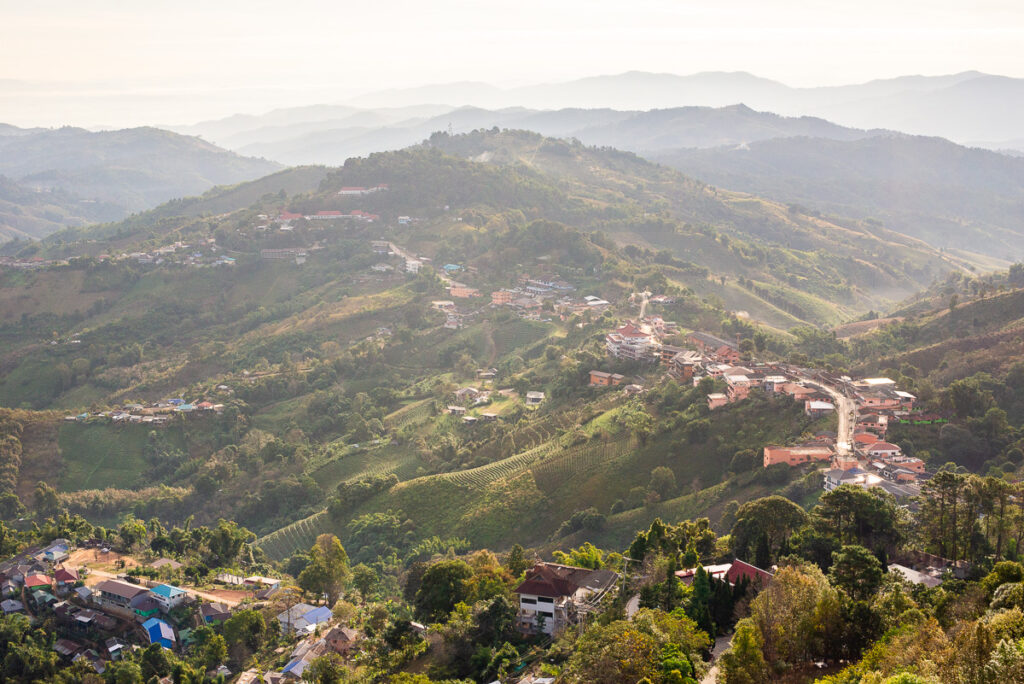
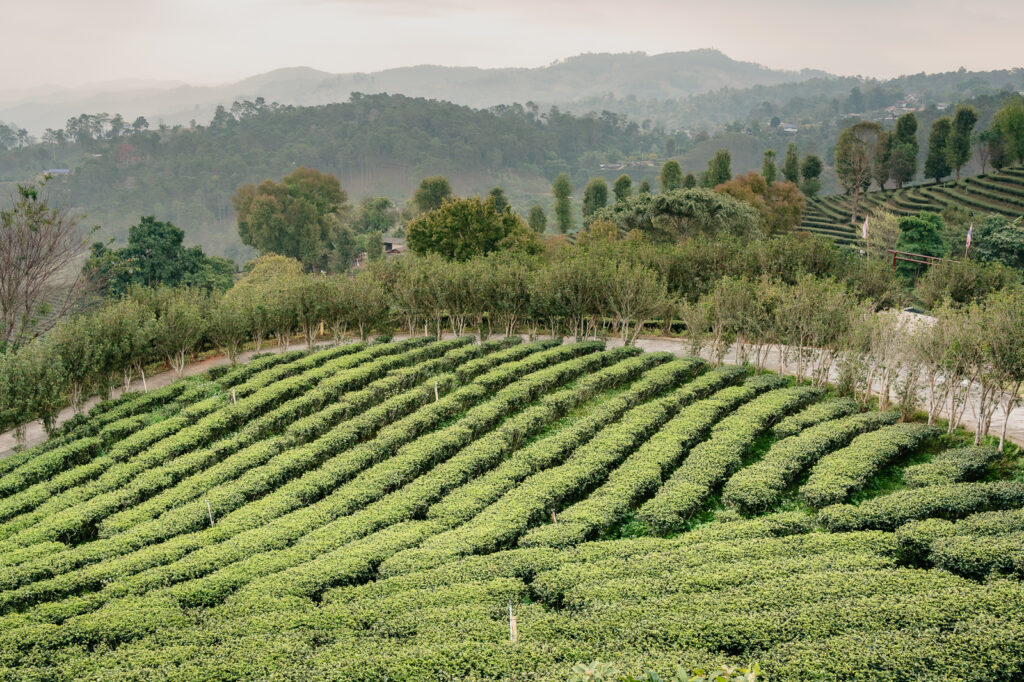
Once there, you can look forward to tea plantations and premium Taiwan-style oolongs, excellent food from the Chinese province of Yunnan, hill tribes, beautiful nature, and a peaceful atmosphere amidst green hills.
Why Visit Mae Salong
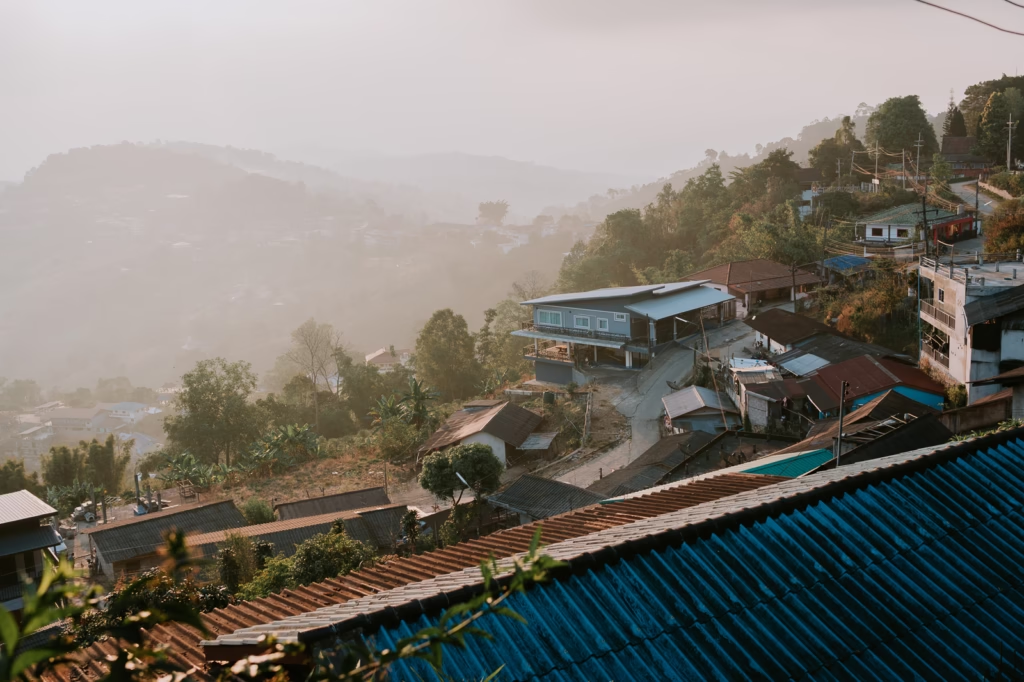
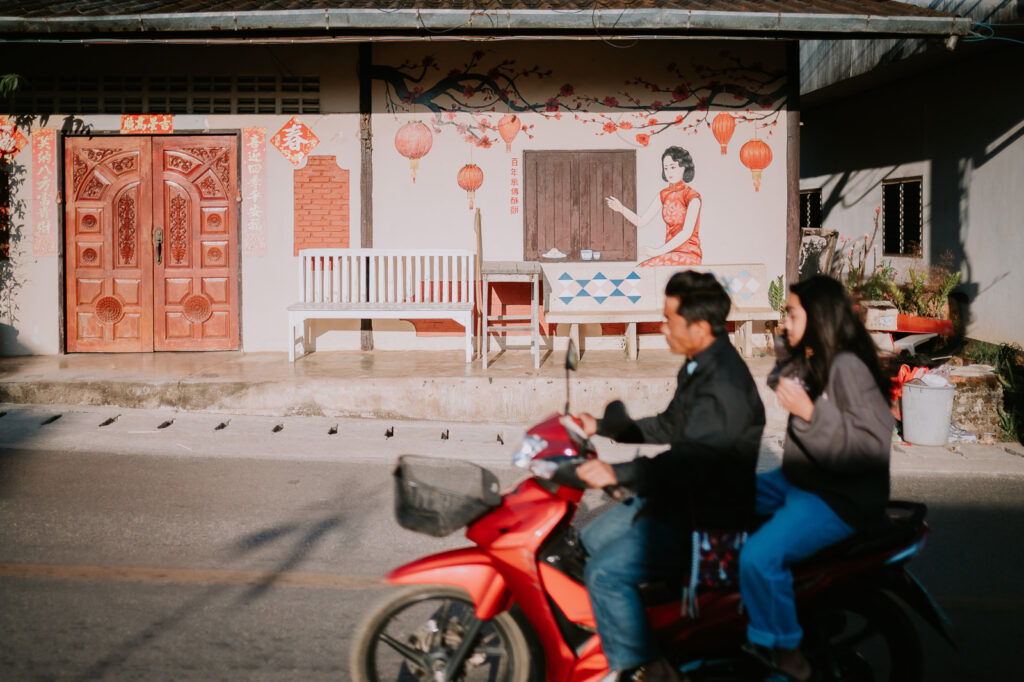
The main reason is simple: the atmosphere. A Chinese village in the middle of the Thai mountains, deep valleys overgrown with bamboo and sharp mountain ridges, tea culture, and a location off the main tourist tracks make Doi Mae Salong a place where you’ll want to spend several days, exploring the area with all your senses and taking a break from the hustle and bustle of Northern Thailand’s main sights.
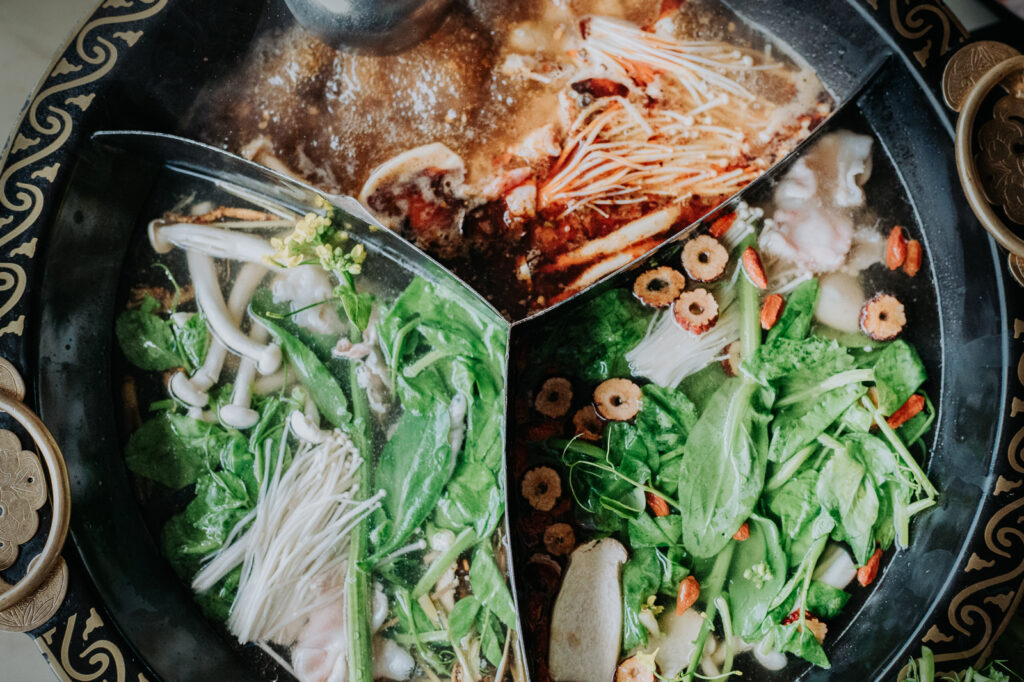
You can taste excellent Chinese noodles, duck, hotpot, or slow-cooked meat, as well as plenty of premium tea.
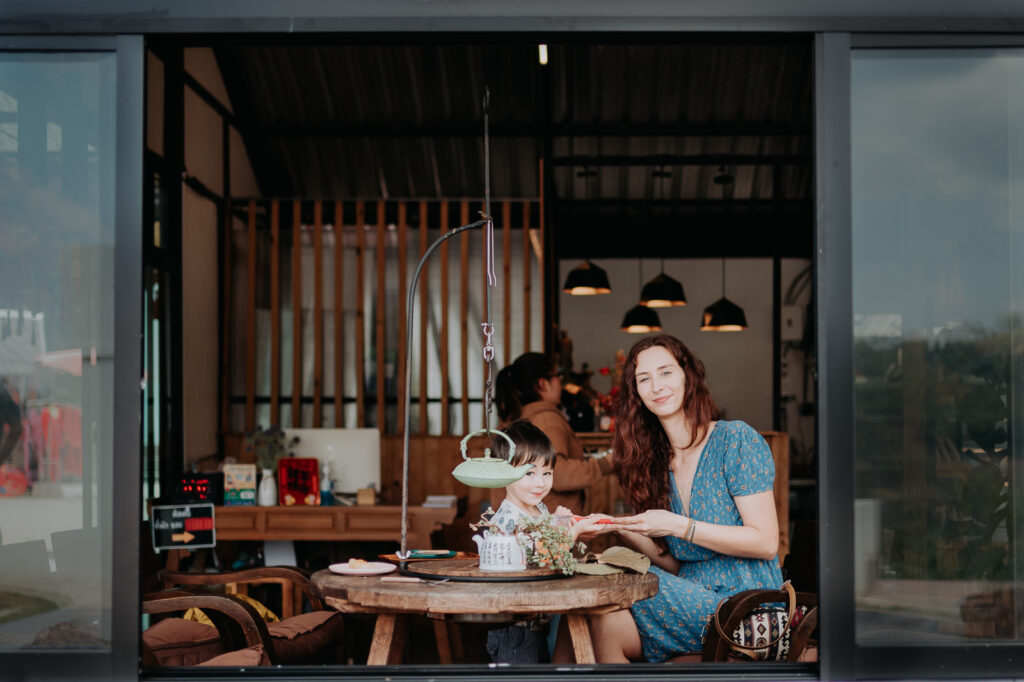
At the turn of December and January, peach and cherry blossoms bloom here, making the landscape, along with the perfectly green tea plantations, extremely photogenic.
Add extra friendly people, the chance to go trekking in the mountains and meet several Thai hill tribes, and you might just take home a lifelong experience.
To understand—in 1949, a communist revolution took place in China. Most of the army of the then-ruling Kuomintang party fled to Taiwan, but some stayed and fought against the communists. The communist army pushed them into the border areas of Burma, from where Kuomintang soldiers repeatedly tried to retake “their” Yunnan province. Unsuccessfully.
In 1961, General Lee Wen led them through difficult terrain to the Santi Khiri area, which later earned the name Mae Salong.
Even before arriving in Thailand, the soldiers became involved in the opium trade throughout the infamous Golden Triangle. In the 1970s, the CIA labeled Doi Mae Salong the “largest heroin production site in all of Southeast Asia.” It wasn’t until the 1980s that the soldiers, following an agreement with the Thai government, were granted citizenship. Part of the deal was that they would abandon opium cultivation.
And this is where the area’s tea history begins. The unique mountain climate at an altitude slightly above 1,000 meters allows for the cultivation of high-quality tea. The Chinese brought seedlings and the knowledge of processing premium semi-fermented teas called oolong from Taiwan, and they continue to expand the plantations to this day.
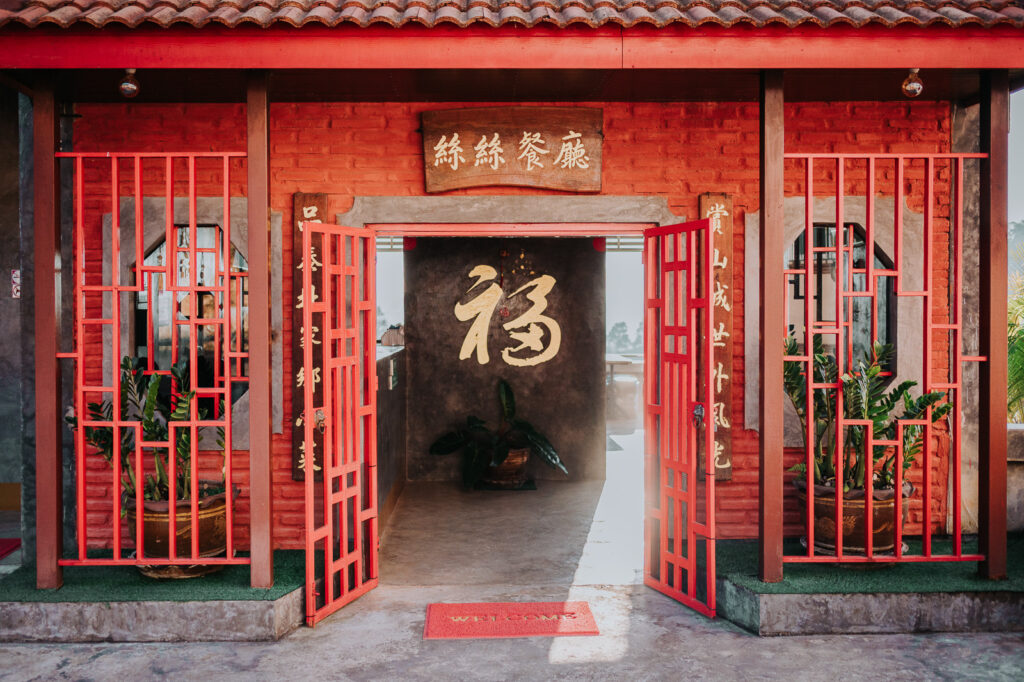
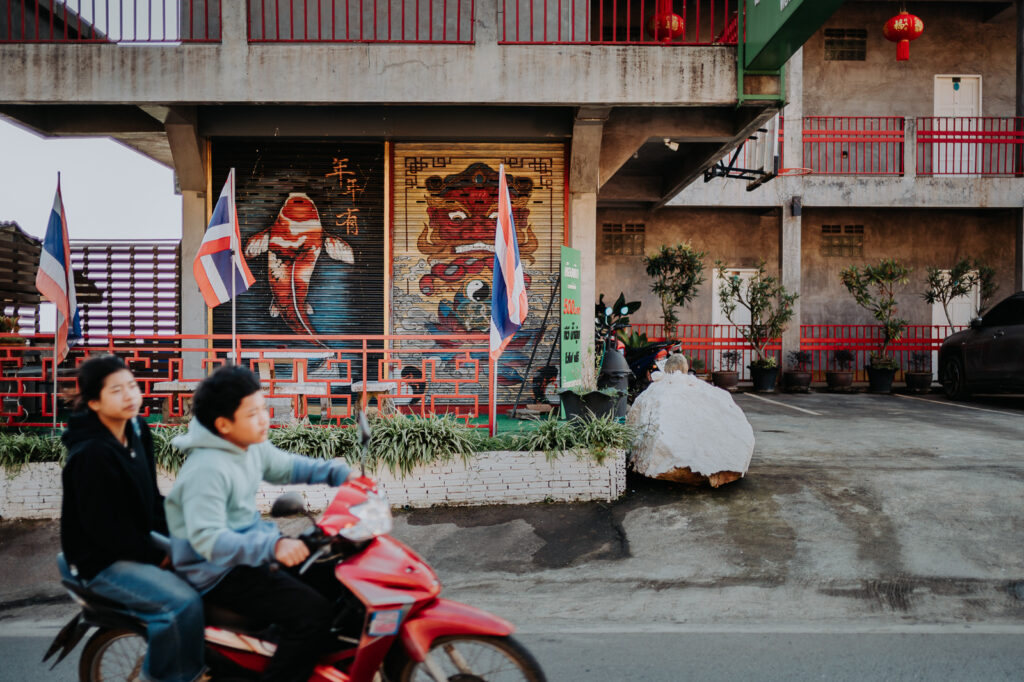
Local history has thus written itself into everyday life—into the language, food, tea shops, and the overall character of the village. Furthermore, oolong, along with fruits like peaches, cherries, and lychees, became the main local product after they stopped growing opium.
Practical Information and Tips
You can find the most tips in a separate—very detailed—article Practical Tips for Traveling in Northern Thailand. For Mae Salong, here are just the essentials.
How Long to Stay in Mae Salong
Mae Salong can be done as a day trip from Chiang Rai, whether on your own or as part of an organized tour. The journey by car or motorbike usually takes about 1.5 to 2.5 hours depending on stops and driving style. So if you head out early in the morning, it’s no problem to fit in the plantations, lunch, and a short walk through the village.
Personally, I highly recommend staying at least one night, ideally two. This will give you enough time to look around the surroundings, enjoy tea peacefully with a view of the plantations, try more dishes, or perhaps browse the morning market. Naturally, most places have the best atmosphere in the morning and early evening.
How to Get to Mae Salong
The most convenient is your own transport, whether a scooter or a car. Mae Salong is in the hills, and while public transport is possible, it’s time-consuming and uncomfortable.
One of the routes for my best motorbike trips in Northern Thailand also passes through Mae Salong.
To travel by public transport, take a bus or a songthaew pickup from Chiang Rai to Mae Chan—ask about options at the bus station in central Chiang Rai; several services run this way, including long-distance buses to the border town of Mae Sai.
From Mae Chan, continue by yellow songthaew to Mae Salong. Unless the schedules have changed since winter 2024/2025, they depart at 7:30 AM, 11:00 AM, and 3:00 PM. The price is 100 baht per person one way.
For the return trip, keep in mind that the last service from Mae Salong leaves quite early in the afternoon; you can get current information at Shin Sane Guesthouse in the center.
How to Get Around
You can walk through the center of Mae Salong itself, but a scooter is very useful for visiting the plantations and surrounding villages. You can rent one on-site; ask at your accommodation if needed.
Due to the steep hills, I highly recommend a semi-automatic like the Honda Wave.
You can easily reach the largest plantations by car, but when wandering through the hills, be aware that the roads are narrow, sometimes very broken, and the hills are extra steep.
Where to Stay
The choice of accommodation isn’t huge, and in high season, especially on weekends, it can happen that almost everywhere is full. Basically, you have two main options—better resorts and hotels with plantation views, or cheaper local guesthouses.
During our last stay, we slept in a cabin at Shin Sane Guesthouse right in the town center, and for 600 THB a night, it was very nice.
Others I can recommend include:
- 101 Tea Green View at the largest tea plantation
- WATA KHIRI by Wang Put Tan at the second largest tea plantation (significantly better but more expensive accommodation)
- Bella Lunar Villa with a luxury view
- My Place Mae Salong – another cheap spot, just a bit further from the center
Specialty Tea in Mae Salong
For me, tea was the main reason to visit Mae Salong for the first time, and also one of the main reasons to return. Every time I take away plenty of samples; once I even bought tens of kilos for my friend who sells tea in Europe.
Some of the oolongs here are surprisingly high quality, especially considering the price. You could easily pay five to ten times more in Europe for similar teas from Taiwan.
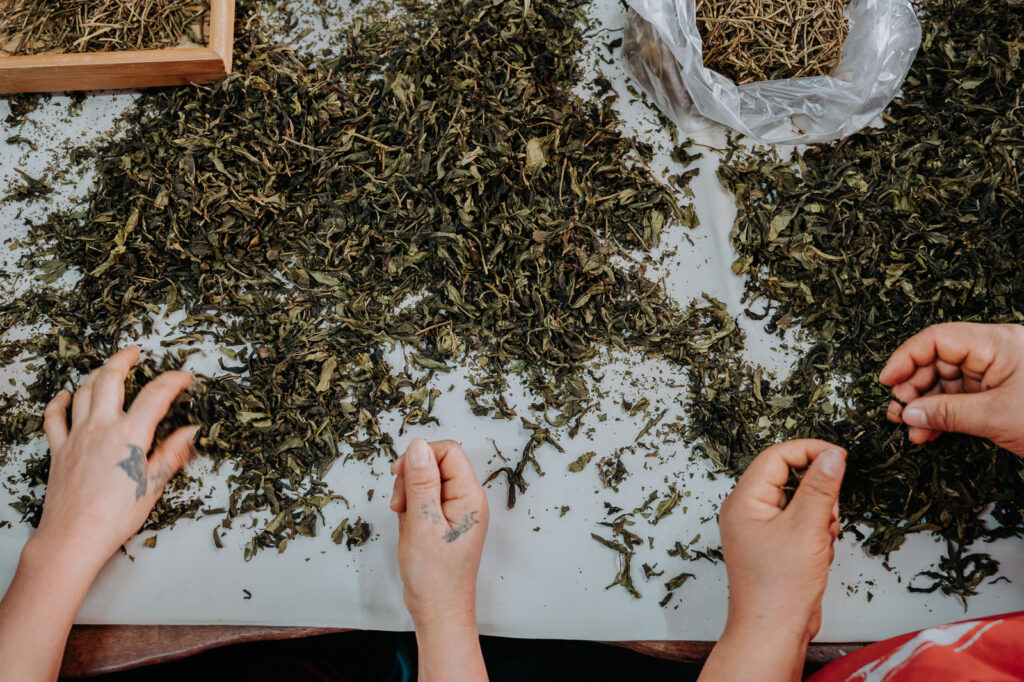
At the same time, you have a great chance to see the tea processing and understand the differences between types. Of course, it depends on the season; tea is harvested roughly from the second half of February until September or October.
Where to Go for a Tasting
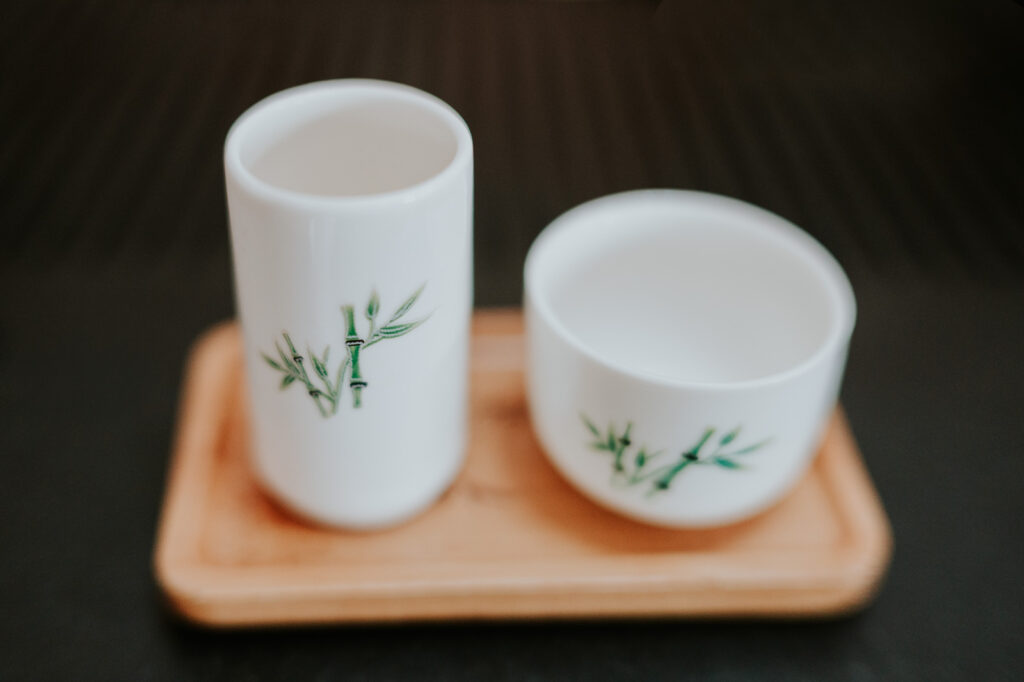
You have the opportunity to taste tea in every tea shop, both in town and directly at the plantations. Tastings are free, though it’s expected that you’ll buy something. Of course, it’s not an obligation—especially if you’re not happy with the tea.
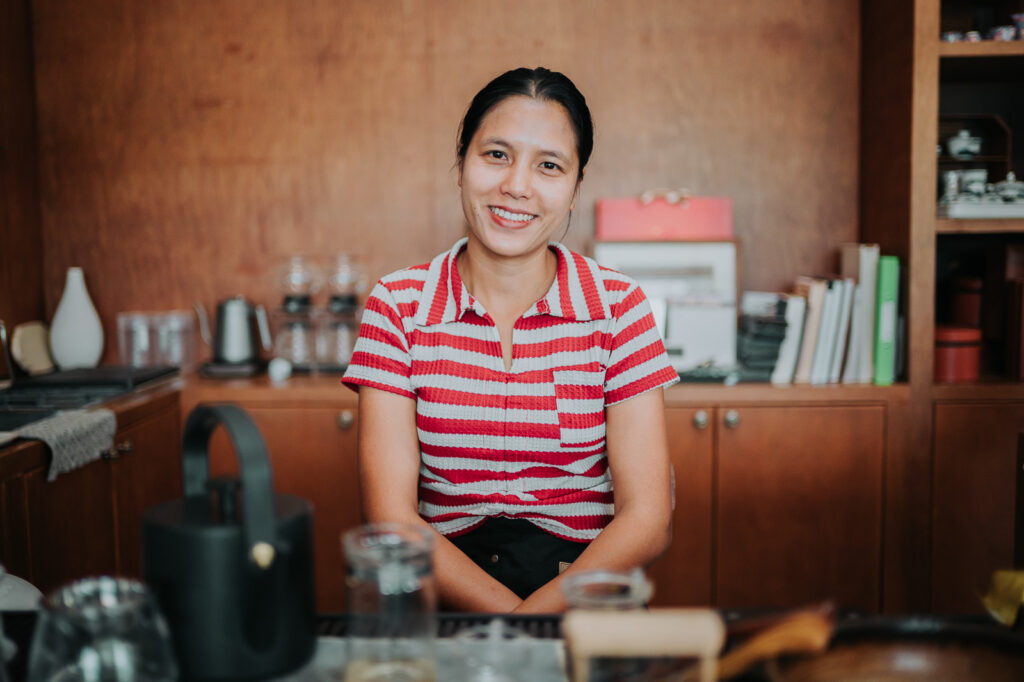
Ask for a tea tasting and ideally skip the various flavored oolongs they’ll likely offer first. I’m talking about things like osmanthus, peach, or jasmine.
Instead, gradually taste differently fermented “natural” teas—from green or white to light oolongs, then red and black tea. For example, I like the dark, bold Dong Ding.
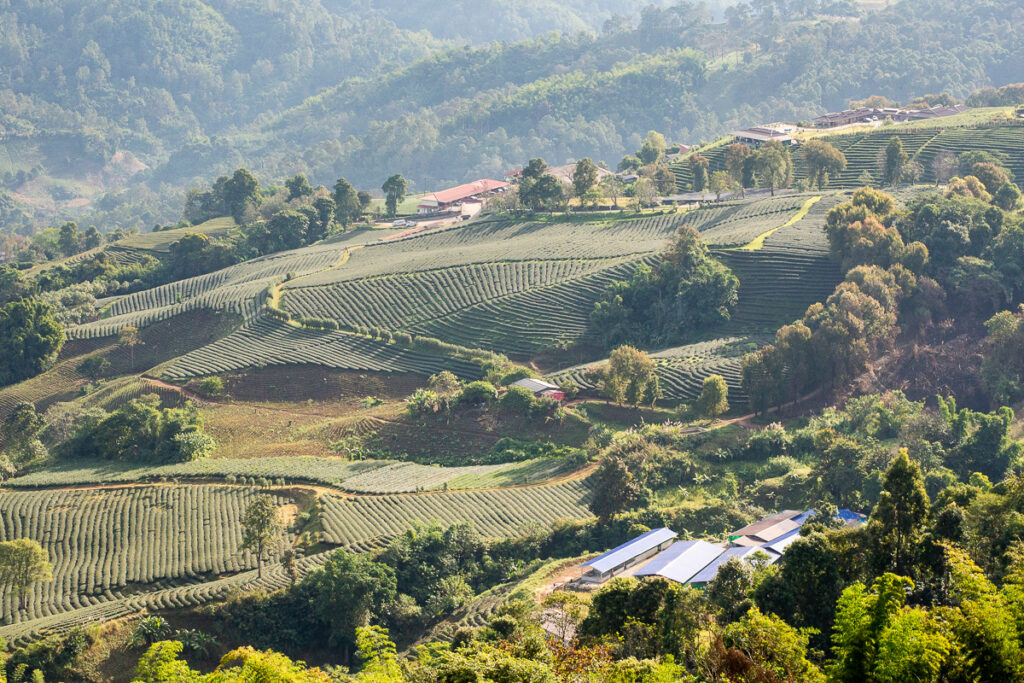
The most famous spot is 101 Tea Plantation, about a ten-minute drive from town. This is where you can taste teas right on the plantation; the selection is clearly explained, and there’s a chance someone will speak English during the tasting (though it’s not guaranteed).
For me personally, the tasting and environment were better at the Wang Put Tan plantation, which also has a great tea house/cafe where you can sit in the shade of the trees and enjoy the view all day long.
What to Taste and Where to Eat
The second reason I love returning to Mae Salong is the food. Besides Thai classics, you can taste many traditional dishes from Southern China and Taiwan.
What to Taste
Here are a few interesting dishes you shouldn’t miss:
- Yunnanese braised pork knuckle
- Yunnan-style fried noodles
- Taiwanese fried chicken
- Taiwanese spicy noodle soup
- Hotpot
- Tea leaf salad
- Chinese dumplings
Morning Market
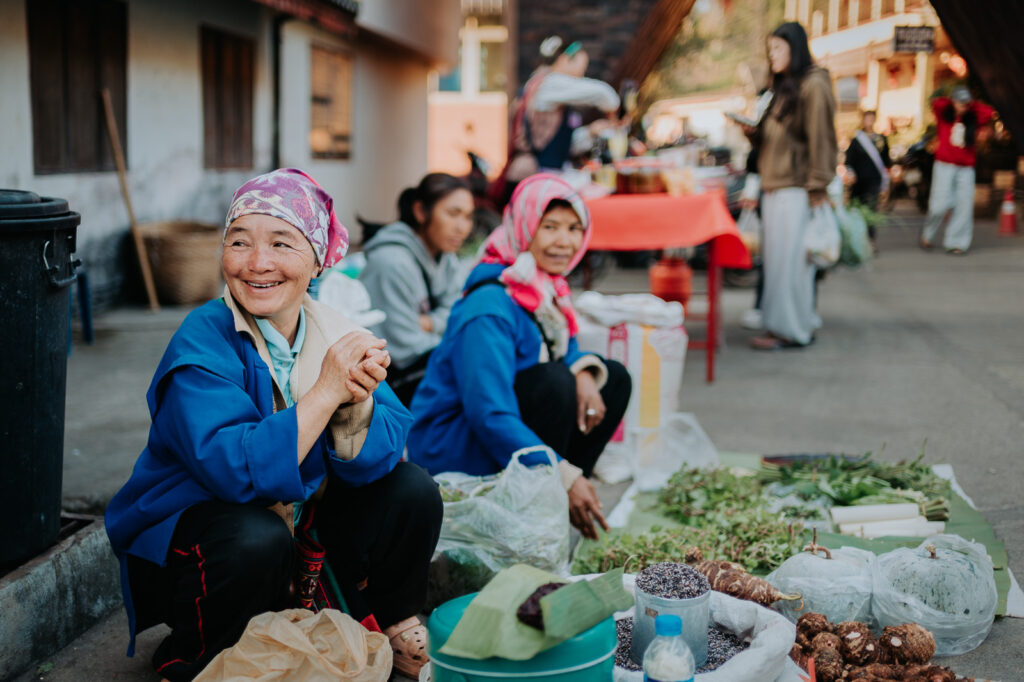
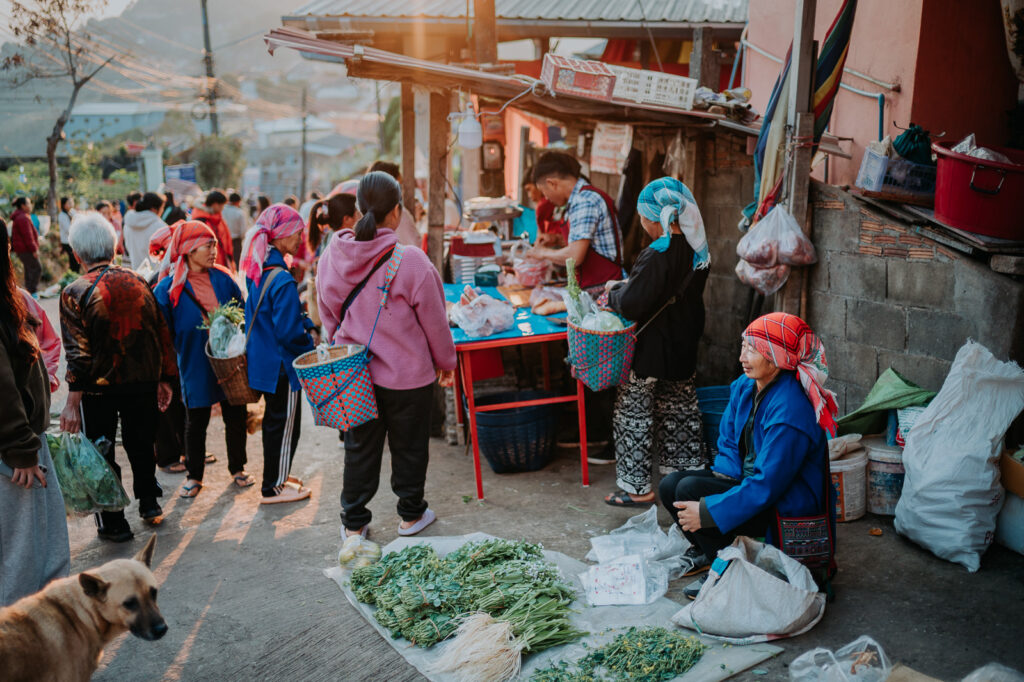
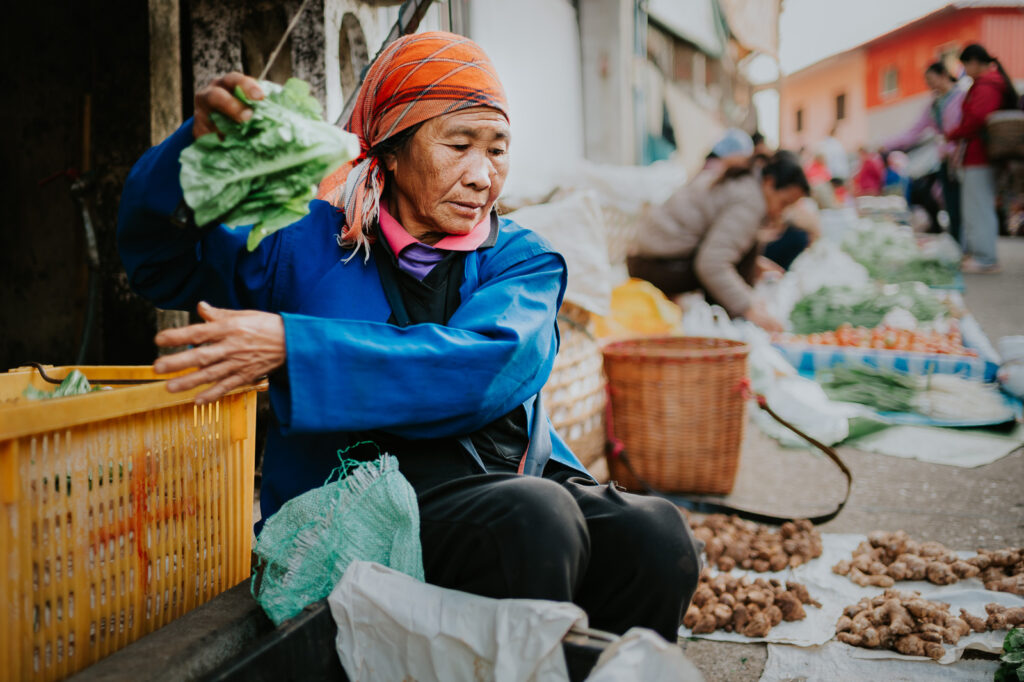
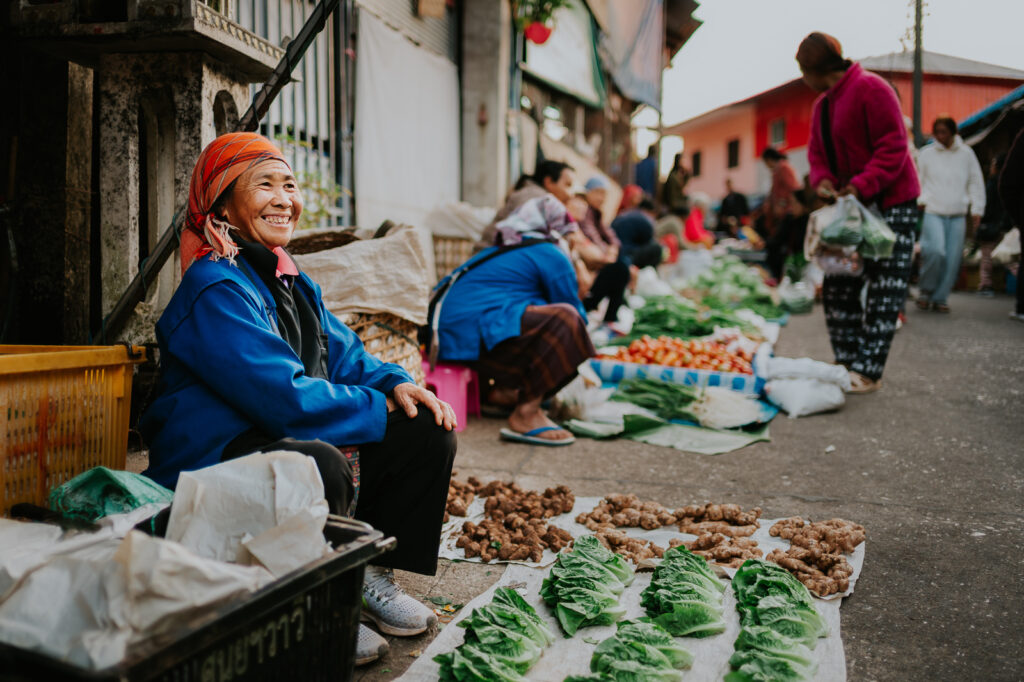
The last time we were in Mae Salong, I woke up early to go take some photos. I had no idea that the Sunday market starts right outside the doors of Shin Sane Guesthouse. It’s a place where people from surrounding ethnic villages come not just to sell, but also to buy.
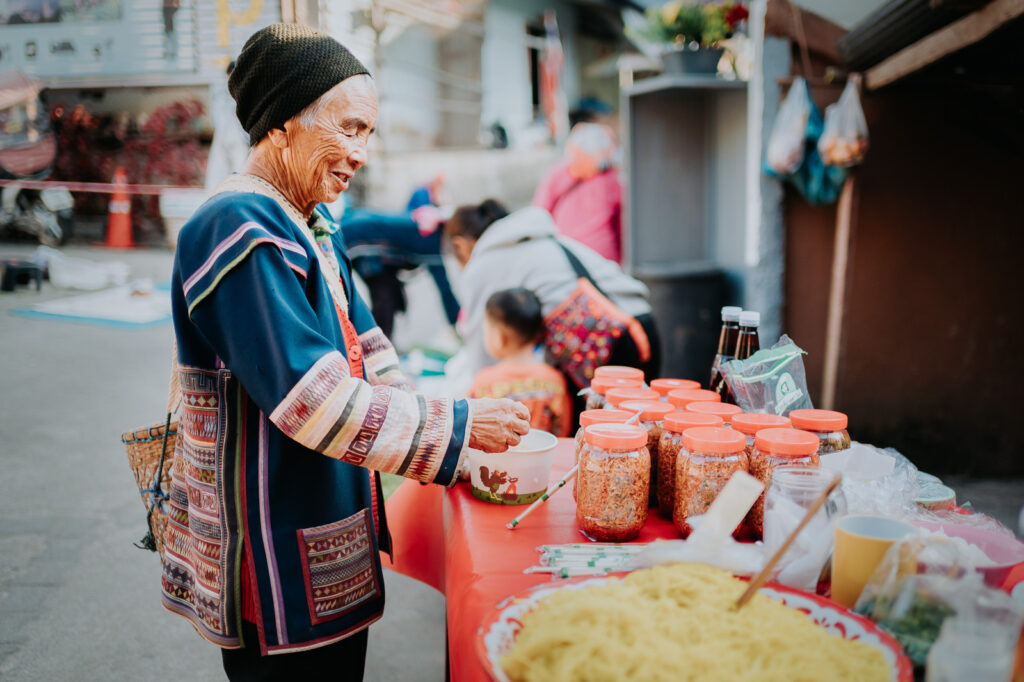
Locals also come here to have breakfast, meet up, and strengthen relationships.
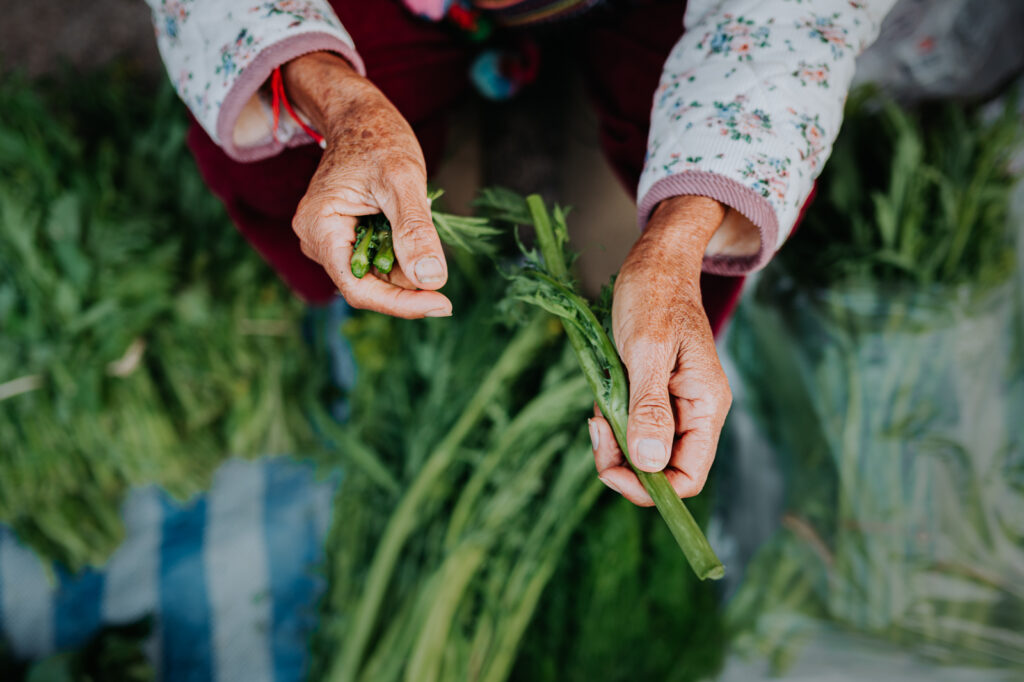
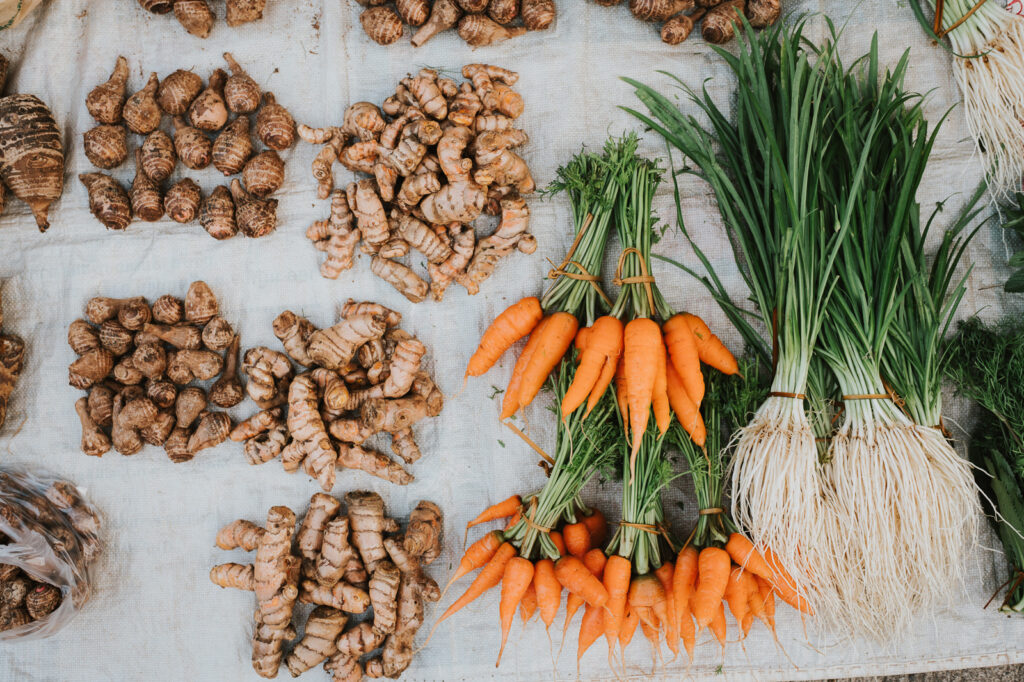
From dawn until eight o’clock, I didn’t see a single foreigner at the market. Then the market slowly wound down.
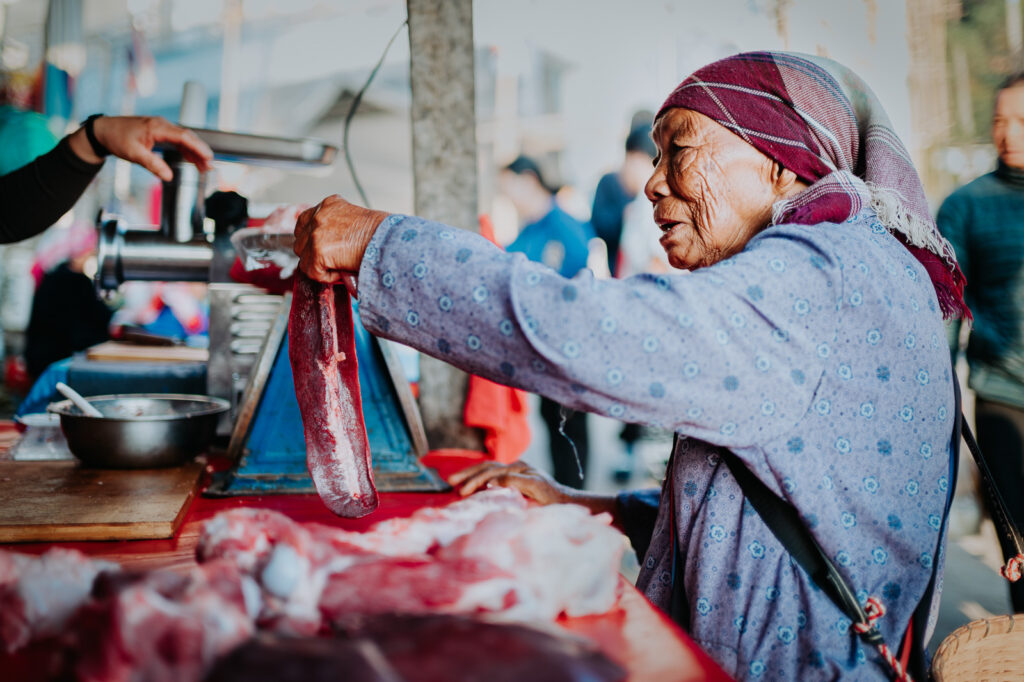
A smaller version of the market runs every day, and I definitely recommend heading there.
Specific restaurants to visit
Don’t look for fine dining. In Mae Salong, you’ll mostly eat in local restaurants.
- Meena Restaurant for noodles and Taiwanese chicken
- Yunnan Chinese Noodle for noodles
- Sihai for braised pork, mushrooms, and vegetables
- WangPutTan Yunnanese Restaurant for hotpot or braised pork
- Imm Pochana for braised pork and noodles
- Xin Shi Dai Bakery for pancakes
Things to Do in Mae Salong
It would be a shame to stick only to tea plantations and food. First of all, add the viewpoints and the local temple—also mainly for the view.
If you’re interested in history, stop by places associated with Kuomintang soldiers. The most famous is General Duan’s Tomb.
But for me, the best part is always wandering through the surrounding hills, ideally on a motorbike. The views, valleys, streams and ponds, smaller tea plantations, fruit orchards, and above all, the people.
Akha Villages and Hill Tribes near Mae Salong
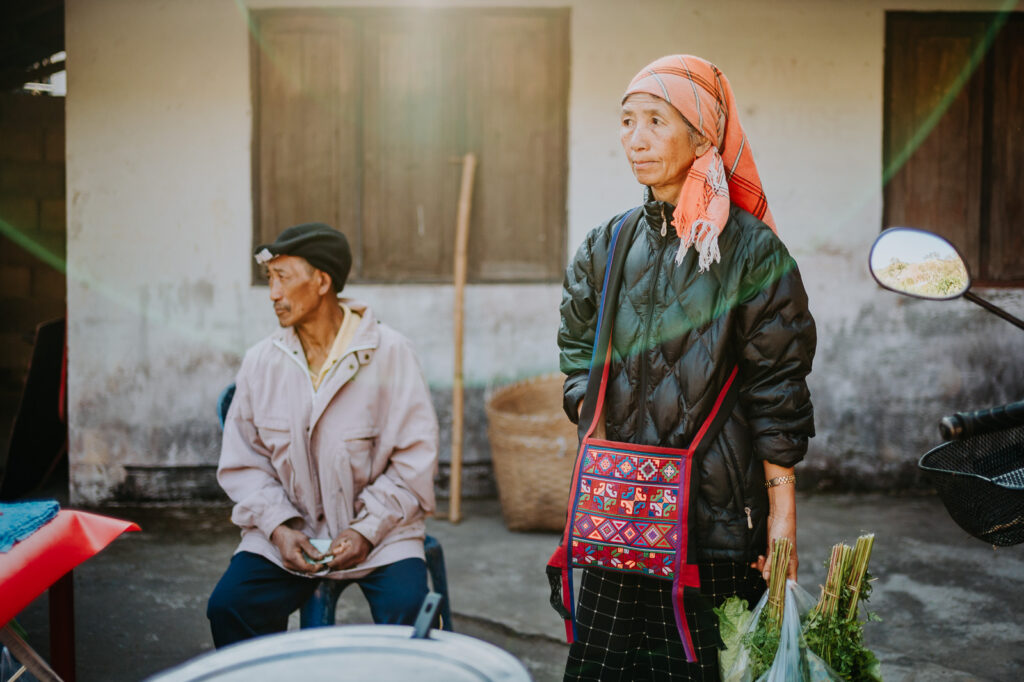
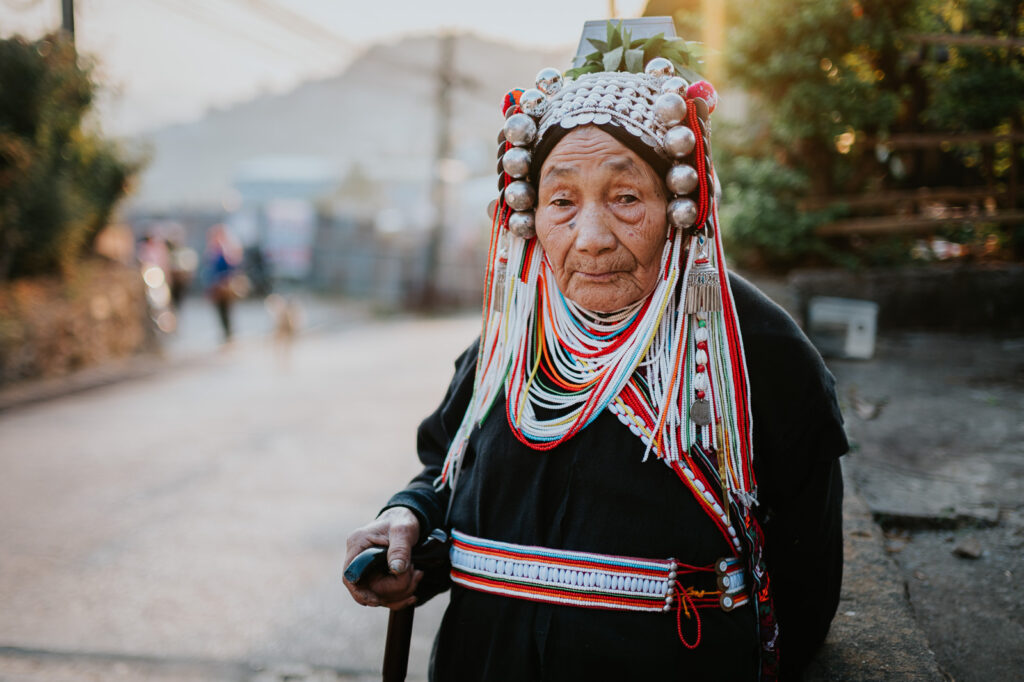
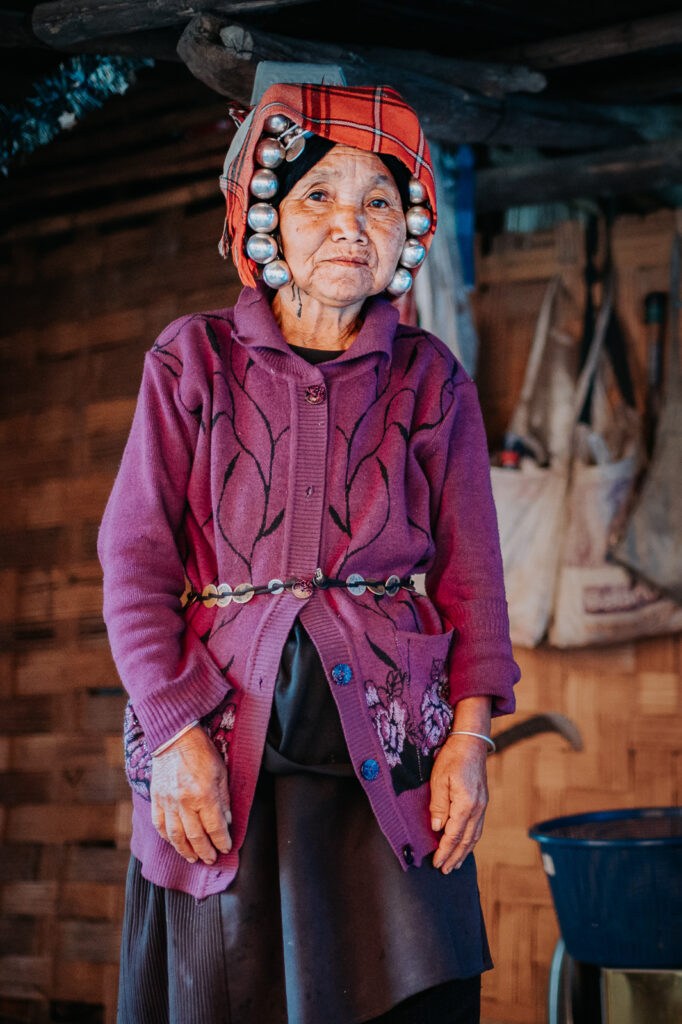
Various hill communities live in the area around Mae Salong, including the Akha, Hmong, Karen, Lisu, and Lahu ethnic groups. You’ll meet them both in the surrounding villages scattered across the hills and directly in Mae Salong.
Generally, I feel that visits to ethnic villages need to be approached very sensitively—not treating them like human zoos. I certainly wouldn’t go with an organized tour. Wandering around Mae Salong can be a good opportunity to get to know the ethnic groups a bit without interfering with their daily lives.
Alternatively, take an organized trek with overnight stays in homestays—there will only be a few of you, and you’ll have the chance to get a glimpse under the surface of the ethnic group’s life.
Discover More of Thailand
Planning more of your Thailand trip? Browse our other in-depth guides:
Overview & Planning
Northern Thailand
- Northern Thailand Travel Guide
- Chiang Mai: Things to Do
- Chiang Rai Travel Guide
- Pai, Thailand Guide
- Mae Hong Son Travel Guide
- Scenic Motorcycle Routes in Northern Thailand