This post is also available in:

Sea turtles are fascinating creatures that have survived for 110 million years — yet today they stand on the brink of extinction. Sounds grim? Unfortunately, the reality is even harsher. And we travellers are part of the problem.
Many tourist attractions claim to help turtles, but they often do the exact opposite. Let’s peek behind the scenes of these centres so that — as responsible travellers — you can recognise the projects that truly deserve your support and steer clear of those that actually harm turtles, especially when it comes to a sea turtle release.
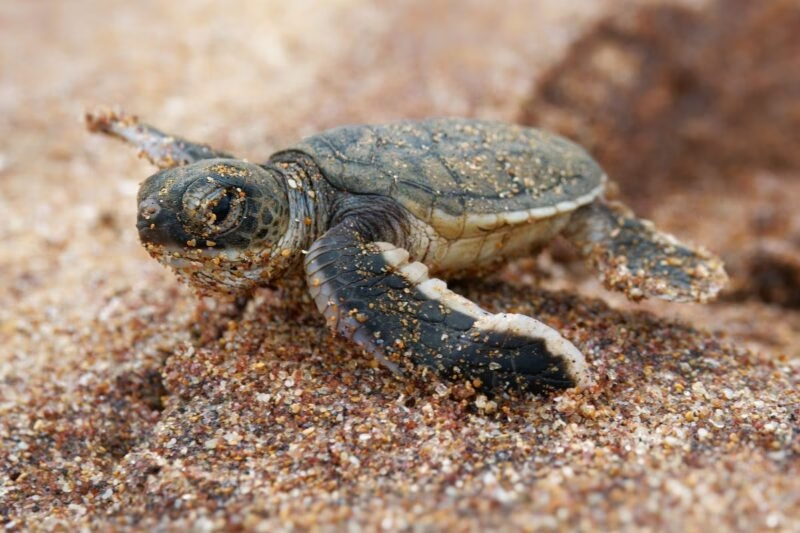
You can help sea turtles without unknowingly hurting them. How? In this article you’ll find out how and where to dig deeper.
Why are sea turtles so important?
Sea turtles play an irreplaceable role in marine ecosystems, and protecting them has a direct impact on the health of our oceans. There are seven species of these ancient reptiles in the world, and every single one is endangered. Their contribution, however, is absolutely fundamental.
Sea turtles help maintain healthy seagrass meadows — areas that provide shelter for thousands of small fish and organisms, supporting the entire ocean food web. Thanks to their diet, they also regulate populations of jellyfish and sponges, which keeps coral reefs in balance. Reefs are often called the “lungs of the planet” for their crucial role in producing oxygen and absorbing carbon dioxide.
Turtles also contribute to the spread of seagrass — as they graze, they prune the plants and encourage healthy growth, benefiting the whole ecosystem. In some areas they also feed on dead plant matter, helping to clean the seabed. Their presence is genuinely key not only for biodiversity, but also for the cleanliness and balance of marine environments.
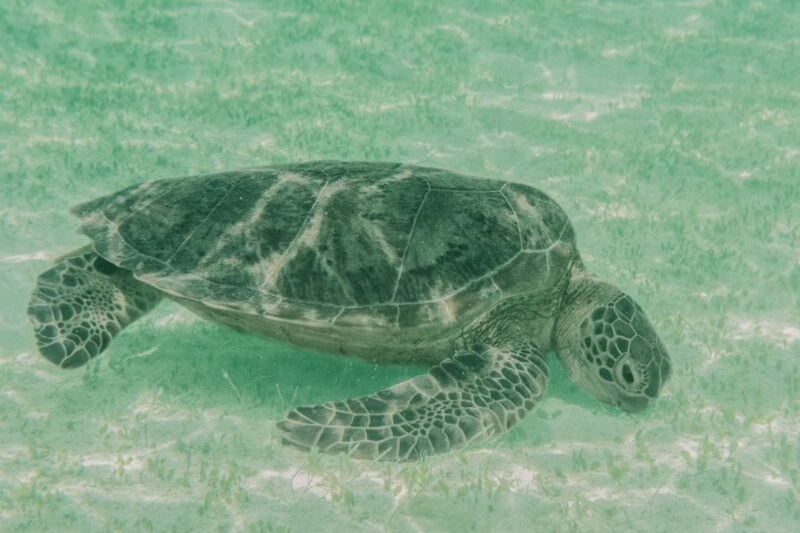
Unfortunately, sea turtle populations are facing serious threats. Due to intensive fishing, plastic pollution, loss of nesting sites and the illegal trade in turtle shells and eggs, turtle numbers have dropped by up to 90% in many places over the past 70 years. The decline is alarming and underscores how urgent their protection has become.
Protecting turtles is a matter of survival for the oceans — when we protect turtles, we protect the entire marine ecosystem and its delicate balance.
Sea turtle conservation centres
Sea turtle conservation centres play an important role in saving these endangered creatures and educating the public about their protection. Ideally, they focus on rehabilitating injured turtles, caring for individuals that wouldn’t survive in the wild, and protecting nesting sites from poachers. Well-run centres support the natural development of turtle hatchlings and allow them to return safely to the sea as soon as possible after hatching.
But not all centres are created equal — unfortunately, some operate more like tourist attractions, and their methods, such as keeping small turtles in tanks, can do more harm than good.
Keeping turtles in tanks: why is it a problem?
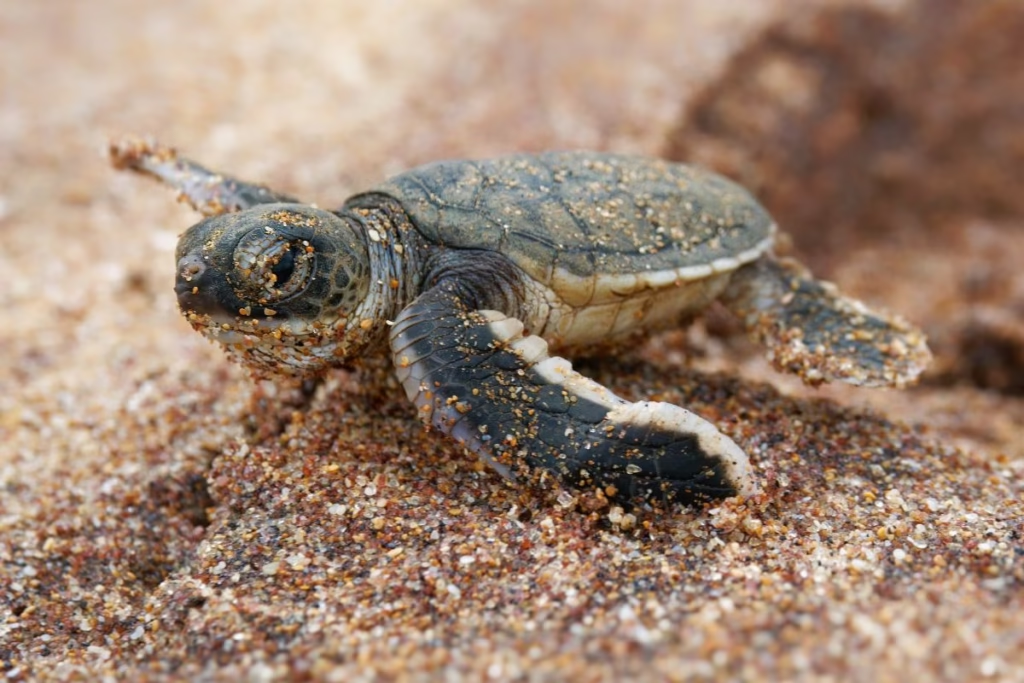
You may have seen rescue centres with little turtles in tanks. At first glance it can look cute and seem like a good idea, but in reality it’s deeply harmful to them. That’s exactly why this is one of the main indicators of a centre’s integrity. If you see baby turtles in tanks, there’s no real conservation happening. Turtle hatchlings belong in the sea.
Time spent in artificial tanks causes muscle atrophy — turtles can’t swim against waves, their lungs don’t develop properly, and they never learn to dive to great depths.
Diet is another issue: small turtles in tanks are often fed chicken meat or unsuitable fish scraps that don’t match their natural diet. This leads to malnutrition and can trigger cannibalism, with turtles biting each other. If turtles are kept in tanks for longer periods, poor water quality — rarely changed — makes things worse. The result is frequent skin infections, which can even cause blindness.
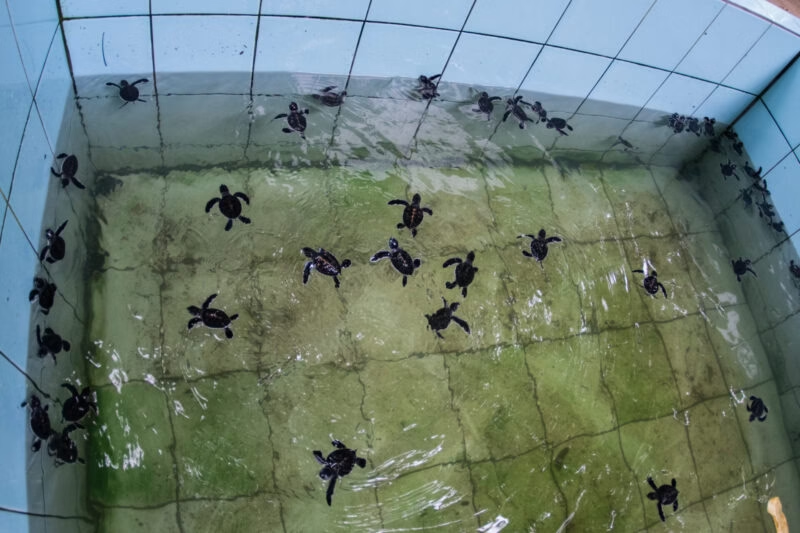
Many turtles held in such conditions die before they are ever released into the sea. Those that do survive are often sluggish and disoriented when released. Sadly, after just a few days in captivity, they lose key instincts — for example rushing toward the ocean, or knowing where to return to lay eggs.
Although it may seem at first that life in a tank protects little turtles from predators, the opposite is true. Without the necessary instincts and natural development in the ocean, they have no real chance of survival.
How to recognise a good rescue centre
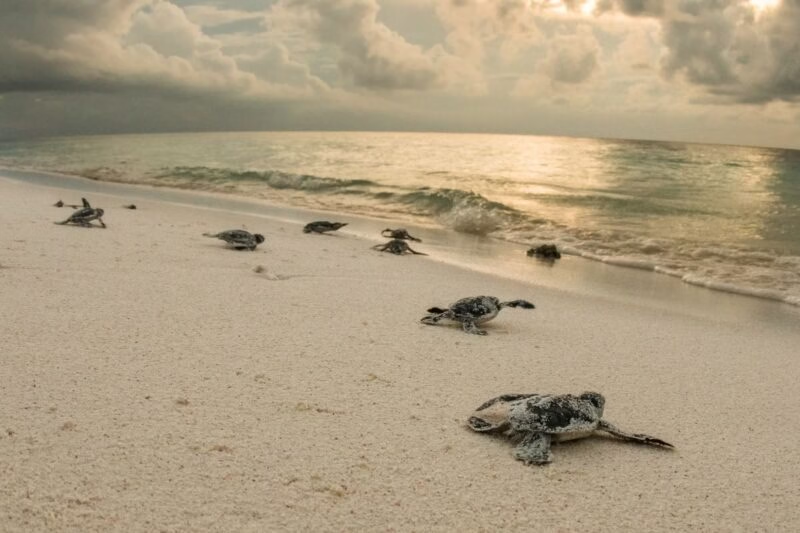
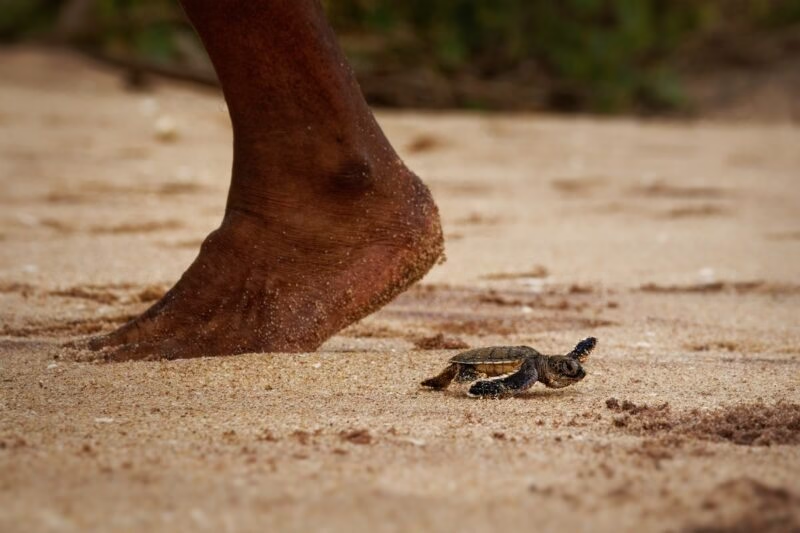
A genuinely useful centre can be identified by the fact that small, healthy turtles are released into the sea immediately after hatching — often at sunset, when the sand is cool, so they don’t burn their bellies. Such a centre focuses on protecting turtles that wouldn’t otherwise survive, not on running a tourist attraction.
So how do you spot one?
There’s no shortcut — you’ll need to do some research. Look at photos online or read reviews. If you see tanks full of healthy turtles, look elsewhere. And don’t be fooled. Remember that many people have no idea that tanks are harmful to turtles, so even bad centres can rack up glowing reviews from well-meaning visitors.
If you’re heading to Sri Lanka, this map from the Save Turtle project can be a great guide. The marked centres are projects where you can observe females laying eggs naturally or hatchlings making their way from the nest to the sea.
The project also operates at six locations in Indonesia, where no other centres can really be recommended. Unfortunately, that means there are dozens of tourist traps where well-meaning visitors are unwittingly contributing to the abuse of baby turtles.
How to truly contribute to sea turtle conservation
Sea turtle conservation involves much more than just watching them hatch. To really help, we need to focus on protecting their eggs from poachers, ensuring hatchlings are safely released into the sea, and educating the public about why this matters. In many areas, conservationists move eggs from threatened locations to safer ones and release the babies straight back into the sea after hatching, so they keep their natural instincts and can mature properly.
Supporting turtle conservation also means respecting and educating local communities. In some areas, locals once depended on selling turtle shells, meat or eggs — which contributed to the decline of turtle populations.
Today, thanks to alternative programmes, communities are learning to make souvenirs from coconut shells and other sustainable materials. Projects that support alternative livelihoods are far more effective than blame or criticism. As travellers, we can chip in by supporting these initiatives — whether by buying ethical products or joining educational programmes.
At the same time, we should avoid supporting any practices that harm turtles. Don’t endorse turtle killing, don’t buy turtle eggs, meat or products made from turtle shell, because demand drives further decline. It’s also important to support rescue centres that focus on genuine protection and rehabilitation — without gimmicky attractions like tanks full of baby turtles.
How to behave as a responsible traveller
So how exactly can we, as travellers, help protect sea turtles — and avoid supporting their mistreatment?
- Avoid centres with tanks of healthy turtles: only support rescue centres that release healthy turtles directly into the sea rather than keeping them in tanks.
- Don’t touch turtles or their eggs: on beaches and in protected areas, respect conservation rules and minimise any direct contact.
- Cut back on plastic: plastics are one of the main causes of turtle deaths. Always pick up litter and reduce your use of plastic products, especially single-use ones.
- Do your homework before visiting rescue centres: check the centre’s reputation, read reviews and verify that it really helps turtles.
- Support local artisans and ethical products: buy souvenirs that don’t contain turtle shell and support local craftspeople who are seeking alternative livelihoods.
- Let hatchlings walk to the sea freely: if you get to watch a release, follow the rules and don’t interfere with their path.
- Leave beaches clean: when you leave the beach, take all your rubbish with you so it doesn’t endanger turtles and their nesting sites.
- Support turtle conservation organisations: contribute through volunteering, donations, or by spreading awareness of the problems turtles face.
- Follow nature protection rules: don’t enter restricted nesting areas, don’t drive on beaches where turtles lay eggs, and respect local conservation guidelines.
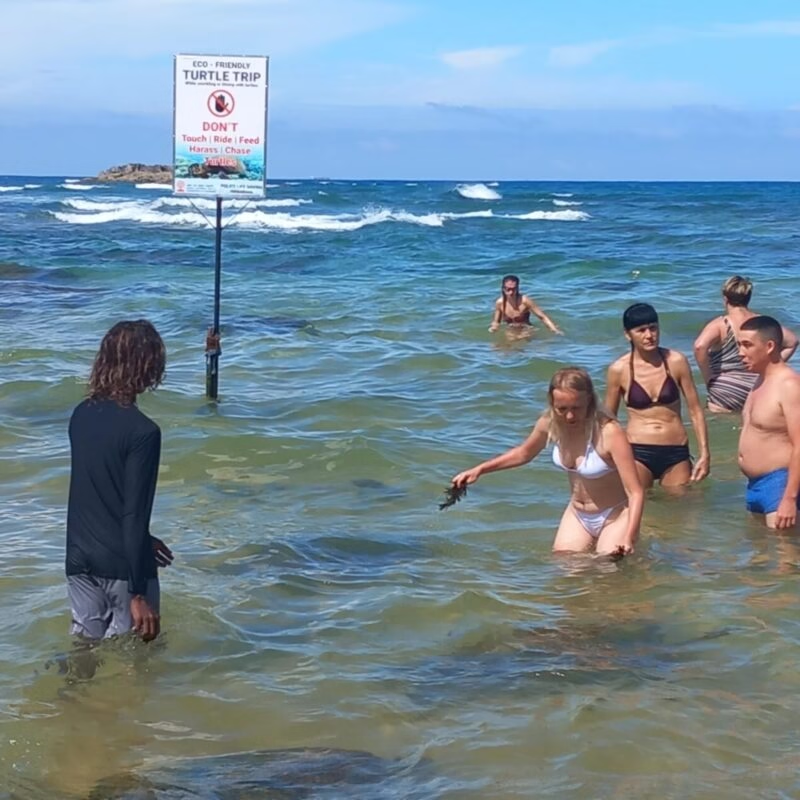
- Don’t stress the turtles: don’t chase them while snorkelling, don’t photograph them with flash, and stay calm and respectful when observing them in the wild.
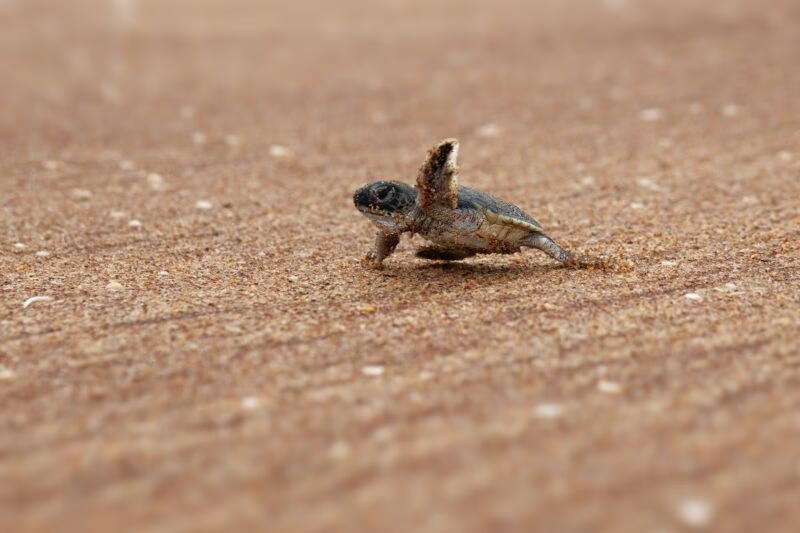
Final thoughts: sea turtles belong in the sea
Responsible travel begins with recognising the impact we have. Sea turtles don’t need admiration in tanks — they need to swim free. We can give them that by thinking, acting and travelling responsibly. Every step counts, from recycling plastic to choosing the right centre. Let’s protect these rare creatures together — and the oceans they call home.
The Save Turtle project focuses on protecting these endangered animals and raising awareness of their vital role in ocean ecosystems. Its work includes protecting turtle nests from poachers, relocating eggs to safe areas, and releasing hatchlings straight into the sea after they emerge. The project also educates children and adults about the importance of turtle conservation, works with local communities on sustainable livelihood alternatives, and helps spread awareness through educational materials and media partnerships. Thanks to their efforts, millions of turtle eggs have been saved — offering hope for a better future not only for turtles, but for the health of our oceans. Anyone can help — whether by visiting awareness-focused centres, making a donation, or simply travelling responsibly.